Category Archives: Living abroad

Sydney Reccy

Reccy: Aussie slang for reconnaissance mission.

While I hung out waiting for Heidi to finish up at St. Pat’s, my eye fell on a list of rules for uniforms and grooming.
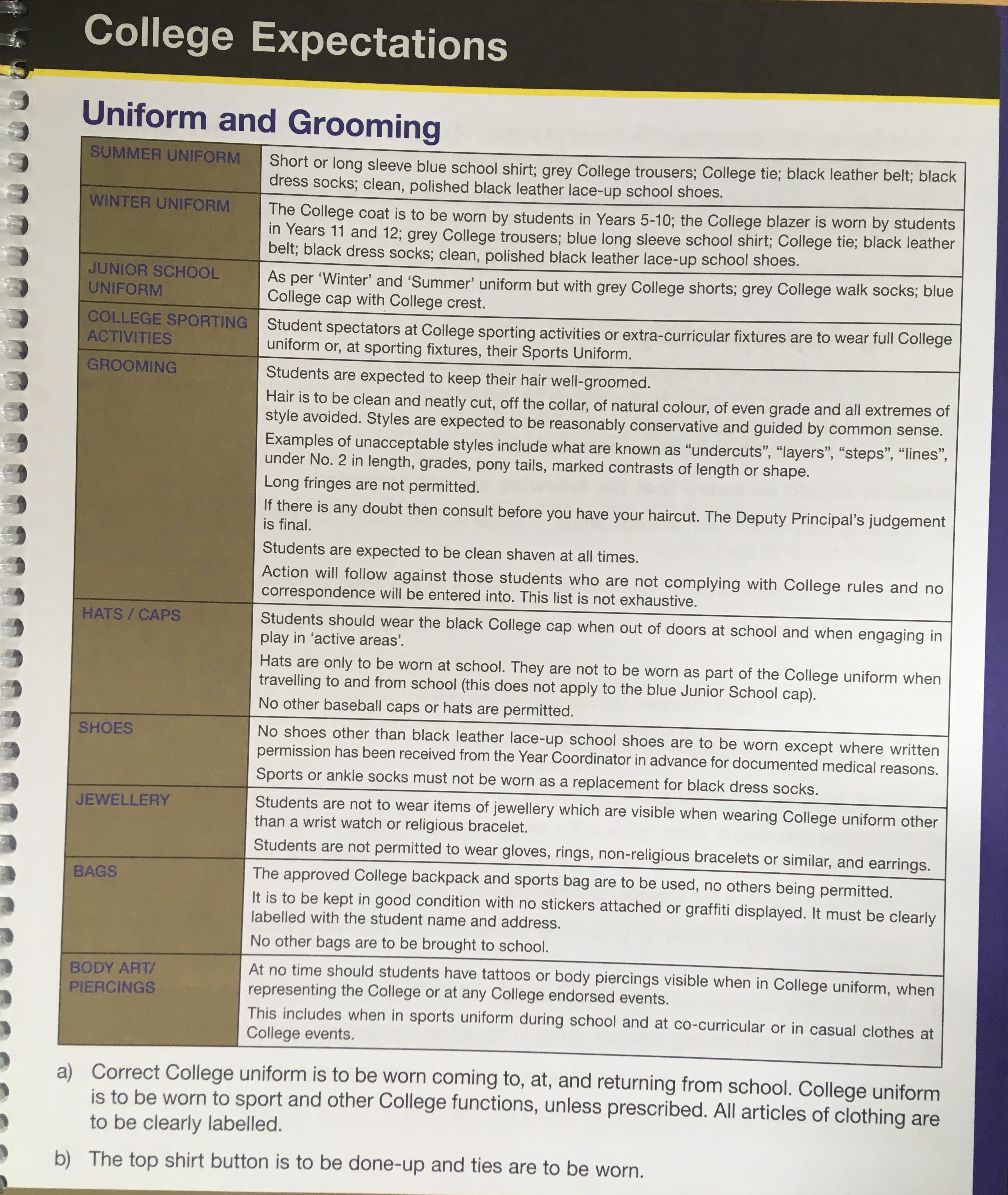
It’s very specific, especially with the haircuts.  I must be old because I don’t know what lines, steps, “under No. 2 in length,” or the other prohibitions even are.  I do know that “fringe” is what we call “bangs” in the US.  When you think about it, fringe is a lot more descriptive than bangs.

I wandered the halls a bit and learned from a display that St. Pat’s most famous “old boy,” as they call alumni, is Thomas Keneally, author of Schindler’s Ark, the novel upon which the movie Schindler’s List was based.  How did an Aussie come to write a book about the Holocaust?  Heidi Googled this later and read the story to me. On a visit to Los Anglese, Keneally went into a luggage store to buy a suitcase and happened to talk to the owner, Poldek Pfefferberg, a Holocaust survivor.  When Pfefferberg learned Keneally was an author, he told him about Oskar Schindler, a German businessman credited with saving the lives of 1,200 Jews, and urged him to write the story.  The rest, as they say, is history.

There were display cases featuring Cricket awards.

It reminded me of Eton, but spacious, bright, and new.

There was a physical acknowledgement of the Darug Aboriginal people, upon whose former land the school stands.

When Heidi was done with her year-end odds and ends, we walked across the street to the bus stop and waited.  And waited.  She consulted her transport app and reckoned it would take as long to wait for the bus as to walk, so we gave up and ambled toward the train station.  That was fine with me because it was a nice day and the neighborhood we walked through was lovely.

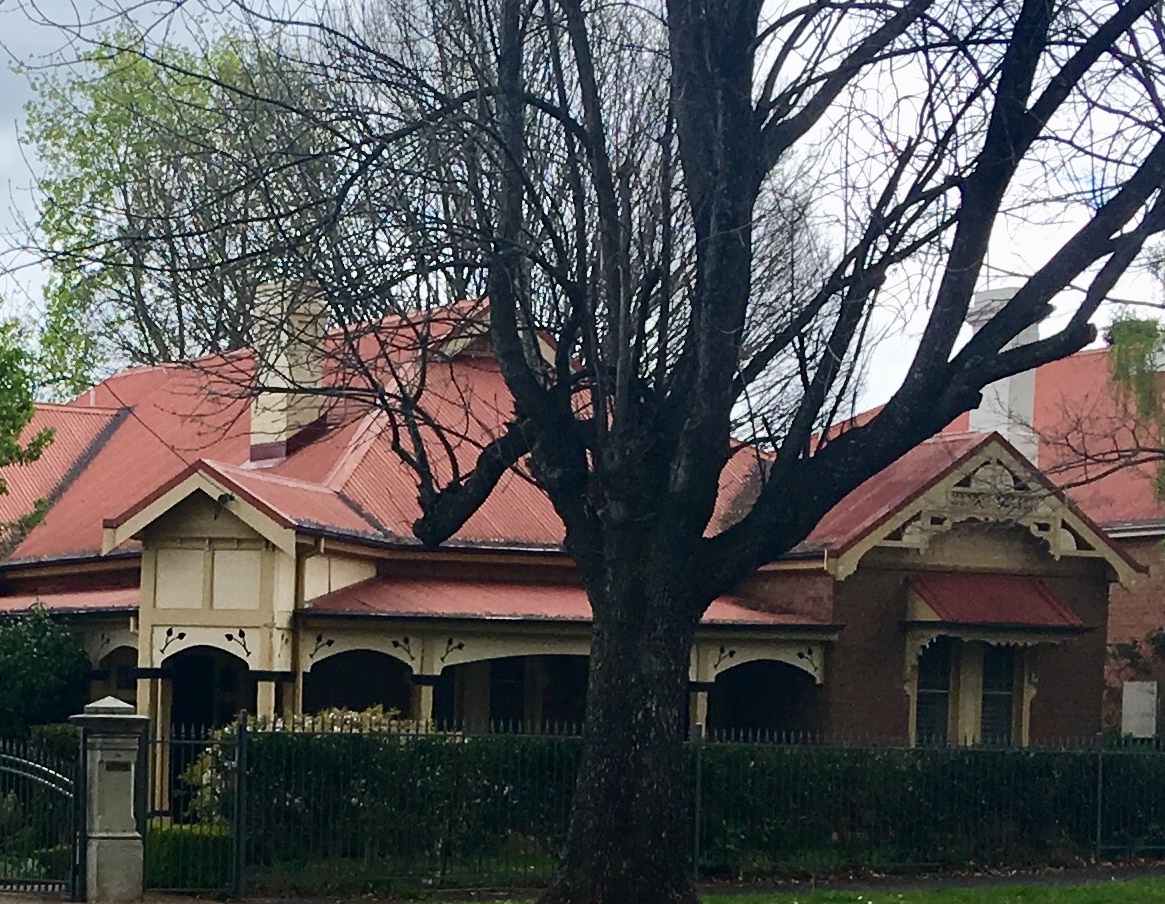
Houses in Australia tend to be one story (think about heat rising).  It was spring, and everything was in bloom.  These are some photos of Australian houses I took elsewhere, but they seem pretty typical of what I saw near the school—Victorian or Edwardian with beautiful gardens and massive trees.
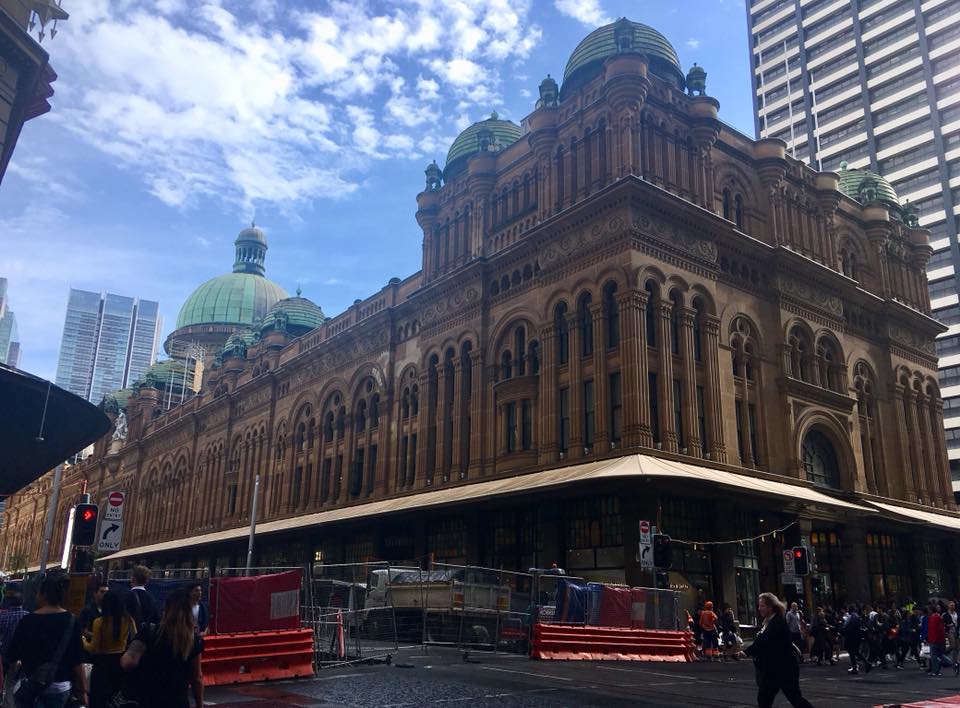
We took the train into the CBD.  That’s Central Business District, for those of you who like to spell things out.  We headed for the QVB, or Queen Victoria Building, and here I will use the word massive again.  So many things in Australia are massive.  The QVB, constructed in 1893, fills an entire city block.
We wandered around inside and gawked at window displays of the high-end shops and the architectural features.
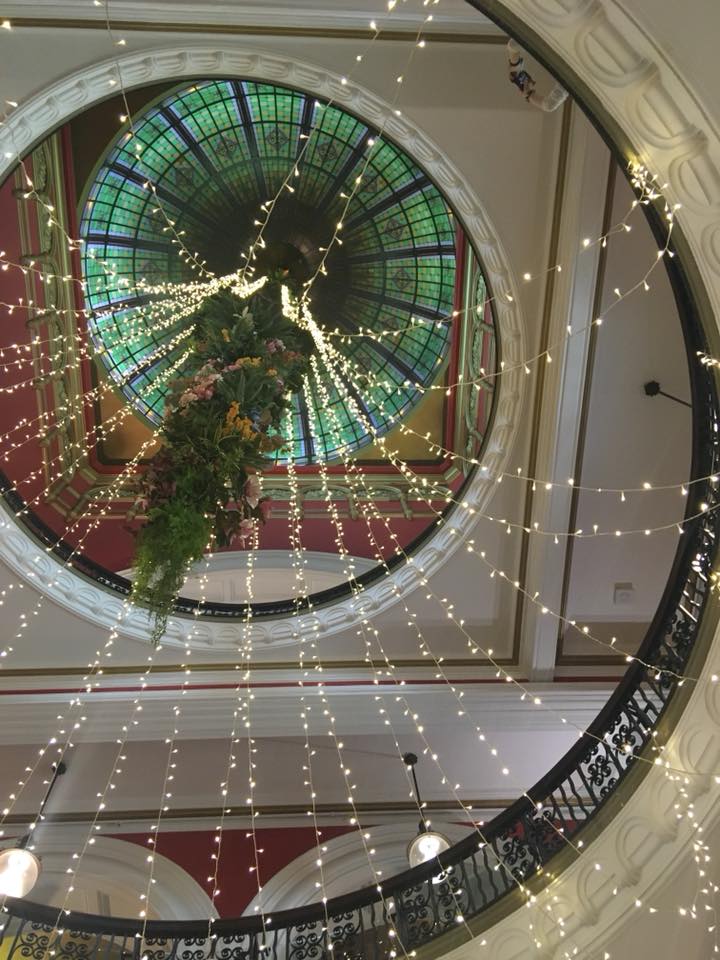
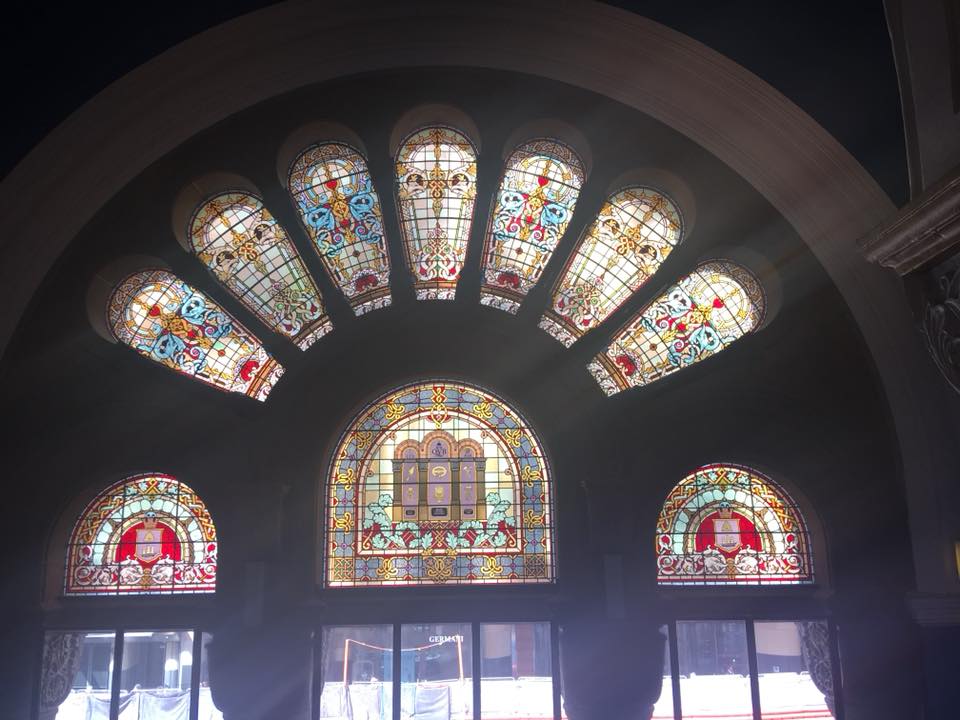
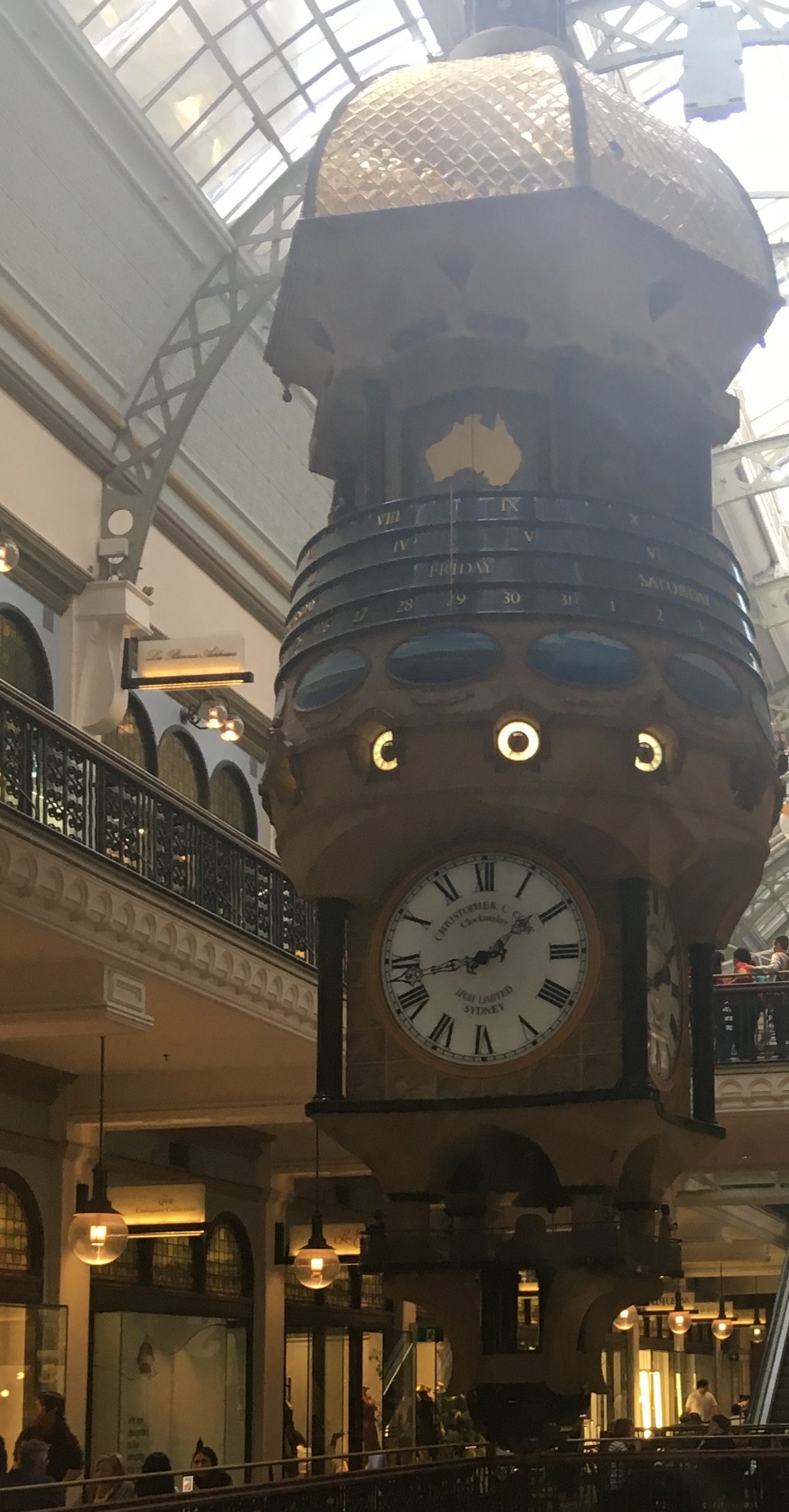
You can’t see it because of my lousy photo-taking abilities, but the clock is incredibly detailed with lots of—literally—bells and whistles and a train that runs around it at the lower level. Just think, this was the era when clocks used to be the proud main feature of buildings.
We sat down for lunch at a tea shop, and I noticed the tables adjacent to us had Chinese newspapers scattered on them.

I could say this over and over but I’ll just say it here—there is such a big Chinese presence in Australia that I sometimes had these weird moments where I had to check myself and ask, “Where am I?  Am I in China?  No, I’m in Australia.”

When you think of the geography, it makes sense.
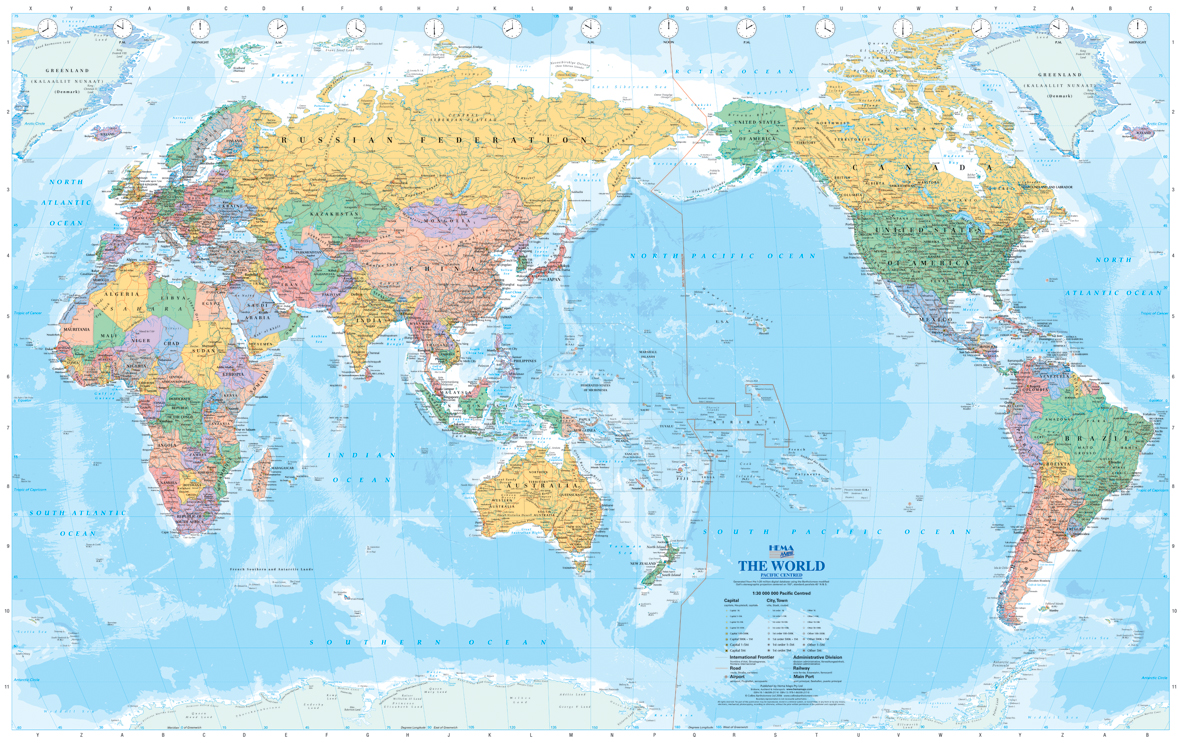
 

There are Chinatowns in Sydney and Melbourne but also Thai towns and Japan towns and probably Korean and Vietnamese neighborhoods.  So if you like any of these types of foods, you’re in luck in Australia.

After lunch we hit a couple shops where Heidi returned some clothes, then she led me to Hyde Park, the “Central Park” of Sydney.  It is dominated by St. Mary’s Cathedral, which seemed to be the most massive church I had ever seen.  And I’ve seen a lot of churches.
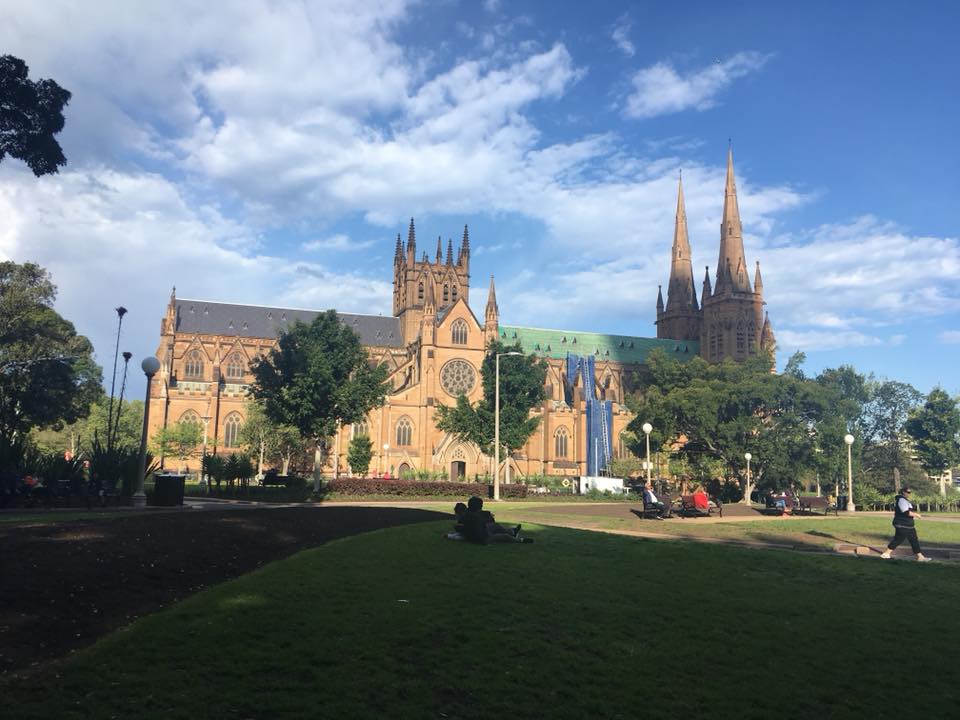
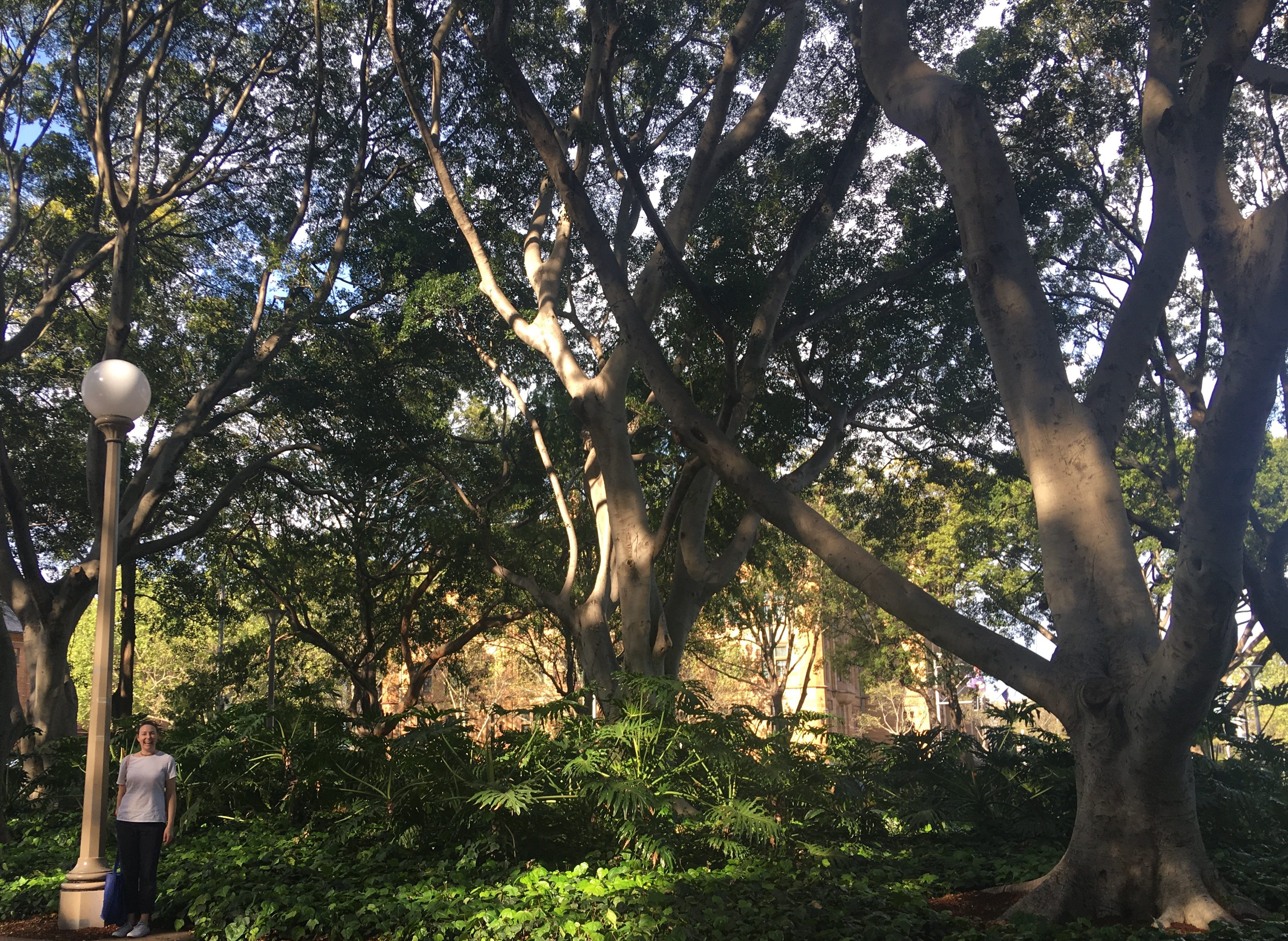
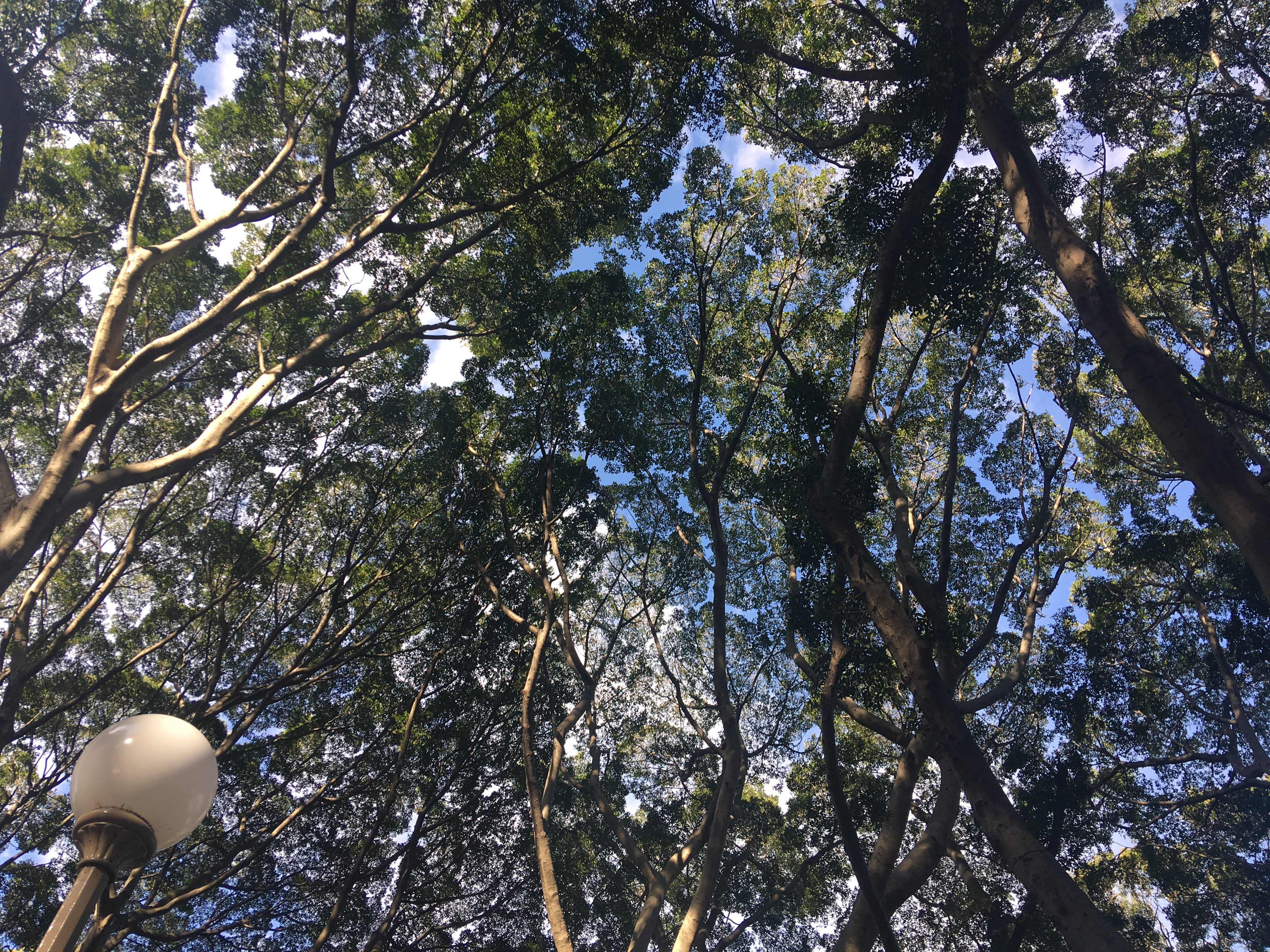
It’s frustrating that photos cannot capture the scale of things.  I tried including Heidi, and a lamppost, in these two photos to give a sense of scale of the trees, but that didn’t really work.
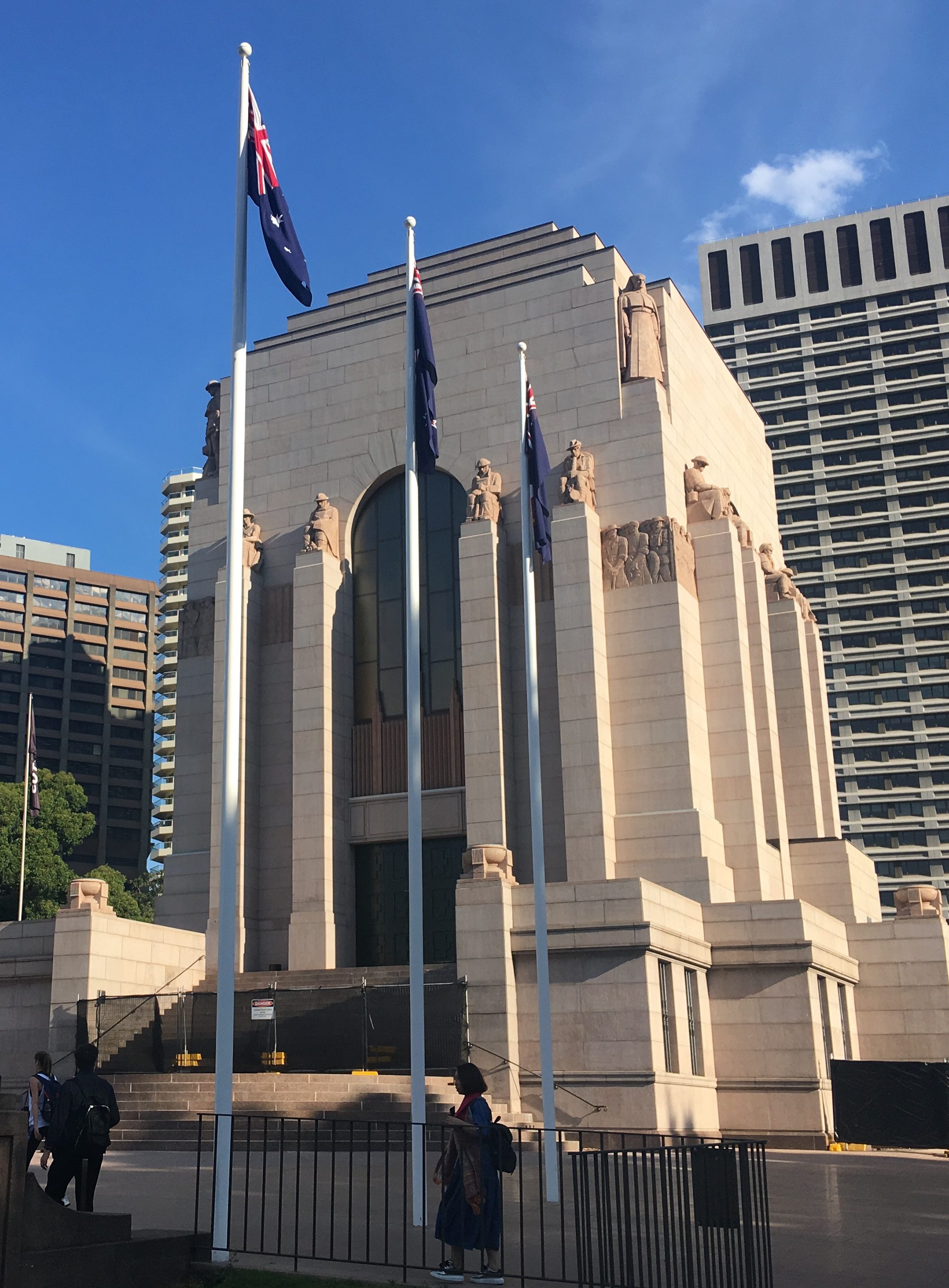
This is the ANZAC (Australia New Zealand Army Corps) war memorial.
Next stop: Bondi Beach
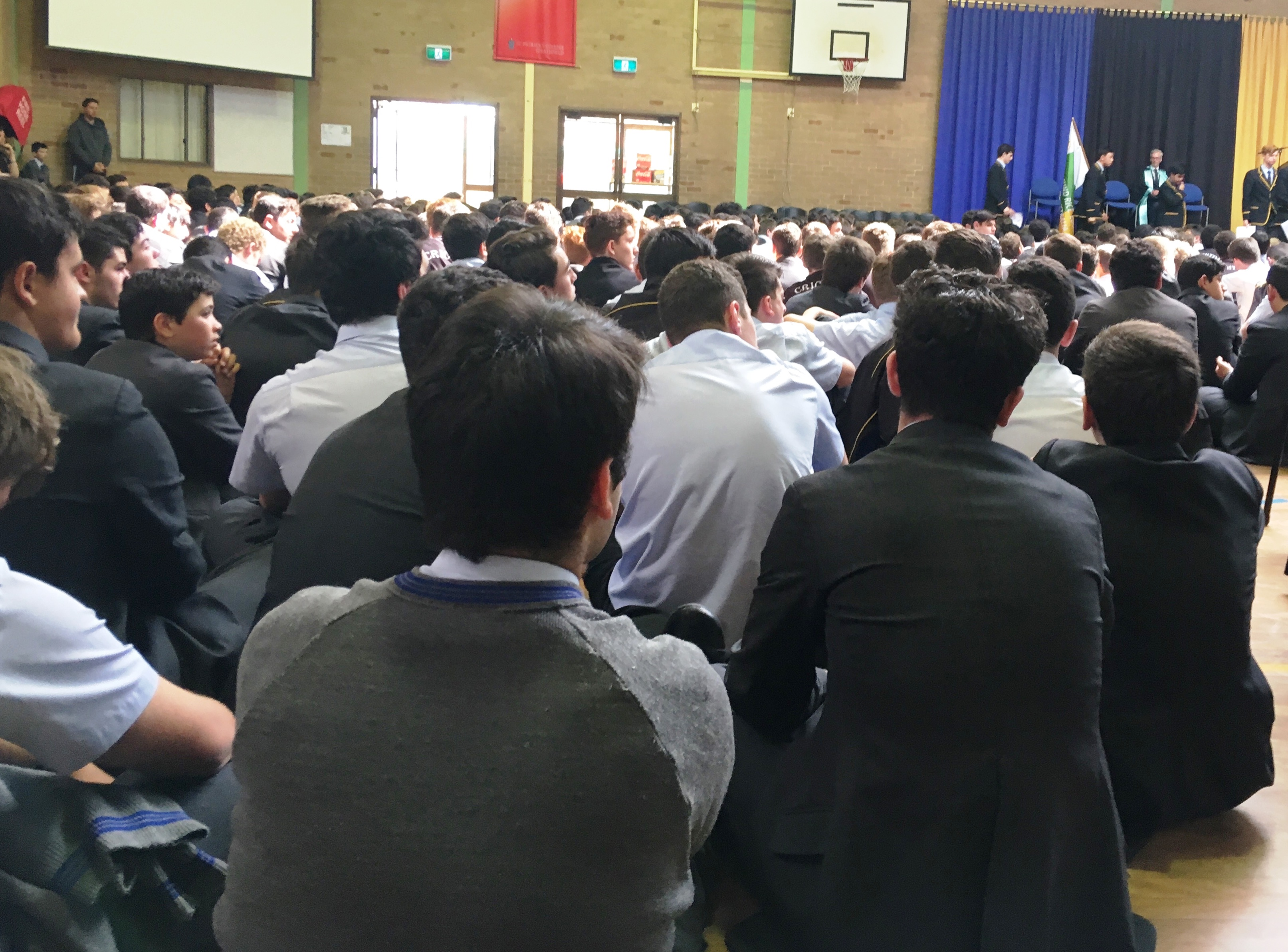
Boys, Boys, Boys

Sitting in the back of the gym at St. Pat’s, I was struck by how 95% of the boys had black hair.  In Minnesota, it would have been 75% blondes due to our Scandinavian and German immigrant history.  Many St. Pat’s families had come from Italy and Lebanon. There were a few redheads, maybe kids of Irish ancestry, some Chinese kids, and one Aboriginal kid who was on an exchange with another Catholic school in Alice Springs. All of them wore smart uniforms.

The ceremony opened with what I learned was standard in Australia, an acknowledgement of the Aboriginal people who originally lived on the land on which the school was situated.

This was followed by remarks by the head of the school, which included a statement about how bullying and intolerance were just not anything in which any boy should participate—including bullying of fellow students who were gay.  This took me by surprise.  It was a Catholic school after all, and while I wouldn’t expect them to encourage bullying of gay students, I was surprised it was mentioned explicitly. The church my mother’s husband belongs to didn’t allow me to stand on the altar at their wedding because I am Jewish.  I’ve heard there is a sign at the entrance now making it clear that practicing homosexuals, divorcees, and other sinners must not take communion.

I asked Heidi about it later. I wondered if the Catholic Church in Australia looks upon homosexuality in a “hate the sin, love the sinner” way, or if they “love” gays as long as they are celibate.

Heidi looked thoughtful, then said mildly, “It’s just not an issue.”  She is a regular church-goer, if not every week.  “I can’t recall it ever coming up at church, or at St. Pat’s, except in the context of bullying.  One kid posted a homophobic comment on social media a few weeks ago and the boys came down on him.  He’s a good kid who had a moment of poor judgement, and he was embarrassed.”

Australians voted to legalize gay marriage last year. So the law is catching up with general opinion, if indeed is it so open minded.  Of course there are people who opposed the change.

“Does the Pope know what’s going on down here?” I asked.

“Oh, probably, but he’s likely more concerned with other matters.”  Like priest sexual abuse.  There’ve been almost 5,000 claims.  The Australian Church is paying out hundreds of millions of dollars to survivors.  To its credit, it started facing this issue early on—in the 90s—and has done a better job of apologizing and making up to survivors than other countries, from what I’ve read and heard.

The ceremony was very moving.  It involved announcements of which year-twelve (senior) boys would hold leadership positions next year. These included things like social action, sports, house leads, and so on (the boys are organized into “houses,” like in Harry Potter).

As each boy’s role was announced, he and his parents came forward from wherever they were sitting to meet at the front.  Some parents gave their boys big bear hugs; others shook their hands and gave them a clap on the back. The parents then gave the boys a pin they would wear to indicate their leadership role.

Afterwards, Heidi and I had tea in the Diverse Learning office and I met her coworkers.  They were friendly and talked about where they would go on their break, which started the next day.  One was going camping in Tasmania and I told her how one iteration of my trip had included four days in Tasmania.

“Aww yeah, you can’t do Tassie in a few days,” she said.  “And you would need a car.”

When the head of the department learned that I work for the Center for Victims of Torture, she asked if I would talk to the boys about it after the holidays.  I was game, but made a mental note to buy some professional clothes.

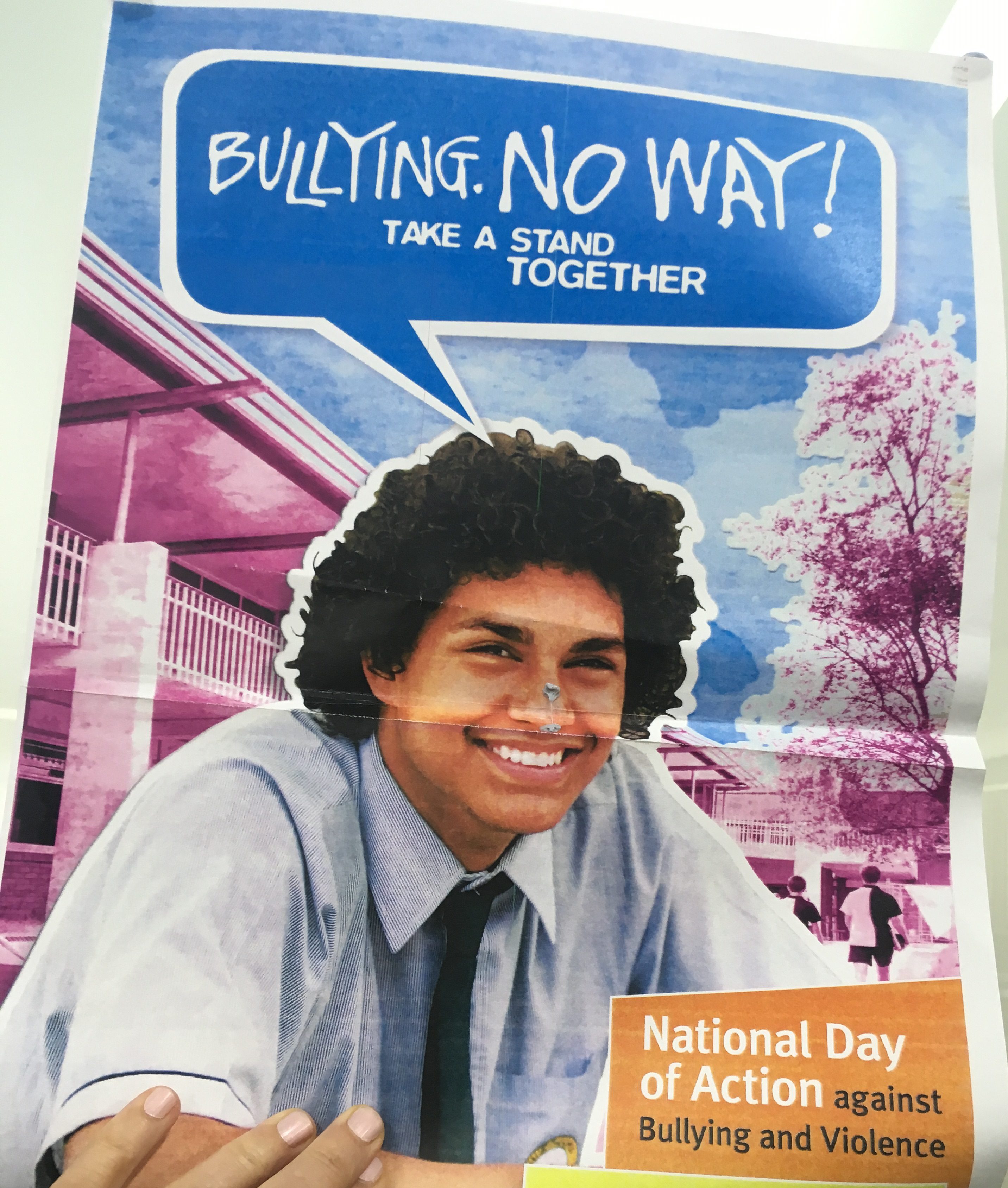
I wandered around in the hall and noticed this poster.

Some smart alec had stuck sticky tack on the poster kid’s nose.  Boys will be boys, after all.

Getting Around

My plan is to write one post about each day in Australia, since I had so many days there.  When I recall all we did on just my second day, I’m doubtful.  Here goes.

Day Two was a work day for Heidi. Classes had ended at St. Patrick’s College, where she is a teacher, but there was some kind of assembly she wanted to attend.  I jumped at the chance to go along for the ride.  I love doing things like this when I travel—things off the usual tourist menu.

“College” in Australia doesn’t mean higher education.  St. Pat’s, which is Catholic, is a boys  school with grades five through 12.  Heidi works in the “diverse learning” department, which is a combination of what, in the US, we would call “special ed” and “gifted and talented.” She works three days a week but will go up to four next year.  She loves the boys at St. Pat’s, especially after chaperoning a group of them on a 10-day trip to remote Papua New Guinea this summer, where they had no internet, phone signals, or hot water for showering.

Heidi was dressed smartly in a grey skirt, blazer, and heels. She looked at me appraisingly. “Do you have any close-toed shoes?” she asked delicately.  I did look pretty scruffy.  My clothes had been shmushed up in a suitcase for 72 hours and I didn’t have anything formal.  I put on the battered but closed-toed sandals I’d brought for camping in the desert the following week.  I realized I was wearing the same loud, flowery top I’d worn to an awkward meeting in London last summer where well-dressed attorneys had sneered down their noses at me.

We walked to the train station, uphill about five blocks.  We caught the train to Central Station, where I noticed the entertaining mix of names that were English (Epping, Richmond), Aboriginal (Katoomba, Bullaburra), and just funny sounding (Emu Plains, Rooty Hill).

We took another train to Strathfield, then caught a cab to the school.  I had begun to appreciate how long it takes to get around in Sydney. Heidi stays with a cousin in Strathfield some nights, which helps cut down on commuting time.  She doesn’t have her own apartment or car.  She always looks remarkably put together for someone who lives out of a suitcase.

The cab driver appeared to be Somali.  We have about 80,000 Somalis in Minnesota so I feel pretty confident about that.  He was on speaker phone talking to the dispatcher and carrying on a diatribe against the police.  He didn’t know where the school was and wasn’t paying attention to where he was going.

“They stop me because my passengers were not wearing seat belts and mark me down three points!” he complained.  Apparently this would involve a sizable fine and go on his driving record.  The dispatcher asked, “Do you have passengers right now?”  When he answered in the affirmative, she suggested they continue the conversation later.

“They only want money!” he said to us over his shoulder as he rubbed his thumb and fingers together to insinuate that the police would personally benefit from his citation.

“I don’t think police in Australia take bribes or get a cut of fines,” I replied, irritated. I didn’t know for sure in the moment, but I just looked it up and Australia ranks 13th out of 180 countries on Transparency International’s Corruption Index (with 1 being least corrupt). Somalia is 180th (the US is 16th).  I guess if you come of age in the most corrupt country on earth, it’s hard to imagine a country that isn’t.

He went on for the duration of the ride about how it should be the passengers’ responsibility to put on their seat belts, even while acknowledging that the law says taxi drivers hold this responsibility.

“They were Chinese,” he declared, as if that explained everything.

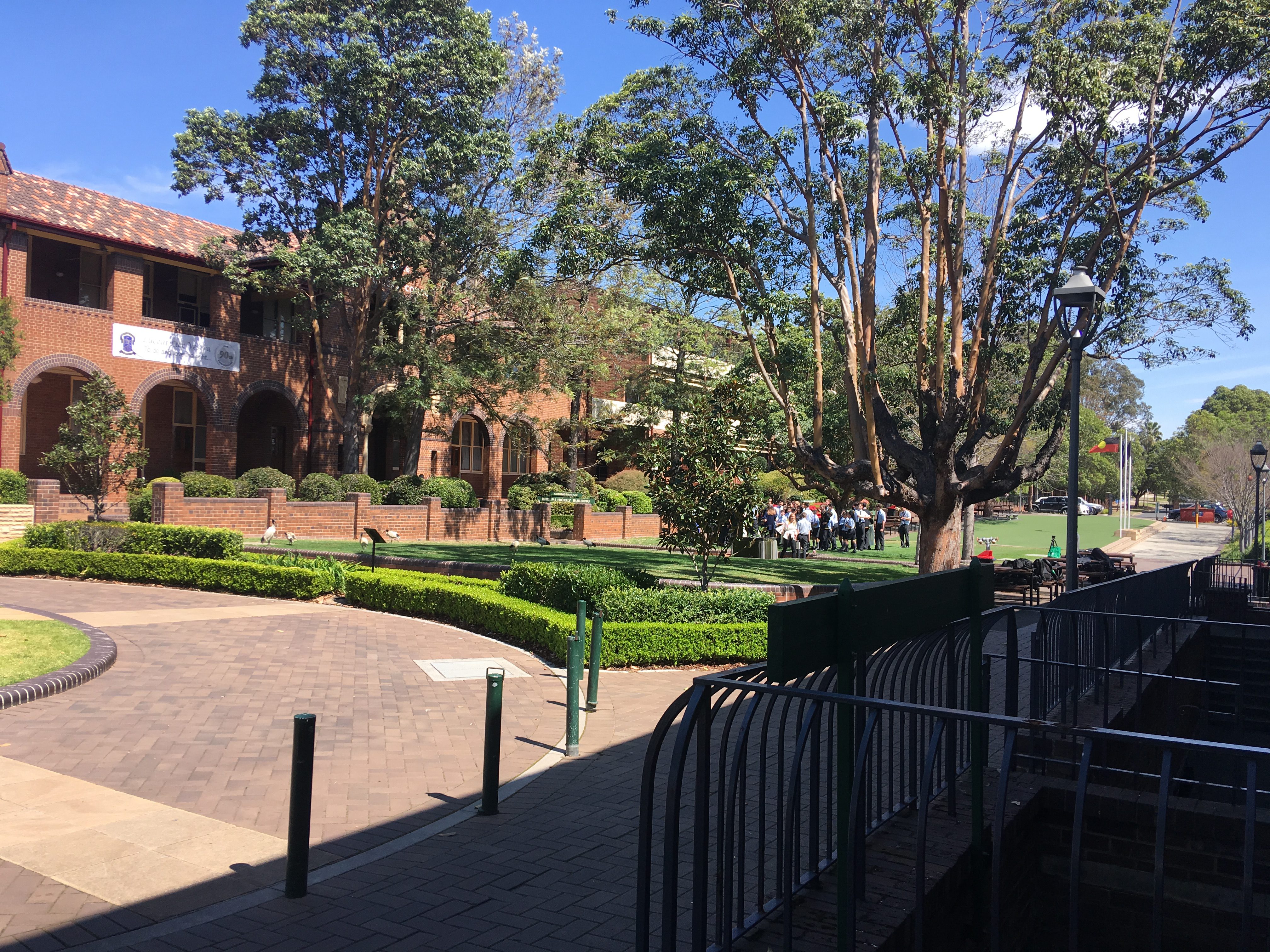
St. Pat’s has a lovely, serene campus.

“Look! What are those birds!?” I exclaimed excitedly.

It took Heidi a moment to understand what I was excited about.  “Oh those?  Those are ibises.  They’re real pests.”  Well they were exotic to me.

And that was the first two hours of the day.

Long Days

Yesterday 11 people were shot to death at a synagogue in Pittsburgh. Many people are saying that Trump is responsible because he has incited violence with his fear- and hate-mongering rhetoric.  Sure, it’s true he has encouraged it, but it may have also happened if Hillary had become President, because anti-Semitism is the sickness that never heals.

There are all sorts of “anti-isms,” from homophobia to Islamophobia to misogyny.  I may be wrong, but I believe Anti-Semitism and misogyny have been around the longest, and women aren’t killed in mass numbers because we are needed alive to work, to be used for sexual gratification, and to reproduce.

Man, that sentence was a downer.

I’ve experienced anti-Semitism firsthand, mostly the mild variety that stems from ignorance.  But I once moved out of a neighborhood six months after moving in because my son was hearing anti-Semitic comments at school and a neighbor was threatening us—waving his arms and yelling, “The only thing wrong with Hitler was he didn’t kill all you Jews!”

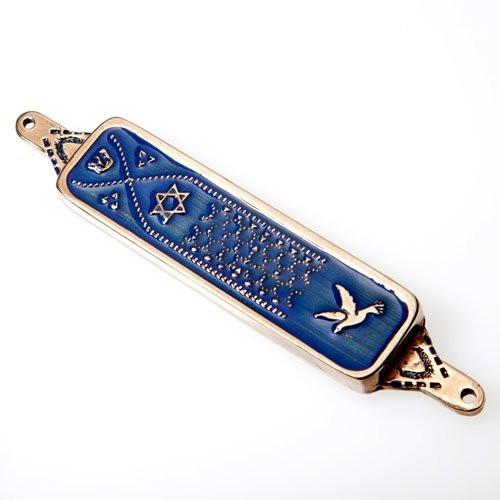
When I moved a year ago, I didn’t put up a mezuzah, which is a small case containing Torah verses. One is typically posted at each door to remind ourselves we are in a Jewish home.

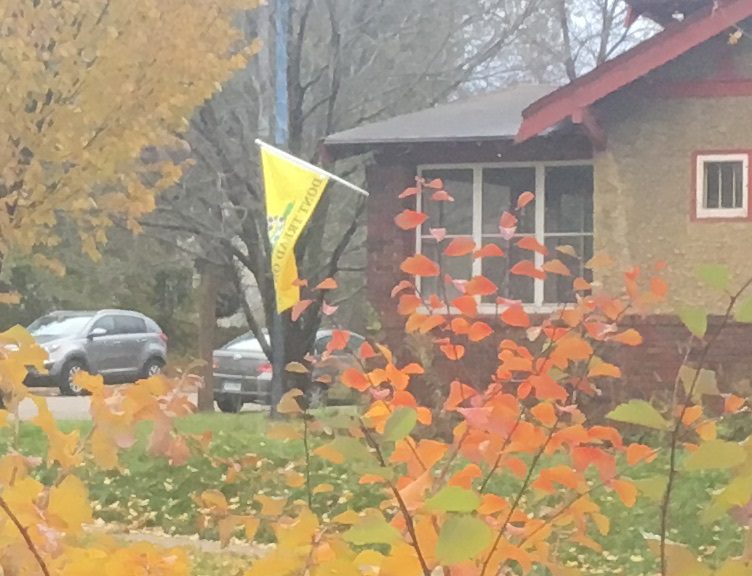
I can’t put my finger on why; I just had a feel about the neighborhood.  And then my neighbor across the street unfurled a flag that says, “Don’t Tread on Me.”

This phrase is associated with people who believe the government is planning to take away their guns, but I think it’s all part and parcel of hatred and fear.

The fact that anti-Semitism has been around as long as Judaism doesn’t mean Trump isn’t a problem.  Some will say he can’t be anti-Semitic because his son-in-law and daughter are Jewish.  I think people have an incredible ability to bend their beliefs so that people close to them are “the good kind” of Jews while all others are “the bad kind.”  And when Trump incites violence against journalists, immigrants, his opponents, women, gays, and Muslims, all the violent nut cases out there hear is “others.” As they say, “haters gonna hate.”

Should we start posting armed guards in synagogues, as Trump has suggested?  Guess what—synagogues have been doing that for decades, but there is an opening this shooter exploited.  At the synagogue I don’t go to (that’s a joke), we have off-duty police officers on the doors during the High Holidays.  Most other days, the doors are locked and you have to identify yourself and be buzzed in.  But on days when there is a celebration such as a wedding, bar mitzvah, or baby naming (as was the case in Pittsburgh), the doors are unlocked and there’s no guard.

I keep thinking of that poor baby and his parents, whose day of celebration will always be marred by this memory.

In Sydney, I walked past the Great Synagogue a couple times hoping to get a look inside, but it was locked up tight and there was no information about when it might be open.  I knew I could go on a Saturday morning during Shabbat services, but my schedule didn’t align with this so I had to make due with a look at the outside, which was impressive.

Back to my first day in Sydney. I wish everyone could travel like I do—I think exposure to different places and people would reduce the hate and fear in our world.

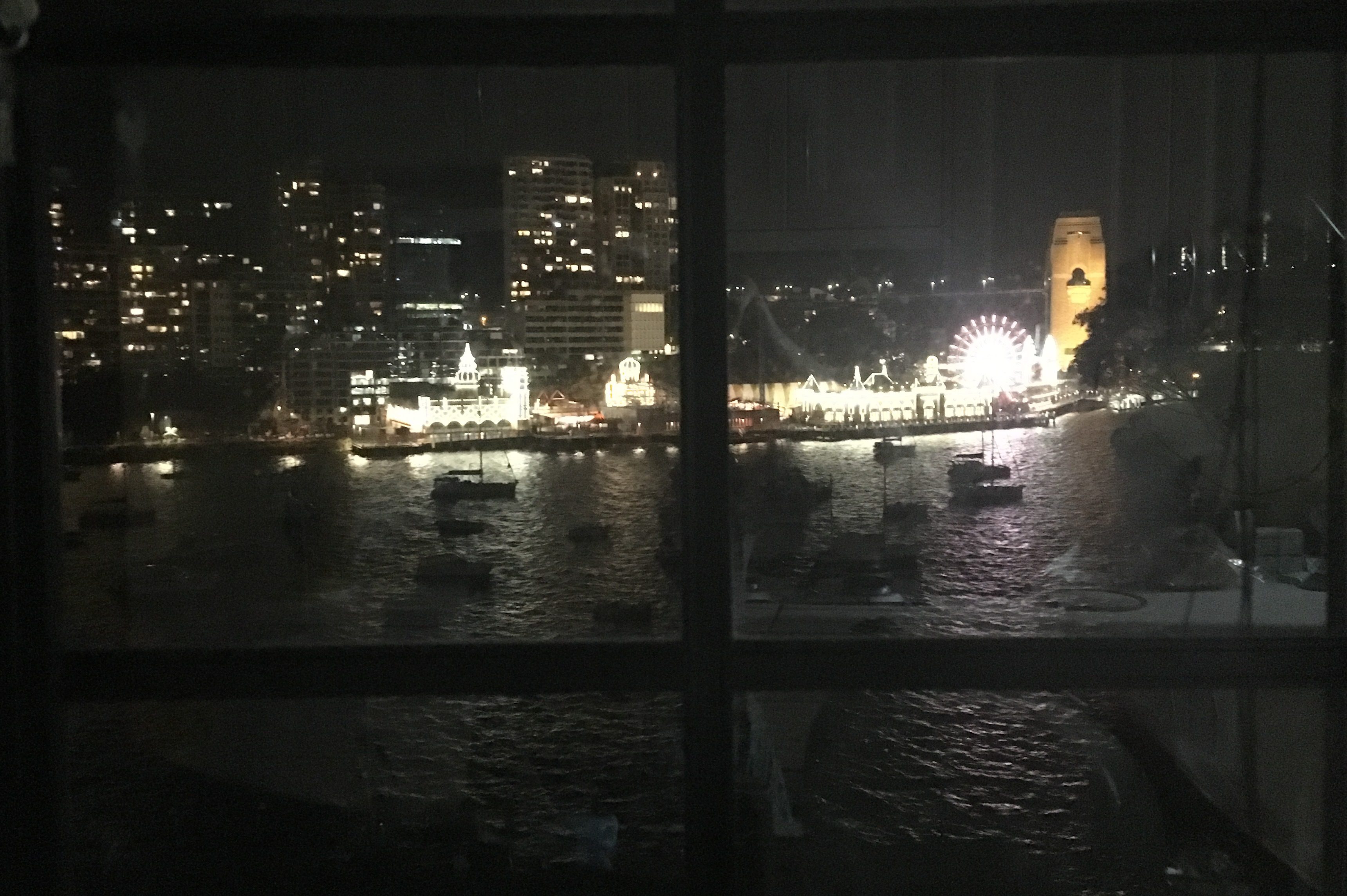
Heidi and I took the ferry, which is part of Sydney’s public transportation system, past Milson’s Point, home to Luna amusement park.

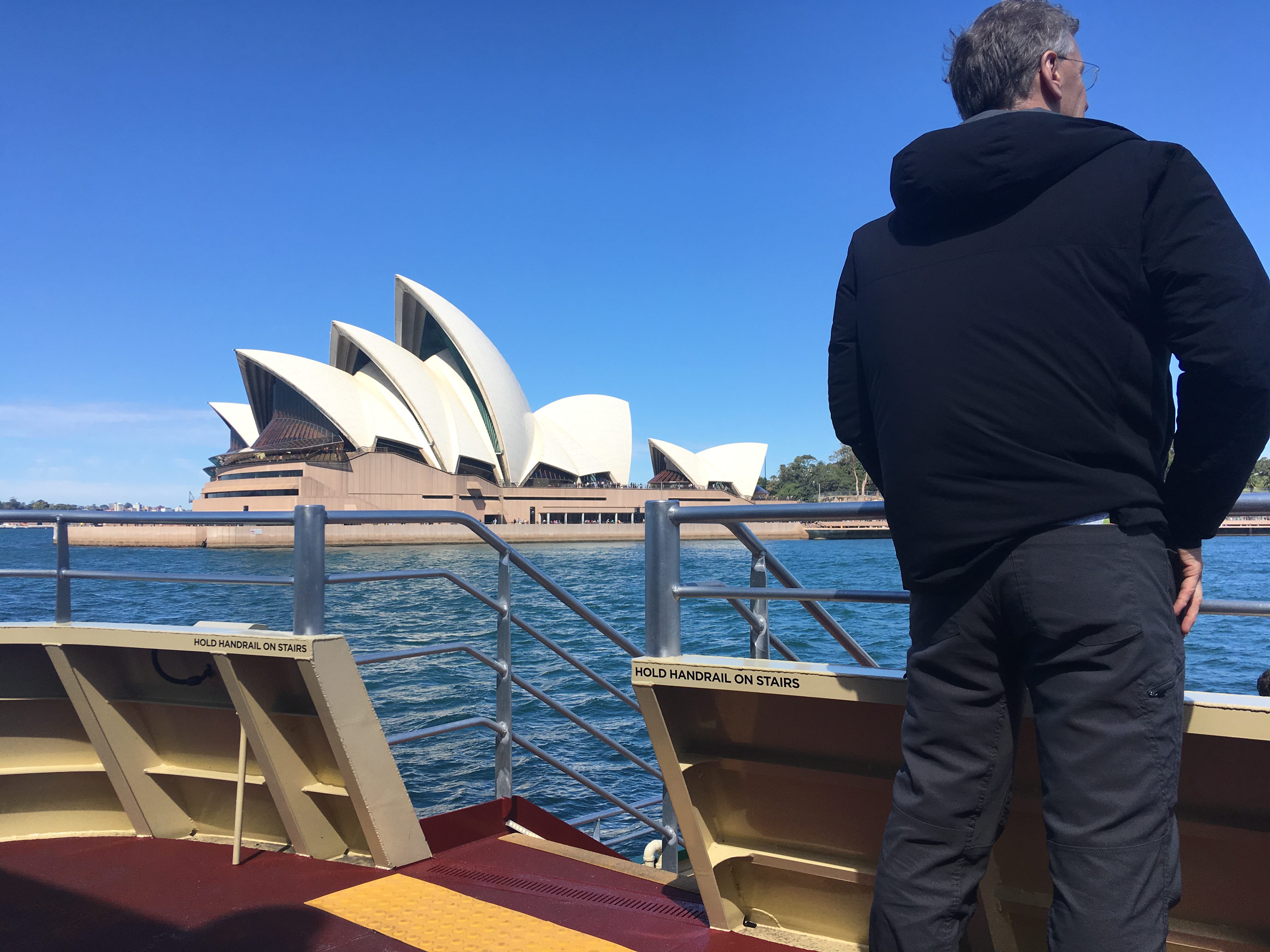
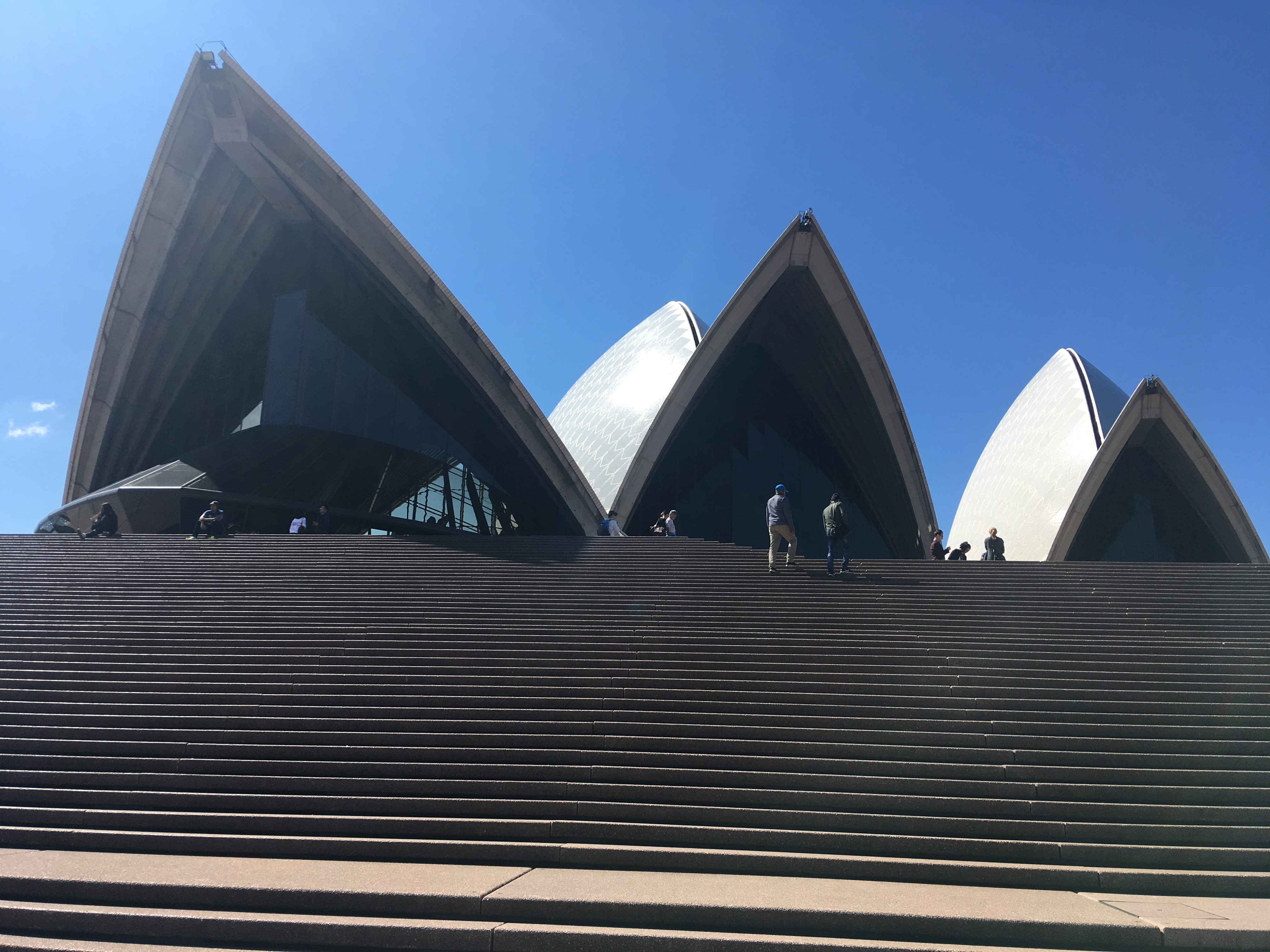
Then on to Circular Quay, the main stop close to the Opera House.

You just can’t resist taking photos of it.

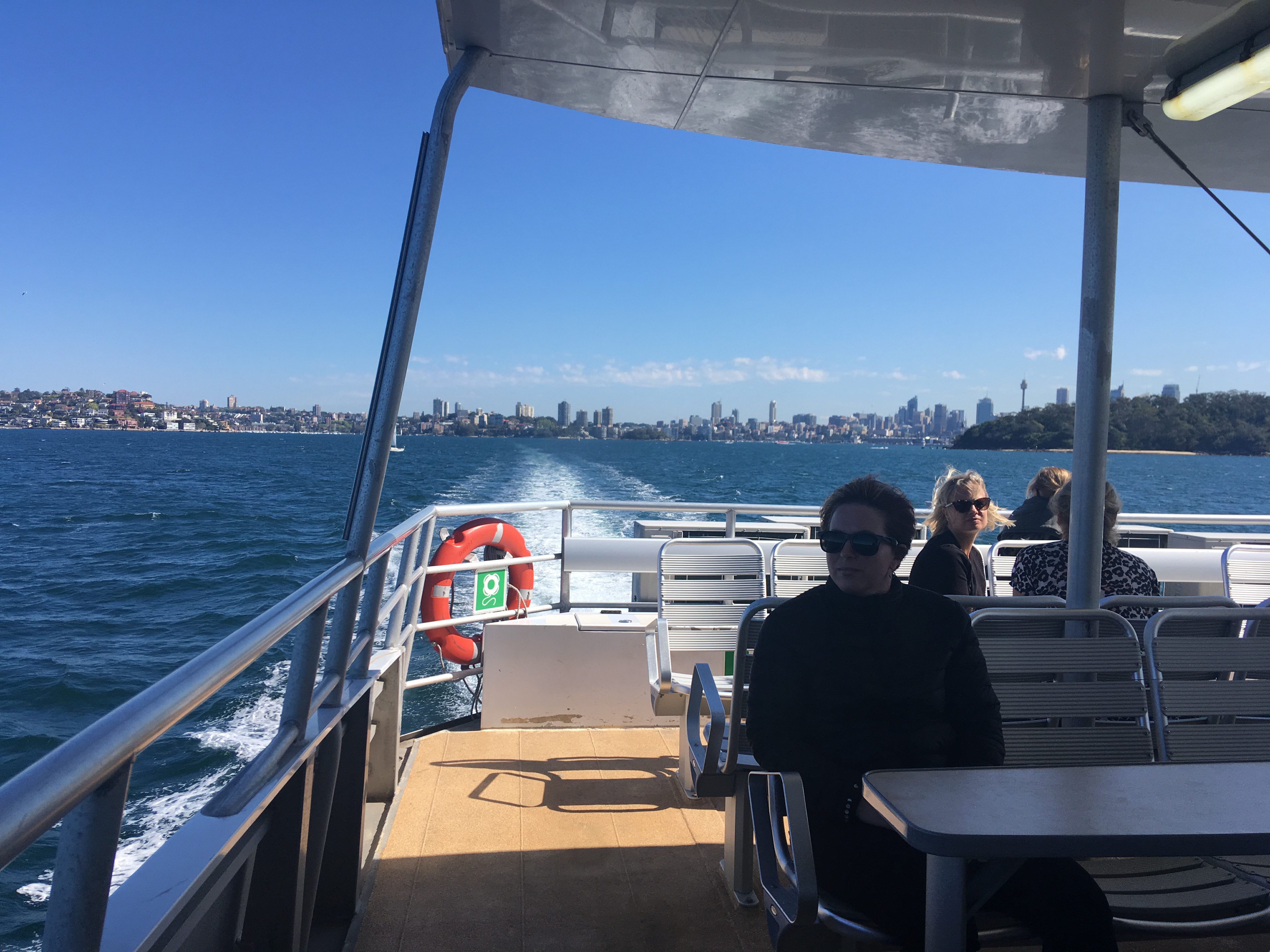
Then we headed for Manly Beach, which afforded a view of sprawling Sydney.

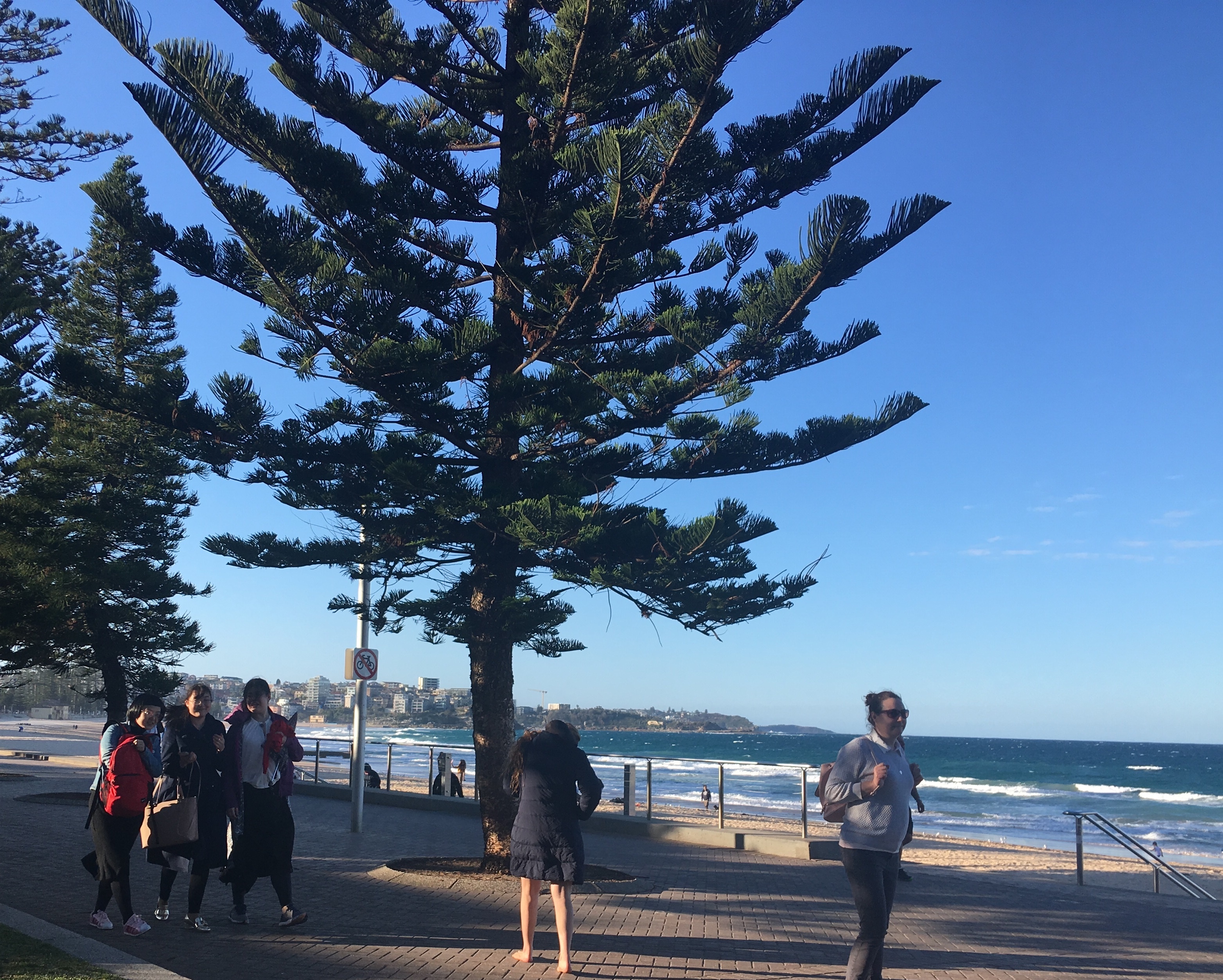
Manly was cold and windy, but beautiful, and offered my first sights of the magnificent trees one sees everywhere in Australia.

We lunched very late at the Skiff Club; this was my introduction to how great the food would be in the coming month.

Then back to the flat, as night fell.

Where I slept for 12 hours …

… then jumped out of bed ready to explore.

Tea Talk

As we had tea, Heidi asked about my flight.

“Did you declare your food?”

“Oh yes.  They make a big deal of it inflight. They even showed a video titled ‘Declare It!’ which was as exciting as it sounds.  It showed people trying to bring things in like sheep and trees.  When I told them I had ‘dried fruit and nuts for personal consumption,’ they waved me through like I was wasting their time.”

“They’ve taken things off me,” replied Heidi.  “Once they took mulled wine spices I’d bought in Austria.”

“I hope they enjoyed them,” I smirked. “I noticed there was a box on the landing card asking if you’d ever had a criminal conviction.  That’d be scary for someone who’d served time, to come all this way then see that as they were landing.”

“I don’t think they’d turn anyone away,” Heidi remarked.  “I think they just want to know.”

“And then what?” I wondered.  “There’s probably no way to find out ahead of time, so why would anyone even try to come here if they had to check that box?”

“It’s so ironic!” Heidi declared.  “We were founded on convict labor.  It’s just stupid.”

Of course my son, Vince, served time in prison for drug offenses but I had just met Auntie Margaret so I wasn’t going to get into that.  Vince had read Bill Bryson’s hilarious book, In a Sunburned Country, while inside and it gave him a hankering to go to Australia.  Vince is doing great now and even has a passport, so I hope he does go some day.

Heidi had used Auntie Margaret’s car to pick me up at the airport, and we’d gotten into a minor fender bender in the parking ramp.  We chatted about that, and traffic, and different ways to get to and from the airport.  You know, normal chit chat.

About Heidi and Auntie Margaret and the family: Margaret is Heidi’s dad’s sister.  There are eight siblings in that generation; I believe it was their parents who emigrated from Ireland.  Heidi is named Heidi because her mother, who is Austrian, came to Australia at age 12 as a refugee after World War II.

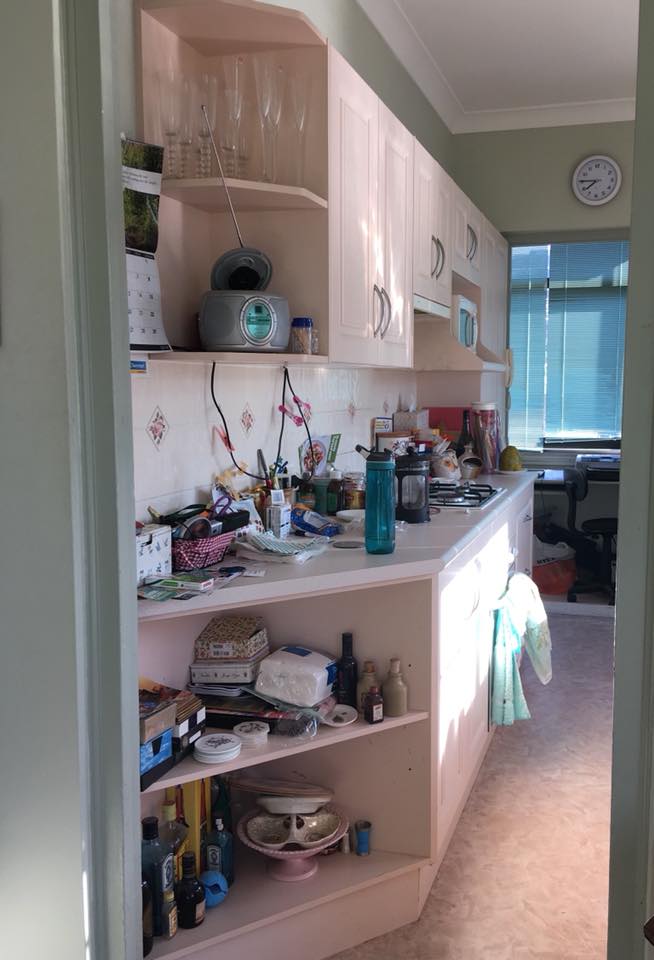
Auntie Margaret is what we used to call a “maiden aunt.”  She inherited the flat from her aunt, also a never-married lady.  Margaret had it rehabbed (or “reno’d,” as Aussies would say), decades ago and it hasn’t changed.  There are Lladro figurines, and doilies, and miniature vases with plastic flowers, and photos from a life lived for others.  Margaret, at 87, still drives to church and to St. Vinnie’s to volunteer. She would drive to her sister’s house later to make room for Heidi and me, since the flat has only one bedroom and a sofa sleeper.

I think it’s normal that as I sat there I glanced around and thought, “I’d tear out that wall, and move that wardrobe in there, and paint over that pink, and …”  Later, Heidi confirmed that everyone who steps inside the wonderful flat with the million dollar views does the same.

People often ask how Heidi and I know each other.  Because we explained it so often while I was there, we thought we would make up a laminated card illustrating the connections that brought us together.  But until I’ve got that, here goes.

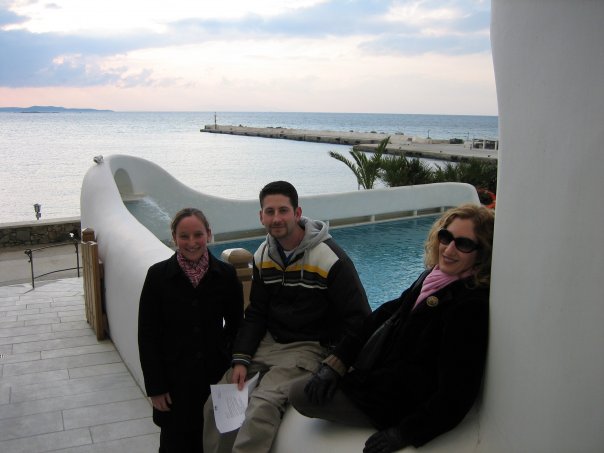
I have a friend named Chuck, who met a guy named Rob at a teachers’ conference in Minnesota.  When I moved to the UK 12 years ago, Chuck told me Rob was now in the UK too, so we met up.  Five minutes after we met, Rob asked if I wanted to go to Greece with a group of people over Valentine’s Day. It was cheap to go in winter.  This is why you live “over there”—so you can travel everywhere.  I showed up at Gatwick airport and there was Rob with two Aussies, Melissa and Heidi.  Whoo boy, that was a fun trip. Here we are clowning around.

I house sat for Rob last summer in Windsor/Eton.  Heidi and I have met up in Berlin, Provence, Ireland, and in London a couple times.  She came to Minnesota. Now it was my turn to see her country.

Broken, now Free

I thought it might be difficult to not write. After nearly 600 posts since September 2014—and many streaks of every-other-day posts, I pledged to (mostly) take the summer off from writing.

And it’s been great.  I have no problem sleeping in instead of leaping out of bed at 5:30am to knock out 700 words.

But yesterday was a big milestone, something worth writing about.  The reason I ever started this blog in the first place—my son going to prison—is gone.  Yesterday, after spending half his time in prison and half on supervised release, my son’s sentence is over. Over!  He wrote a post about it on his own blog, if you’d like to read it.  I liked this line:

“I am free to roam about the country or world as I please. I am free to register to vote, and I will. I am free to drink alcohol, and I won’t. I am still not allowed to own a gun, and I don’t care.”

For me, the low point was the day I was ejected from Moose Lake prison without seeing Vince because I was wearing a “low-cut shirt.”  Then I went off to the Middle East for work, where I got to hear stories of people being tortured in prison.  When I came home, there was a letter waiting for me, informing me I was banned from stepping foot on any correctional facility property in Minnesota for six months.

Corrections employees have nearly complete discretion, and impunity, to do whatever they want.  And so they do whatever they want.

I feel like I am walking out into the sunlight after several years under a cloud. I transitioned the blog to writing mostly about travel a while back, but I’ll still write about prison once in a while because … there are still 10s of thousands of people in prisons. I don’t just care about my son; I care about my whole community, my state, my country.

Sigh, my poor country.  What a mess we are.  It’s like a nightmare where we are all living on the Jerry Springer Show.

I had never given a thought to prison, prisoners, or people whose loved ones are in prison.  Why would I?  Prisons are far away.  You can’t go inside them without permission. Only bad people are in them, so why would you want to go inside, anyway?  And if a single mom is on her own because her man is in prison, then she and her kids are probably better off, right?

Boy, has it been an eye opener. There are some bad people in prison, for sure.  But mostly they’re regular people who messed up.  Have you ever messed up?  Of course you have.  You just didn’t do something illegal, or you didn’t get caught.

I am grateful to my son for doing the hard work it took to change his life. He had been under arrest before.  He had been homeless.  I suspected he would die early due to liver failure or a car accident or a drug deal gone wrong.

Ironically, it was prison that set him free.  He always says he needed to go to prison. So for all my idealistic fellow campaigners on prison reform, keep that in mind when you propose repurposing prisons into artists’ retreats or organic garden centers.

I have made little progress planning for Australia, except to decide that I will limit myself to Australia and not attempt to also visit New Zealand, Fiji, Borneo, or Papua New Guinea.

Heidi and I spoke for over an hour yesterday on What’s App, and we agreed it’s crunch time.  Time to figure out how we’ll get from Sydney to Melbourne, time to book flights to Tasmania and maybe a train ride to Alice Springs.  Time to book accommodations in the Red Centre.   The pressure is on.

And yet it is summer, and it’s Sunday.  I think I’ll go sit in the garden and read the paper.

The Big Bad

Today is the first day of a nine-day staycation for me. I have never taken a staycation, but I need one.  I need time to plan my sojourn in Oceania, time to enjoy solstice season while it lasts, and time to take a look at my finances to see if I can afford to move to another country.

More about that in a bit.

I had an epiphany this week.  As you know if you’ve been reading for a while, I have visited many of the world’s ancient sites.  Tikal, Petra, Machu Picchu, Stonehenge, Delphi, etc.  I have sometimes come away feeling a comforting sense of connection to all of humanity.  Deep, huh?

More often, I’ve come away thinking, “Whoever built this magnificent site is long dead, and no one knows his name.”  In some cases I may have been able to learn a name if I had dug hard enough or if there was a plaque, but I’d forget it 10 minutes later.

I used to find that sort of sad.  The lesson?  Nothing we do matters in the long run.

But this week I suddenly found it comforting.

In a thousand years, Donald Trump will be a footnote, if not forgotten. Sure, maybe there will be millions of references to him in ancient news articles on servers somewhere, but only students of the classics will be interested.

Maybe he will even become a mythical beast.  Long into the future, a mather (because by then genders will have merged) will be reading a book … no.  Someday, a mather and its child will be immersed in a virtual reality bedtime story thanks to nanoparticle thin films, and little Apple (because old fashioned names will have come back into style by then) will squeal, “Mather, please can we be in the story about the Trump?!”

“Are you sure you won’t get too frightened again?” Mather will ask.

“Yes, I’m sure!”

“Which scenario do you want—The Trump Goes a’Doddering, or Trump and the Seven Dictators, or …”

“The one with the Space Force!” cries Apple.

“The one where we can strap him to a rocket and shoot him to the moon?”
“Yes! Yes! That one!”

“Okay, but remember, dear—it’s just a story. It’s not real.”

If only it weren’t. This regime is causing a lot of human suffering but in the long run, it will be consigned to “the dustbin of history” like others before it.

So in addition to planning a long trip to Australia, I’ve been researching ways to live outside the US.  A book called “Getting Out” has been really helpful.  It was published in 2012 so it’s somewhat dated, but it’s giving me lots of food for thought and helping me narrow down my choices.

I got this in the mail this week.

Europe?  How about America?  And being Jewish eliminates a half dozen of the 60 countries profiled in the book.  Caring about human rights, not being rich, being environmentally conscious, wanting access to health care, being able to get back to Minnesota within 24 hours, etc. all are helping me narrow it down.

I have two routes to acquire long-term visas:

  • Many countries have retirement visas. You don’t necessarily have to be anywhere near retirement age; you have to show that you meet some minimum threshold of income. The idea is, you won’t be taking a job away from a local resident and you’ll be spending money in the country on rent, food, etc.  The cost of living is multiples lower than that in the US.
  • Working remotely. As I did last summer in Britain, I can continue to work and be paid by my US employer if they allow it. Again, I wouldn’t be taking a local job and I’d be spending money locally.  The rules about this are much murkier, maybe because working remotely is still a new concept to rusty bureaucracies.

Frommer’s “easy” guide to Australia is 317 pages long.  I haven’t made much progress except I did start swimming lessons so I can get scuba certified.  Heidi has warned me however, about “stinger season near the reef and crocodile season in the centre.”

At least there won’t be any Trumps.

Going Down

I’m going to reduce my blogging for the summer to one post a week.  It’s summer in Minnesota, which is very sweet, and very fleeting.

In addition, I’ve just got permission to work remotely again, like I did in the UK last year, and I need planning time.

My friend Heidi, who I met in London in 2007, is now back in Australia caring for her parents.  What a great opportunity to spend time with her in her home environment and see Australia through her eyes.  She lived in London for almost two decades and traveled extensively around Europe and North America, so she’s got perspective, too.

As long as I am going all that way, it seemed logical to try to stay a while, to wander around Australia, New Zealand, maybe Papua New Guinea, Fiji, Tonga …

I’ve been mostly stockpiling my vacation time since last summer.  It’s easier not to use it because I work 90% time, which works out to two unpaid days off per month.  When I went to Colombia I only had to use three vacation days.

Now that our busy proposal season is winding down at work, I’ve reduced my hours to 80%. One of the benefits of working for a non-profit is that they’re always looking for ways to save money.  Allowing an employee to work less—someone they know is responsible and will still get her work done within reduced hours—is a win-win.

So I’ll be gone seven weeks, working one day a week on average to keep on top of things, to keep things moving that need my attention.

As I’ve written before, I can only afford to do this because I have no debt and I live cheaply.  This wasn’t always true—until about 10 years ago I had student loans, a car loan, a mortgage payment, and a credit card balance.  If there’s one thing to prioritize in your financial life, it’s paying off as much debt as possible.  It may seem insurmountable at the beginning; it did to me.  It took years.  It requires sacrifices.  But it can be done.  And what a feeling of liberation.

I’d like to claim I paid off my mortgage.  I didn’t.  I sold my condo, I pay rent now, and that will never go away.  But I am lucky to have found a nice place with very reasonable rent. It’s not in a premium location.  The commute sucks. I don’t have off street parking.  But hey, I just bought a round-trip ticket to Sydney!

Still, Australia is expensive and Oceania is vast. The Australia guide book I got from the library is two inches thick.  I need time this summer to plan ahead, string out purchases of bus or train fares, airfares, lodging, and tours.  Heidi and I spent an hour workshopping on What’s App last weekend.  She’ll have a two-week break from teaching, and we’ll go to Melbourne to visit some other London friends who teach at an Aboriginal Girls’ School.

What should I do in the remaining five weeks?

My head is swirling.  Should I rent a car?  I have a phobia of driving on the other side of the road.  The guide says trains are expensive. But Heidi says they’re not any more expensive than in the UK.  A co-worker advised that New Zealand deserves at least two weeks, and that’s just the south island.  I have a Kiwi friend who lives in France and she’s putting me in touch with her brother who lives in Nelson and might put me up.  A Minnesota friend, has a cousin who runs a resort on Tonga.  Should I go there?

I’ve spent hours trolling Responsible Travel’s website.  They’ve got a budget vacation where you can swim with humpback whales in Tonga.  Dang.  I don’t know how to swim.  I spend a week day dreaming about taking a freighter around French Polynesia.  Oops, it’s 6,000 miles from Sydney to Tahiti, where that trip starts.  Maybe a yoga retreat in Fiji?  But all the photos show women who look like Athleta models.

I was glad to see that Responsible Travel offers plastic-free holidays.

If you have suggestions, please share!

Goodbye Summer, Hello Spring

My last night in Scotland.  We watched University Challenge, a game show that’s been on the air for eons.  In it, teams of four students from two universities answer questions about chemistry, literature, philosophy, physics, geography, and so on.  It was interesting to me how many students representing British universities were from China, the US, and other countries. I guess it would be the same in the US—half the team members would be from India, Korea, and China.

The presenter read a question: “Ulanbaataar’s famous Sükhbaatar Square features monuments to Genghis Khan, Ögedei Khan, and Kublai Khan in front of the Saaral Ordon. The center of the square features an equestrian statue of what famous leader of Mongolia’s 1921 revolution?”

The kids would huddle, then their representative hit a bell.  “Damdin Sükhbaatar!”

“That is correct!”

I got one question correct in the month I was there, and I was proud of myself.

The next morning at breakfast, Lynn was very quiet.  When she left the room, Richard informed me they had made the decision to have the vet come and help dear old Cosmo make his exit from this world. “So say your good byes now.”

I did, then we were off to the airport. It turned out they changed their minds about the vet, and Cosmo lived another month or so.

I flew to Heathrow and spent one night in a hotel nearby.  My plan had been to go into London one last time before flying out but there wasn’t really enough time.  So I had a horrid curry that tasted and looked like cream of mushroom soup in the hotel restaurant, then went to be early.

My summer: Minneapolis to London, London to Copenhagen, Copenhagen to Amsterdam then Utrecht, Utrecht to Salzburg by train, Salzburg to Frankfurt, Frankfurt to Addis Ababa, Addis to Axum, Axum to Lalibela, Lalibela to Axum, Axum to Shire by truck and on to the refusee camps and back to Shire and then Axum to Addis, Addis to London, a road trip across Cornwall, Dorset, and Devon; a month in Eton and Windsor, London to Aberdeen, a month in Aberdeenshire, Aberdeen to London, London to MSP.

In the six months since returning to Minnesota: I moved, my mom had a stroke, I helped move her, my son moved.  I enjoyed Wisconsin adventures to Milwaukee, Madison, St. Croix Falls, and Garmisch; and I made a jaunt to Washington, DC for work.

Neither of my big proposals got funded but I’ve cranked out at least six more so I am hopeful.  As I write this I am checking my work email for last minute changes before I submit a proposal for our program in Ethiopia.  It really made a difference in preparing it, having visited in person.

I would love to submit it now, because in two hours I will leave for the airport to fly to Colombia for a week of R&R.  I’m flying the first leg to Miami with my friend Roxana.  From there, I will fly to Bogota and she will head for Medellin, where her daughter Gaby is in grad school.  Rox’s friend Ricardo is coming to join her from Lima, Peru. I’ve met him before; he’s good fun.

I will meet a familiar face in Bogota—Lynn. After a couple days there we’ll fly to Medellin, where we’ll meet Roxana and crew.  That will be fun.  We’ll also fly to Cartegena and spend a couple nights in Tayrona, a national park on the coast.

We’re trying something a new—a sort of guided tour for two.  There will be someone to pick us up at the airport and take us to our hotel.  We’ll have guided tours.  All our hotels and internal flights are arranged for us.  But instead of being with a big group, it’ll just be us.

I know, it probably sounds complicated.  But I’ll just put one foot in front of the other, do the next thing required thing, and try to unwind after six months of moving and family crises and winter.

Lost and Lonach

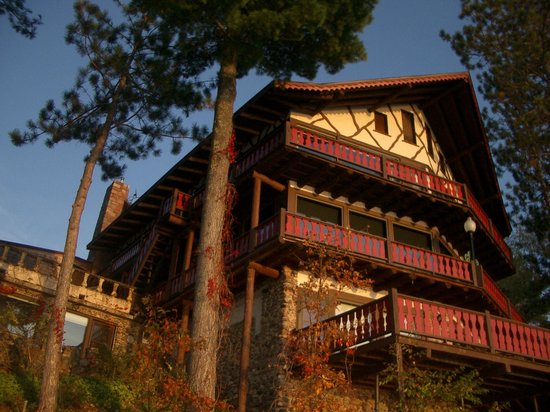
Three days left in Scotland, then home to Minnesota to sleep in my own bed for one night. The next day I would drive to northern Wisconsin to a resort called Garmisch USA that some heiress from Chicago had built to resemble the German town of Garmisch, with an “Irish Castle” thrown in.

The giant carved androgynous figure at the entrance?  It’s anyone’s guess what that’s about.

This would be the annual cousins’ weekend in a big cabin on a lake, sponsored by my aunt.  I so look forward to it every year.  We would eat, read, make bonfires, take the boat out and fish, eat, play Scrabble, talk, hike, eat, and not sleep much.  It would feel surreal, being in Scotland one day and at this resort two days later.

But first I had to push myself to finish the attic, my second proposal, and the book by my new favorite author, Kazuo Ishiguro. How had I never read him?  Lynn and Richard had two or three of his novels in their library, and I started with the most famous, The Remains of the Day.  I am a big reader, and I found Ishiguro’s character, the butler Stevens, one of the most movingly described characters I’ve ever read described.  I bought two more of Ishiguro’s books at Heathrow and as I was plowing through them at home, Ishiguro was awarded the Nobel Prize for literature.  I felt like a genius.

There were a few more excursions to fit in.  We took Lord Parker and drove around, first stopping at a ruined church.

There was a sad plaque in honor of a 15-year-old soldier killed in WWI.

We visited a Pictish tel.  A tel is a hill composed of layers of settlements.  I had only ever heard tell of tels (ha ha) in Israel, where you have the Romans building on top of the Arameans, who had conquered and built on top of the Whosiwhatsits, and on and on.  Don’t bother looking up “Whosiwhatsits,” I just made that up.

Nearby was this road sign.  I’m fairly certain I am not the first person to have my photo taken in front of it.

“It has to be done,” Lynn commented.

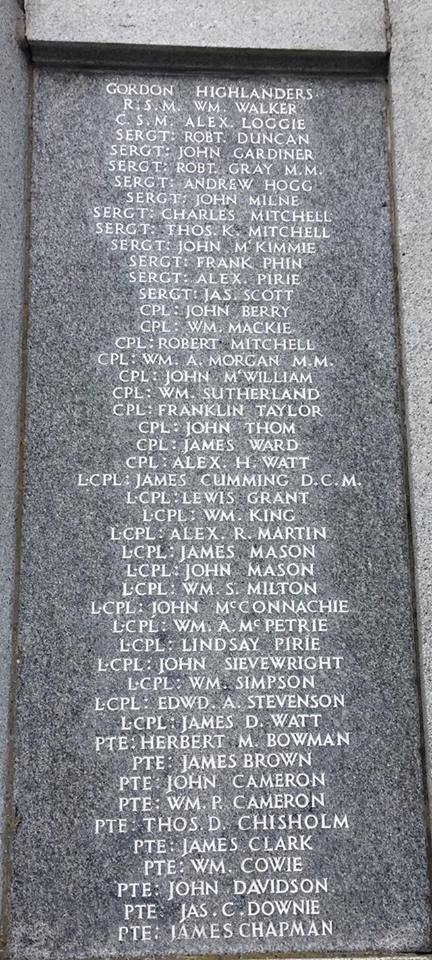
There was yet another war memorial plaque, to the Gordon Highlanders, nearby.  In the US, it seems you have to go to Washington, DC or a state capitol to see war memorials.  They  are ubiquitous in Britain—in parks, street corners, and department stores.  I prefer the British approach.  We should be reminded about the cost of war all the time, everywhere we go.

The following day Richard dropped me off in town to get a haircut at Cassie’s salon. My stylist had extremely short, brassy red, spiked hair.

“I’ll just have a trim,” I stated unequivocally.  She went to work and talked away but I could only understand about half of it.

Another customer was seated in the chair next to me and when I heard her Spanish accent I asked, “Are you Maria?”  And it was Maria, the Peruvian wife of Lynn and Richard’s friend Nigel.  They had met when he was working on an oil company project in Peru.  We chatted, then Nigel came in with their nine-month-old son, and Nigel and I chatted.

The hair cut was good and it only cost £9—about $12!

The next day Richard and I went to the Lonach Games. There are Highland games all over Scotland, but I’d like to believe that the Lonach Games were the best.  They’ve been an annual event for 175 years and are a source of much local pride.  The men start early in the day and march in clans, playing the bagpipes and drums, from one town to another for hours, stopping for “wee drams” along the way.  Their grand entrance onto the grounds in the early afternoon is a highlight of the games.

There was lots of piping, dancing, and competitive throwing of very heavy objects over very high bars. Richard and I had a pint and people watched.

This couple looked like movie extras.  “Probably American or Canadian tourists,” Richard remarked.