Tag Archives: Eritrea

Happy to Be Here

I’ve written about the rats, dust, diesel fumes, noise, and mosquitoes here in Ethiopia.

Now for the good things.  It is so great to be here.  With others I’ve been trying to raise funds for our Ethiopia program for about three years, and I am finally seeing first-hand what happens here.  It’s easy to get a bit cynical when you’re sitting at HQ.  This has swept my cynicism away.

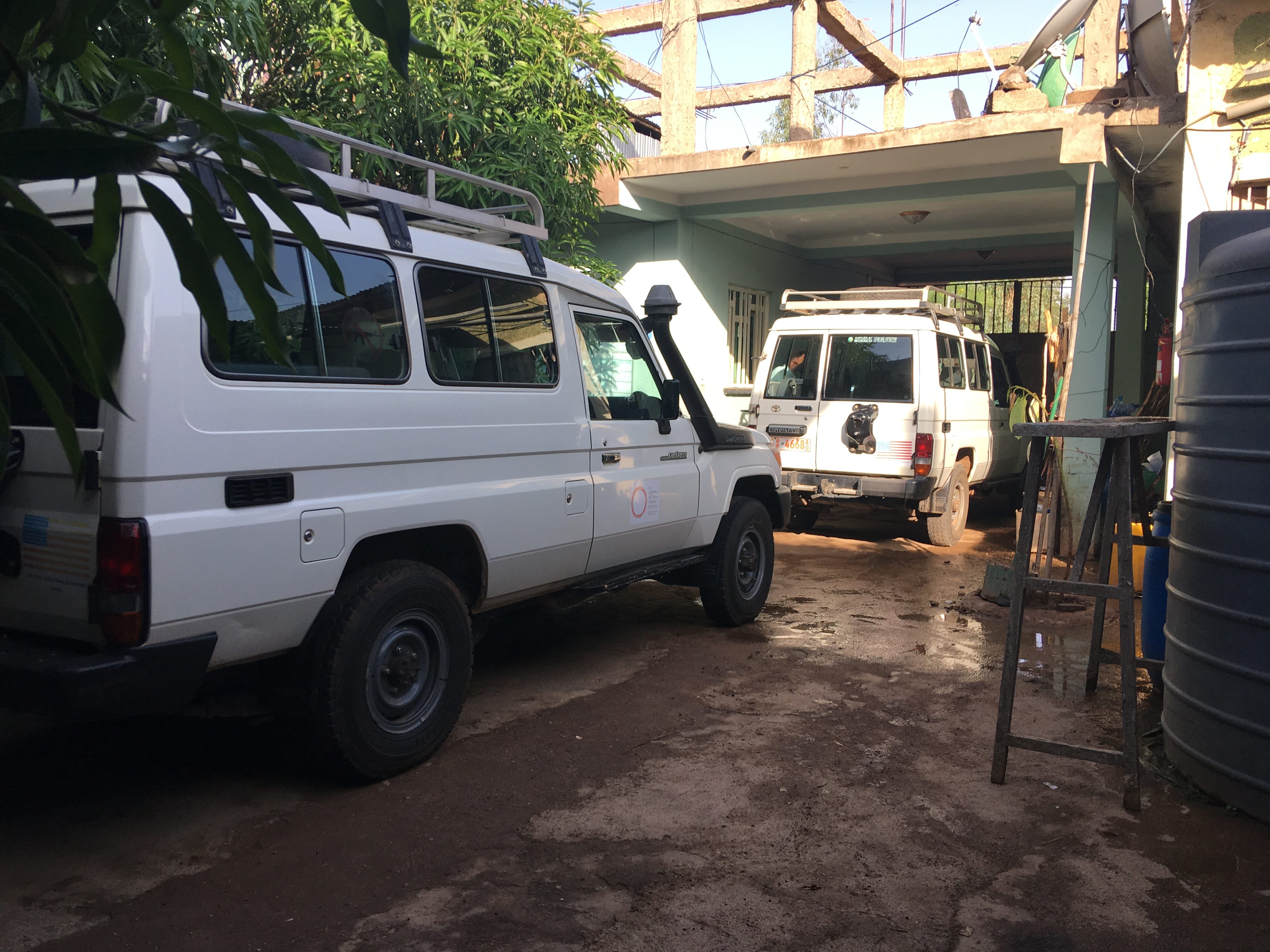
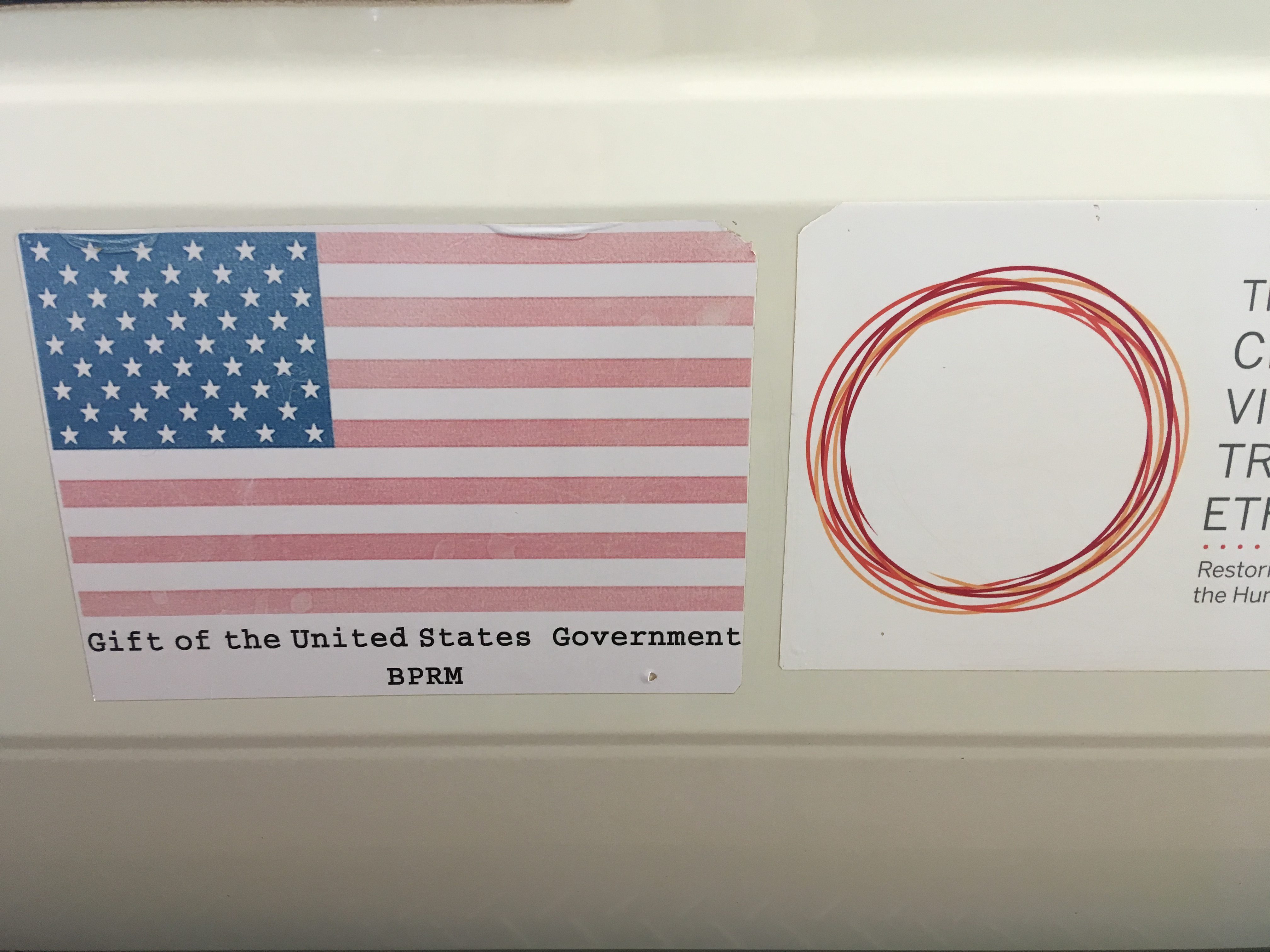
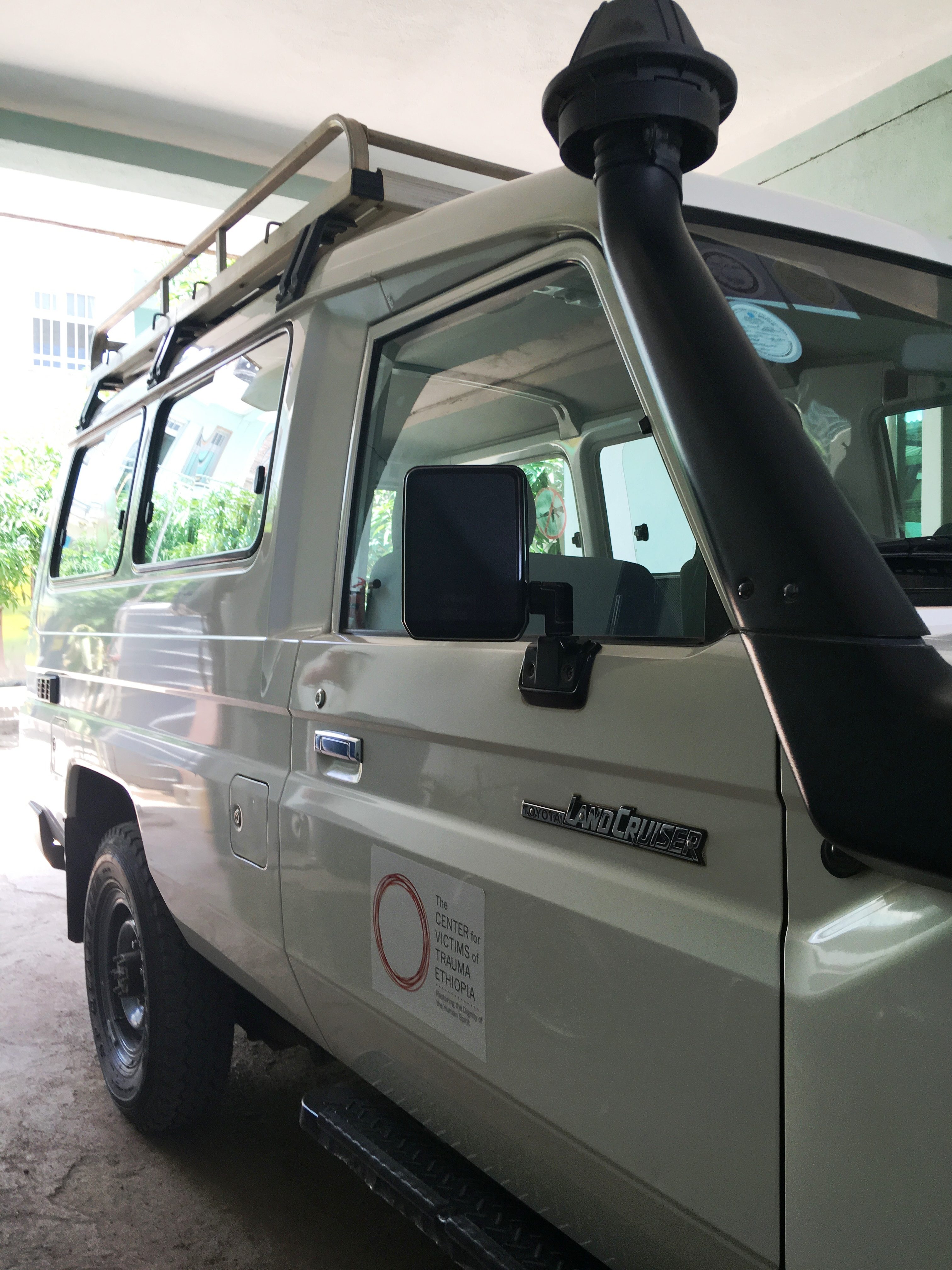
It took a lot to get here.  I took an overnight flight from Frankfurt to Addis Ababa, the capital.  An hour later I flew north to Axum, and from there it was a one-hour drive to Shire, where CVT has an office.  I flew to Lalibela for some weekend R&R and I’ll write about that later.  On Monday morning, back in Shire, everyone piled into one of the ubiquitous white NGO trucks plastered with our logo and donor recognition—in our case, the US flag with the note, “Gift of the United States Government PRM” (Bureau of Population, Refugees, and Migration).
Our destination was Mai Tsebri, home of my dearly departed rat (I hope).  In Mai Tsebri, CVT has a walled compound. The trucks back in through the gate into a courtyard with a dirt floor planted with mango trees and a water cistern as big as a Humvee.  Two floors of rooms ring it—a kitchen, canteen, training room, staff quarters, HR, logistics, and the oh-so important generator shed.

Each morning the staff pile into the trucks for the drive to the refugee camps, which is about a half hour.  It’s spectacular countryside, along twisting roads through the mountains.  I had heard that the ride makes people sick, so I was relieved it didn’t happen to me.

So after eight flights in 13 days and five long, dusty drives, I was in one of the camps where we work.

And it’s great.  I am so happy to meet the staff whose names I’ve entered into online forms.

There’s a lot to write about, but for now I’ll describe the camp and the mornings’ activity.

There’s a small Ethiopian settlement called Adi Harush.  The ground is red, rocky, uneven, and dusty.  The houses are built of square cement bricks and are maybe 15 by 12 feet.  Each has a tin roof, a door, and windows on two sides.  The houses are in pretty rough shape.

Then you cross some invisible line and you’re in a refugee camp.  The houses are the same but they’re brand new, neat and tidy.  The people are the same ethnic group, but they’re Eritrean, not Ethiopian, and they speak Tigrinya instead of Amharic.

There are communal latrines (below) and water spigots, schools, an amphitheater where boys were playing basketball, a women’s center (below) where the ladies can get their hair done, watch TV, and discuss Gender Based Violence.
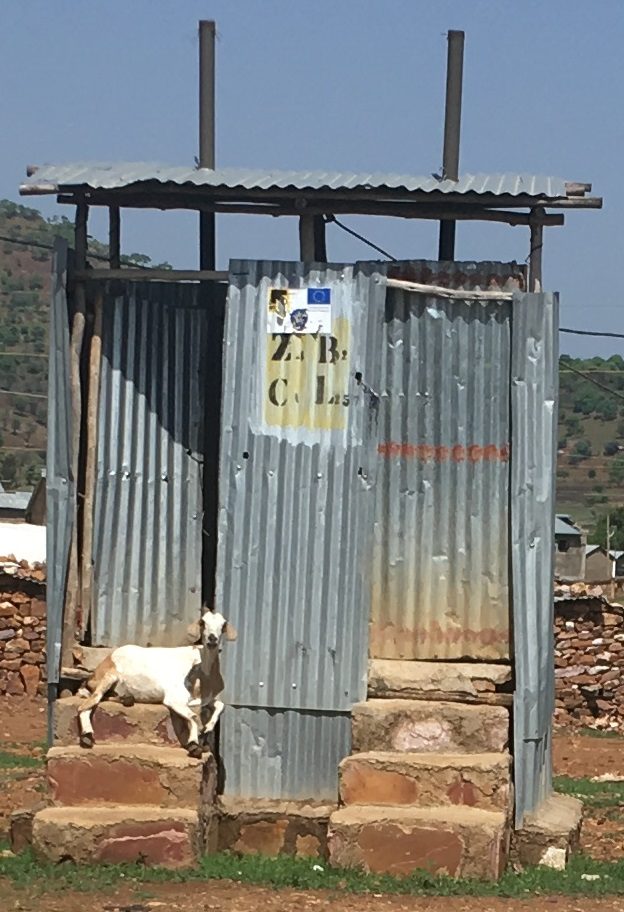
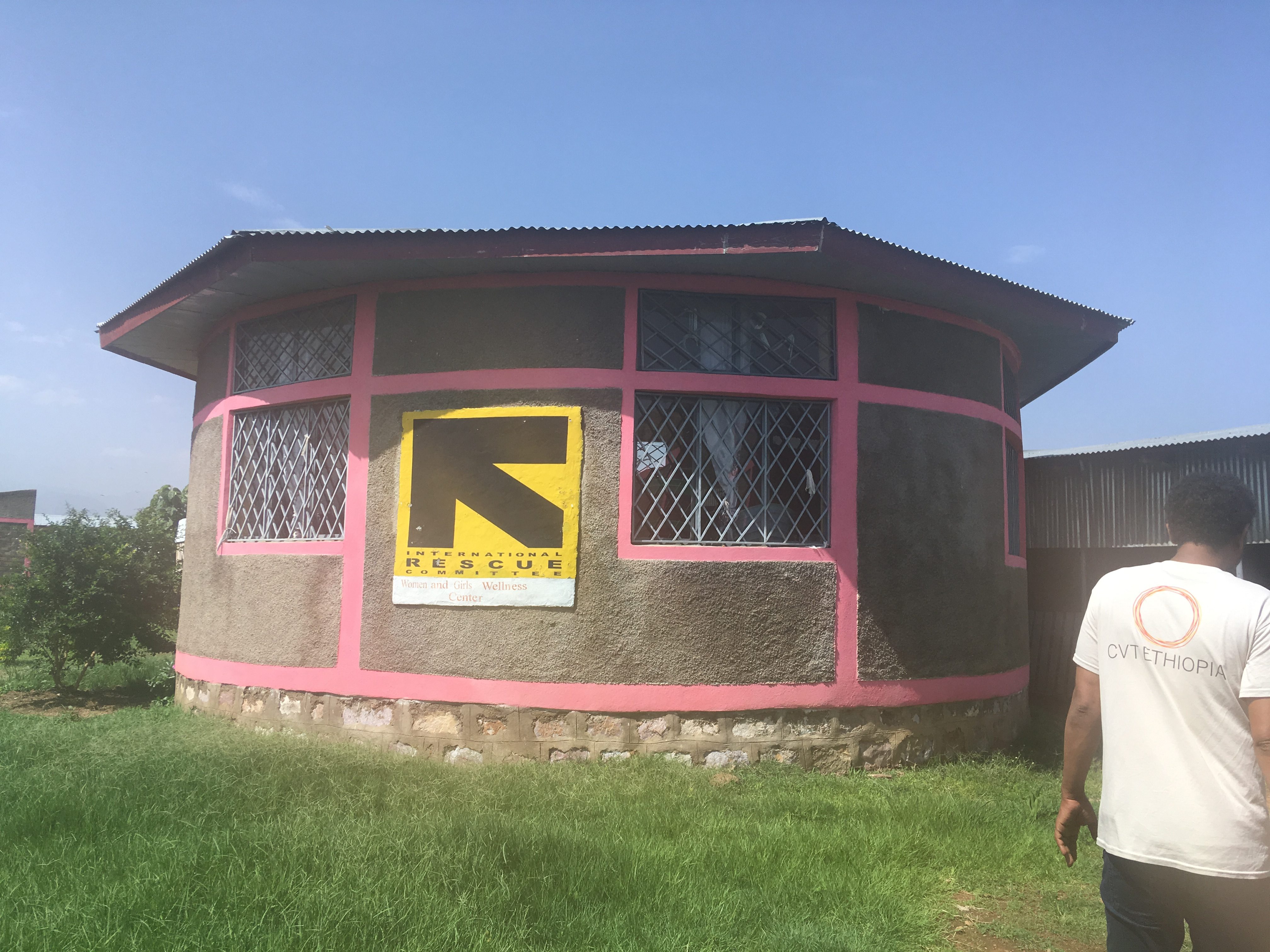
There’s no barbed wire fence or armed guard to keep anyone in, and that’s a problem, as you’ll learn.

Three CVT staff found a spot of shade against a house and a group of people began to assemble.  One staffer set down two stools about eight inches high, gestured for me to sit down, and sat next to me.  The other two employees began to present information on trauma and torture to about 30 men, women, and children while my stool mate interpreted for me.  We call this a sensitization—to help people understand that if they’re depressed, anxious or not sleeping, that’s normal given what they’ve been through, and CVT can help.

Almost everyone in the camp is separated from his or her family.  Some were forced into never-ending military service, kept in underground prisons, or trafficked.  There are lots of children on their own, and there are waves of suicide among them.

I had the interpreter seriously repeating everything into my ear, while two tiny boys stood directly in front of me making funny faces.  One had no pants on.  Did I laugh at them and risk looking insensitive to the crowd, or remain serious and miss the joy of flirting with small children?  I think I did all of the above.
Night of the Rat

Greetings from Mai Tsebri, Ethiopia, 25 miles from the Eritrean border—although it’s hard to know because this town isn’t on Google Maps.  I’ve been in Ethiopia for a week now, and I’m ready to get out of here.

Mainly because of the rat.

I am staying at the Center for Victims of Trauma office here (we are the Center for Victims of Torture everywhere else but for political reasons we had to tone down the name here).

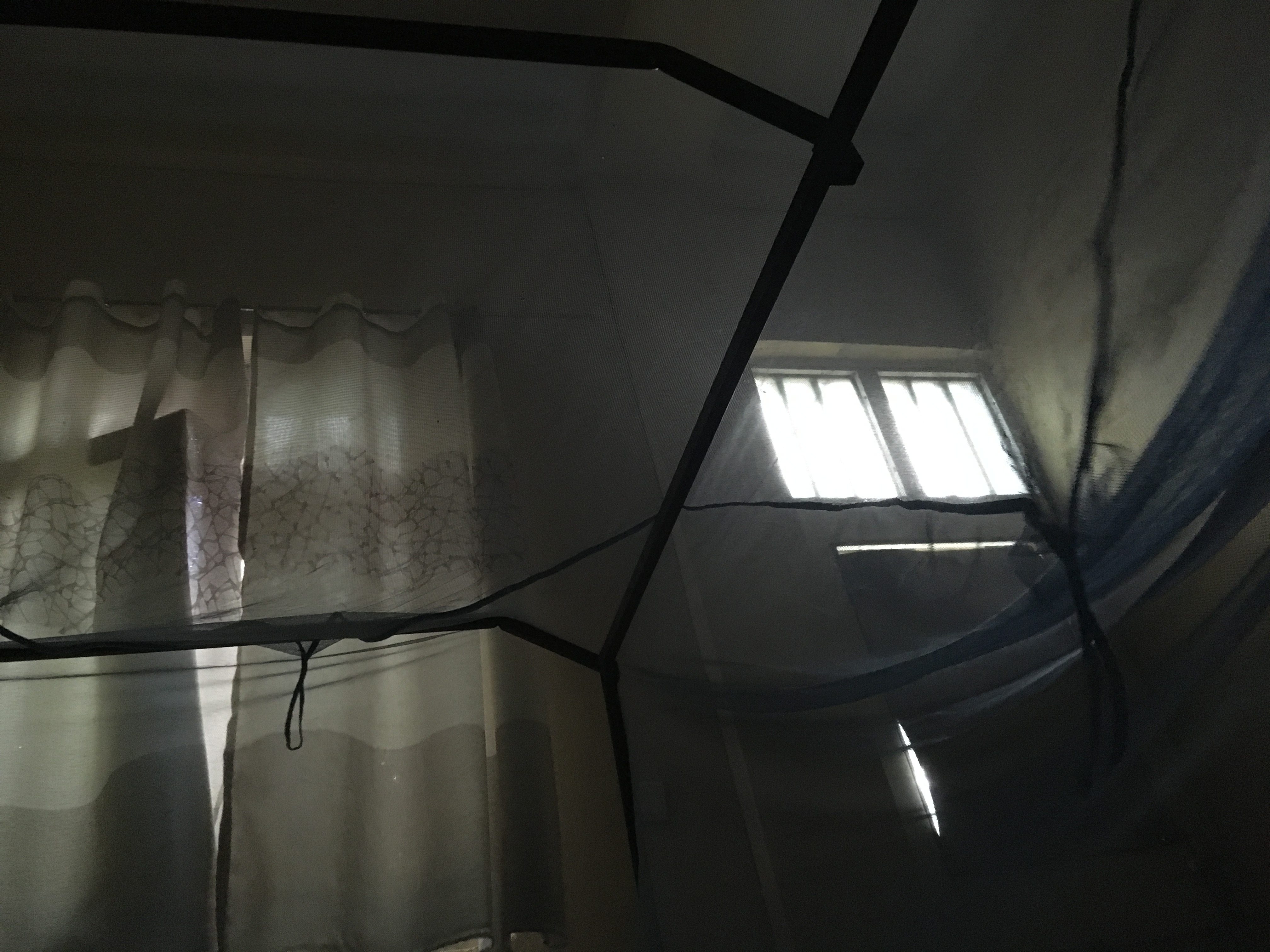
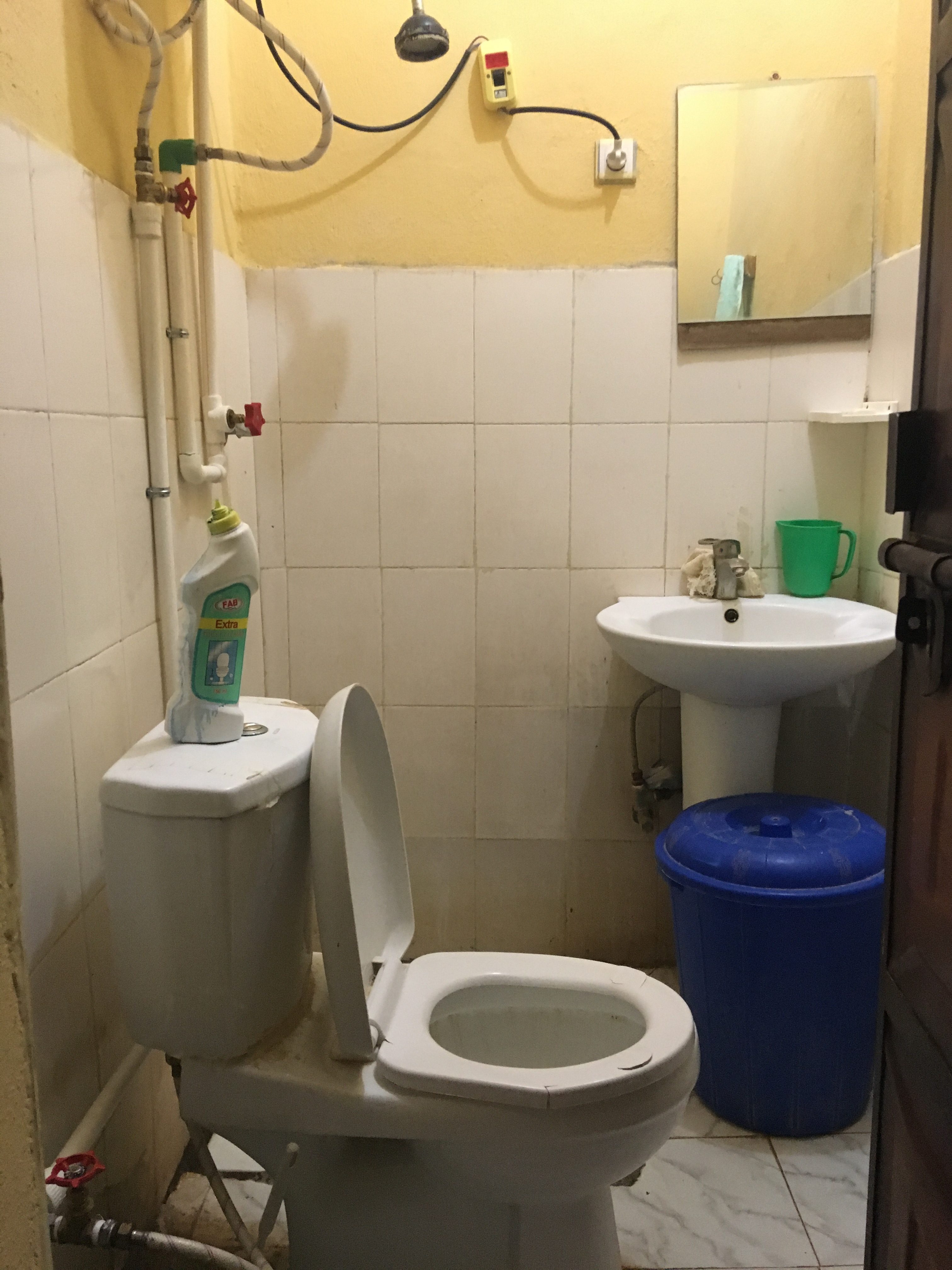
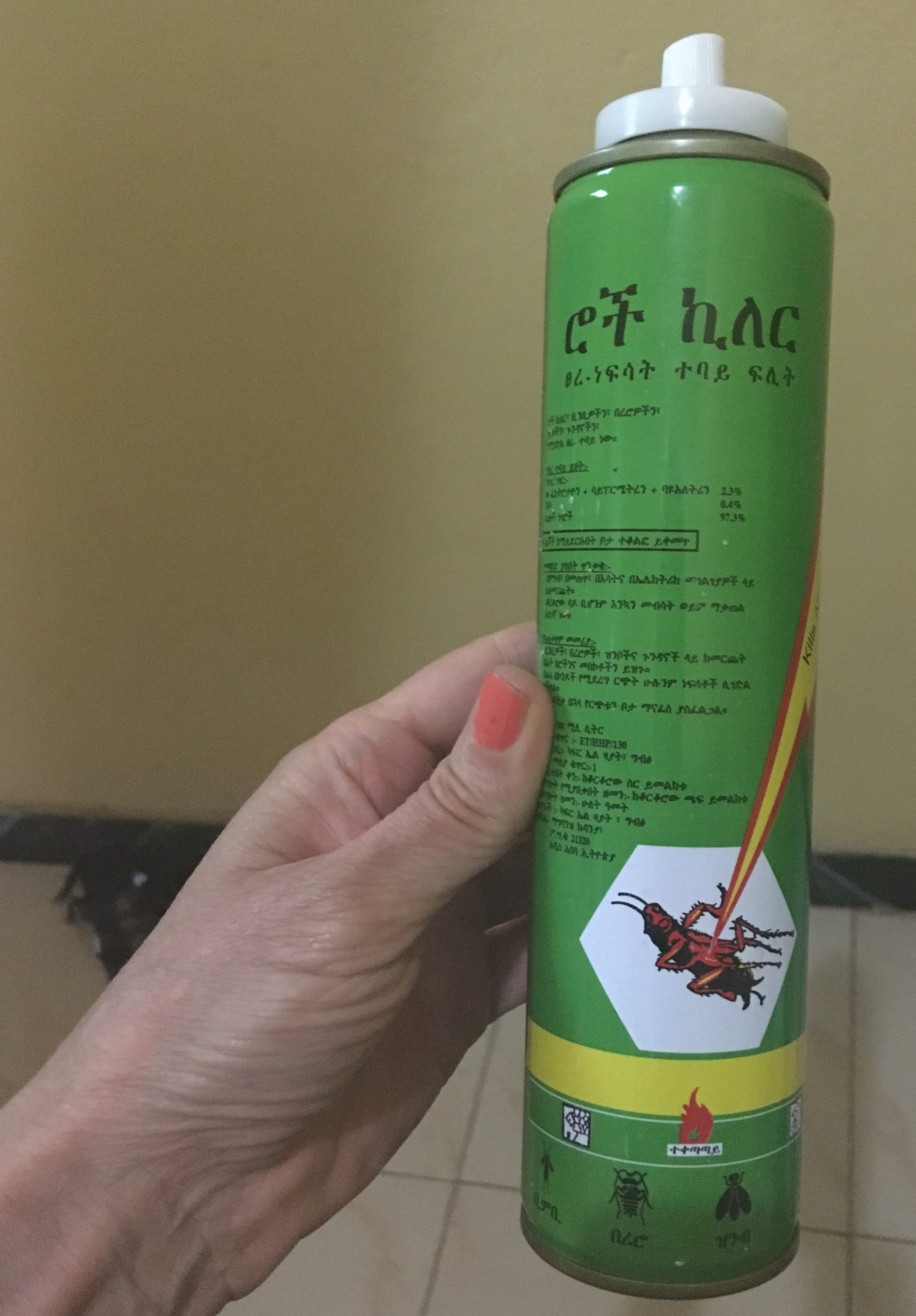
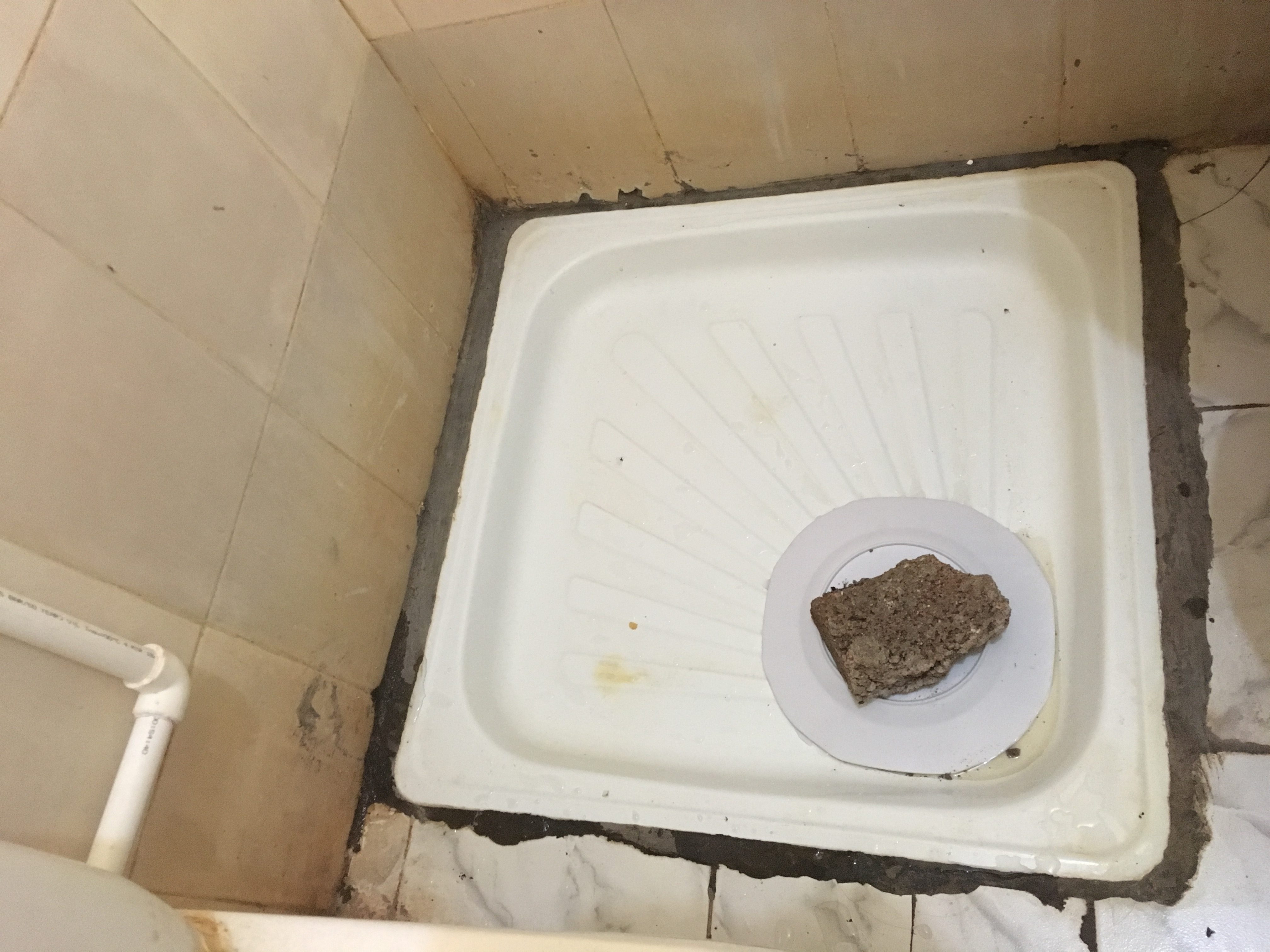
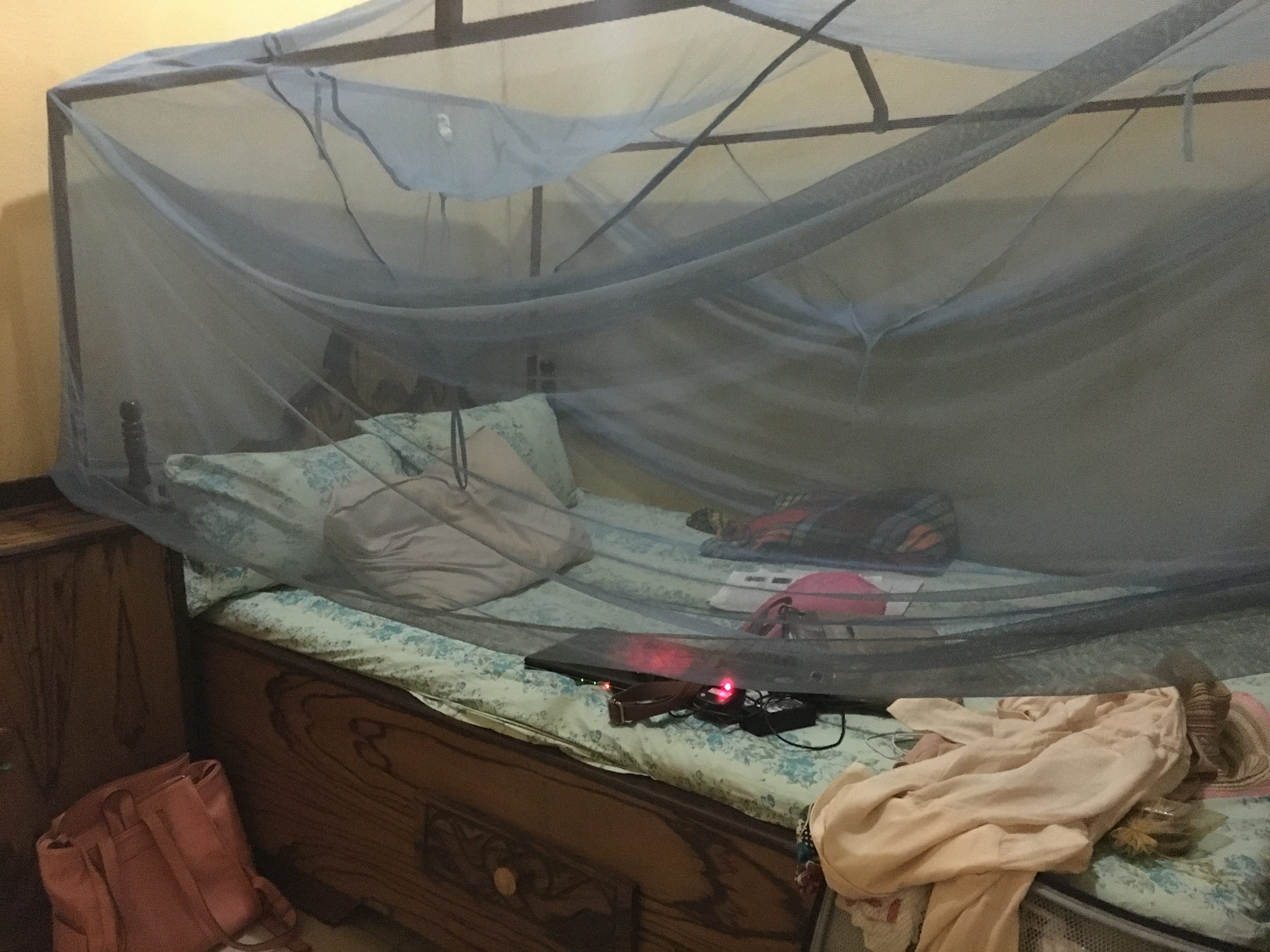
I am in the guest room.  Here are some pictures:

The first night, exhausted from traveling all day, hot and sticky, my head clogged up from the chemicals they use to disinfect everything, I finally fell asleep with the ceiling fan turned on high, wafting my mosquito netting up and down.

Some time later I was awakened by the loud sound of something scrabbling its way up the drain pipe in the bathroom and then slurp! I could hear it pop out and scurry around in the dark.

The power had gone out, so I couldn’t turn on the light.  It had to be a rat because the other things that come up drain pipes, like cockroaches and snakes, would be silent.  I have experience with this from Mexico, where you didn’t know the giant cockroaches were in your room until they ran up your arm in the dark.

I wasn’t going to wait for a rat to run up my arm.  I got the first shot in the rabies series before I left home and I would have to get the rest of them if I was bitten by a rat—but where would I find the rabies series here?  It took two flights and three hours of driving to get here.

I turned my cell phone up as bright as it would go, then flashed it into all the nooks and crannies and under the bed.  I didn’t see anything.  I got back into bed and could hear it scuttling around beneath me.  I got up and blasted the phone blindly, then climbed back into bed and fell asleep with the phone clutched in my hand.

Right now I am in a training room furnished with red and green upholstered hotel chairs.  Our master’s-degree-level Ethiopian counselors are training 17 Eritrean counselors who work for Norwegian Refugee Council in how to recognize the symptoms of torture and trauma and what to do about them.  One of the counselors has a small child on her lap and another has a baby strapped to her back.

I did a fundraising training with our employees yesterday. Part II was supposed to be today, but I’ve completely lost my voice.  I don’t have a cold, so it must be the diesel fumes and dust and chemicals.

“Ferenji, ferenji!” come the high calls of children as I walk by.  “White person, white person!”  I pass a woman with a small daughter; the mother pulls her daughter close and says in a hushed warning tone, “Ferenji,” like I’m a monster.  Our country director, who is Japanese, hears “China, China!”, which she doesn’t appreciate.  Sometimes they call me China too.  I guess we all look alike.

In the morning, I thought maybe I had imagined the rat.  Maybe I was just being dramatic.  When I told the country director she said phlegmatically, “Yes, there are rats here.  I hate them.”

Our Kenyan psychotherapist, who has the room next to mine informed me that he’s got traps set.

“Oh great,” I said with a laugh, “That probably drives them into my room!”

I put a plate over the drain and placed a heavy rock on top of it.

There was no rat that night, although I was wearing ear plugs to blur out the sound of drumming and singing and ululating that went on for hours somewhere nearby, so maybe I just didn’t hear the little bastard.

Third night: the rat was back.  It’s not like the room was well sealed.  Then I heard a terrifying squealing from next door.  I choose to believe it was my rat.  Game over, rat!

When Worlds Collide

I’ve been writing a series of posts about traveling in Cuba that starts here. I am pausing that for a day to write about an unsettling experience where my worlds collided.

I volunteer with the Minnesota International NGO Network, or MINN. MINN is composed of Minnesota companies and nonprofits that work overseas, like my employer, the Center for Victims of Torture (CVT).

Last year MINN launched a class called MINNspire, which helps 50-somethings to explore doing something abroad. This could be anything from volunteering with Peace Corps, to teaching English as a second language, to consulting on communications, as I have done. MINN isn’t there to find them placements; we’re there to guide them through the thought process. I led one of the four sessions last year and will do the same this year—I think.

I was excited that we had 18 people registered—about twice the number as last year. It’s kind of a big commitment to come to something after work, in the dark, during the winter.

I walked in and said hi to my friend Carolyn, one of the four facilitators of the class. There were already two students in the room. Carolyn said to me, in a way that told me we might have an “issue”, “Something really interesting happened with registration. I spoke to a Rotary Club that happened to have a lot of members of the DOC, and we’ve got 10 people from the DOC registered for the class.”

The Department of Corrections. The people I never wanted anything to do with, ever again.

I had come from work, where I had spent the day writing about Eritrean torture survivors. Eritrea is known as the “North Korea of Africa.” They have forced conscription, which means every young man must join the military or go to prison. In the military, they are worked like slaves and their service is indefinite. If they try to escape, Eritrea throws them into underground prisons where they are tortured. If they make it to Ethiopia, they wind up in refugee camps with no future, and their family back home is persecuted. Sometimes they try fleeing to Israel, the one country that reluctantly takes them in, but often they are caught by—essentially—desert pirates called Rashida who hold them for ransom, torturing them while their families listen helplessly on the other end of the phone.

As you might imagine, a lot of Eritrean torture survivors have PTSD, and that is where CVT comes in. We provide trauma therapy and we hope to add physical therapy next year.

So I was writing about this all day and then I stepped into a room of people who had been my and my son’s tormentors for a year and a half.

I am in no way comparing what I went through to what Eritreans have endured. My point is that I know firsthand what a flashback feels like. A surge of adrenaline surged through me. My heart started racing and my palms got sweaty. I felt a powerful urge to bolt.

“I figure if I was a prison warden for 20 years, I can do anything!” one of the women exclaimed. The thought of her volunteering in an orphanage made me uneasy.

“My son just finished the boot camp program,” I told them. Might as well get it out there before she said something that would cause me shoot my mouth off. They oohed and ahhed said what a great program that was.

Carolyn knows my back story and has a high EQ.   She emailed later:

“I would never imagine that you would come face to face with your oppressor in MINNspire.  I mean, last year you were in Palestine, looking for ways to collaborate, professionally, with enemies of the Jewish state and now you come to St Paul and you are asked to teach the people whom you’ve written about for years.

“ I have to shake my head at what the universe is throwing at you.  But if anyone can handle it, you can.”

I hope she’s right, because I thought about backing out of the class but I’ve decided to stick it out.  I’ll keep you posted.