Tag Archives: Refugees

Beasts of Burden

The first thing I noticed in Ethiopia, and an enduring image I’ll carry in my mind, is how hard people (and animals) toil.

I spent a lot of time being driven in trucks.  Along the side of the roads there were always streams of people walking.  If it took us an hour to get from Axum to Shire, how long did it take people to walk?  It was 90F and humid with no shade.  There were no sidewalks, just rock strewn shoulders.  People walked barefoot or in what appeared to be 99 cent flip flops or jellies. No one was carrying a water bottle or wearing sun glasses.  I’m sure they weren’t wearing sun screen.

Oh, and did I mention that they were all carrying enormous bundles of twigs, gallons of water, babies, rebar, small trees, or sacks of potatoes?  Men, women, children.  Old people, little kids.  I saw a girl who looked like she was four years old walking alone in the middle of nowhere, balancing a case or juice boxes on her head.  Did she ever wonder if this was normal, or okay?

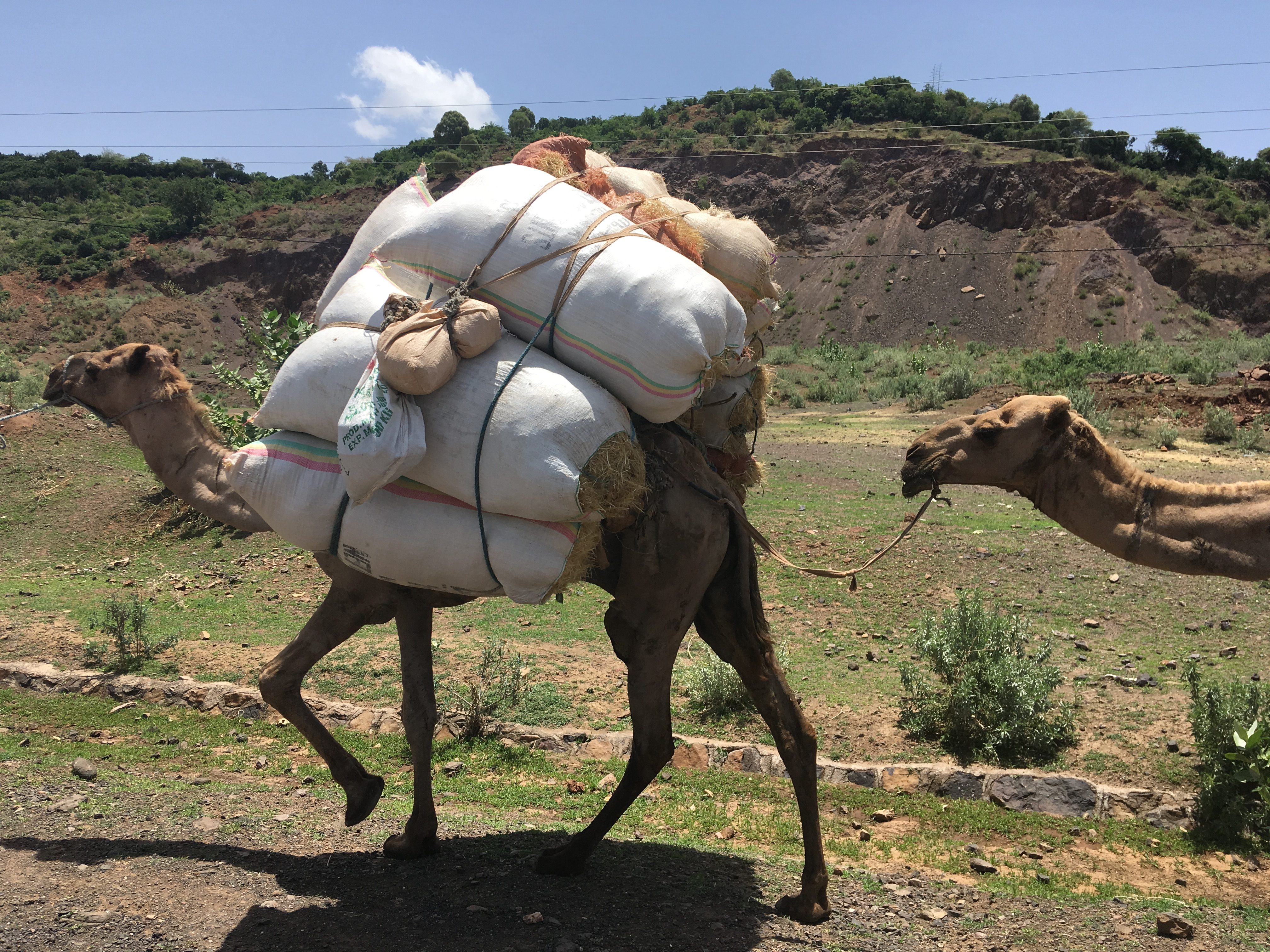
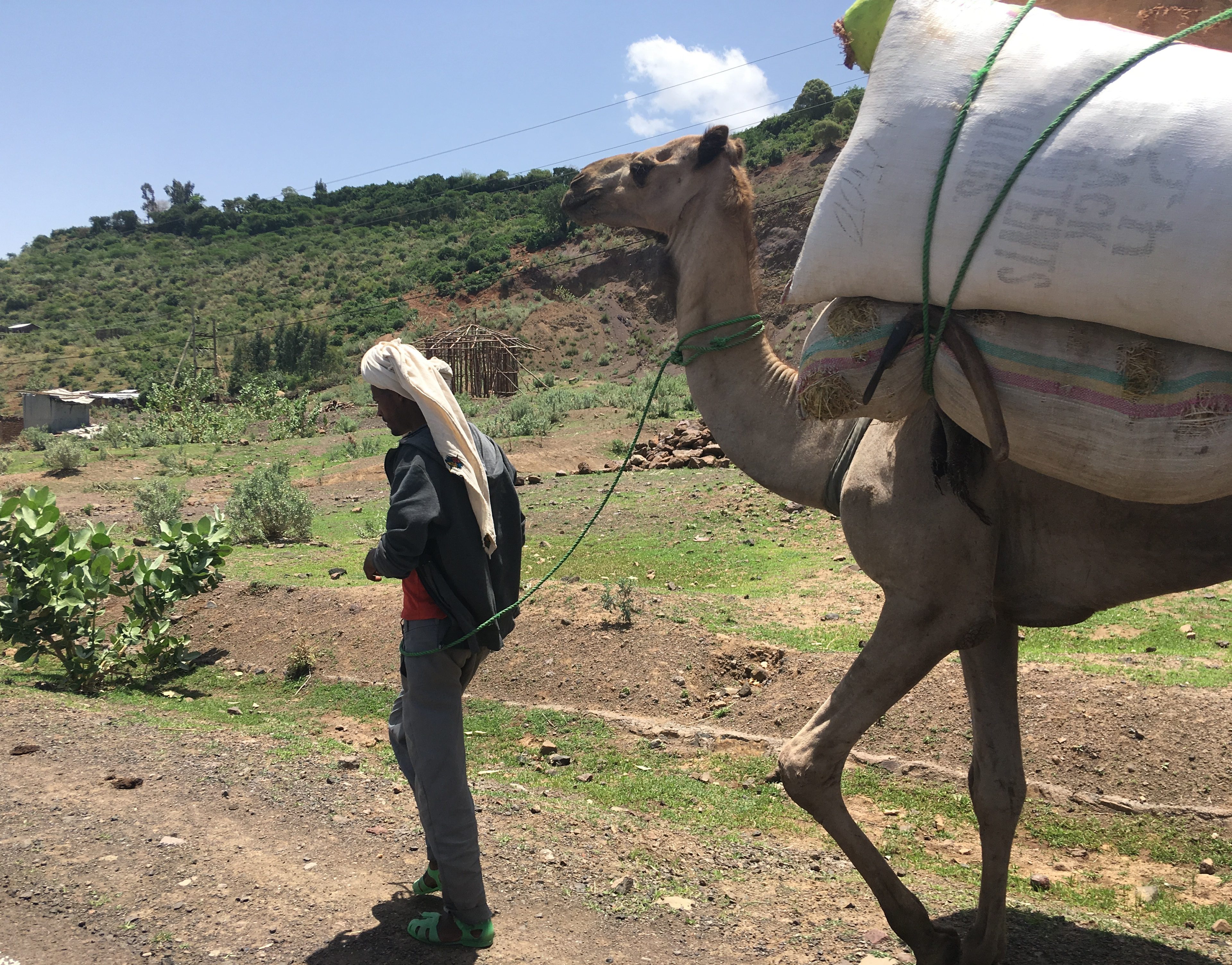
The lucky ones had camels or donkeys whose paniers were loaded with rocks or bricks or 5 gallon water jugs.  I rarely saw anyone riding a donkey or camel; they’re reserved for transporting heavy loads and riding one probably would seem frivolous.
The Ethiopian roads are probably better than what we have in the US—maybe due to not undergoing the freezing and thawing of winter. They’re smooth and black and look like they were laid down yesterday.  And yet there is very little traffic.  No one can afford a car.  In a week there, I only ever saw one passenger sedan.  Everything else is one of four things: a commercial truck, a bus, a white NGO Toyota Land Cruiser, or a Bajaj.  These diesel powered three wheeled vehicles that taxi people around for short distances.  I believe they’re called tuk-tucks in India and cocos in Cuba.  Anyway, don’t bother looking for a taxi because there are none.  And no worries about running a red light, because there are no stop lights of any color, stop signs, or signs pointing the way to anything.
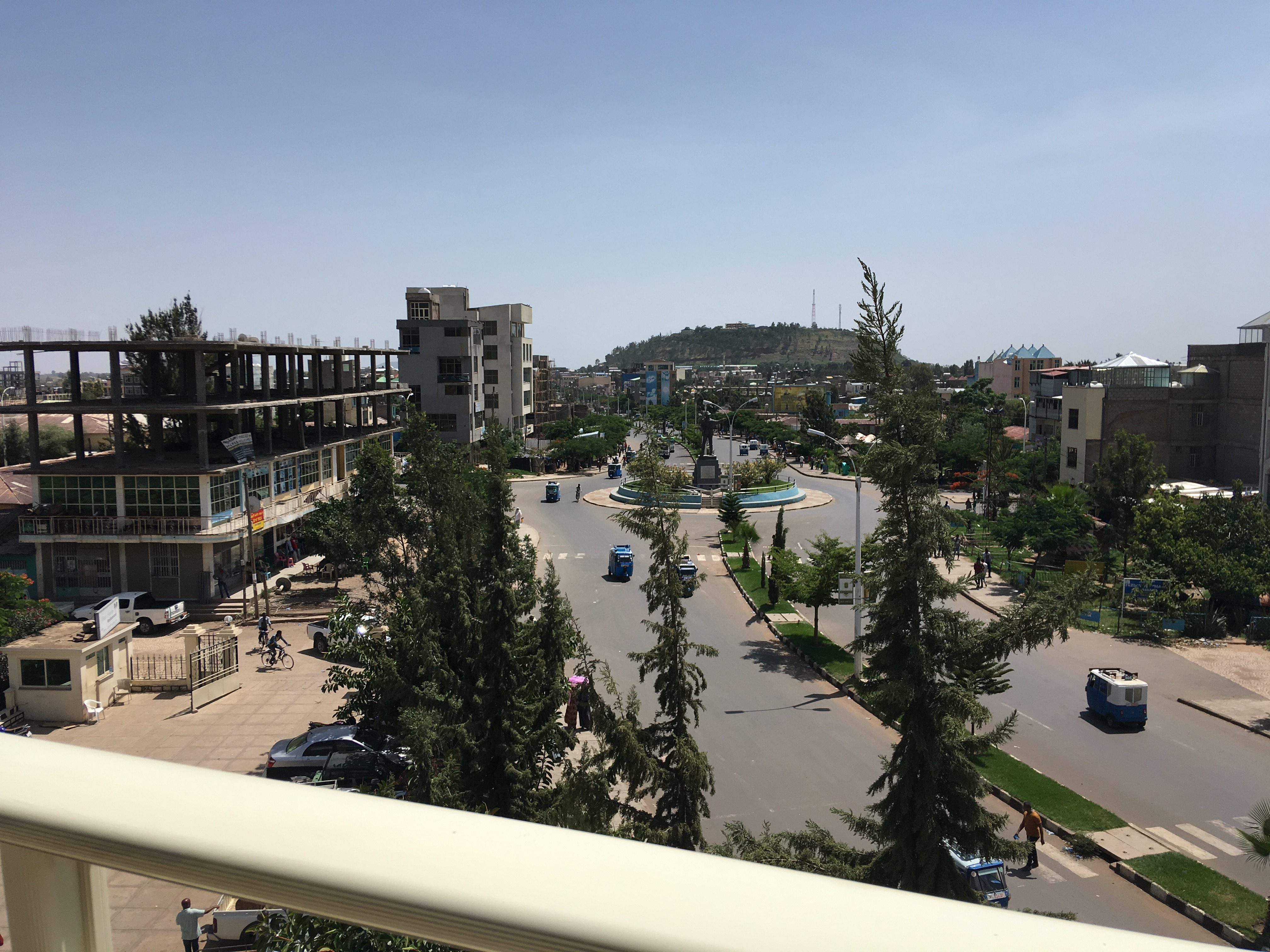
Despite the great road and light traffic, Ethiopians still manage to have a lot of accidents.  I saw four road accidents in the one-hour drive from Axum to Shire, all involving buses.  One appeared to have rolled five or six times; an ambulance was at the scene and I couldn’t imagine anyone survived without major trauma.

Back in the refugee camp, I was listening to our staff tell the group how, if they feel “heavy” or worry constantly, suffer guilt for surviving when their family did not, or have flashbacks and nightmares, those are normal reactions to the abnormal experiences they’ve lived through.  They described how talking about troubling emotions with others can help people heal.

This may seem obvious to you, but I wish someone had told me all this when I was an adolescent because, well, I wasn’t tortured but I believed I was the only one on earth who felt insecure, unpopular, and ugly.  Well maybe I was, but odds are I wasn’t.

A scrawny kid of about 15 sauntered up and started listening.  He was wearing skinny jeans and a black shirt with white lettering that said, “Life is Party.”  He was smoking—the first smoker I’d seen—although I was told later that lots of the kids on their own smoke.

There were other funny T-shirts in the crowd, likely made in China.  One said “Inmy Mind;” my favorite was “Jerry Smith World Famous Surveying Co.”  How cool is that T-shirt?

I wondered how long had it been since he’d seen his mother or father. He looked tres cool but then teenagers always do.

The speaker was now talking about CVT’s services, and making very clear that CVT does not provide any material aid or cash support.  A woman raised her hand to say she’d attended the groups and that “going to CVT does not mean you are crazy.”  The audience was encouraged to contact CVT if they “knew anyone” with the symptoms described.
Happy to Be Here

I’ve written about the rats, dust, diesel fumes, noise, and mosquitoes here in Ethiopia.

Now for the good things.  It is so great to be here.  With others I’ve been trying to raise funds for our Ethiopia program for about three years, and I am finally seeing first-hand what happens here.  It’s easy to get a bit cynical when you’re sitting at HQ.  This has swept my cynicism away.

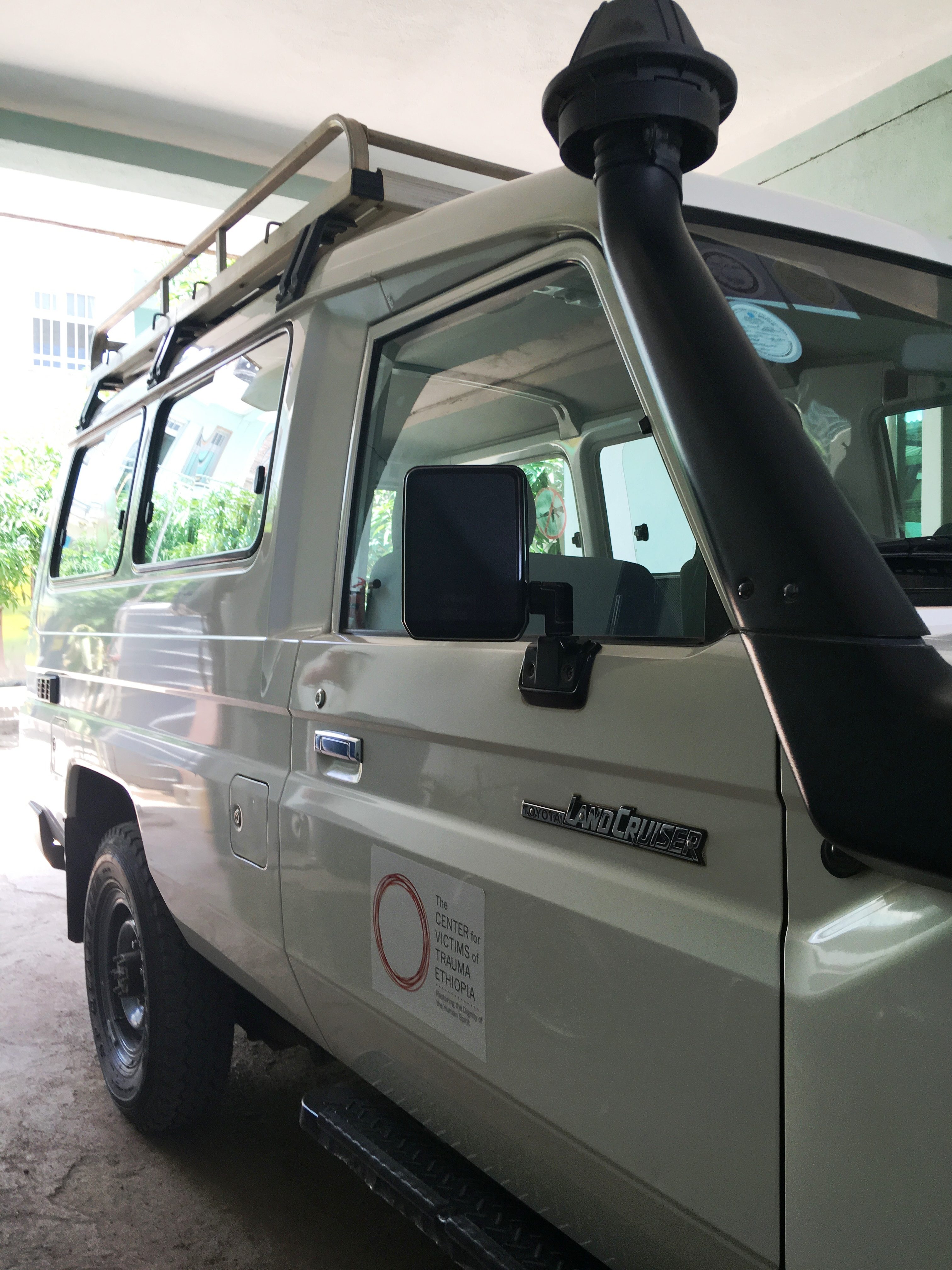
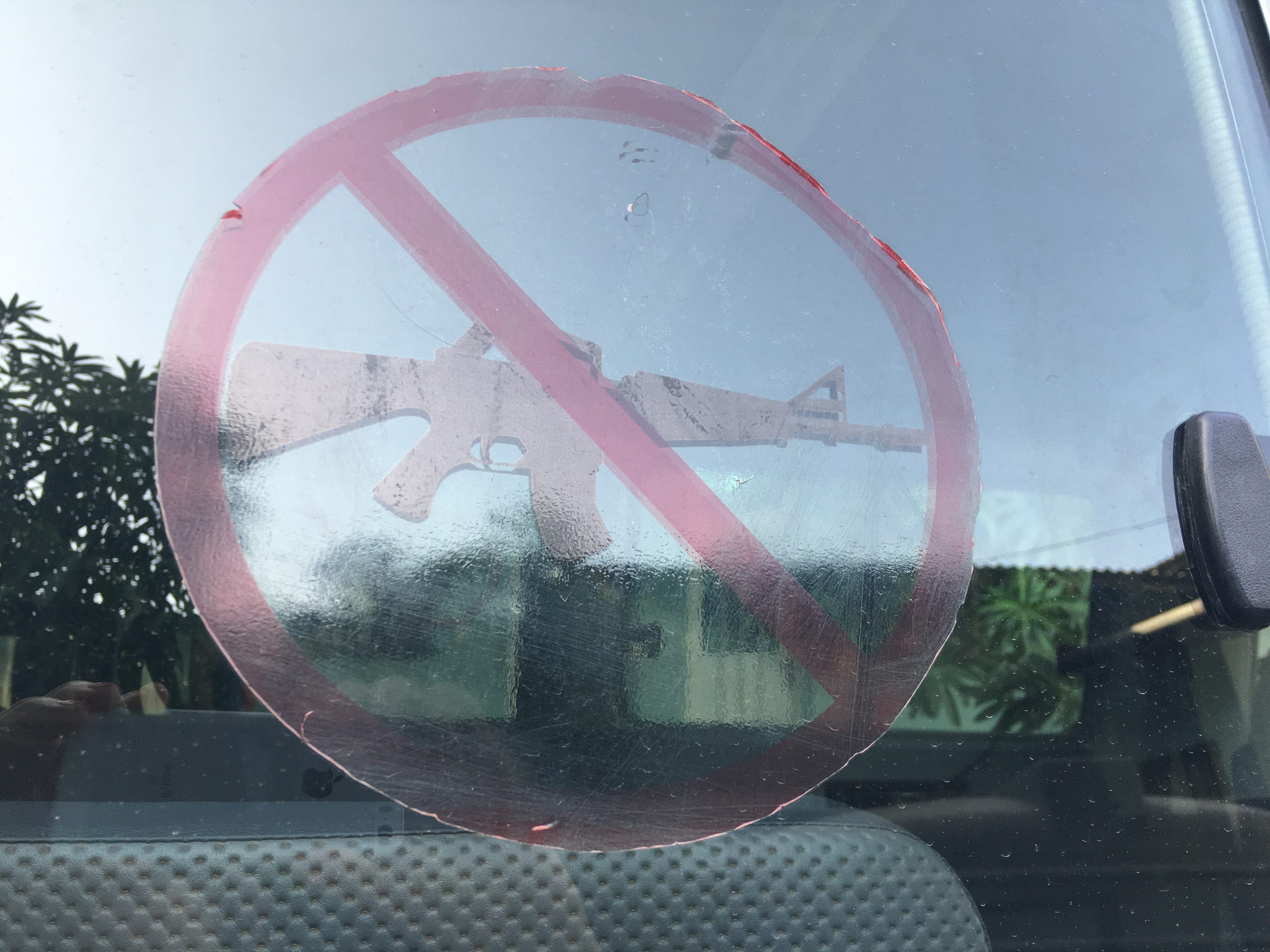
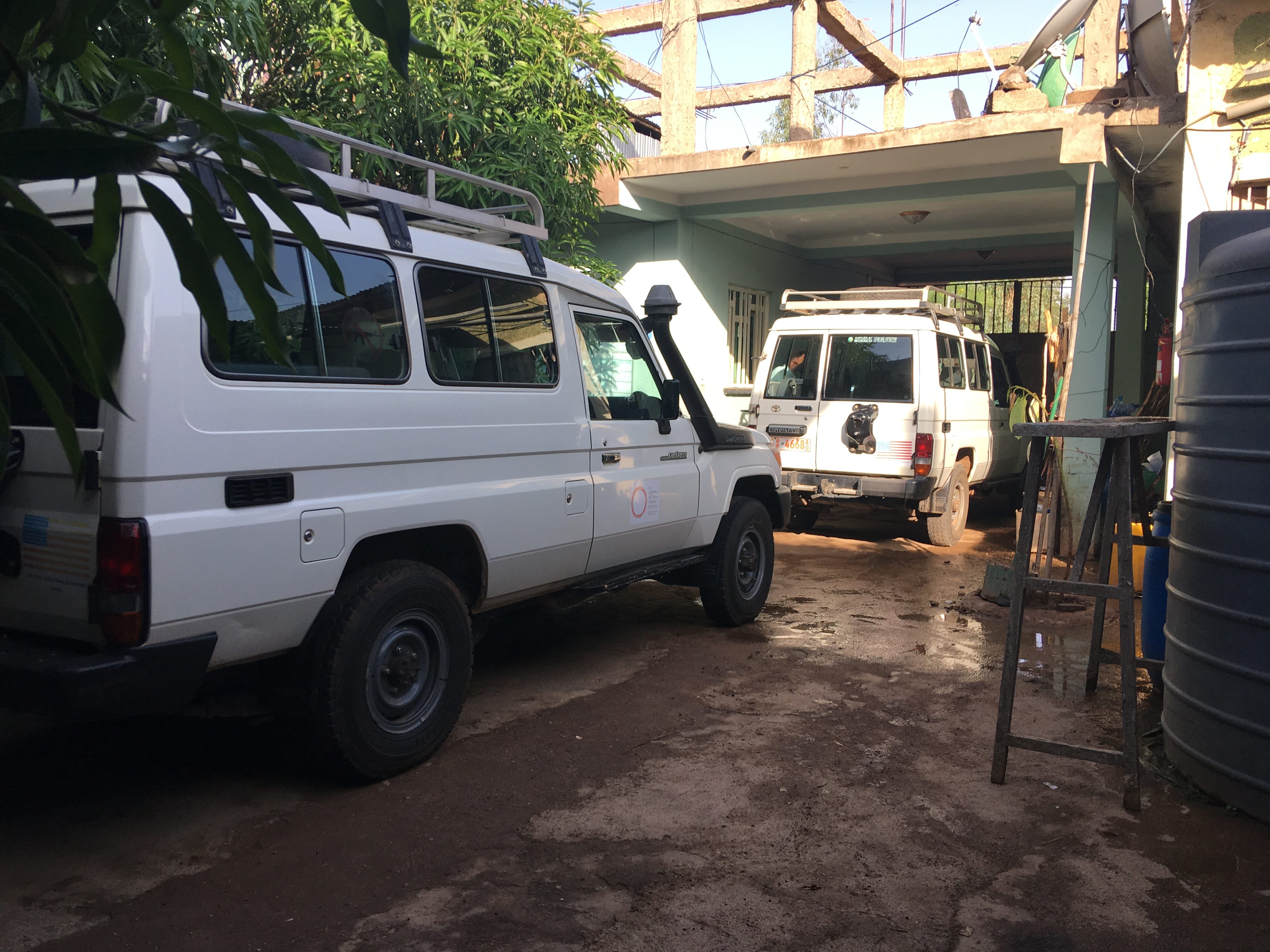
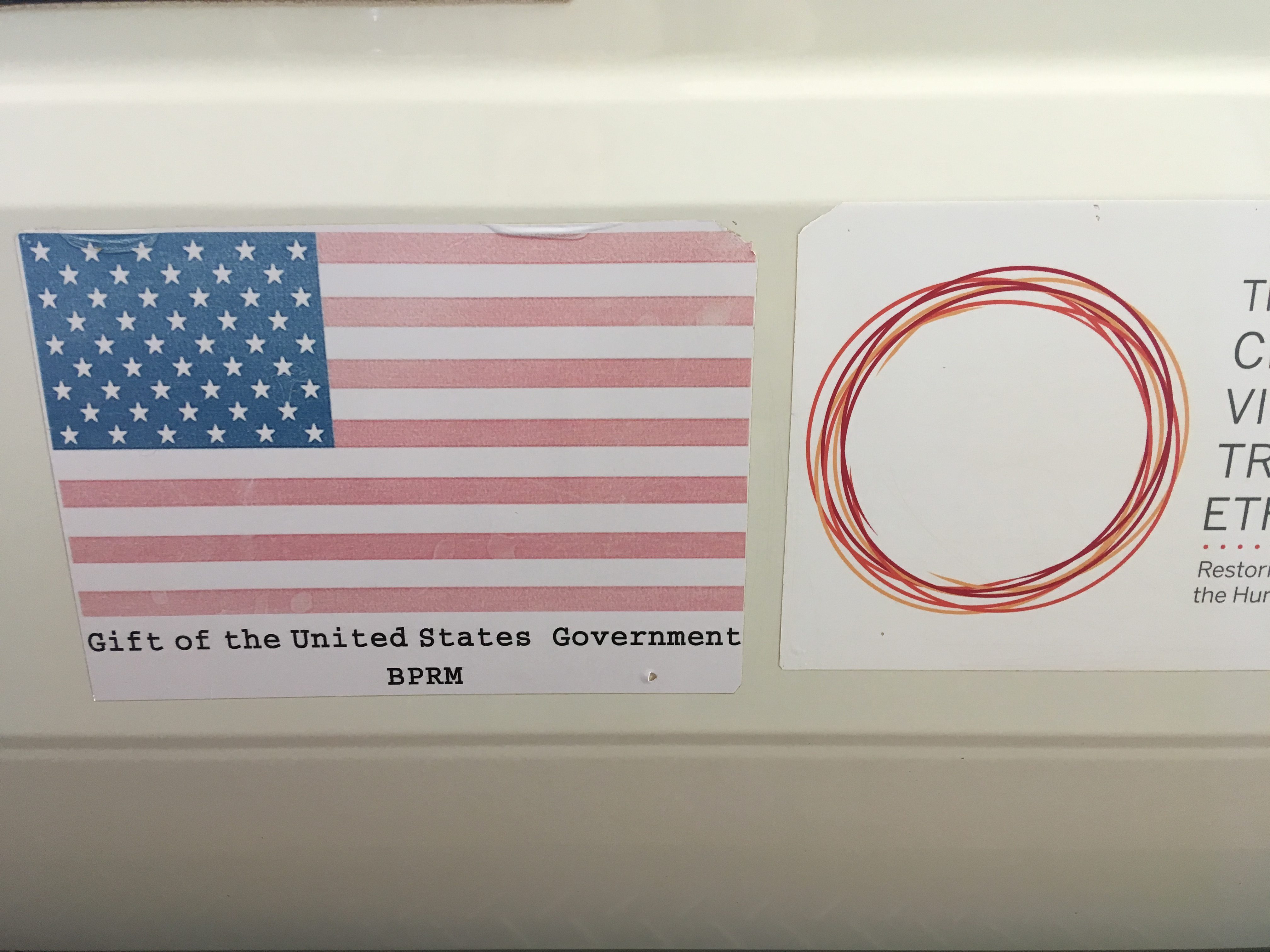
It took a lot to get here.  I took an overnight flight from Frankfurt to Addis Ababa, the capital.  An hour later I flew north to Axum, and from there it was a one-hour drive to Shire, where CVT has an office.  I flew to Lalibela for some weekend R&R and I’ll write about that later.  On Monday morning, back in Shire, everyone piled into one of the ubiquitous white NGO trucks plastered with our logo and donor recognition—in our case, the US flag with the note, “Gift of the United States Government PRM” (Bureau of Population, Refugees, and Migration).

Our destination was Mai Tsebri, home of my dearly departed rat (I hope).  In Mai Tsebri, CVT has a walled compound. The trucks back in through the gate into a courtyard with a dirt floor planted with mango trees and a water cistern as big as a Humvee.  Two floors of rooms ring it—a kitchen, canteen, training room, staff quarters, HR, logistics, and the oh-so important generator shed.

Each morning the staff pile into the trucks for the drive to the refugee camps, which is about a half hour.  It’s spectacular countryside, along twisting roads through the mountains.  I had heard that the ride makes people sick, so I was relieved it didn’t happen to me.

So after eight flights in 13 days and five long, dusty drives, I was in one of the camps where we work.

And it’s great.  I am so happy to meet the staff whose names I’ve entered into online forms.

There’s a lot to write about, but for now I’ll describe the camp and the mornings’ activity.

There’s a small Ethiopian settlement called Adi Harush.  The ground is red, rocky, uneven, and dusty.  The houses are built of square cement bricks and are maybe 15 by 12 feet.  Each has a tin roof, a door, and windows on two sides.  The houses are in pretty rough shape.

Then you cross some invisible line and you’re in a refugee camp.  The houses are the same but they’re brand new, neat and tidy.  The people are the same ethnic group, but they’re Eritrean, not Ethiopian, and they speak Tigrinya instead of Amharic.

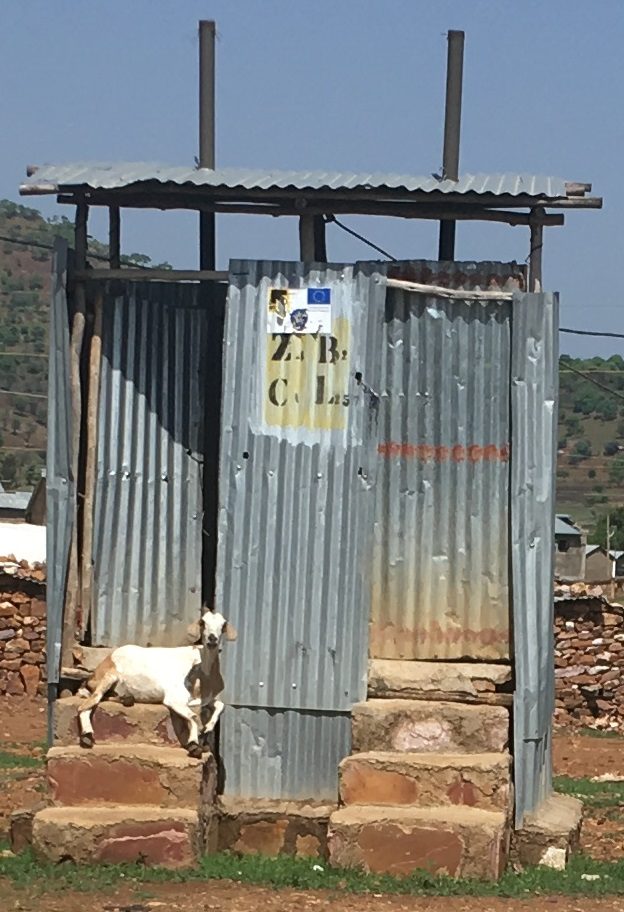
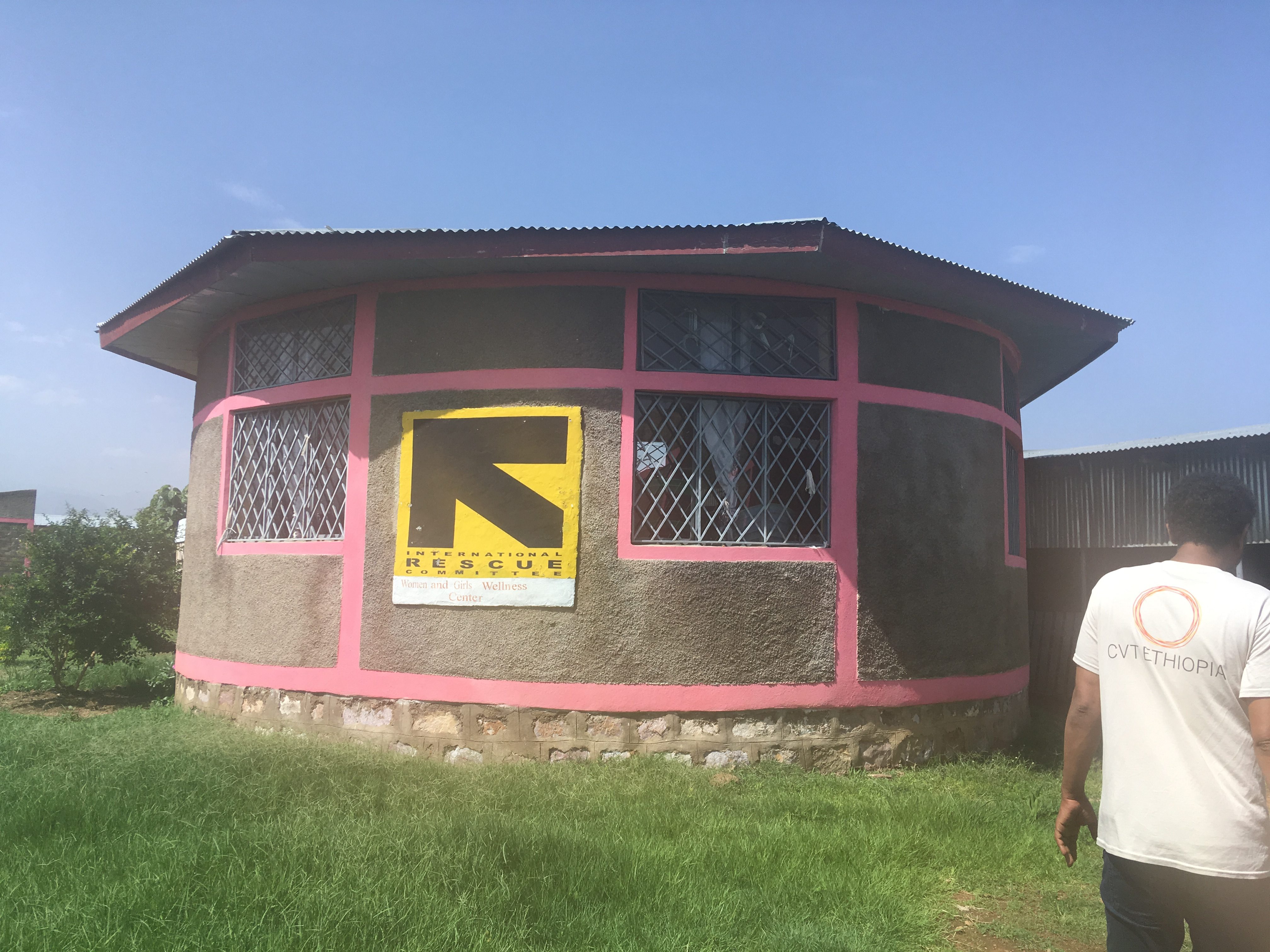
There are communal latrines (below) and water spigots, schools, an amphitheater where boys were playing basketball, a women’s center (below) where the ladies can get their hair done, watch TV, and discuss Gender Based Violence.

There’s no barbed wire fence or armed guard to keep anyone in, and that’s a problem, as you’ll learn.

Three CVT staff found a spot of shade against a house and a group of people began to assemble.  One staffer set down two stools about eight inches high, gestured for me to sit down, and sat next to me.  The other two employees began to present information on trauma and torture to about 30 men, women, and children while my stool mate interpreted for me.  We call this a sensitization—to help people understand that if they’re depressed, anxious or not sleeping, that’s normal given what they’ve been through, and CVT can help.

Almost everyone in the camp is separated from his or her family.  Some were forced into never-ending military service, kept in underground prisons, or trafficked.  There are lots of children on their own, and there are waves of suicide among them.

I had the interpreter seriously repeating everything into my ear, while two tiny boys stood directly in front of me making funny faces.  One had no pants on.  Did I laugh at them and risk looking insensitive to the crowd, or remain serious and miss the joy of flirting with small children?  I think I did all of the above.

Night of the Rat

Greetings from Mai Tsebri, Ethiopia, 25 miles from the Eritrean border—although it’s hard to know because this town isn’t on Google Maps.  I’ve been in Ethiopia for a week now, and I’m ready to get out of here.

Mainly because of the rat.

I am staying at the Center for Victims of Trauma office here (we are the Center for Victims of Torture everywhere else but for political reasons we had to tone down the name here).

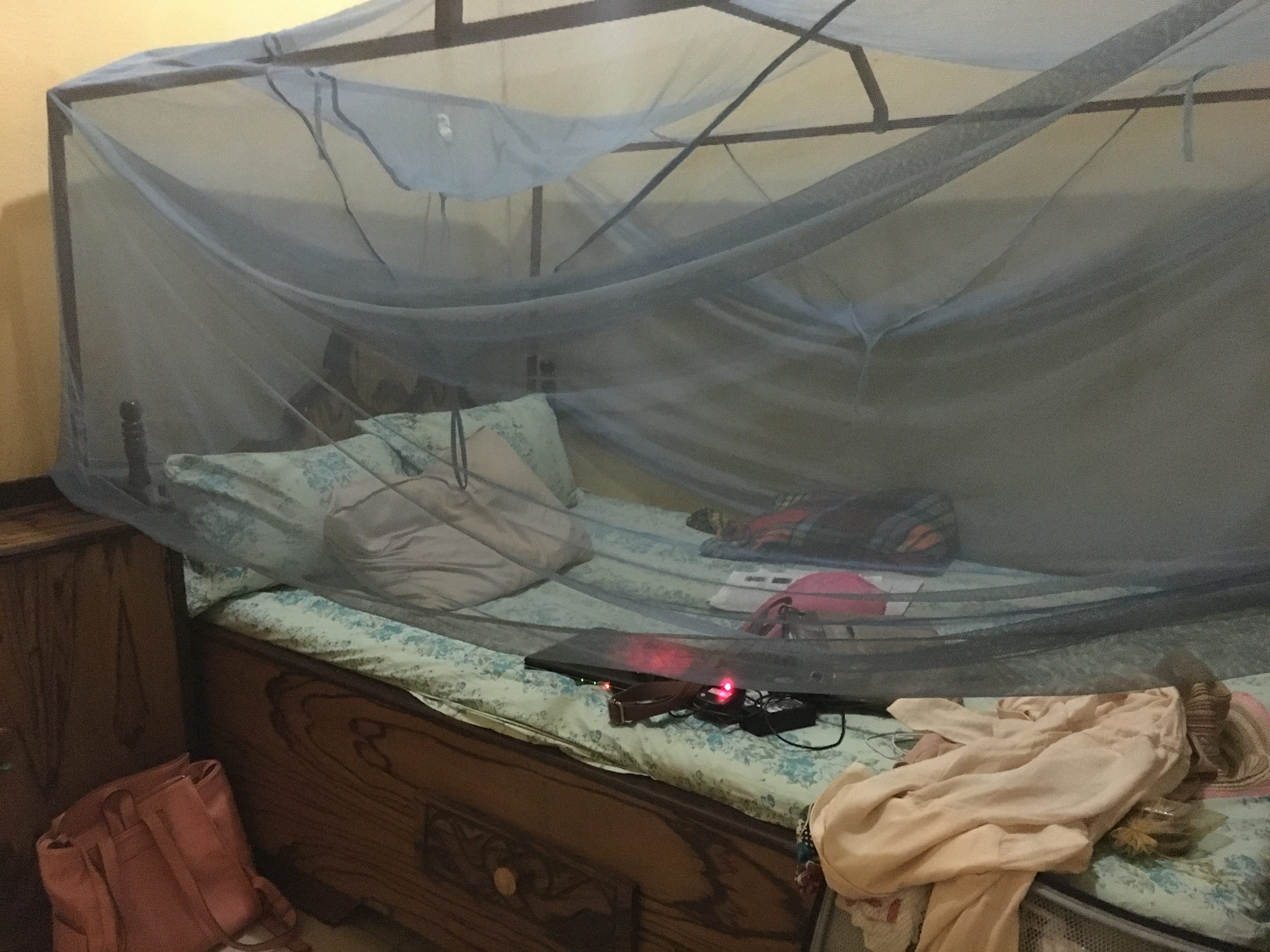
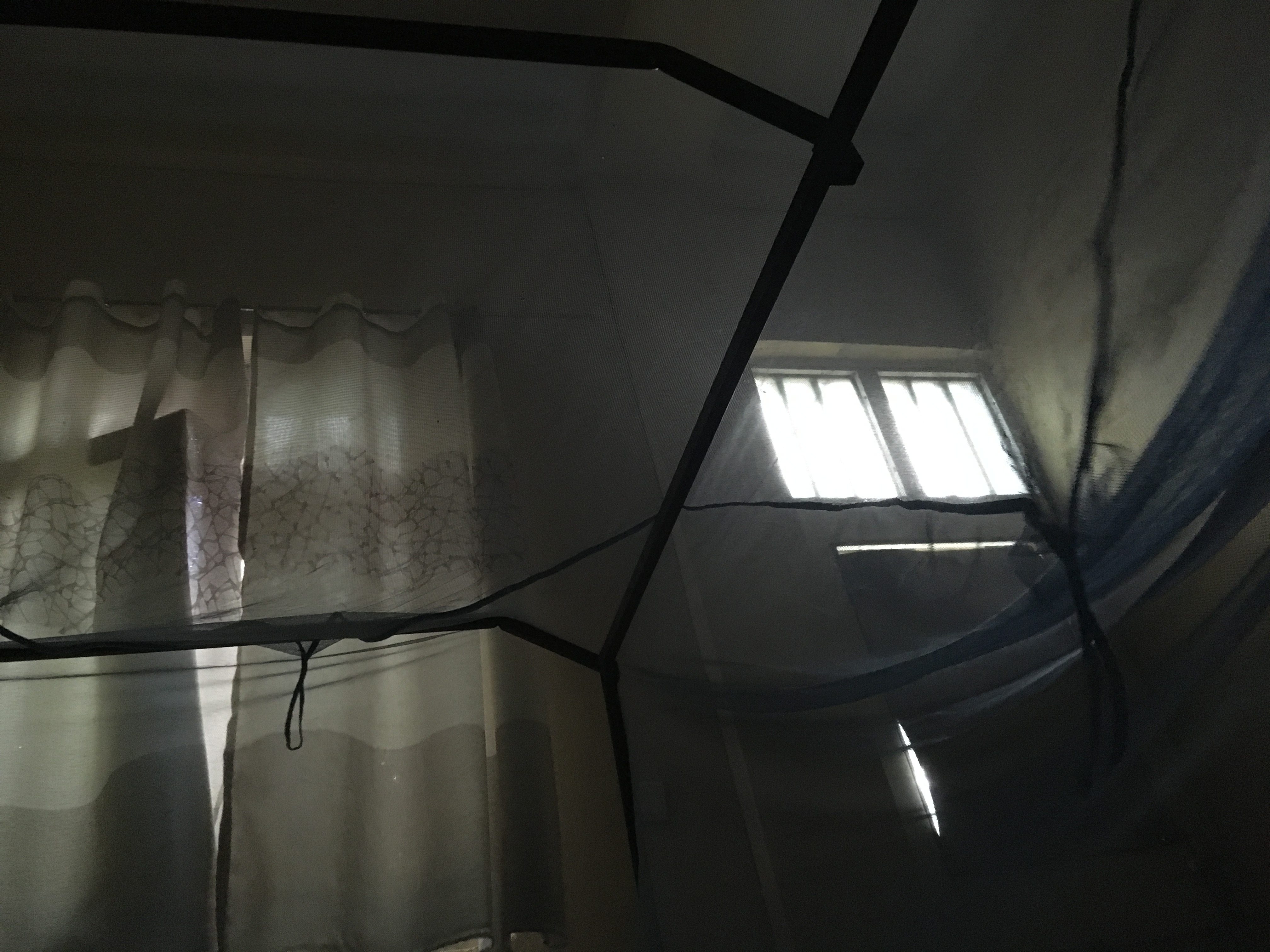
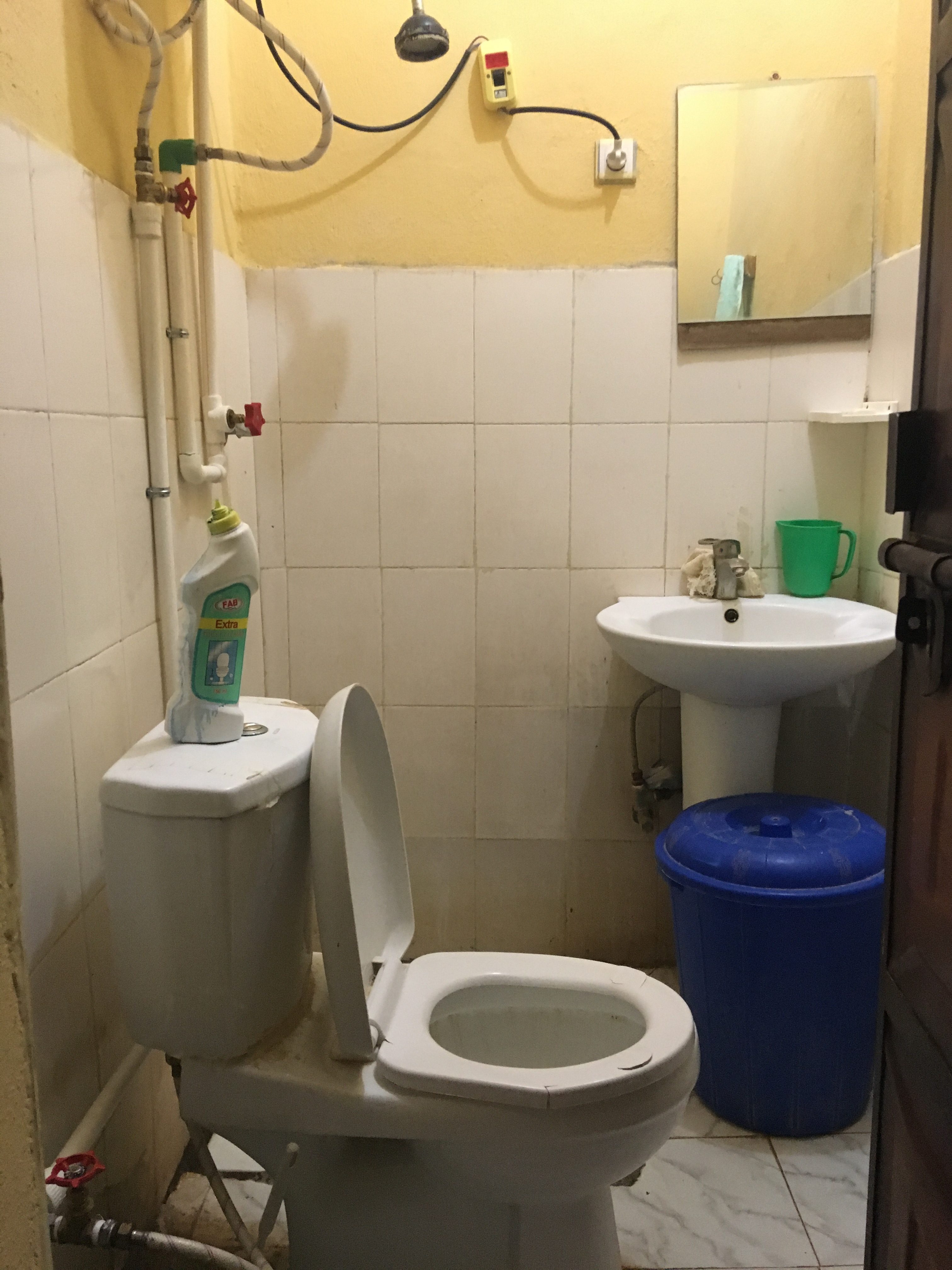
I am in the guest room.  Here are some pictures:

The first night, exhausted from traveling all day, hot and sticky, my head clogged up from the chemicals they use to disinfect everything, I finally fell asleep with the ceiling fan turned on high, wafting my mosquito netting up and down.

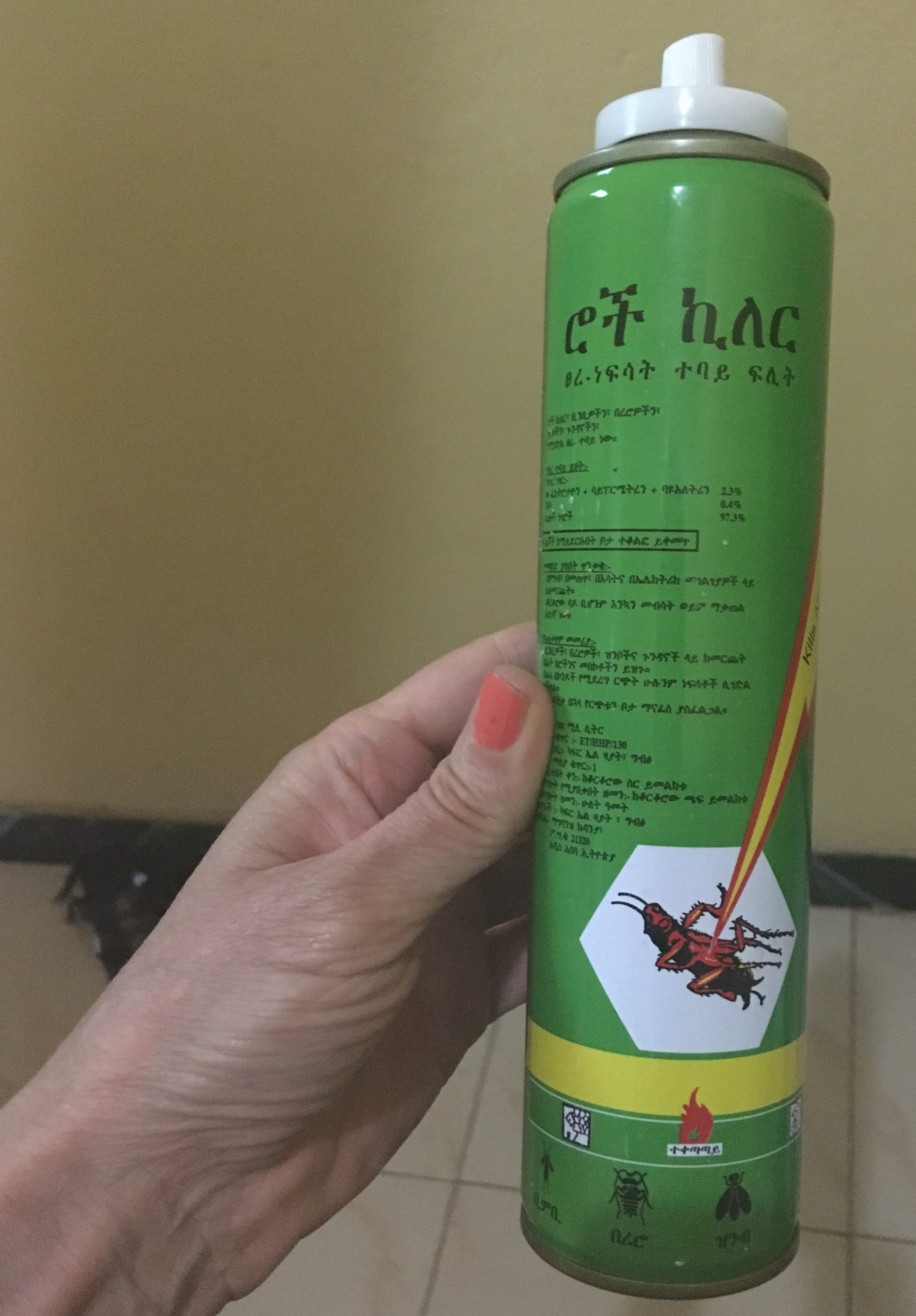
Some time later I was awakened by the loud sound of something scrabbling its way up the drain pipe in the bathroom and then slurp! I could hear it pop out and scurry around in the dark.

The power had gone out, so I couldn’t turn on the light.  It had to be a rat because the other things that come up drain pipes, like cockroaches and snakes, would be silent.  I have experience with this from Mexico, where you didn’t know the giant cockroaches were in your room until they ran up your arm in the dark.

I wasn’t going to wait for a rat to run up my arm.  I got the first shot in the rabies series before I left home and I would have to get the rest of them if I was bitten by a rat—but where would I find the rabies series here?  It took two flights and three hours of driving to get here.

I turned my cell phone up as bright as it would go, then flashed it into all the nooks and crannies and under the bed.  I didn’t see anything.  I got back into bed and could hear it scuttling around beneath me.  I got up and blasted the phone blindly, then climbed back into bed and fell asleep with the phone clutched in my hand.

Right now I am in a training room furnished with red and green upholstered hotel chairs.  Our master’s-degree-level Ethiopian counselors are training 17 Eritrean counselors who work for Norwegian Refugee Council in how to recognize the symptoms of torture and trauma and what to do about them.  One of the counselors has a small child on her lap and another has a baby strapped to her back.

I did a fundraising training with our employees yesterday. Part II was supposed to be today, but I’ve completely lost my voice.  I don’t have a cold, so it must be the diesel fumes and dust and chemicals.

“Ferenji, ferenji!” come the high calls of children as I walk by.  “White person, white person!”  I pass a woman with a small daughter; the mother pulls her daughter close and says in a hushed warning tone, “Ferenji,” like I’m a monster.  Our country director, who is Japanese, hears “China, China!”, which she doesn’t appreciate.  Sometimes they call me China too.  I guess we all look alike.

In the morning, I thought maybe I had imagined the rat.  Maybe I was just being dramatic.  When I told the country director she said phlegmatically, “Yes, there are rats here.  I hate them.”

Our Kenyan psychotherapist, who has the room next to mine informed me that he’s got traps set.

“Oh great,” I said with a laugh, “That probably drives them into my room!”

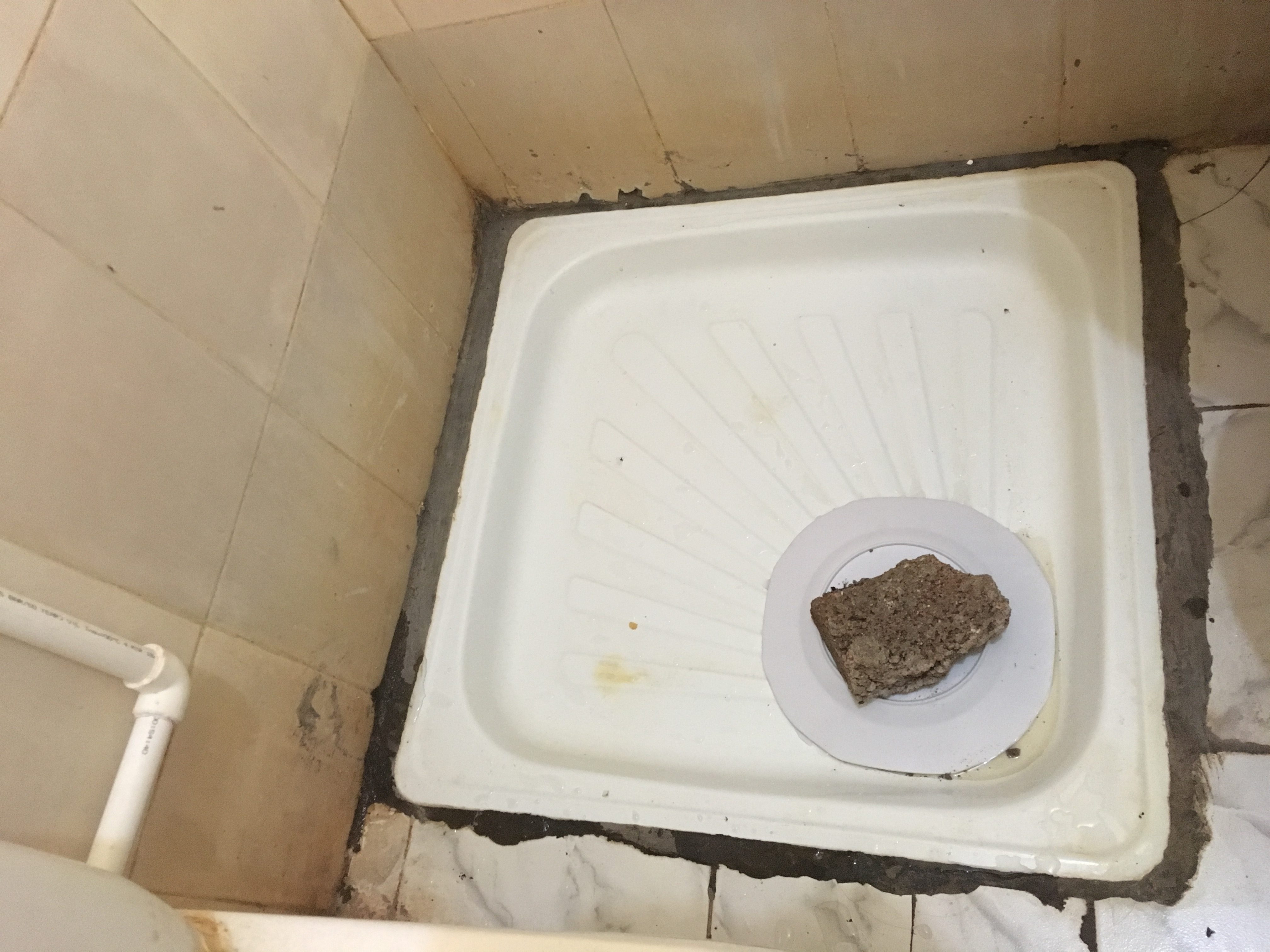
I put a plate over the drain and placed a heavy rock on top of it.

There was no rat that night, although I was wearing ear plugs to blur out the sound of drumming and singing and ululating that went on for hours somewhere nearby, so maybe I just didn’t hear the little bastard.

Third night: the rat was back.  It’s not like the room was well sealed.  Then I heard a terrifying squealing from next door.  I choose to believe it was my rat.  Game over, rat!

No Way Out

This is a series of posts about Belize and Guatemala that starts here.

Mike’s Place is a tourist complex where we would go kayaking or canoeing—it wasn’t  clear—in caves. Mike’s also featured “zip lining, hiking/swimming/rock climbing, food/drink/picnic/BBQ, and Wifi.”

Wifi, in case you wanted to watch a movie set in a jungle after hiking through a jungle.

Mike’s had been founded by a Canadian guy named Mike.  Here is a picture of him when he arrived in Belize.

Mike no longer looked like this.  He had probably partaken of a lot more food/drink/picnic/BBQ than hiking/swimming/rock climbing.  But never mind, he had a beautiful Belizean wife about 30 years younger than him.  She did the cooking and serving, and she seemed to adore Mike.

After 30 minutes of milling about, discussing vital questions such as “Should I bring a water bottle into the cave?” “Are there bats in the cave?” “Is there a place to go to the bathroom in the cave?” Jose our guide finally corralled us at the water’s edge and gave us a five-minute background on the history, geology, and safety concerns of canoeing in caves.

I live in Minnesota so I have done a lot of canoeing on rivers, in lakes, and in wilderness areas near the Canadian border.  I know how to steer; it’s really simple.  But I had no idea what to expect of canoeing in a cave. I had questions too, but I kept my mouth shut in hopes we would get going sooner and just find out once we were in inside what was involved. Would the water be calm or would there be currents?  How deep would it be?

These questions were not answered on the Wilderness Adventure website, and that’s okay—I don’t want to know everything in advance or it wouldn’t have been an adventure. When Mark and I had talked on the phone he hadn’t known anything about the canoeing either, since he had never been to Belize.  The packing list had recommended water gear as though it would be a serious canoe trip, and I had jettisoned mine after moving twice in three months the previous year.  I had gone shopping for water shoes and water-repellant clothes, none of which are cheap or findable in second-hand stores.  I browsed the water shoes and dropped them like they were red hot when I saw the price tags.  In the end, I brought some cheap Sketchers sandals I found at TJ Maxx.  Worst case scenario, I would throw them away if this canoe adventure turned out to be rigorous.

It was extremely tame.  They made us wear life jackets and helmets—because it was a cave with some low hanging outcrops—but we never paddled faster than two miles per hour.

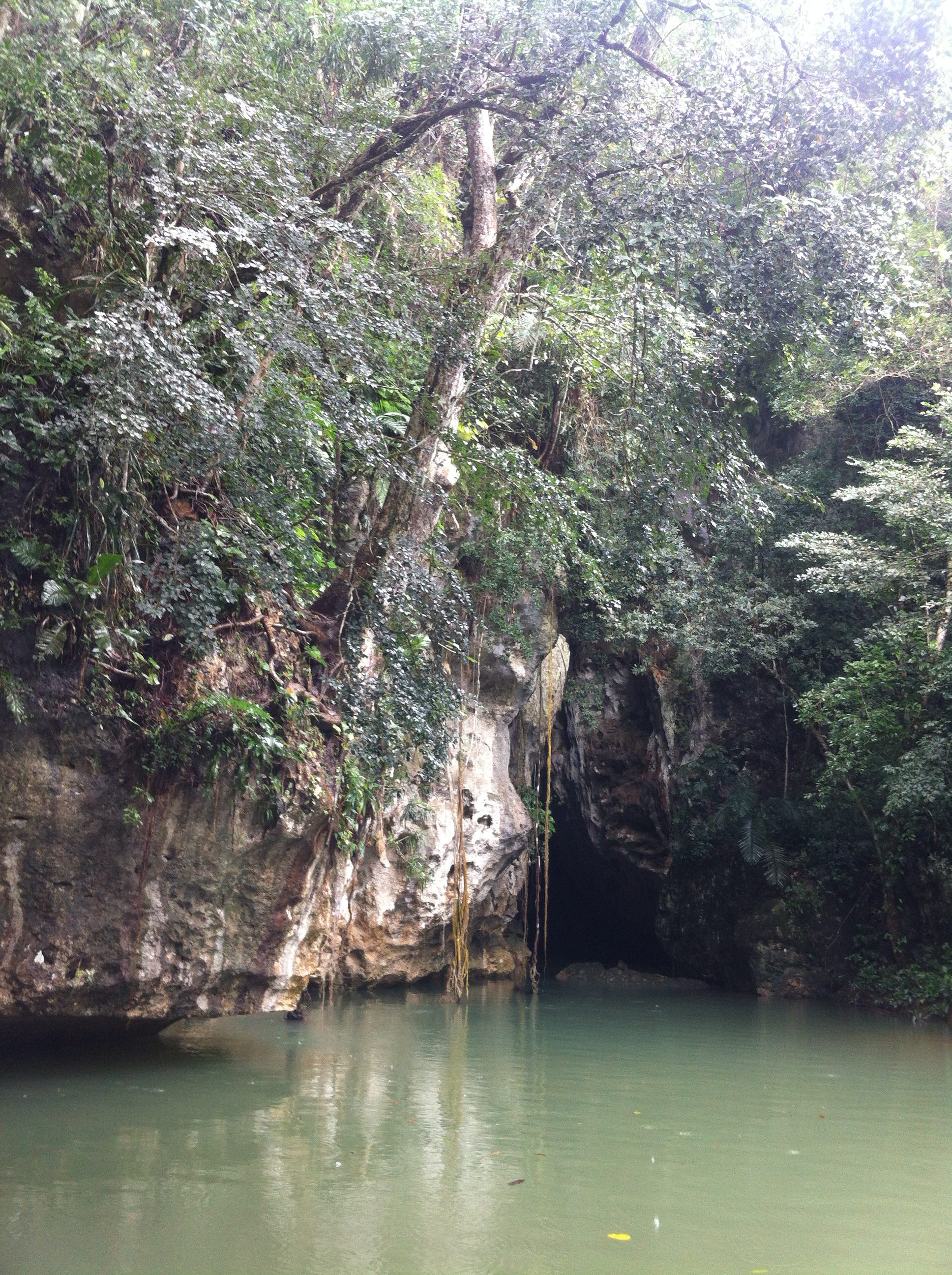
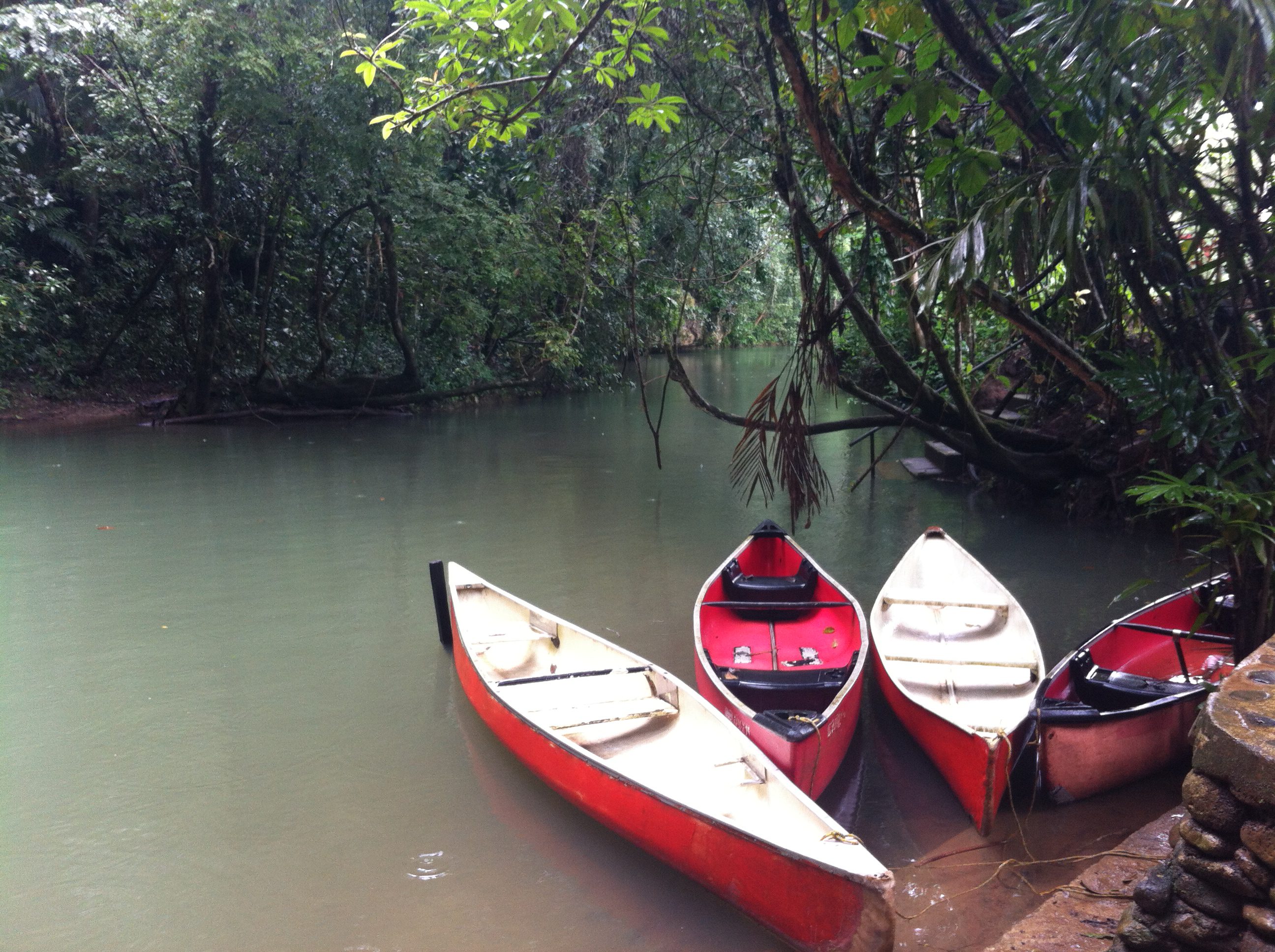
Here is the cave entrance and the canoes.

As we paddled into the silent cave, the hooting of a barn owl that sat in a niche high above the entrance echoed in the darkness, which closed on us as soon as we were a few meters in.

A second guide, Alex, had been called in from his Sunday off because Mike hadn’t been expecting our group.  We drifted along at a leisurely pace, looking at the formations and ancient pots left by the Maya (maybe).  We paddled about a mile into the interior, and I asked Alex about his life.

He was 25 and from El Salvador, from whence his family had fled during the civil war.  He lived with his mother; his father had gone north to California, where he had a successful business.  Alex’s siblings had followed his father one by one and wanted him to join them.  He hadn’t seen his father in over 20 years.  He had no future in Belize.  But he was the youngest child, and his mother wanted to stay in Belize.

“Last month,” he said, “My father got me a visa and I was prepared to go.  But I just couldn’t leave my mother.”

I groaned internally.  Donald Trump had just issued a decree ordering the number of refugees admitted to the US in 2017 be cut in half.  Alex had probably missed his last chance.

Strangers, All

This is a series of posts about Italy, Malta, and Spain that starts here.

The trolley ride was worth the agro of finding the tickets and figuring out how to get on the damn thing.  As I’ve written, many of the streets of Granada are no wider than one lane.  The trolley was narrow, but it came within inches of grinding against the stone walls on either side.  Granada is also very hilly.  At one point we were going downhill and it felt like the brakes weren’t engaging.  Everyone cried out in alarm.  I think there may have been an old woman with a basket of kittens crossing in front of us.  At the last minute the trolley lurched to a stop and we all laughed nervously in relief.

Lynn and I wanted to find a fast, cheap lunch place.  We came upon a hole-in-the-wall Syrian restaurant that didn’t serve alcohol but that was okay.  The place was maybe 12 by 12 feet, had four tables, and was decorated with rugs depicting scenes from Syria, presumably. It was run by a man and wife; she was the cook and he ran the front of the house, such as it was.  He spoke some English and was able to tell us he had come from Syria two years before.

The door opened and a little girl waltzed in, as little kids do, twirling and fidgeting and humming.  Her father gave her a very long hug; I wondered if that was his usual style or if he fiercely appreciated being safe in Spain with his family.  Was this all of his family?  He went in back and came out with a giant present for her—a puppet set.  She sat near us and I spoke Spanish with her.  She was five years old and no, it wasn’t her birthday; the present was from her aunt and uncle who lived far away.

Our host brought our food.  After my two-week trip to the Middle East the year before, I had sworn I would never eat hummus again.  But it was great to have something different—hummus, falafel, baba ganoush, a simple salad with vinegar, and olives and pita bread.

Other customers filtered in and I heard an American accent.  It turned out that one of the guys at the table next to ours was a Syrian-American from Chicago visiting cousins in Granada.

I asked where the toilet was, and the owner pointed behind me.  What?  I stood up and turned around, then parted two rugs hanging from the ceiling to reveal a dilapidated door that didn’t lock.  Now, “toilet” in Spain and most other places in the world means what most Americans call the “bathroom.”  The bath “room” was smaller than a broom closet and the actual toilet was not bolted to the floor so it made a loud thunking noise when I sat down.  It was awkward, and I just had to do what I had to do even though probably everyone in the restaurant could hear it.  Where was the loud music when you needed it?

Lynn and I went our separate ways for the afternoon.  I visited the Musuem of the Sephardi aka the torture museum, which I wrote about as soon as I returned.

As I write this, the headline on the front page of the Sunday Minneapolis Star Tribune newspaper is, “Twin Cities Jewish Community Shaken by Rising Anti-Semitism.”  So while the exhibit was historical, it really wasn’t.

Meanwhile, Lynn had found the tourist office and had asked about the Flamenco shows.  To my relief, she had decided she didn’t need to see one.

We tried another hole-in-the-wall restaurant for dinner.  We ordered a pizza and it was clearly a frozen one that had been microwaved.  So what?  We wolfed it down, and their cheap house red wine was fantastic.

We were the only ones in the place besides a young woman who we guessed was Chinese.  She was frantically trying to get her mobile to work.  I wondered if she was homesick.  We would have been happy to keep her company her if she had ever looked up from her phone.

On the Move

This is a series of posts about Italy, Malta, and Spain that starts here.

I awoke in Malta to a new a racist, misogynist, and xenophobic regime in my poor country.  Of course that’s just my opinion and I’m one of those elitist, city-dwelling liberals who believes in facts.  Who needs facts when you have someone telling you what to think?

Based on the American news, I had expected to see hordes of refugees in Europe.  I follow the liberal news sources, and the scenes we see are of throngs of swarthy, dusty people behind fences, their fingers entwined in the chain links as they call out to be released from whatever camp they are in. Cut to scenes of dark young men sitting on the sidewalk in some European city, looking like they’re plotting something. Then there are the close-up shots of dusty, tired-looking women (always wearing hijabs) holding young children who have one tear rolling down their dusty cheek.

The impression we get from even the liberal news is that refugees are invading in massive numbers.  Specifically, Muslim refugees.  Now, I don’t know the exact numbers but since I work for an organization that serves refugees, I know there are many thousands of people seeking asylum in Europe.  However, the images we see didn’t play out for me in Europe.  I never saw crowds of refugees—unless they were wearing Prada and I mistook them for Italians.

I may as well say here that my American image of Italians as being dark, short, and well-dressed were confirmed on this trip.  The Maltese were also dark, even shorter, and while not as impeccably dressed as the Italians, I didn’t see many people wearing jeans or sweatshirts.  Many of the Maltese I saw also had beautiful green or amber-colored eyes.  Was this a result of the mingling of many nations that had taken place over millennia?

I could count on one hand the number of women I saw who were wearing hijabs.  I saw more nuns than black people during the entire three-week trip in three countries.

As I wrote on Election Day, I did meet an Ethiopian immigrant in Malta who went to the immigration office with me to find out if I could claim political asylum or just buy my way in.

After I learned that I couldn’t run away to Malta forever, I decided to at least see as much of it as I could in one day.  I had been up drinking espresso since 4:30 am and had had very unsettling news; what a perfect mode in which to explore a new country!

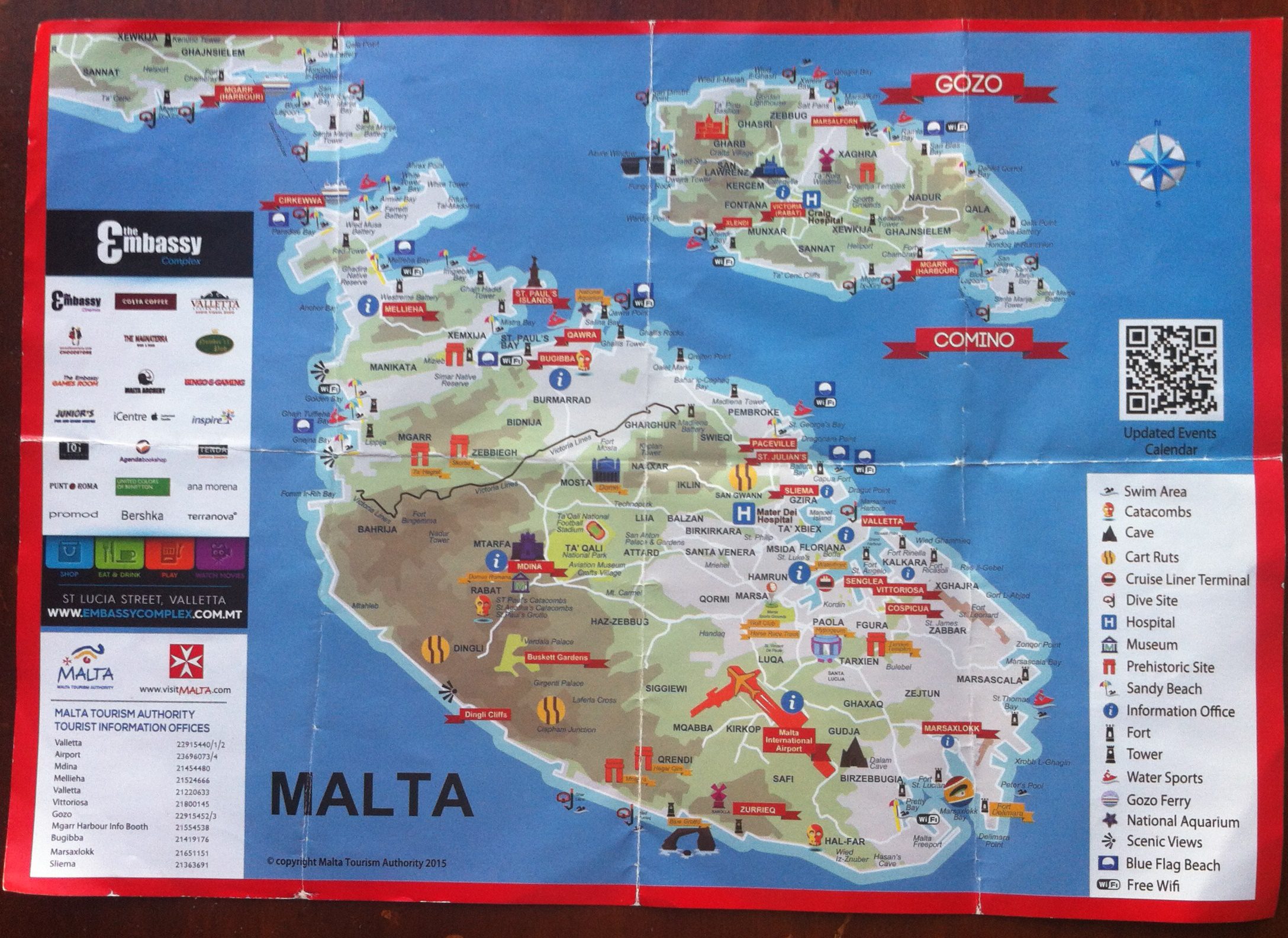
I found the Hop-On-Hop-Off Bus, which is a great way to get the layout of a city without having to figure out public transportation. Here is the map:

hop-on-hop-off

I ran to catch the bus, then sat for 45 minutes and talked to the driver and ticket seller until starting time. Both of the men appeared to be in their early 40s.  There were no other passengers, and the rain drizzled down continuously while we waited.

The driver didn’t have much to say but the ticket seller was up for talking. Topic number one was the American election, and they were as shocked as I was about the outcome.

“Probably some people here are happy about it,” the ticket seller said.  “Malta is a very conservative country.  Very Catholic.  Abortion is illegal and divorce was only legalized a few years ago.  Gay marriage?  Don’t bring it up.”

Maybe it hadn’t been such a great plan, me moving to Malta.

“But things are changing.  We’ve only got 400,000 people and of course a lot of the young ones have different ideas.”

Finally, the bus got going.  We stopped at a few hotels and picked up more passengers.  The first “stop,” if you could call it that, was in Tarxien, just outside of the capital city of Valletta.  The street was so narrow and congested that the bus basically slowed to a roll while some of us leaped off.  The driver waved his arm to the left and yelled, “Hypogeum!” then to the right and yelled, “temples!”

I was hopelessly lost within five minutes.

Dakota Bound

I’m on a road trip! No, not to New Orleans. Believe it or not, I am going to meet with three potential donors in Sioux Falls, South Dakota. Yee haw!

Here’s the deal. The Center for Victims of Torture, where I work, does psychotherapy, physical therapy, and social work for survivors of torture and war trauma. We do it in groups in Jordan, for instance, because all the clients speak the same language. We do it on an individual basis in Minnesota, because clients come from 36 different countries and speak myriad languages which must often be translated, which doubles the time everything takes.

This is all good as far as it goes, except that there are an estimated 1.3 million torture survivors in the US alone. We do a lot of training to try to equip professionals outside of CVT to recognize and help torture survivors. But there’s also no way we can train every doctor, social worker, cop, or immigration officer that might come into contact with a survivor.

People have been talking about doing something with technology at CVT for years, but without funding that’s just dreaming. Part of my job is to find new sources of funding, and that’s what I hope I’ve done. I won’t bore you with the details, but there are three HUGE international development innovation funds that we hope to tap. To do this, we need to find partners who know how to reach patients in remote or difficult to access situations. That’s why we’re going to South Dakota.

It’s so important, when you’re trying to get people fired up about complicated ideas, that you have the right people on your team. My co-pilots on this trip are a colleague who is from Sioux Falls and whose father has opened some doors for us, and CVT’s clinical advisor for our international programs, who is Kenyan and a PhD psycholgist. He describes the needs this way:

In Nairobi, there are thousands of Somali torture survivors living in the slums who are not there legally, under the protection of the United Nations. They literally cannot leave their dwellings during the day, because the Kenyan police will round them up and shake them down for bribes. Which would you choose: Pay a bribe, or be sent back to Somalia where you may face certain death? They may not have iphones, but could we develop a text-based therapy intervention?

Among the survivors who are in Nairobi legally, there are many Congolese and people of other non-English speaking nationalities. Kenya is an English-speaking country. The refugee kids may have already missed years of schooling due to being forced to serve as child soldiers and living on the run or hiding. Now they spend 12 hours a day in school—regular school, plus an extra block of time added on to learn English. They have survived unimaginable horrors. Many of them need psychotherapy or physical therapy, but they don’t have time for it. Could we develop a game-like therapy intervention that would appeal to youth?

CVT also works in Dadaab, the largest refugee camp on earth, in northern Kenya near the Somali border. Its population is about the same as Minneapolis—about 350,000 people. Could we do tele-therapy with them—either mental health or physical? If so we could reach so many more people. We could also use videoconferencing to train our own and other organizations’ staff.


“Do they all have smart phones in Dadaab?” I asked. I have been to Nairobi but not Dadaab.

“I don’t know,” he replied. “We would have to do a survey to determine who has the old Nokias, how many have smart phones. The Chinese are making big inroads into the African market with cheap smart phones. Most Kenyans use their mobiles for everything. They don’t have tablets or desk tops or TVs or land lines. They’ve basically skipped over those generations of devices and they do everything on mobiles.”

I love projects like this. They’re big, messy, uncertain, and complicated. They require me to work with people with whom I don’t normally interact. They may have big payoffs. And in this case they require a road trip.

Do Gooder Abroad

The first overseas trip I took was to London. It was 1987, and Vince and I had become obsessed with Dr. Who and spoke to each other in terrible English accents. I read that the guy who played the Doctor, Tom Baker, was going to be in a play in London. Like so many trips I’ve taken since, it was that slim thread of a reason that got me started.

But I had also gone to a lecture by Arthur Frommer, the travel guru, on how to travel cheap. He mentioned volunteering with places like Volunteers for Peace. I paid my $400 for the one-week “experience”, bought a plane ticket, and away I went.

Looking back, I can hardly believe I did it. The only other country I’d ever visited was Canada, where in those days you could flash your driver’s license as you drove over the border. I don’t remember what I did there; probably fed potato chips to black bears out of the car window.

My mom was more than happy to keep Vince, who was nine. He was happy to be spoiled.

I went a week before the program started and from dawn to dusk saw all the sights. With my map in hand, searching hopefully for a street sign and stopping people to ask directions, I must have reminded them of Crocodile Dundee in the scene where he says “G’day, mate,” to every passerby on the sidewalks of New York. As I was informed in due course by my fellow volunteers, I was a “typical American” because I wore jeans and what we used to call tennis shoes and I complained that there was no Diet Coke or ice or ketchup.

I was dazzled by the Crown Jewels. I saw Tom Baker on stage in “An Inspector Calls.” I went to Friday services at a synagogue and saw a woman with numbers tattooed on her arm. I got lost over and over which led me to the Dickens Museum, which turned out to be my favorite museum. I was propositioned by a creep in Hampstead. I stayed in a “hotel room” the size of a cracker box with a cold water bathtub down the hall lighted by a dim, bare bulb. I got the exchange rate backwards and paid way too much for a sweatshirt at the Hard Rock Café. I stole some toilet paper from a public toilet that had “Council Property” printed on every square.

You know, the usual London stuff. I took a lot of pictures of cars; I’m not sure why.

UKCars

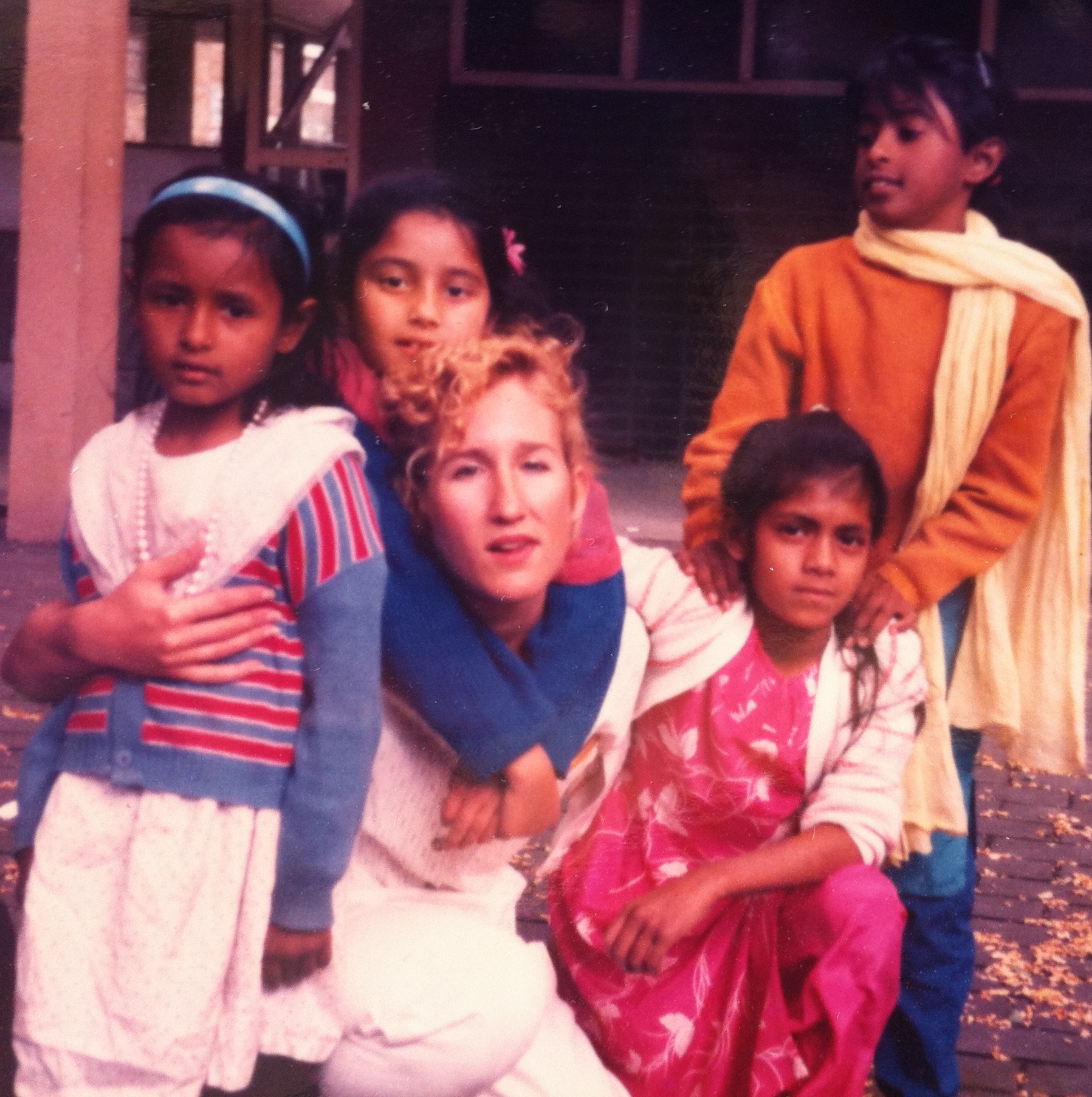
My VFP group included 20 20-somethings from Poland, West Germany, Holland, India, Sweden, Italy, Spain, and Mauritius, a country I’d never heard of.

We were there for a “work camp”—a terrible name but basically VFP housed us in flats in London’s East End and we babysat immigrant kids during a school holiday so their parents wouldn’t have to take time off work. The flats had peeling wallpaper, cold water, and mattresses on the floor. The smell of rotting garbage was constant.

I was bewildered that my fellow volunteers weren’t hooking up or drinking. I would have expected that from an American group, but these kids were so serious.

Bengalis

At night we were lectured to about how the Bengalis and Pakistanis and Indians came to work in the East End basically as indentured servants, and how now the National Front was outraged they “these people” were bringing their families over.

NF Boys

The kids were adorable and they knew an opportunity when they saw it. Another volunteer and I tried to take a dozen kids to Epping Forest, but before we got there they scrambled over the wall of a private garden and stripped all the apples off the trees. The homeowner ran out, screaming. I think if we hadn’t been foreign volunteers, she would have called the police.

This was when I thought, “What am I doing here, babysitting other people’s kids while mine is 4,000 miles away!?” It was my first extended time away from Vince and I couldn’t wait to get home.

And as soon as I got home I couldn’t wait to go on another trip.