Category Archives: Budget travel

Thank You

In real time, Happy Thanksgiving, if you are American.  Happy Thursday, if you are not.  I have some news items to share at the end of this post.

Day four in Australia.  Day four?!  It felt like I’d been here forever, in a good way.

We alighted from our bus for sunset viewing of Ularu.  I walked around snapping photos of other tourist vehicles. I have spent many hours in these heavy-duty Toyotas in Kenya and Ethiopia.

There was this crazy sardine-mobile, some kind of motel on wheels.  I’m all for budget accommodations, but this beat even the bunkhouse for the claustrophobia factor.

There was this dusty, Mad Max BMW motorcycle.

A group of barefoot Aboriginal women sat on the pavement selling paintings.  I felt a sharp, uncomfortable contrast as Meg poured sparkling wine.

But then I was distracted by food.  “This is kangaroo jerky,” she indicated, “this one’s emu pâté  and this here’s croc dip.”

“The kangaroo is delicious!” I commented.  “It’s like venison.”

Heidi didn’t touch it.  “I can’t eat it. The kangaroo and the emu—they’re our national animals.”

“They’re animals that can only go forward,” explained Heidi.  “Like our country, I reckon is the idea?”

“I guess I wouldn’t want to eat a bald eagle,” I replied.  Well, all the more emu and kangaroo for me!

The members of our group began introducing ourselves.  Trevor and Gwen had immigrated to Australia from Nottingham, England, 20 years ago.  They were here with their 14-year-old daughter, Tiffany.  Kris and Melanie, a young Swiss couple, never spoke unless spoken to, so I didn’t get to know them at all.  Brenden and Stefanie were another young couple, from Canada.  Johannes and Sandra were a middle-aged German couple who took elaborate tripod-assisted selfies of themselves jumping for joy in front of every landmark.  Mia and Nora were also German; both were around 22 and they were student teachers in a German school in Melbourne.  There was a Chinese couple—father and daughter?  Lovers?  They stood apart and avoided all eye contact.  Another couple, Darren and Kylie, were also a May-December pair.  They said their names and that they were from Melbourne, then also kept to themselves.

I spoke with James, a 30-something Korean guy who spoke confident but almost-impossible-to-understand English. He was an out-of-work cook from Adelaide, blowing all his savings on a last hurrah in Australia before going home to an uncertain future.  He reminded me of Vince.  Because he was a cook, but mostly because there was a soulfulness about him.

Thanksgiving is my favorite holiday because it doesn’t involve decorating the house inside and out, buying presents, or any Christmas/Hanuka dilemmas.  You just eat a lot with your family or friends, then fall asleep in front of the TV watching The Hobbit for the millionth time.

Thanksgiving is about—as the name implies—giving thanks, and I have a lot to be grateful for this year.  As I sit here at my writing desk and look out the window at the grey sky and freezing drizzle, I am grateful for a warm home.  I am healthy.  I have friends and family.  I got to spend a month in Australia!  I wish I was there now.

And, some big news: I quit my job last week.  More on that later, but I already feel 10 years younger.

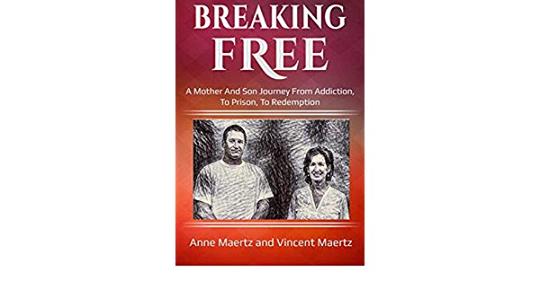
And another big development: Vince and I started this blog together four years ago.  We just published the first year of the blog as an e-book.  It chronicles his time in prison, his recovery, and my ride along with him.

Besides providing insight into why people turn out the way they are, we’ve been told by many readers that it’s just a good read, a page turner.  So if you’re looking for something to binge read over the weekend, or holidays, consider buying a copy.  Only $3.99!

Breaking Free: A Mother And Son Journey From Addiction, To Prison, To Redemption https://www.amazon.com/…/B…/ref=cm_sw_r_cp_apa_AbI9Bb9K1SXQM
Please feel free to share this on social media, and thanks for reading—we know it can be difficult stuff but addiction and all its consequences, including imprisonment, are a reality for hundreds of thousands of people every day.
Not More Champagne!

Heidi lived in Papua New Guinea as a child, lived in London for 18 years, and has traveled all over Europe but she had not yet been to the Red Centre.

“I feel privileged to be seeing this with you, both of us for the first time,” I said as I peered down into a diorama at a taxidermy platypus. Heidi stooped down next to me. “I feel the same!  Such a strange-looking little thing; I’ve never seen one, alive or stuffed.”

The Cultural Centre had a small gift shop, and I lingered over some throw-pillow cases with Aboriginal art.

“They’re beautiful, but they’ll be everywhere, right?” I didn’t want to weigh myself down with more stuff, when we might have to carry everything on our backs.

“Oh, I’m sure.  Whoops, it’s time to get our bus,” replied Heidi.

So I didn’t buy the pillow cases and I never saw anything like them again, but in the grand scheme of things, throw-pillow cases are not important.

There were about 30 Italian tourists waiting on the curb, dressed in black, with black Italian luggage and handbags and black sunglasses.

“Surely they can’t be on our tour?” Heidi wondered.

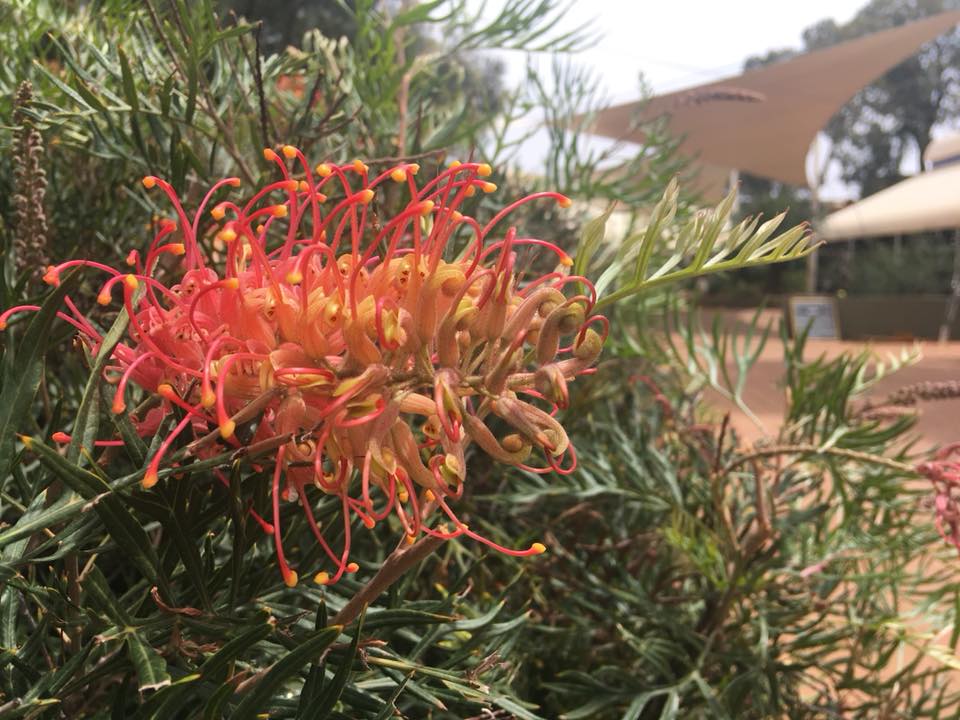
I was snapping photos of the bottle-brush-like flowers that were everywhere around the resort.

I thought Heidi said, “Banksy are lovely, aren’t they?”

I looked around, confused.  “Banksy, the British graffiti artist?”  Two of the nearby Italians sniggered.

Heidi burst out laughing, “No!  Banksia—bank’-see-a—they’re kind of our national flower.”

Tour buses pulled up, dropped off or picked people up including the Italians, then drove away.  You could see the rock by Segway, bicycle, camel, motorcycle, hot air balloon, or helicopter.

We would go in an air conditioned bus.  But these weren’t your average tour buses.  They looked really bad ass.

A bus emblazoned with “Adventure Tours” pulled up and a young woman hopped out and called our names. “But we paid for a tour with Intrepid,” Heidi said to her.

“Aw, they’re all connected, or sub contracted, or whatever yer call it,” she replied.  “Throw your backpacks in the storage in back and hop on.”

So we did, and I sat in front which I always do if possible, to see stuff.  Our guide’s name was Meg, she was about 24 years old, and she was a bad ass (that’s good).

There were a dozen people in our group but I wouldn’t start to meet them until our first stop, which was—Kata Tjuta, or The Olgas.  We drove for a half hour and arrived at the gate of Uluru-Kata Tjuta National Park and sat in line for another half hour.

“We’ve got tickets, but you have to get them verified at the gate and it always takes forever,” explained Meg.  “I don’t know why.”

While we waited, she told me the story of her life, including how her boyfriend, who was from New Zealand, pronounces her name “Mig.”

She was from Tasmania, was now based in Alice Springs, five hours away, and worked three or four days a week.  “But of course it’s three or four days of 24 hours a day responsibility for a bunch of people who have never been in the Outback,” she added.

Once we were in, Meg handed back our tickets, which said, “Welcome to Aboriginal Land. Parks Australia and Anangu, the Aboriginal traditional owners, welcome visitors.  It is requested that you respect the wishes of the Anangu by not climbing Ularu.”

Maybe they need to print the message in larger type.

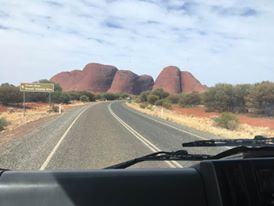
This was my first view of Kata Tjuta, or The Olgas.

Kata Tjuta is a range of dome rock formations, 3,500 feet high at the highest point.

Called The Olgas in honor of Queen Olga of Wurttemberg (daughter of Tsar Nicholas I), Aboriginals have origin stories about them but they do not disclose those to outsiders, or even to their own womenfolk.

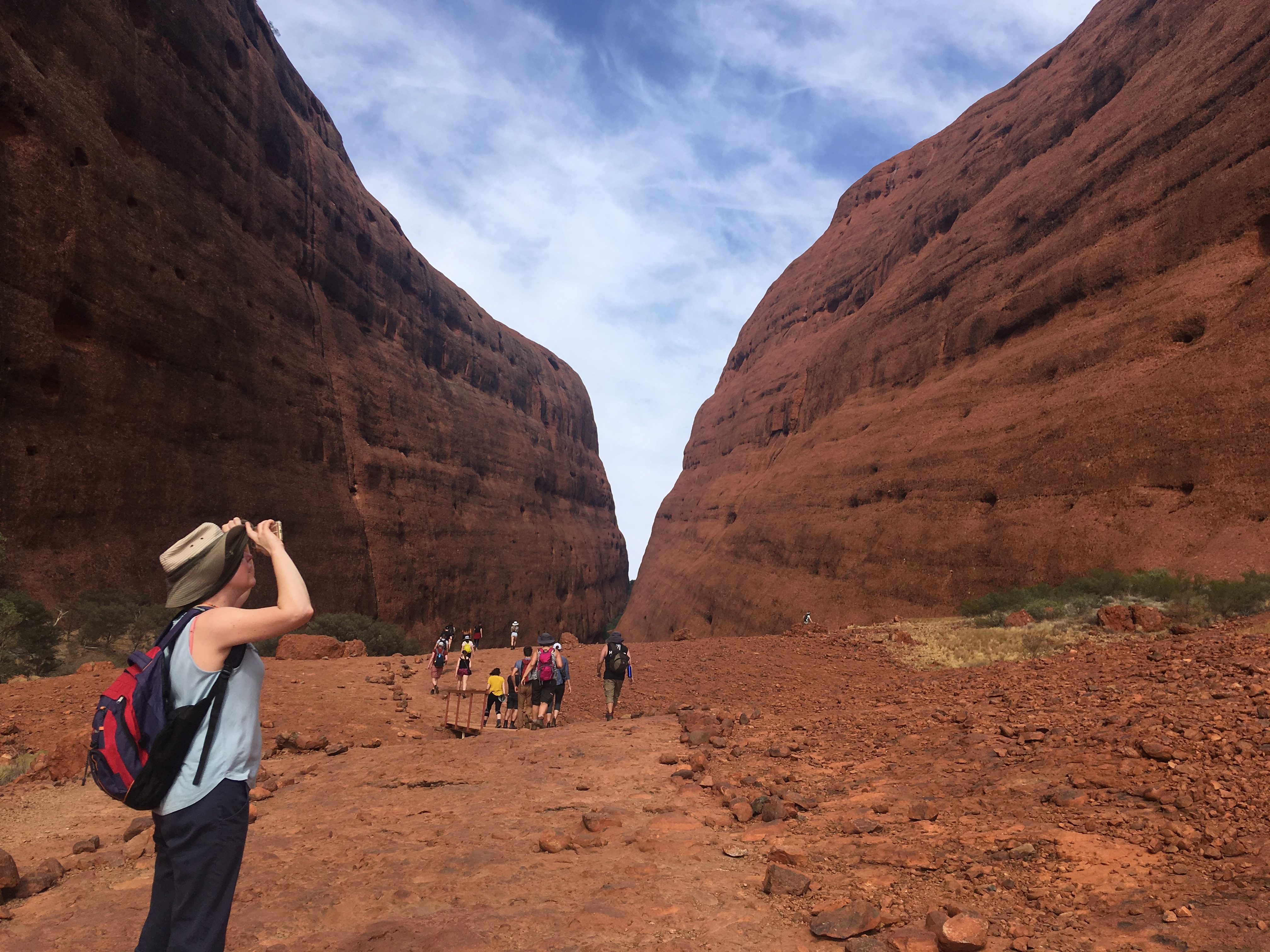
We traipsed up a valley between two of the domes.  This was my first deployment of the fly netted hat.

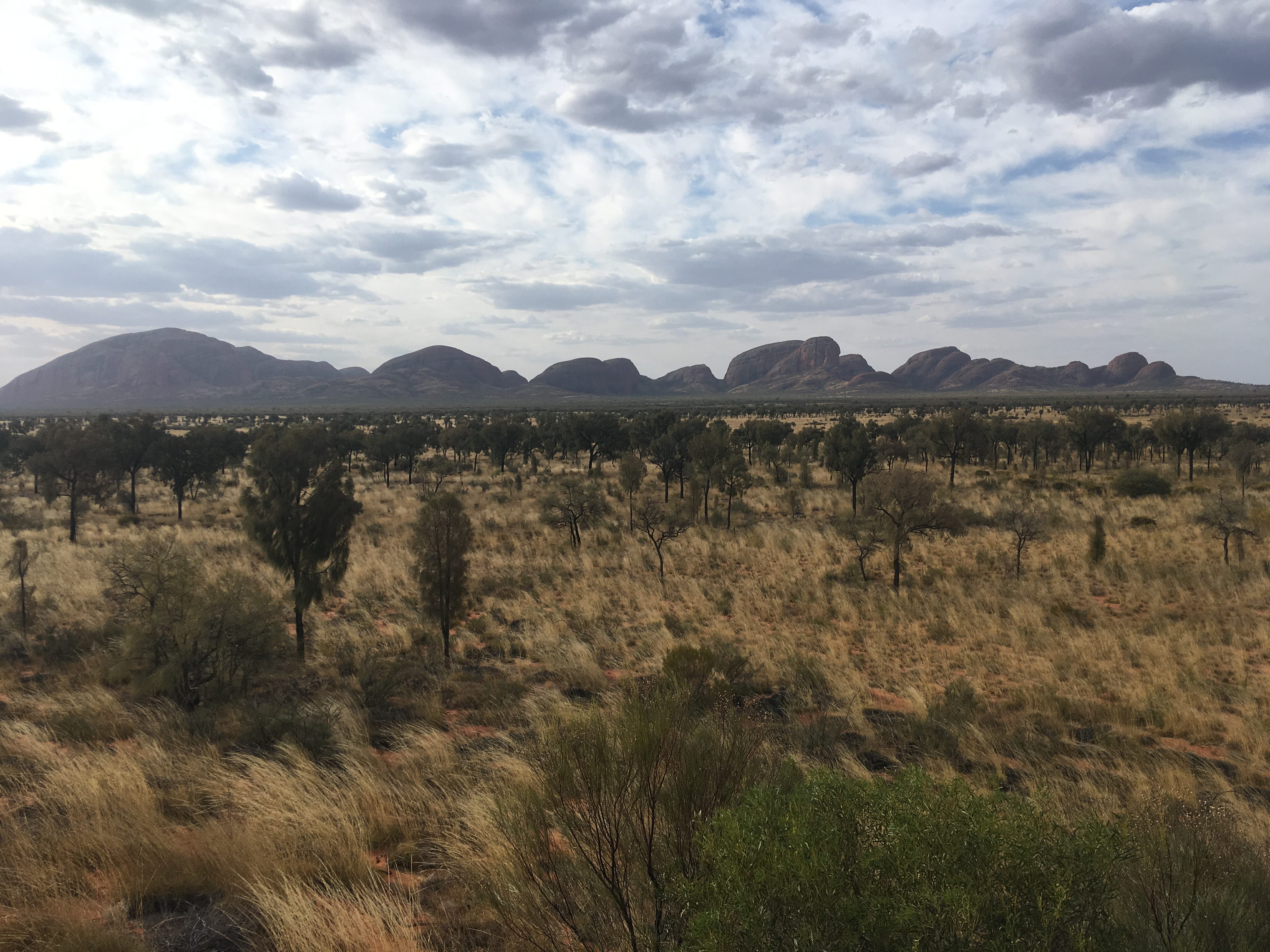
Then we drove away to an overlook to get a view from the distance.

It was already 6:00pm. “Next stop,” Meg called out to our group, “Sparkling wine sunset at Ularu!”

In a Pink-Skinned Country

We had a few hours to kill before joining the tour that would take us to Ularu/Ayers Rock and other natural wonders with two names like Kata Tjuta, formerly The Olgas.

“Our tour is with Intrepid,” Heidi said as she read the deets, “And we need to meet the bus at the Lost Camel Hotel.”

So we left the bunkhouse behind, with no regrets, and walked past Ayers Rock Campground, the Outback Pioneer Hotel, Desert Gardens Hotel, Emu Walk Apartments, Sails in the Desert, and Longitude 131, each of which was successively more upscale. That last one cost $3,000 a night and there’s a minimum of two nights.  We looked at the brochures to see what you got by paying 40 times more than we had paid.

“It’s glamping on steroids,” I said.  The rooms were permanent tents with private views of Ularu.

“I stayed in a place like this in Kenya, on safari,” I told Heidi.  “It wasn’t as deluxe as this, but it was one of the nicest places I’ve ever been and it sure didn’t cost $3,000 a night.  I don’t think I paid more than $1,200 for the whole week.

“The thing is, if I was paying $3,000 a night I would feel like I had to stay in the room the whole time so I would get my money’s worth.”

Heidi laughed.  “Aw, anyone who can afford $3,000 a night—it’s nothing to them!  And I reckon they don’t drink ‘sparkling wine’ on their private deck.  It’s real champagne, baby!”

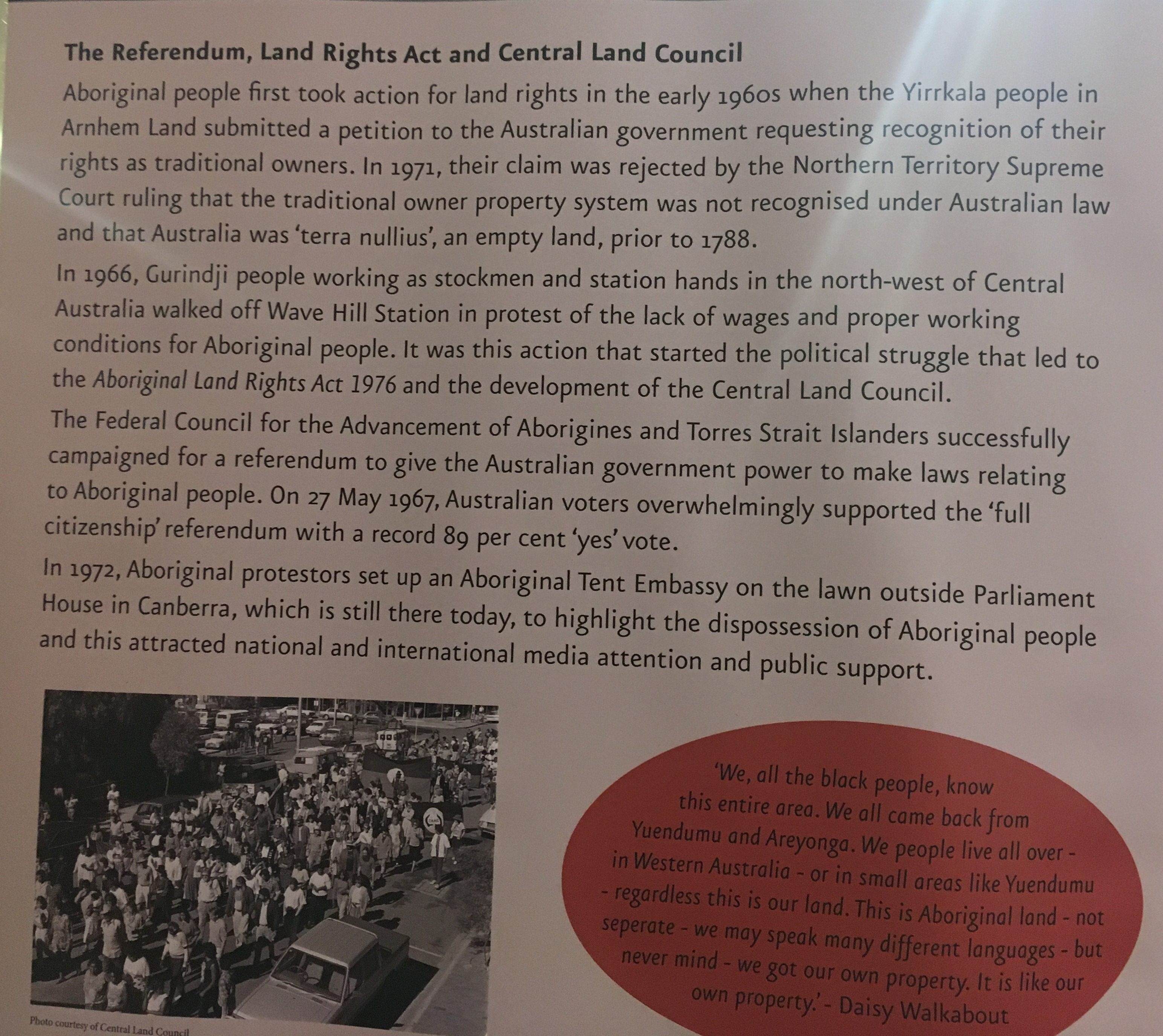
We happened upon a Cultural Centre with displays about Aboriginal history, desert wildlife, and the geology of the area.  It was a great little free museum, basically, so I take back all the snide remarks I’ve made about the Ayers Rock Campground being price gougers.  I snapped one photo before I saw the signs that said, “NO PHOTOS.”

Since you probably can’t read it, I’ll reproduce some of it below.

Aboriginal people first took action for land rights in the early 1960s when the Yirrkala people in Arnhem Land submitted a petition to the Australian government requesting recognition of their rights as traditional owners.  In 1971, their claim was rejected … ruling that the traditional owner property system was not recognized under Australian law and that Australia was “terra nullius,” an empty land, prior to 1788.

Let that sink in.  The Englishmen whose tall ships arrived in 1788 near what is now Sydney were, according to Australian law, the first Australians.  The English made all the laws, naturally stacked in their favor.

There was an Aboriginal civil rights movement in the 1960s, and in 1967 90% of Australians voted yes on a referendum that meant Aboriginals would be counted in the census for the first time.  It also allowed the federal government to make laws regarding Aboriginals, instead of the states.  As in the US, federal laws tend to take better regard of the rights and needs of all citizens. So, for instance—the federal government, in theory, makes more humane laws regarding segregation or voting rights than would, oh … Louisiana or Mississippi.

I was seeing Aboriginals around for the first time.

“Does Australia have anything like African Americans?” I asked Heidi.

“No.  We’ve got people of European ancestry, Asians, Aboriginal and Torres Straight Islanders, and that’s about it.  Obviously we had a Somali cab driver the other day so there are some African immigrants.”

“No Hispanics?”

“No, not really.”

I encountered one guy from Argentina in my month in Australia, the owner of a fabulous Argentine tapas restaurant.

“Wow.  We’ve got 11 million ‘unauthorized’ immigrants in the US.”

Most of them are Hispanic, although 1.5 million are Asian.  ‘Unauthorized’ is the new gentler, kinder term for ‘illegal.’

The Australian census doesn’t ask about race, but it’s estimated that 91% of Australians are white or multiracial people who are mostly white, 5% are East Asian, 2% are Indian (dot, not feather), and 2% are Aboriginal.

By comparison, whites make up 72% of the US population.  Hispanics are 16%, African Americans about 13%, Asians 5%, Native Americans 1%, and 9% are another race or mixed race.

Ninety-one percent white—no wonder it’s called the sunburnt country.

Field of Lights

It was time for the Field of Lights tour.  We boarded a bus, got off 10 minutes later, walked around, and were back at the bunkhouse 40 minutes later.

“We could have almost walked to it, with flashlights!” Heidi said.

“I know.  It’s one of those things you don’t know until you’re there, and then it’s too late.”

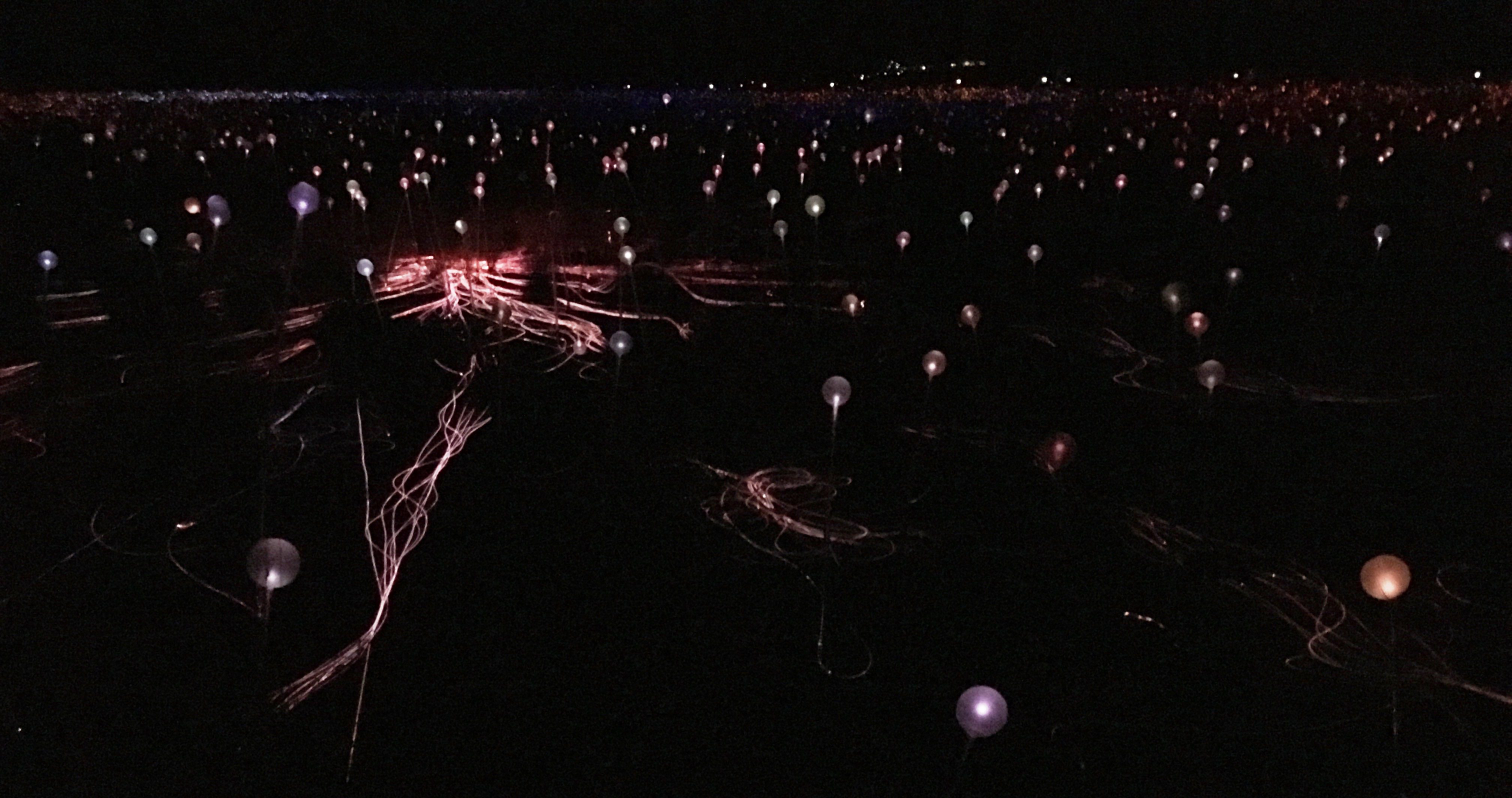
But it was really cool, and beautiful.  There was no “tour,” unless you counted the 30-second orientation to the night sky given by a young guy with an extremely heavy Chinese accent who stood on a milk crate and pointed out the Southern Cross.  What this had to do with the lights wasn’t entirely clear.

The lights were a work by British artist Bruce Munro—50,000 of them glowing organically in the desert.

Heidi and I wandered in separate directions, lured by whatever instinct called.  I wandered a bit too far and started walking back briskly when I realized our 20 minutes of off leash time was almost up.  It was so dark that I headed in the wrong direction.  I imagined being stranded out here all night.  Would they turn the lights out?  Would I, as a Minnesotan, be able to survive the desert cold dressed only in light clothing and flip flops?  Would I have to stay awake all night to fend off the dingos? What if I stepped on a scorpion in the dark?  Could I collect enough dew from the spinifex grass to wash it out?

My daydreaming was interrupted by the sight of someone kneeling on the ground and vomiting violently.  I could make out that it was a man and his friend was standing over him patting his back at arm’s length.  “Must ‘ave been something ‘e ate, I reckon,” said the friend.

At the bus I let the Chinese star guide know there was a man down, and he hurried off.  He’d probably be in trouble if they got off schedule and the next batch of $42 tourists was delayed.

“Did you see that guy throwing up?” I asked Heidi as I sank into my seat.

“Yeah, how awful.  I wonder if it was from the $210 Sparkling Wine Sunset Dinner?” she asked, deadpan.

I woke up early and walked up to the lookout to see Ularu at dawn.  On my way back the quiet was broken by raucous cries coming from the branches above my head and I looked up to see a dozen large rose- and grey-colored birds squawking.

“Heidi, Heidi!” I whispered loudly back in the bunkhouse.  “Look at these birds I saw—they’re amazing!”

She looked blearily at my cell phone as I shoved it in her face and laughed, “Aw, Annie, those are Galahs.  They’re like your squirrels.”  Galahs, also known as the rose-breasted cockatoos.

“Well, we don’t have them in Minnesota,” I pouted.  “How d’ja sleep?”

“Not so well, thanks to this heat pipe two inches from my face,” Heidi said as she whacked it with her fist.

We knew today would be another long day, so we had paid $25 apiece for the breakfast buffet.  There was a $5 discount if you paid the night before.  I thought maybe this was so they would have a head count, but when we rocked up to the buffet I began to suspect that they didn’t want people to know how it was until it was too late.

Everything was cold.  Not cold as in refrigerated; as in “formerly hot but now not.” Cold, limp bacon.  Cold spaghetti (spaghetti is a real fav in Australia). Cold baked beans.  The scrambled eggs were sitting in a half inch of pale yellow water.  We stuffed ourselves with things that weren’t supposed to be hot, like yogurt and fruit and rolls.  The hostess, a middle-aged white woman, was friendly and attentive as she poured the lukewarm coffee.

“What’s the deal with tipping here?” I had asked the first day.  Heidi was adamant that no one tipped unless you were at a fancy restaurant with a large party and the service was exceptional.  Then you might round up the bill.
“We just pay people decent wages,” she explained, “so there’s no need to tip.”

Because It’s There

Our airport shuttle driver had informed us there was plenty of water in the outback but it was all underground.  Still, I began to notice a very strong conservationist approach in Australia, including this recycled toilet paper in the IGA.  I didn’t want to know the details of how it was made, and I probably wouldn’t use it myself, but I’m glad they make it and that someone must use it.

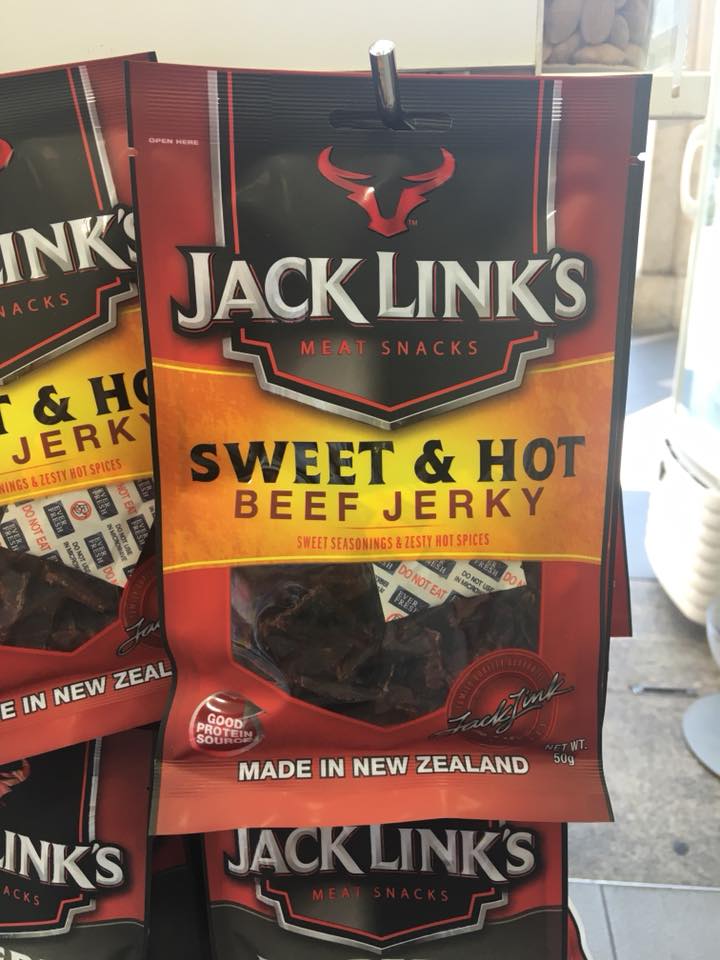
I was aghast that not only was there, as I had expected, Aussie biltong (beef jerky) but also Jack Links.  Jack Links is based in Wisconsin and I always buy it, thinking it is a local company.  But here was Jack Links jerky—made in New Zealand.  Maybe it’s not a Wisconsin company after all.

After our exciting afternoon watching football, photographing toilet paper, and buying kangaroo-themed tea towels, Heidi and I returned to the bunkhouse.  She went in search of the bath huts and my eye fell on a thick folder she’d tossed onto the bottom bunk.  It was stuffed with glossy brochures, pages of meticulous hand-written notes, and rows of calculations.

“I knew you and Danielle put a lot of time into this trip, but I didn’t realize how much,” I said as she rejoined me.

“Yes.  Well, they don’t make it easy.  Everything is a la carte, even Internet, which is why I printed everything out.”  We hadn’t had wireless or 4G or even one G since we left Sydney.

“There’s about a dozen different tiers of accommodations … the wireless … meals … excursions … the one we really struggled with was the Sounds of Silence Sparkling Wine and Sunset Dinner.  It’s all about seeing the stars, and what if it was cloudy?  You wouldn’t get your money back”

“How much was that?  I think I read in my guidebook that it cost $500 per couple.”

“It wasn’t that much.  It was ‘only’ $210 per person,” she replied.  “Of course that’s Aussie dollars.”

“It’s so confusing!  So what’s the $42 thing we’re doing tonight?”

“The Field of Lights.  I think it’s an art installation.”

“I guess we’ll find out.  Did you notice there’s a little sign near the bathhouse that says, ‘Ularu lookout’?”

“Yes!  Let’s see if we can see the sunset from there.”  So we did, for free.

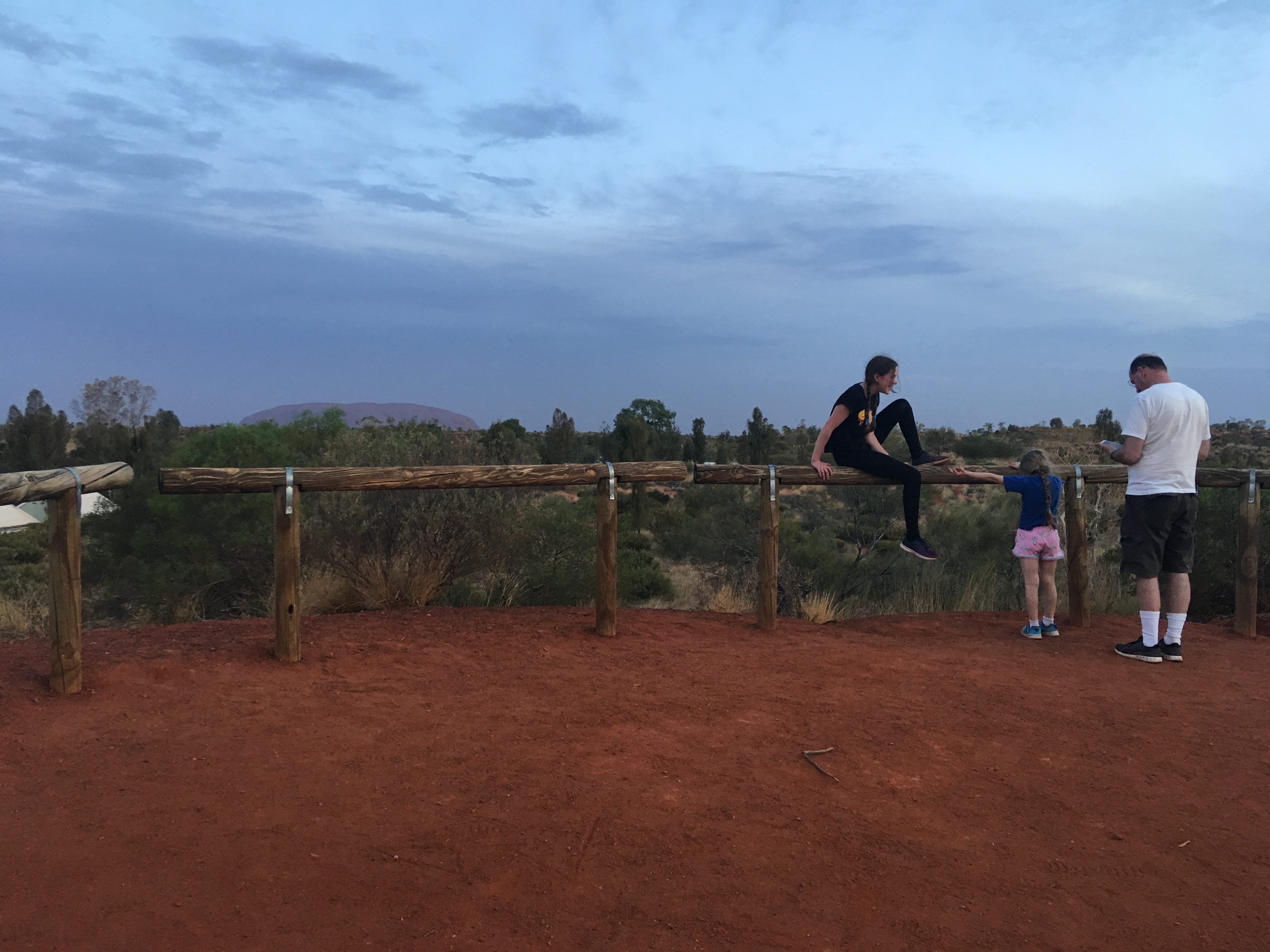
You can just see Ularu (oo’-la-roo) in the distance.

Ularu was formerly named Ayers Rock.  Because it’s a big rock.  It’s 863 meters (2,831 feet) high and 9.4 kilometers (almost six miles) in circumference.  I learned that Ularu is just the tail end of a snake-shaped rock formation, most of which is underground.

Like many such formations, people have always wanted to climb it, and there is a chain strung along posts hammered into the rock to facilitate this.

The local aboriginals, the Pitjantjatjara (pit’-in-jar-a) consider Ularu sacred.  They don’t claim to “own” it; they consider themselves its guardians and ask people not to climb, but people still do.

A woman started chatting with us as her kids climbed and did the limbo and swung on the fence rails, as kids do.  She had disconcerting false eyelashes, an extreme fake tan, and long acrylic fingernails.

“We all climbed the rock today.  It’s just one of those things you have to do.”  There was no hint of embarrassment.  I expected her to at least acknowledge that this was going against the wishes of the aboriginals, but no.
Heidi and I maintained neutral expressions.  The woman moved on from topic to topic, asking questions and not listening to our answers but using her queries to launch a new run-on story about booking holidays, the Australian school system, driving and cars, and I-can’t-remember-what-else.

Once the sun set, it was like someone had flipped off the lights; there was no lingering gloaming. It gave us an excuse to leave.   As we walked down the hill in the darkness while our new friend tried to round up her kids, I murmured to Heidi, “I felt judgey back there.”

“I know; me too, but it’s hard to understand why people still climb.”

The government has settled the matter once and for all, by banning the climb as of next year.

Aussie Rules

The bunkhouse was the best place we could have stayed because it motivated us to get out and explore.

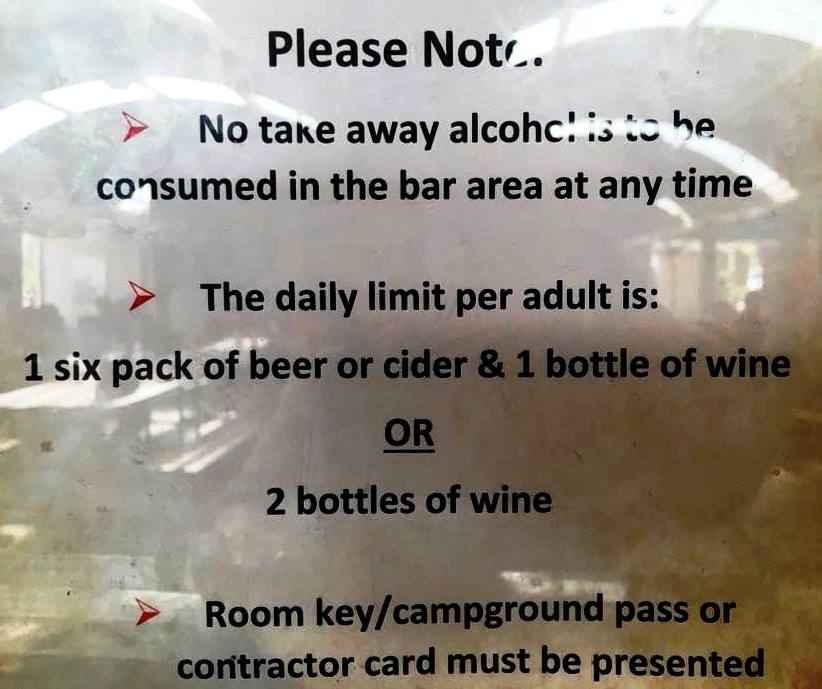
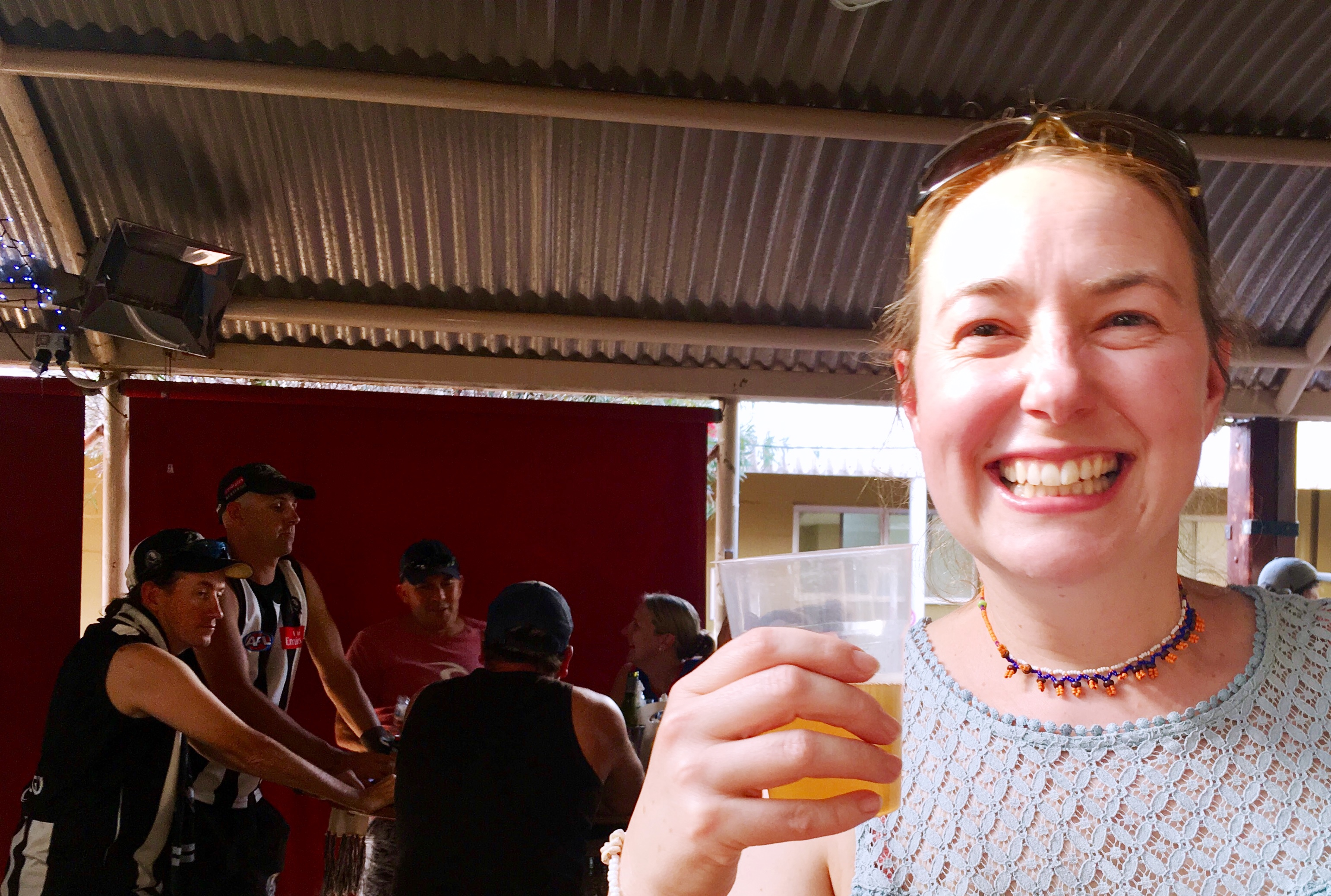
“Let’s get a beer,” I suggested, and we wandered until we found a large open-sided, tin-roofed beer hall from whence a lot of whooping was emanating.  I stopped to read the alcohol limits.

A six pack of beer and a bottle of wine, or two bottles of wine?  I would be flat out on the floor before I ever reached those limits.  There were multiple bartenders and the place was crowded and rowdy.  How could they track who-had-how-much?

“I wonder why you have to show your room key?” I asked the guy next to me at the bar as I looked it over.  “It doesn’t have a tracking chip in it to count drinks or anything.”

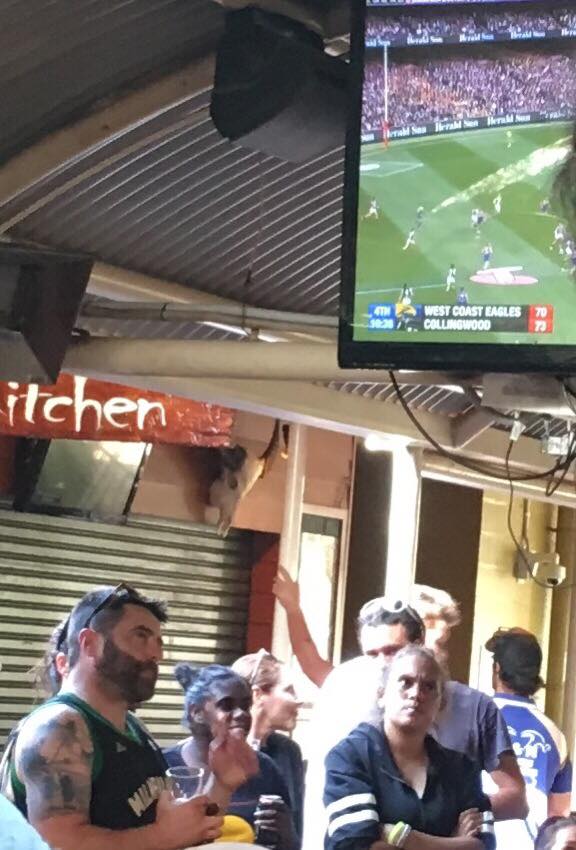
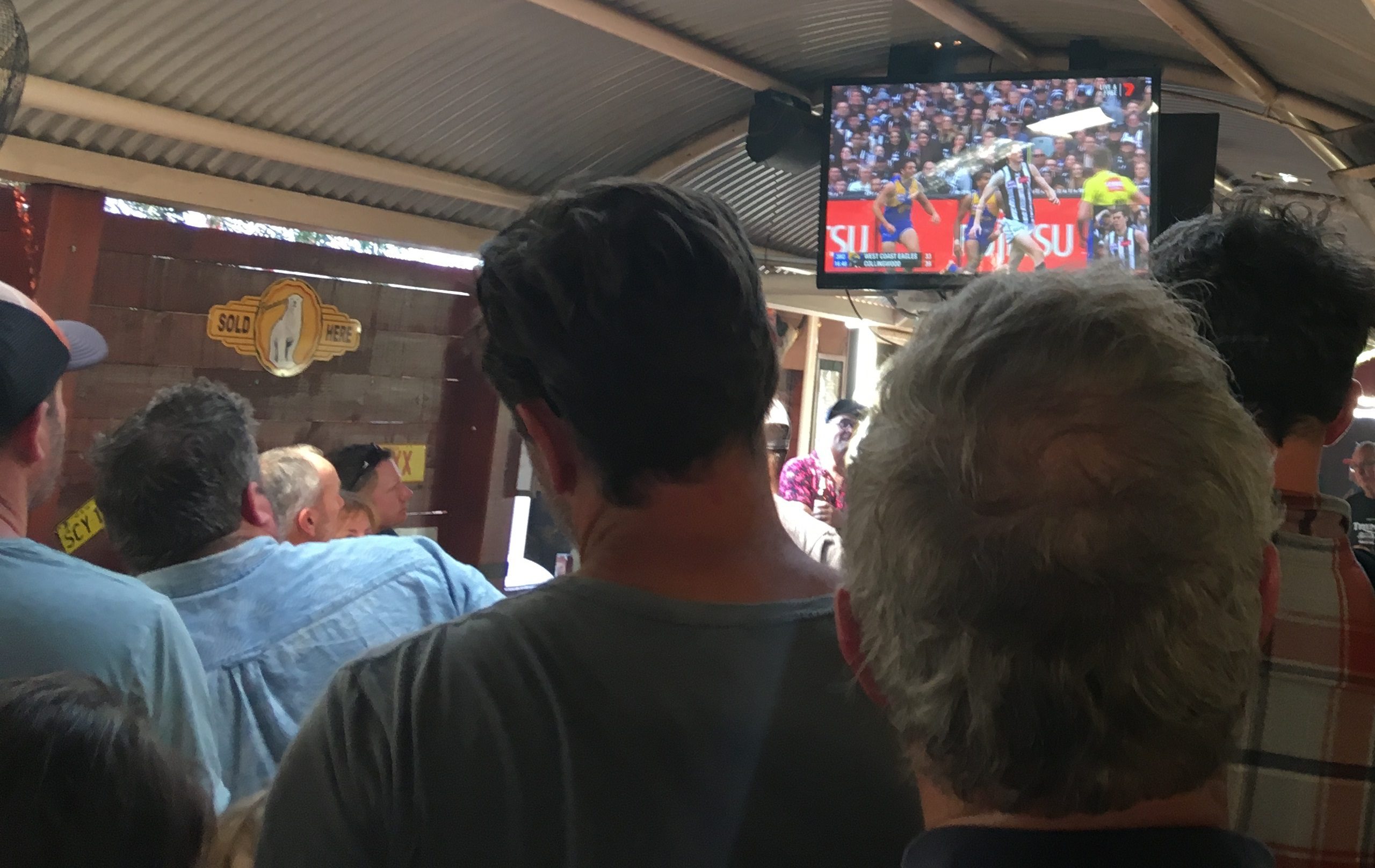
“It’s for the aboriginals,” he said.  “To keep them coming in here and getting pissed.  I have no idea if this was true or not.  I do believe I finally found my sport that day: Australia Rules Football. That was the draw today—the AFL Championship game between the West Coast Eagles, based in Perth, and Collingwood, based in Melbourne.

I didn’t know what was going on, just that very fit men in what look like wrestling uniforms were running around a round field and kicking, throwing, and bouncing an American-football-like ball and tackling each other.  The clock never stopped.

The men in the crowd weren’t bad either, if you like tall, rugged men with tattoos.

Heidi was ecstatic.  She’s a sporty person and she explained the game as we stood in the crowd and watched.  “Collingwood is Dean’s team,” she said, as she texted him a message of support.  Our friend Dean, who we would stay with in Melbourne in a few weeks.

Alas, Dean was destined for heartbreak this day, as the Eagles prevailed over Collingwood in what everyone seemed to agree was a great game.  I enjoyed it, to be sure, but I just have no patience for sports.  When people start talking about plays and stats and lineups my eyes go dim.

At the end the crowd became subdued.  The men in the background, behind Heidi below, were dejected at Collingwood’s loss.  More than one man and boy passed me on his way out with tears in his eyes.  The winners were also subdued—I didn’t notice any fist pumping or victorious howling.  Very civilized.

We walked to the “Town Hall” area, which had an IGA (a grocery), a few restaurants, and some stores that sold souvenirs and outdoor gear.

“I’d better get my souvenirs here, since we’ll be camping the rest of the time,” I said to Heidi as I stuffed my shopping basket with aboriginal-art-themed notepads, wacky Australian animal stickers, and a tea towel with kangaroos on it.

“Oh yes,” Heidi replied drily, “This will probably be your only chance to buy souvenirs.”

I bought a hat with a built-in fly net, a decision that would save me from bug-induced insanity while hiking.

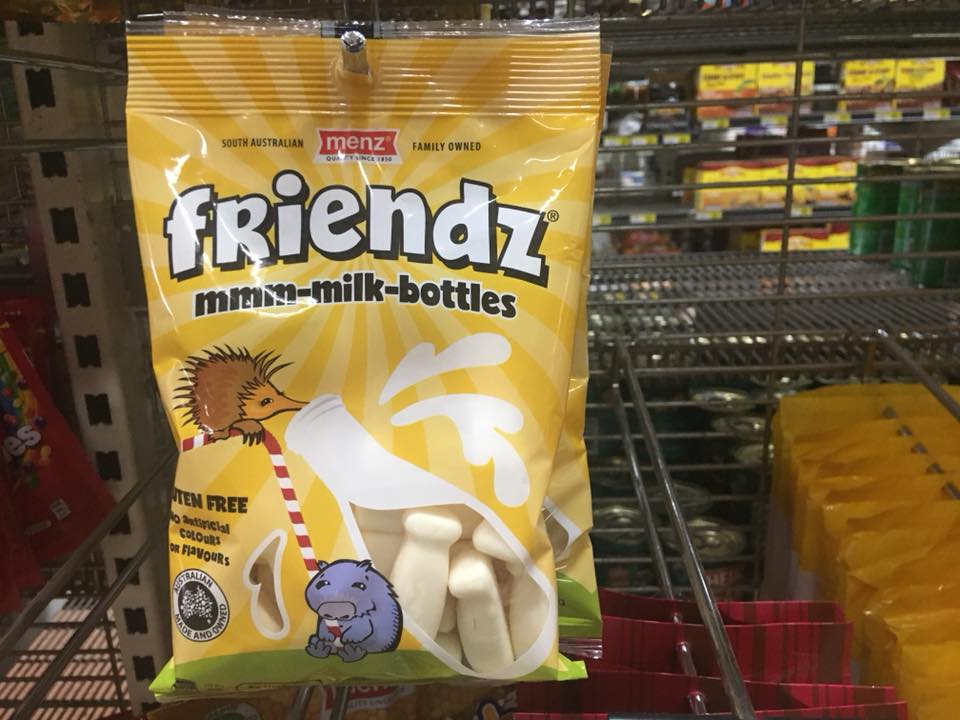
We took a spin through the IGA and as is my habit when traveling I documented another culture through foods and household goods.  I was not disappointed; there were lots of items with Australian themes.

I’m not sure “furry” is an adjective I want applied to candy, but they sure were cute.

The one box of Emu oil moisturizer looked like it had been there for a decade and had been stepped on by a big dusty boot.

This soap was made in “Country” Australia.  Country means rural.

I wanted to buy some Strong and Bitey cheese, especially Bega brand, but we had no refrigeration in the bunk house.

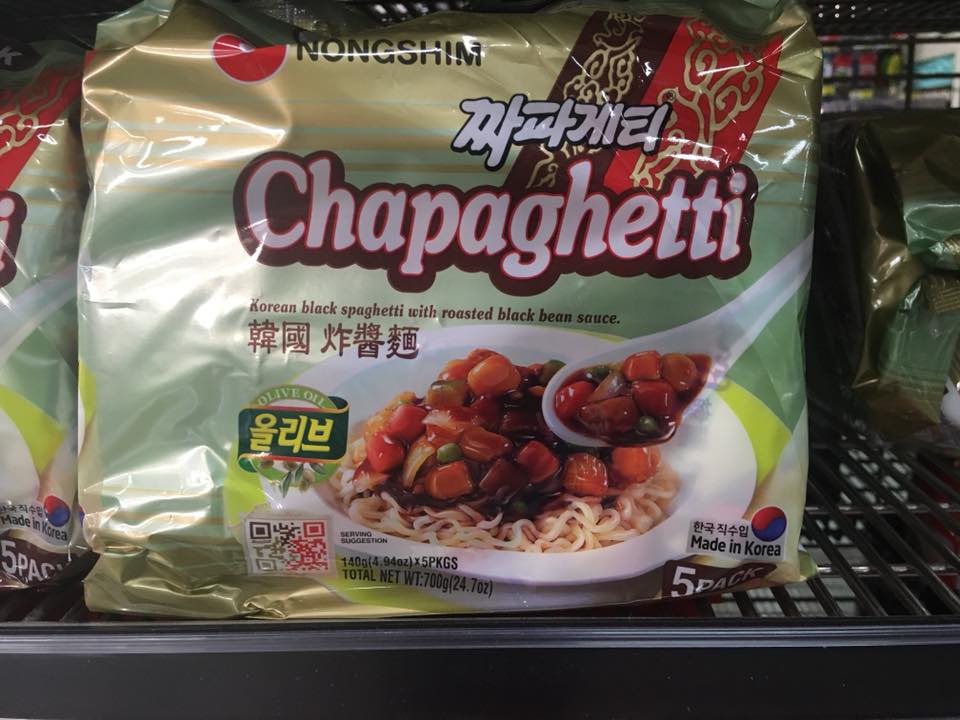
There were lots of Asian imports, like this ramen spaghetti with roasted black bean sauce from Korea.

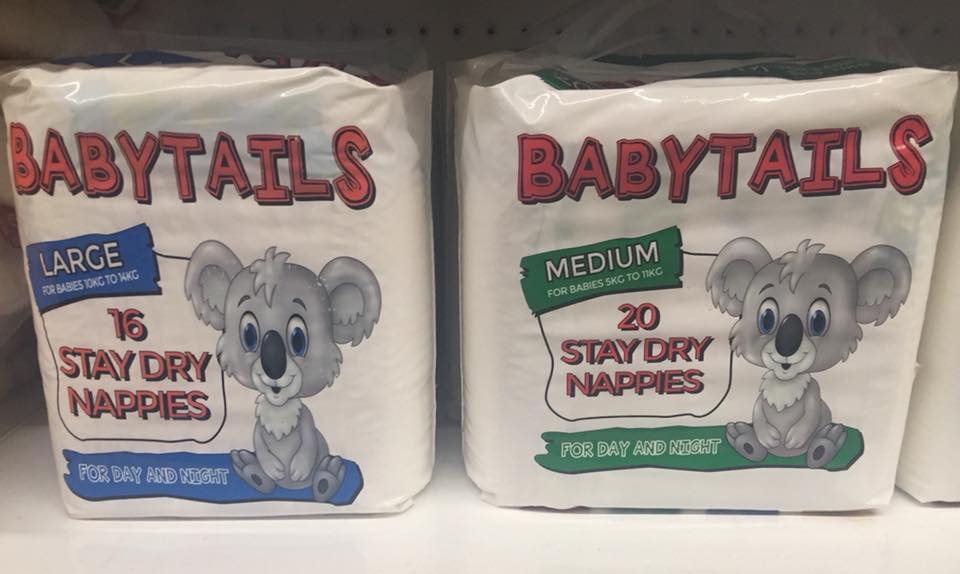
Adorable diapers with koalas.

Infant wind drops “provide relief from infant wind.”  What a relief.

As I would learn, Jatz are the national crackers and people had strong opinions about them.

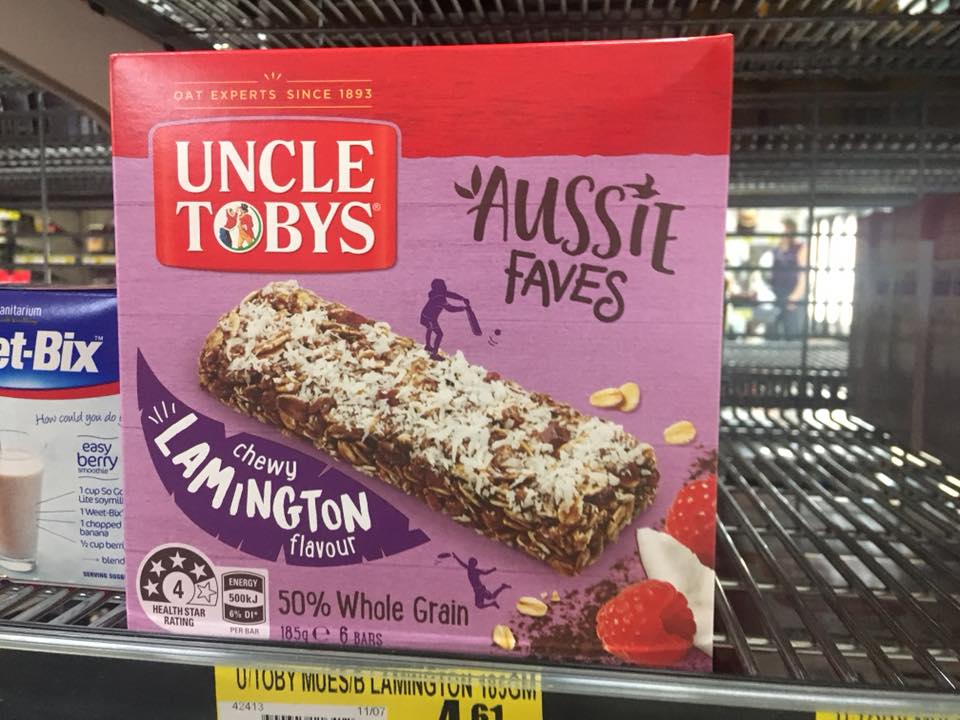
Lamingtons, which are rectangles of day-old chocolate cake with chocolate frosting sprinkled with coconut, are the national—and delicious—cake.

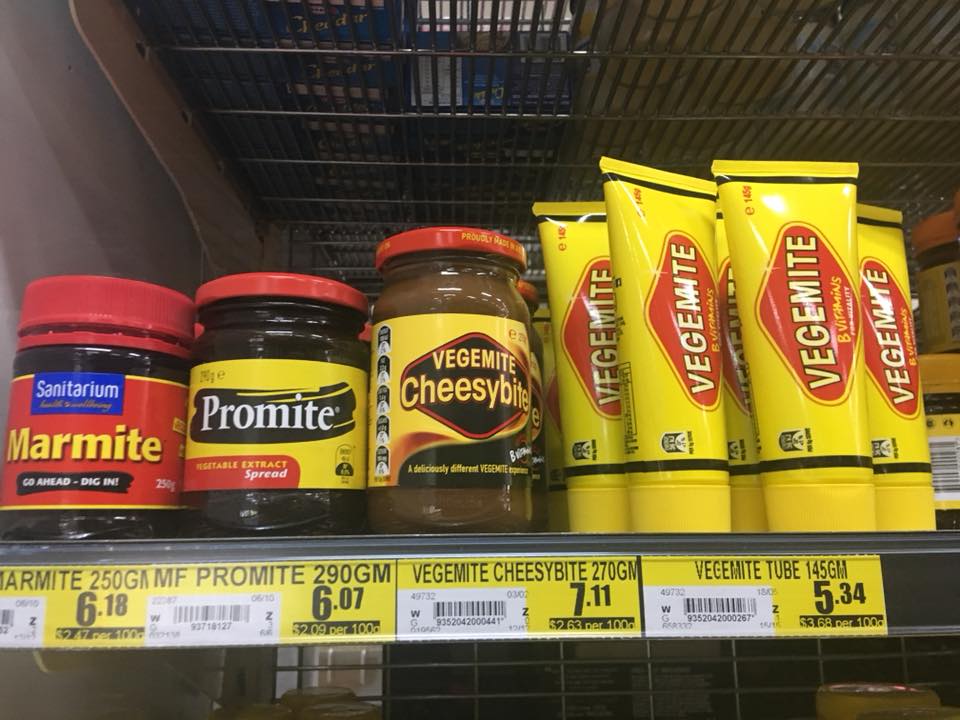
Various mites.  And no, I never did have a vegemite sandwich.

Caravans and Bunkhouses

Last week I wrote a Facebook post which went sort-of viral:

Long post but important, I think.

There seems to be a lot of misunderstanding about immigrants, migrants, refugees, and asylum seekers. It’s important to know that asylum seekers Are Not Eligible to receive government benefits (no subsidized housing, no food stamps, no welfare, etc.) and they also are Not Allowed to work in the US for five months after their arrival.  

Most of the people in the so-called caravan in Mexico are hoping to claim asylum. They have the right to do so under international law. That Does Not Mean they will be granted asylum; the process can take years, and only 10% will be approved.

Asylum seekers are people who have been tortured, imprisoned, raped, and otherwise abused by their own governments, militias, gangs, police, etc. This may have been because they were fighting government corruption, organizing small businesses or unions, they were related to someone who was doing these things, they were the wrong religion or ethnic group, or they were at the wrong place at the wrong time. 

How would you survive for five months if you weren’t allowed to work and you couldn’t get any public benefits? While they wait for their cases to be heard, asylum seekers literally depend on the kindness of strangers. Many clients of my organization, the Center for Victims of Torture, depend on two local religious orders, the Sisters of St. Joseph and the Franciscan Friars, for housing. When you are thinking about year-end donations, think about contributing to one of them.

I don’t know why this particular post spurred people to share it.  When I started working where I work, I remember being shocked that asylum seekers could not work or get government benefits.

“But how do they survive?” I asked one of our social workers.

“Barely, that’s how,” she replied. She explained that they go from couch to couch in the homes of friends of friends who belong to their same nationality, or they sleep in homeless shelters, because there’s no way the Sisters of St. Joseph and Franciscan Friars can house all of them. “You can imagine,” she continued, “how stressful it is for someone who’s been tortured and is having flashbacks and is afraid of being sent back—how stressful it is to be in a homeless shelter, with people yelling and fighting with each other.”

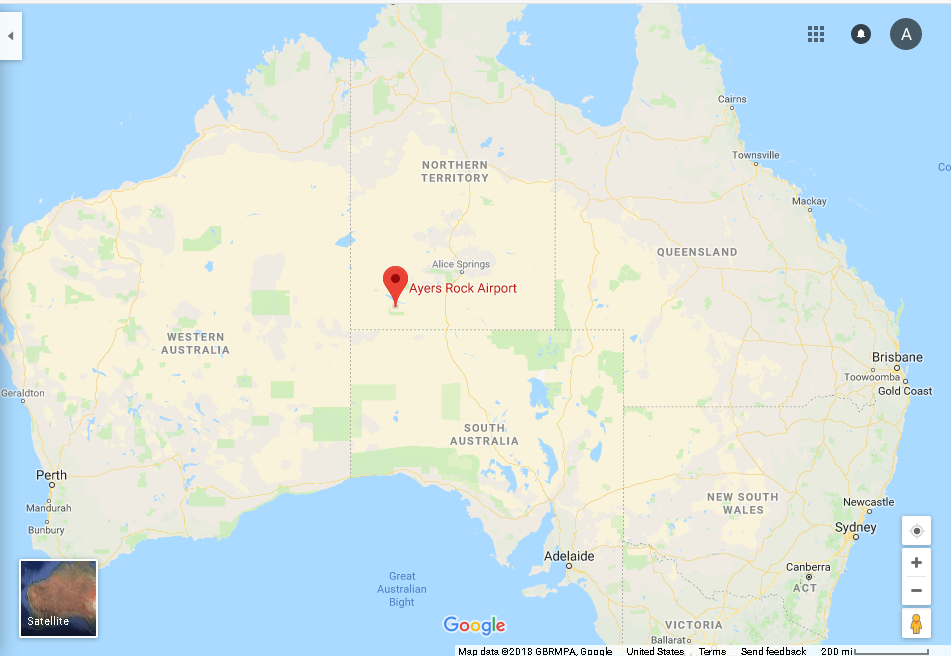
Heidi and I arrived at Ayers Rock Airport, located in Yulara, a five-hour drive from Alice Springs.

Here, I would have a comical flashback to my son’s time in prison.

Heidi, with the help of her sister—a travel agent—had planned this whole thing.  I had followed Heidi’s instructions to bring only a backpack. She had also urged me to bring a pair of shoes I wouldn’t mind tossing when we left, since rugged hiking and the red dust would destroy any footwear but hiking boots.  I don’t own boots and I didn’t have time to break in a new pair.

A bus took us to Ayers Rock Resort, which holds a monopoly on accommodations in the centre.  There is every level of price and comfort, from a luxury hotel to caravan park, all owned by the same people.

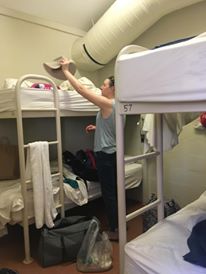
Heidi had booked us in to a bunkhouse.  “I reckoned we’re only here one night, so how bad could it be?”

It was actually named the “Pioneer Lodge.”  There’s a reason they don’t show photos of the interiors on the website.

These people are outside because, well, who would want to spend any time inside?


“I feel like we’re in an episode of Orange is the New Black,” I commented as we surveyed the place.

“We’ll certainly get our thirty-eight dollars’ worth,” quipped Heidi.  It was, indeed, only for one night—this was an adventure.

We “fought” over who would sleep up top with the giant pipe.  Heidi sleeps through the night, while I get up several times to use the bathroom.  “You can’t climb down that ladder in the dark,” she insisted.

“I could hold a flashlight in my teeth,” I suggested feebly.  Heidi didn’t get much sleep, since the pipe turned out to be a hot air pipe.

Bondi Beach

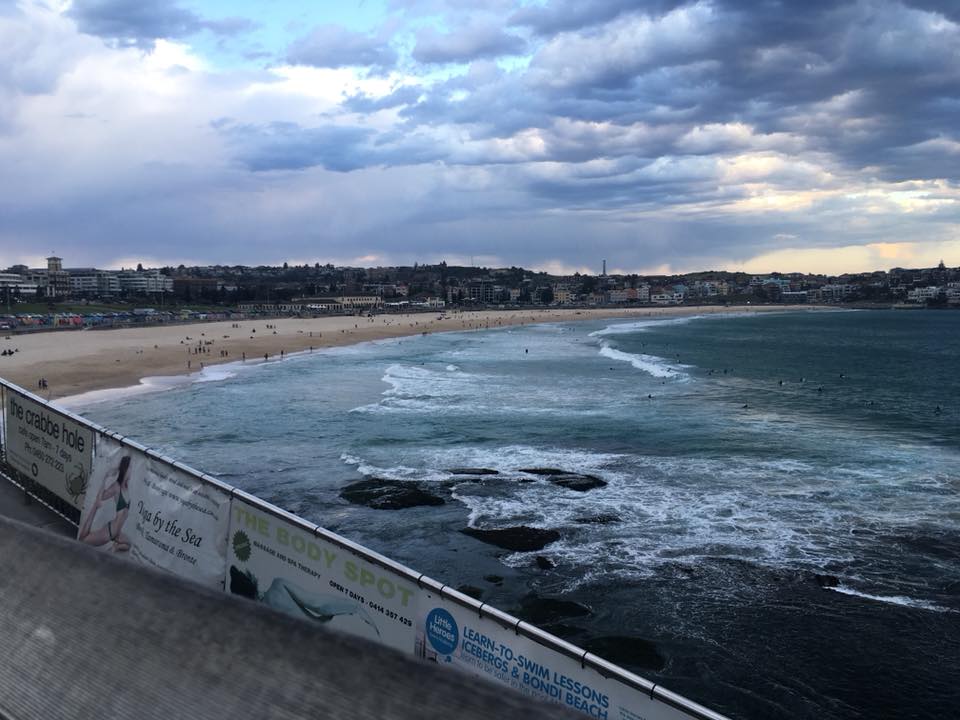
Day Two in Australia, and more experience of what it is like to get around Sydney.  We waited 20 minutes for a bus and were lucky to get the last two seats.  It was standing room only afterwards.  It took an hour to get to Bondi Beach.

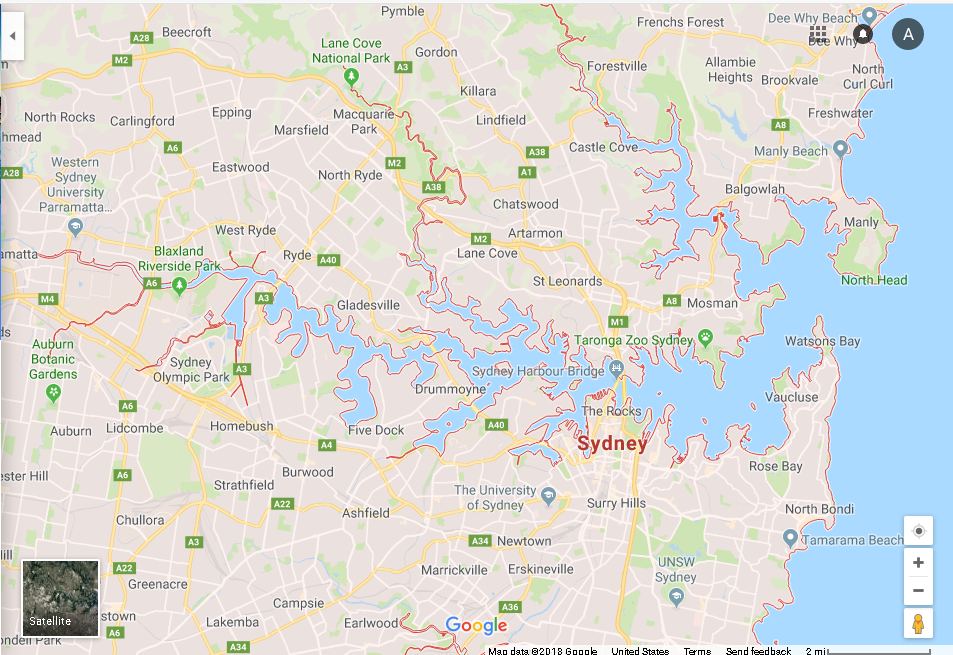
Sydney is a very big, sprawling city.  Americans think of LA as the ultimate example of sprawl, at 503 square miles.  By comparison, London is 607 square miles.

Sydney covers 4,775 square miles, including dozens of bays and coves formed by the Paramatta River. It’s a wonder anyone gets anywhere at all.

We waited 20 minutes for a bus, got the last two seats, then rode for an hour. I’m not complaining.  Buses are a great way to see a city if you can get a window seat.

I had never heard of Bondi before planning my trip.  If you’re a surfer, it’s legendary.  When I’ve mentioned it, half a dozen people have said, “Oh Bondi—the famous beach!”

Bondi was populated by surfers, skateboarders, potheads, volleyball players, and graffiti artists. We took in the scene and then I said, “I’ve got the idea.  We can go now.”

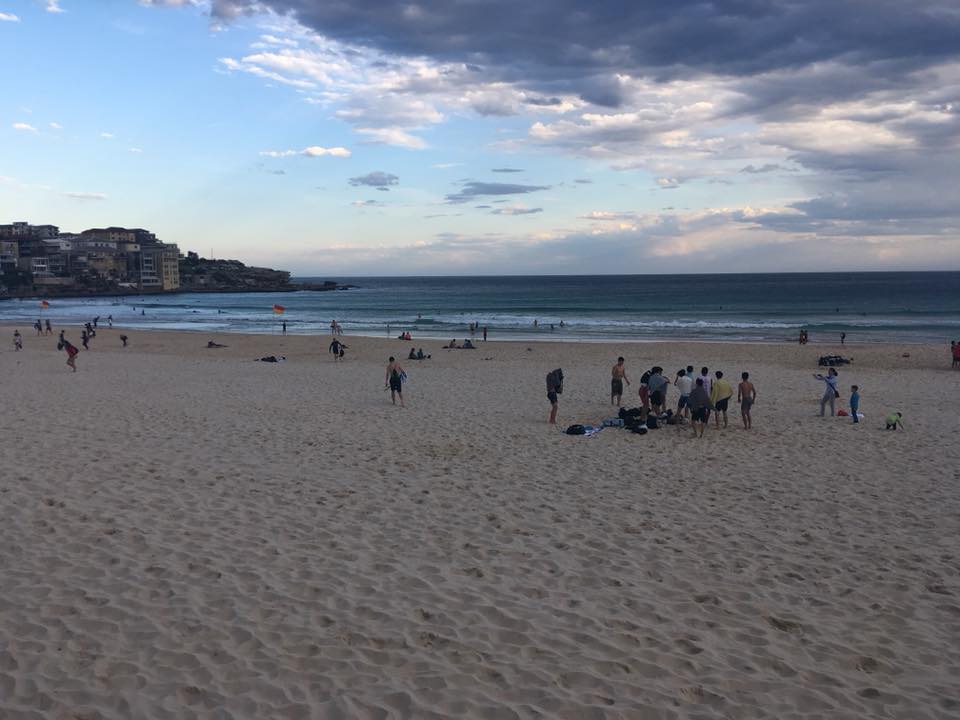
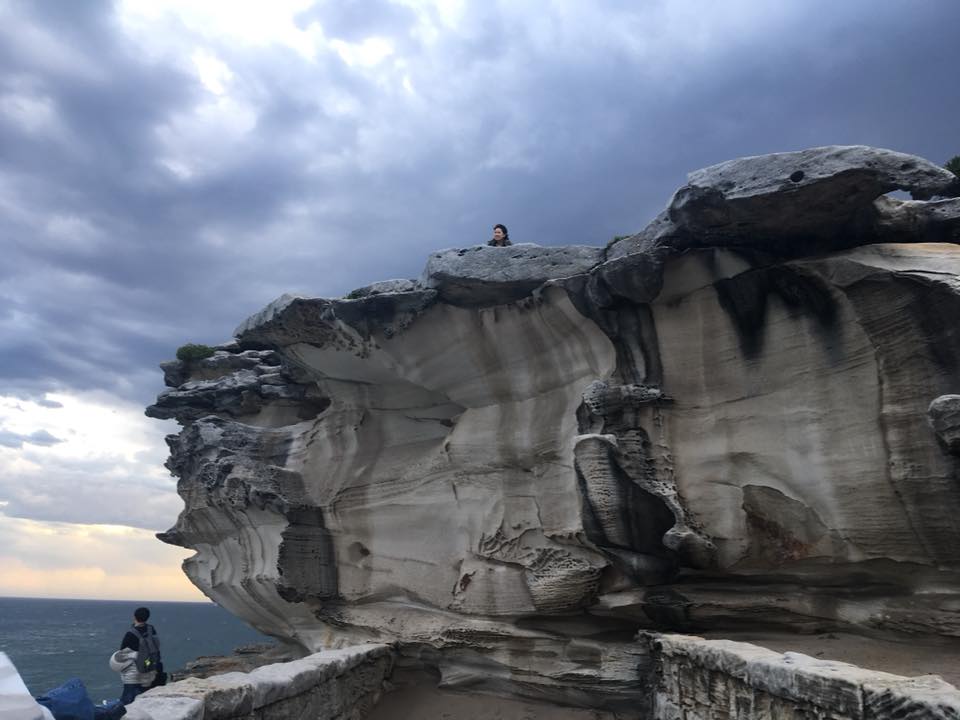
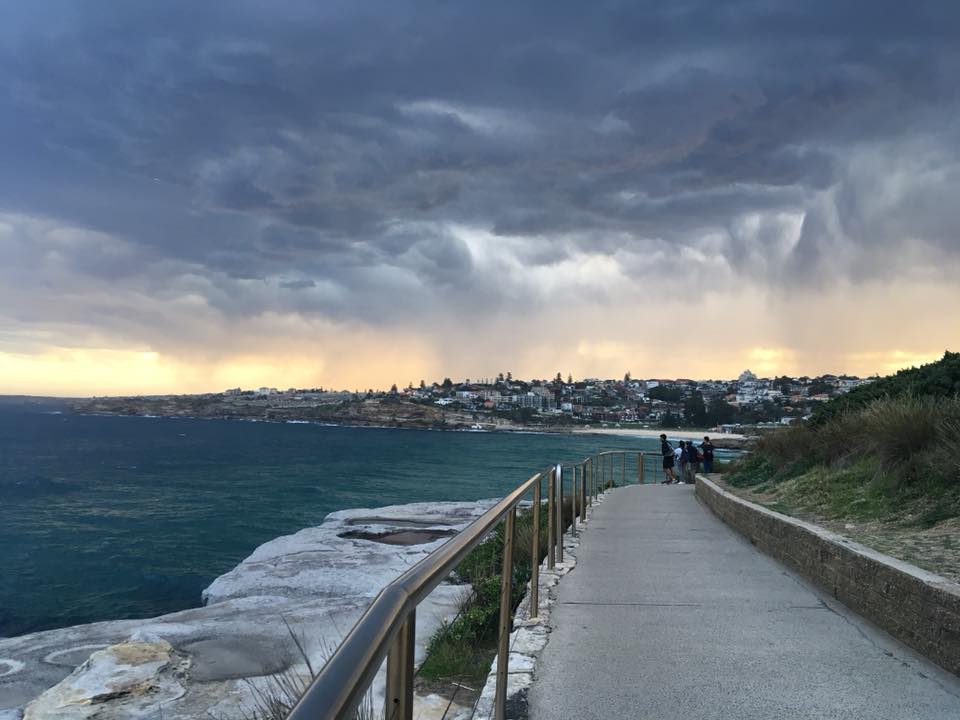
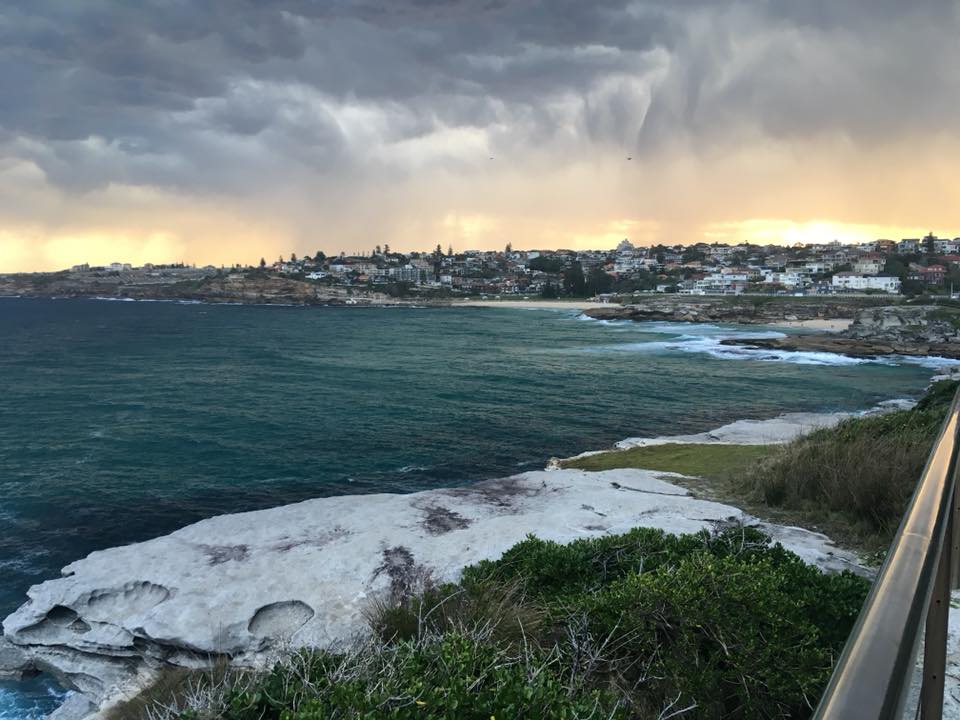
It was cool and stormy—not a beach day anyway—our plan was to hike from Bondi to Bronte beach.

This was the first incidence where my photos, no thanks to me, turned out spectacular.

The storm came closer, whipping our hair and scarves around our faces.  Rain began to gently patter down.  It was so beautiful we didn’t want to stop.  “Let’s just walk around one more bend?” I kept saying.

Then the sky broke open and we made a run for it back to Bondi. There was nowhere to shelter except under the cliffs, where other tourists were already massed. So we kept on, and got soaked.

We dashed into the nearest building, which happened to be the place Heidi had wanted to eat anyway.  It was the Icebergs Club, Sydney’s winter swimming club, which runs a bar and restaurant that overlook the beach.
“So what’s with the clubs?” I asked her, looking around.  We had gone to the Skiff Club the previous day.  This place reminded me of a cross between an old-timey American supper club and a VFW hall.
“I don’t know,” replied Heidi.  “Does it seem unusual?”  You often learn new things about your own country when foreigners visit.

“The only similar thing I can think of in St. Paul is the Curling Club.  I think anyone can go in and watch the playing, and I think they serve cheap drinks in plastic cups.

“Maybe sports clubs like this are everywhere, and I just don’t know about them because I’m not sporty.”

You learn things about your own country by visiting others.

It was my first official day on vacation, so I had my traditional “I’m on vacation!” drink—a rum and Diet Coke.  Okay, I had two.  We sat and talked for a couple hours, catching up, watching the storm come and go, then we started the long journey back to the flat to get an early night.  Tomorrow we would fly to Ulara, in the Red Centre.

I woke up at 3am to the sound of drunks yelling down by the point.  “Fuckin’ fuck, fuckity fuck fuck!” pretty much sums up their sparkling banter.  This went on for about 20 minutes.  A siren started up in the distance and slowly came closer.  When it got within a half mile, the loudmouths dispersed and I sunk down into a deep sleep again.

I remember this story because it was one of only three times I heard a siren in Australia.  Three times!  I hear sirens almost every day in St. Paul.

I withdrew some cash at Sydney airport.  Every ATM, even for the same bank, gave me a different amount.  Half charged no fees, half charged varying fees.  I had opened a second checking account before leaving home that doesn’t charge Foreign Transaction Fees.  I thought briefly about saving all my receipts and figuring out which banks or ATMs gave the best conversion rate, but I just didn’t care that much to know who ripped me off.

Sydney Reccy

Reccy: Aussie slang for reconnaissance mission.

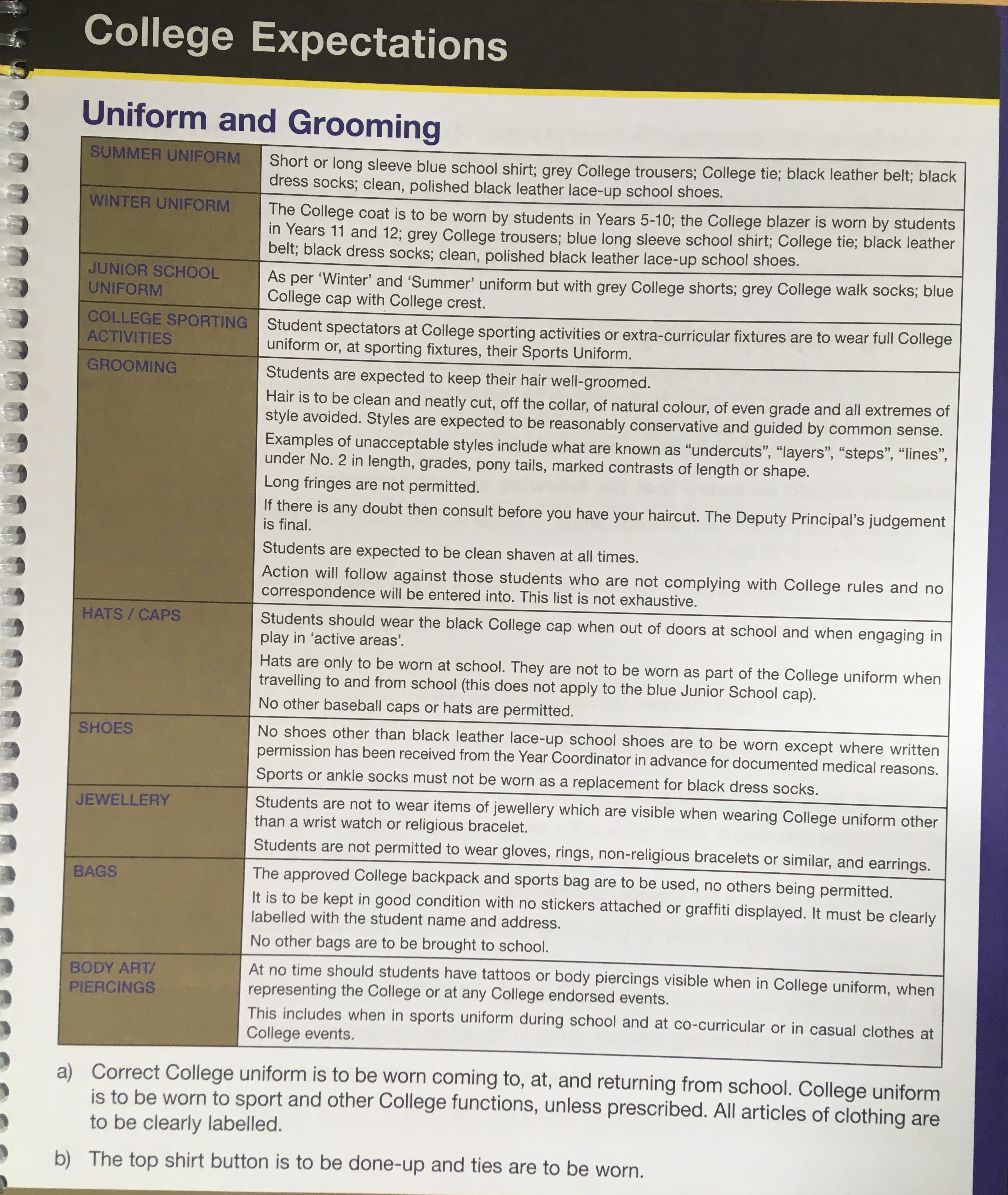
While I hung out waiting for Heidi to finish up at St. Pat’s, my eye fell on a list of rules for uniforms and grooming.

It’s very specific, especially with the haircuts.  I must be old because I don’t know what lines, steps, “under No. 2 in length,” or the other prohibitions even are.  I do know that “fringe” is what we call “bangs” in the US.  When you think about it, fringe is a lot more descriptive than bangs.

I wandered the halls a bit and learned from a display that St. Pat’s most famous “old boy,” as they call alumni, is Thomas Keneally, author of Schindler’s Ark, the novel upon which the movie Schindler’s List was based.  How did an Aussie come to write a book about the Holocaust?  Heidi Googled this later and read the story to me. On a visit to Los Anglese, Keneally went into a luggage store to buy a suitcase and happened to talk to the owner, Poldek Pfefferberg, a Holocaust survivor.  When Pfefferberg learned Keneally was an author, he told him about Oskar Schindler, a German businessman credited with saving the lives of 1,200 Jews, and urged him to write the story.  The rest, as they say, is history.

There were display cases featuring Cricket awards.

It reminded me of Eton, but spacious, bright, and new.

There was a physical acknowledgement of the Darug Aboriginal people, upon whose former land the school stands.

When Heidi was done with her year-end odds and ends, we walked across the street to the bus stop and waited.  And waited.  She consulted her transport app and reckoned it would take as long to wait for the bus as to walk, so we gave up and ambled toward the train station.  That was fine with me because it was a nice day and the neighborhood we walked through was lovely.

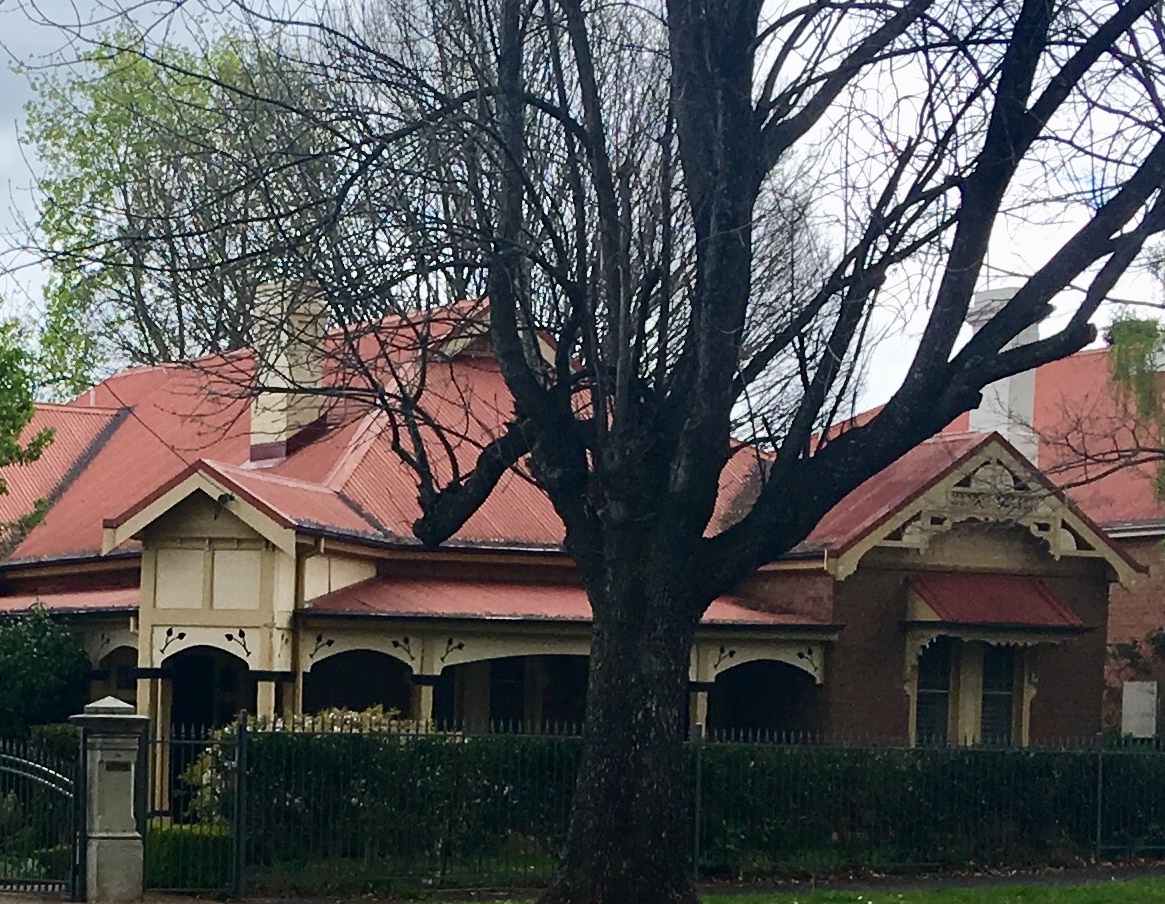
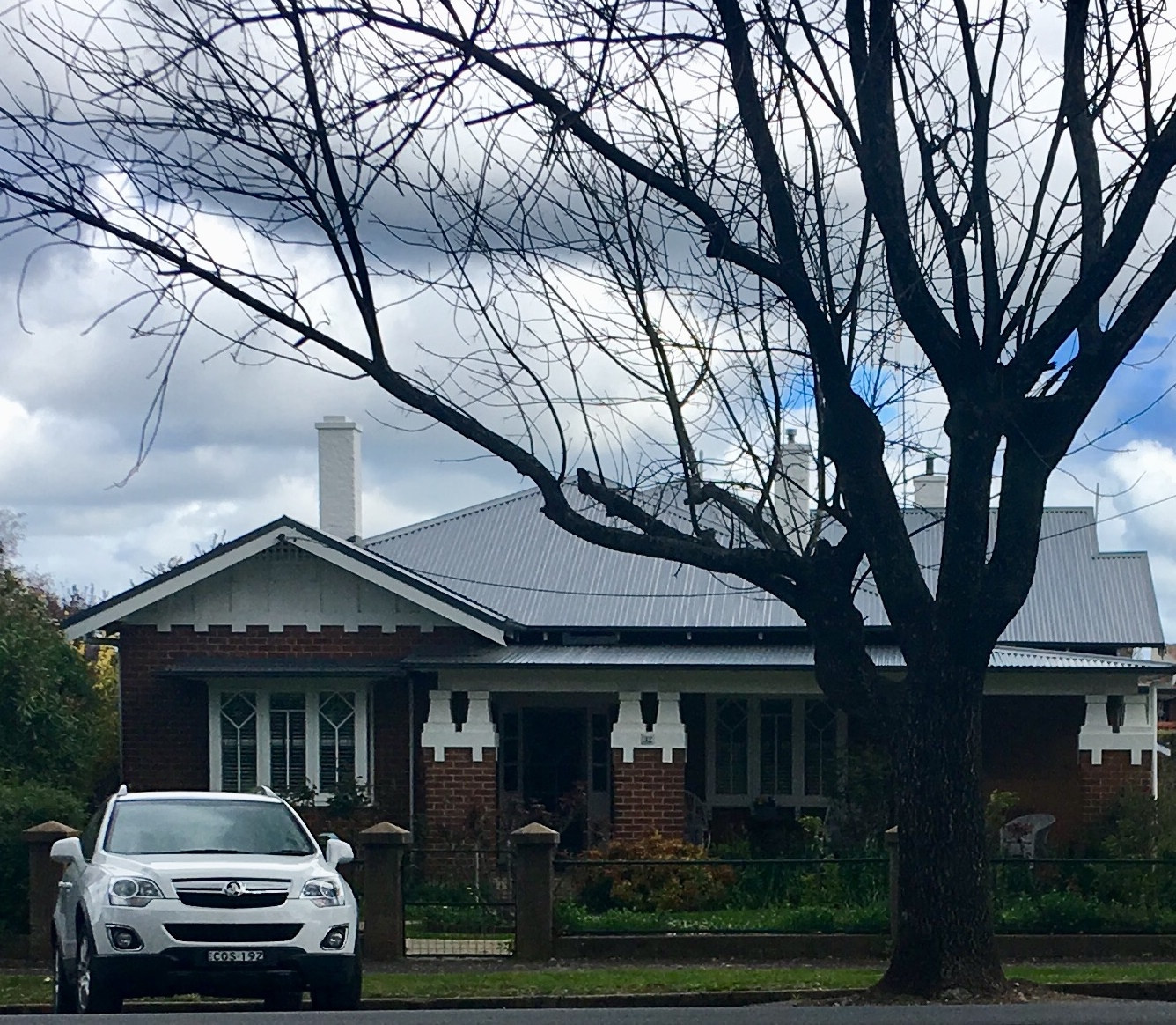
Houses in Australia tend to be one story (think about heat rising).  It was spring, and everything was in bloom.  These are some photos of Australian houses I took elsewhere, but they seem pretty typical of what I saw near the school—Victorian or Edwardian with beautiful gardens and massive trees.

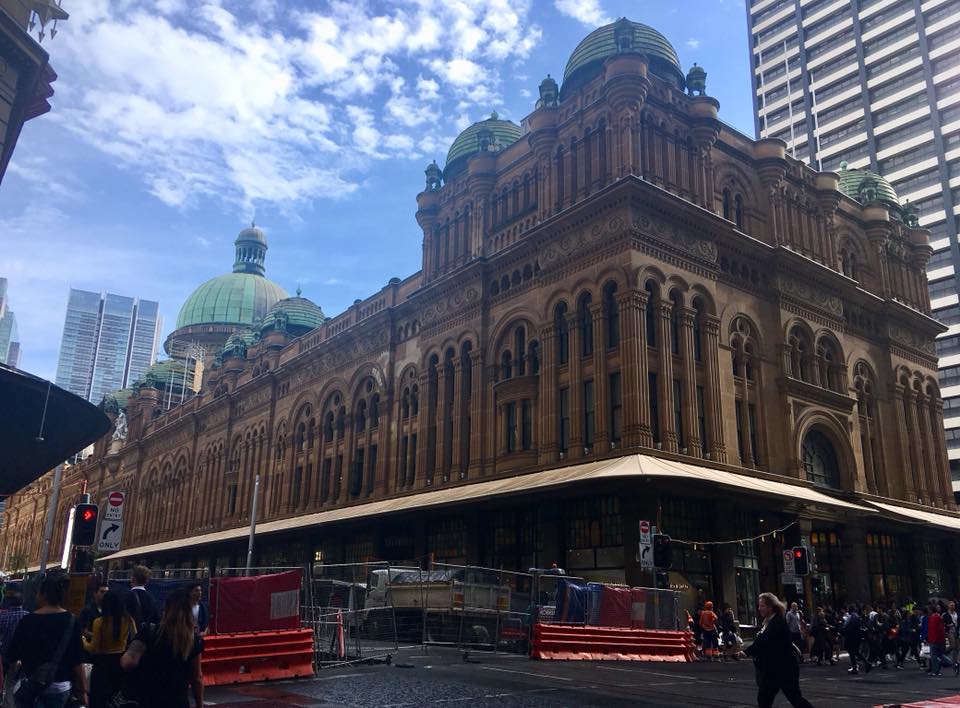
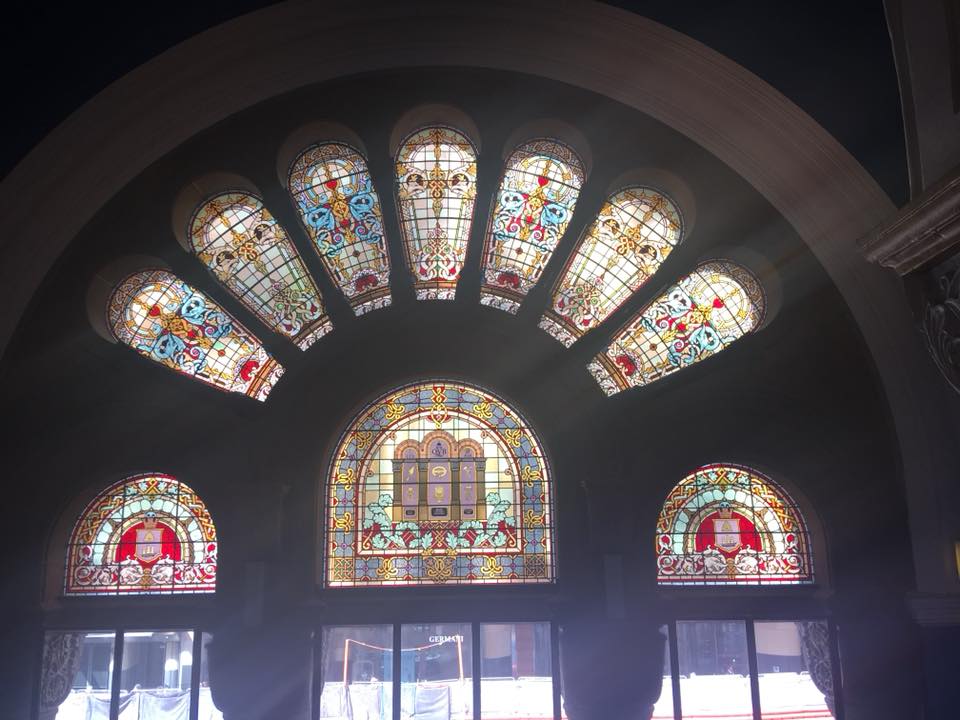
We took the train into the CBD.  That’s Central Business District, for those of you who like to spell things out.  We headed for the QVB, or Queen Victoria Building, and here I will use the word massive again.  So many things in Australia are massive.  The QVB, constructed in 1893, fills an entire city block.

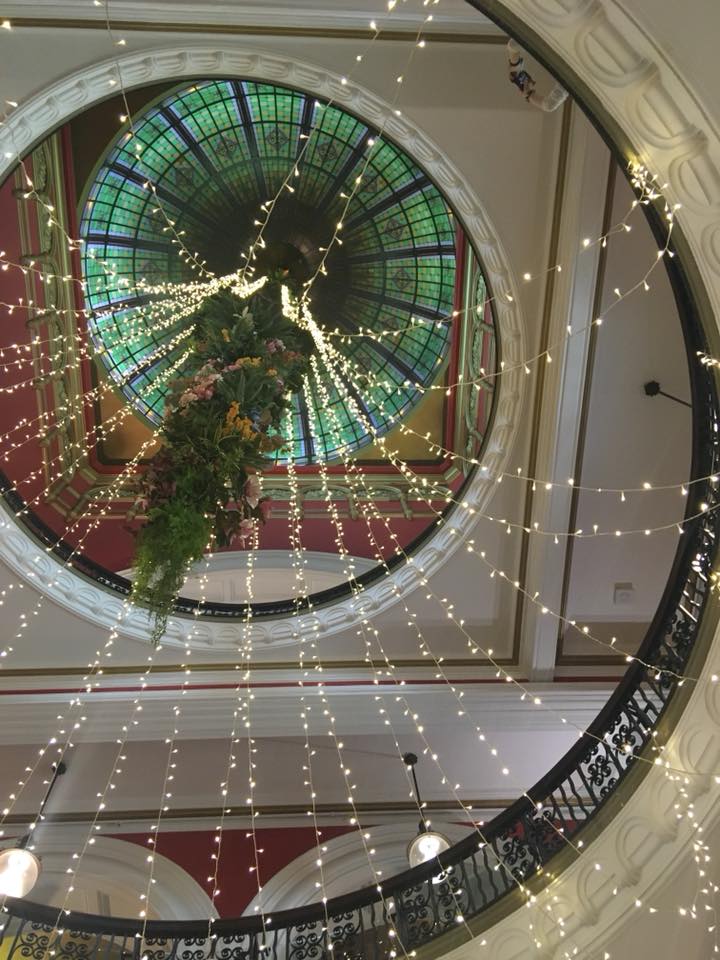
We wandered around inside and gawked at window displays of the high-end shops and the architectural features.

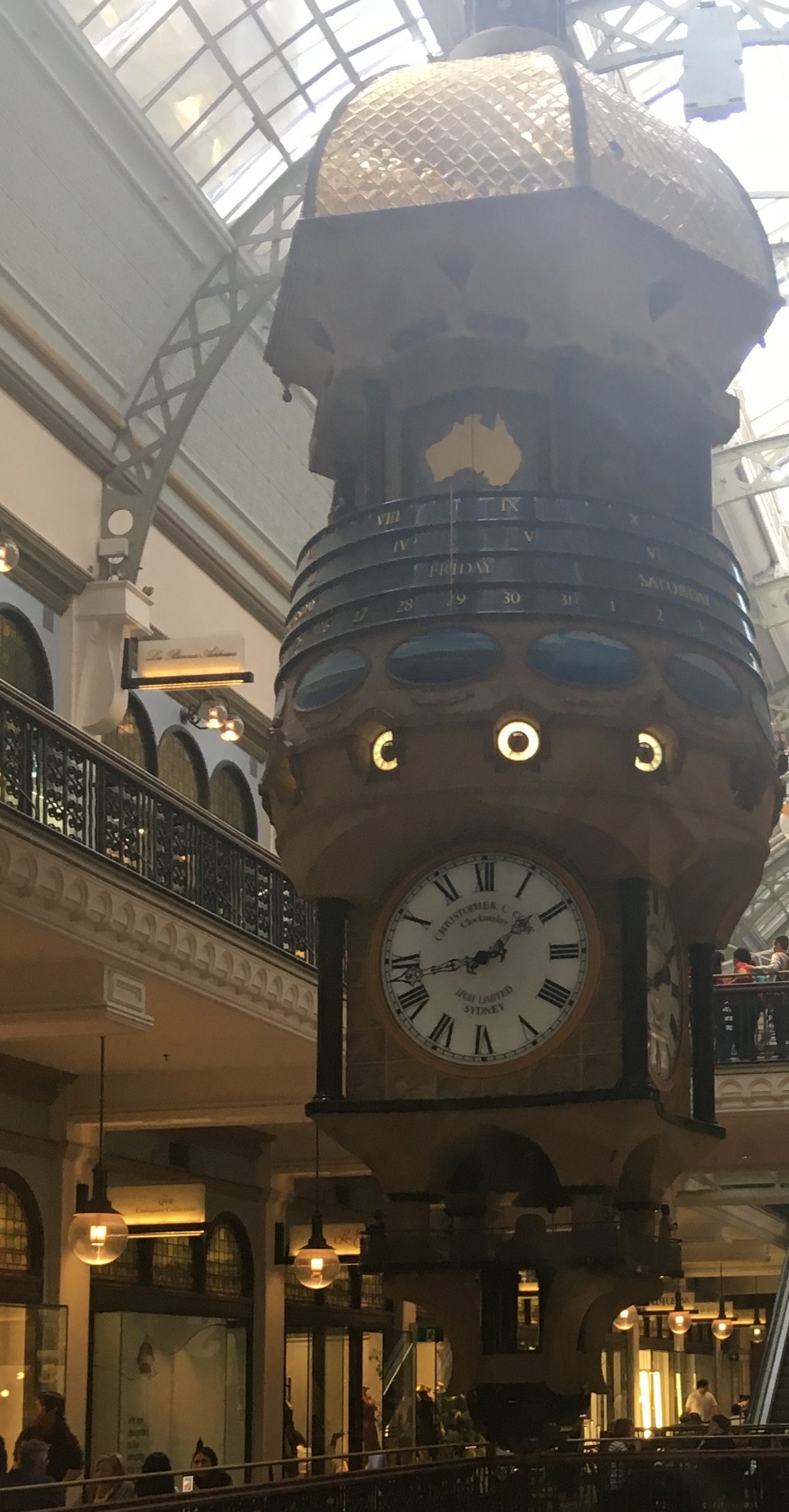
You can’t see it because of my lousy photo-taking abilities, but the clock is incredibly detailed with lots of—literally—bells and whistles and a train that runs around it at the lower level. Just think, this was the era when clocks used to be the proud main feature of buildings.

We sat down for lunch at a tea shop, and I noticed the tables adjacent to us had Chinese newspapers scattered on them.

I could say this over and over but I’ll just say it here—there is such a big Chinese presence in Australia that I sometimes had these weird moments where I had to check myself and ask, “Where am I?  Am I in China?  No, I’m in Australia.”

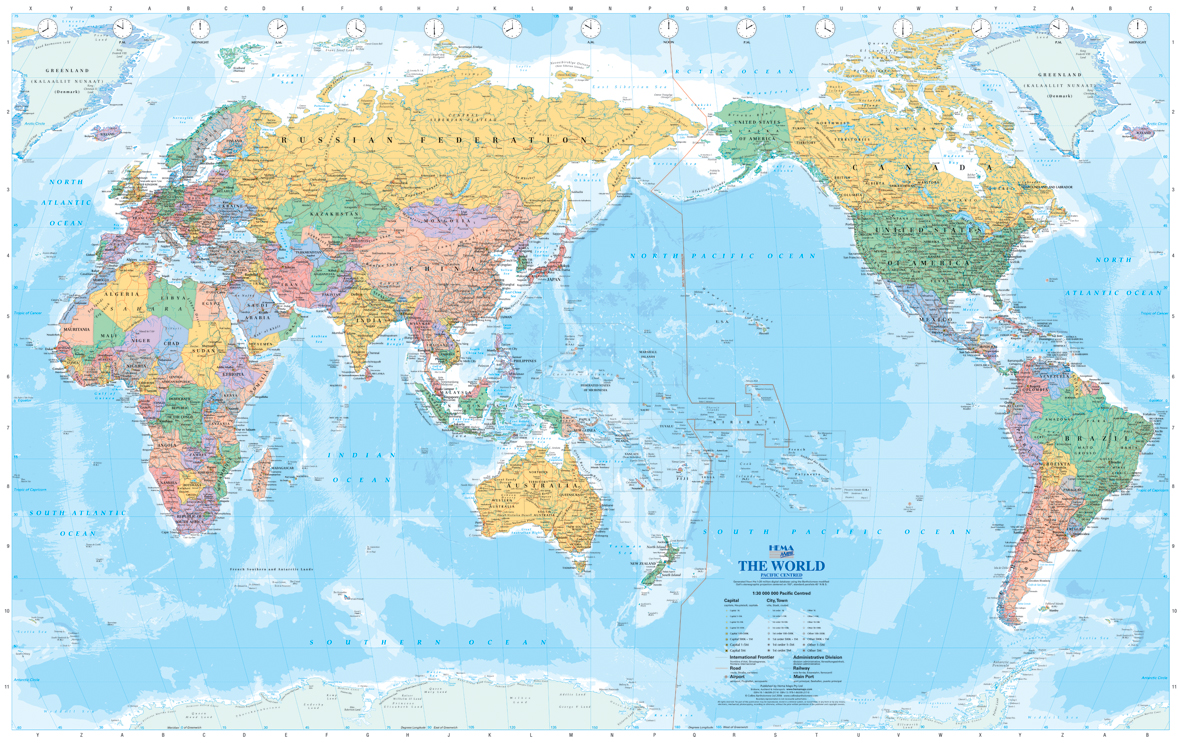
When you think of the geography, it makes sense.


There are Chinatowns in Sydney and Melbourne but also Thai towns and Japan towns and probably Korean and Vietnamese neighborhoods.  So if you like any of these types of foods, you’re in luck in Australia.

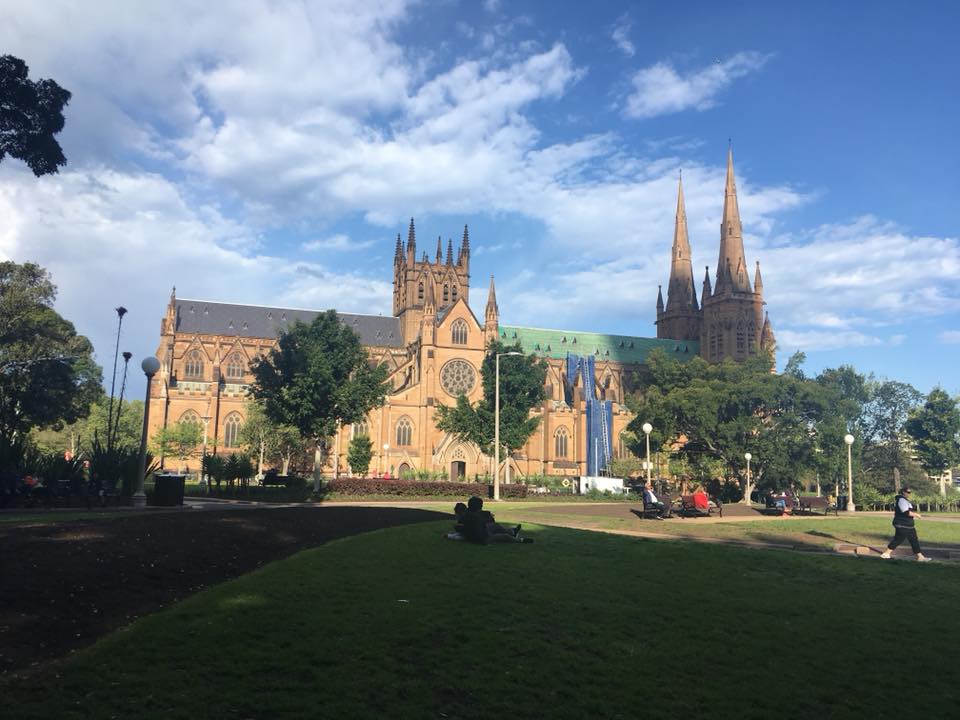
After lunch we hit a couple shops where Heidi returned some clothes, then she led me to Hyde Park, the “Central Park” of Sydney.  It is dominated by St. Mary’s Cathedral, which seemed to be the most massive church I had ever seen.  And I’ve seen a lot of churches.

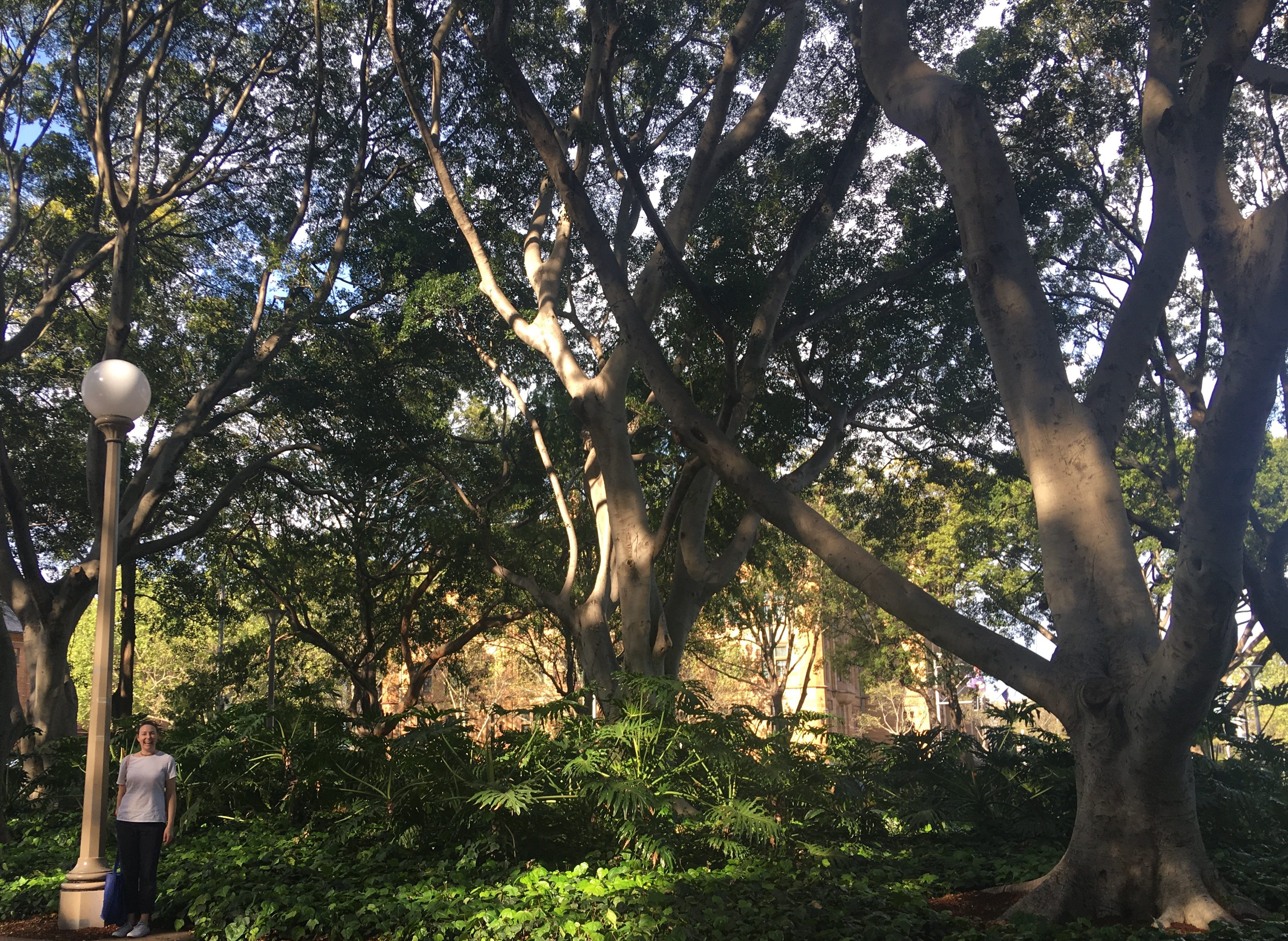
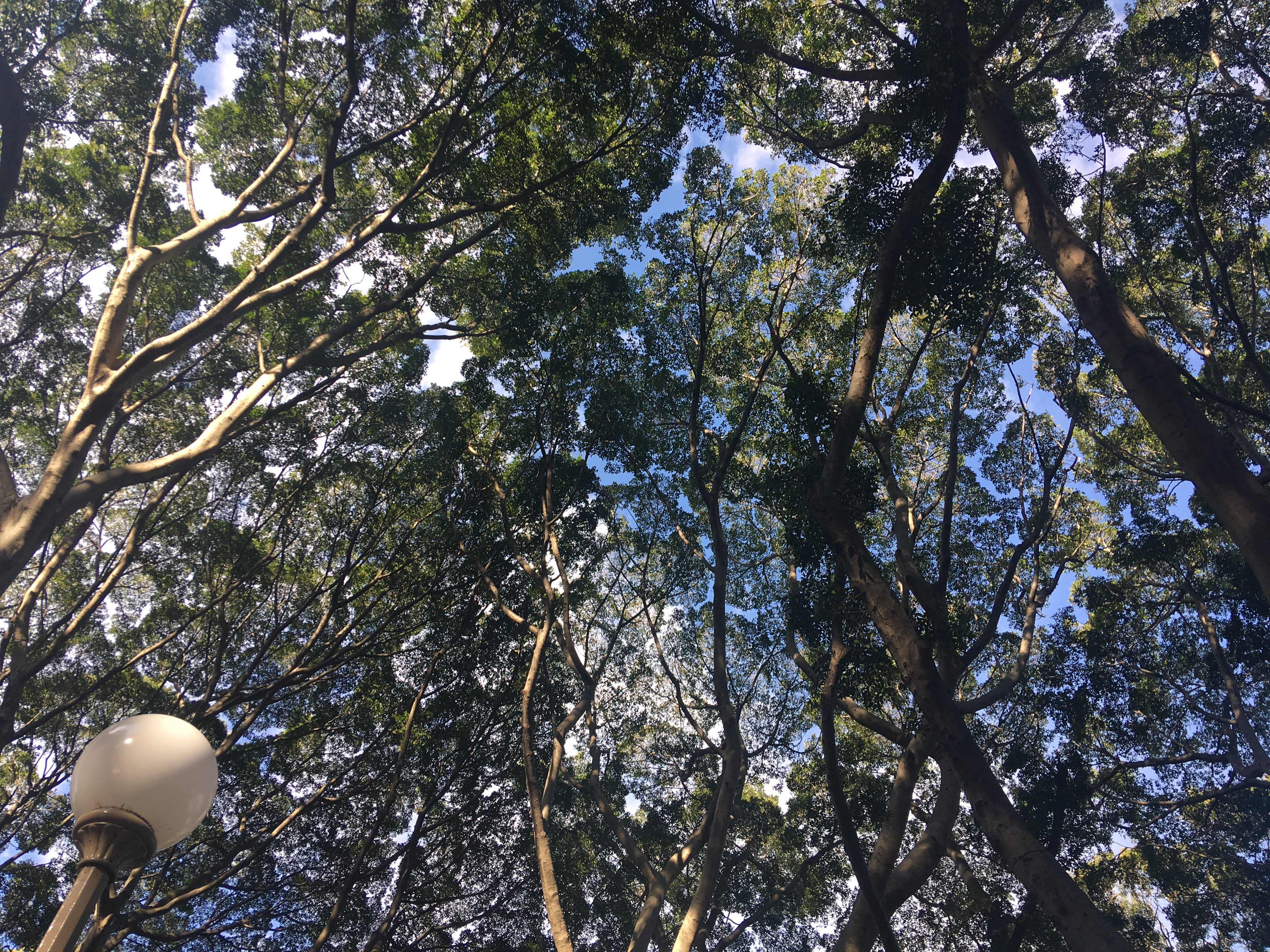
It’s frustrating that photos cannot capture the scale of things.  I tried including Heidi, and a lamppost, in these two photos to give a sense of scale of the trees, but that didn’t really work.

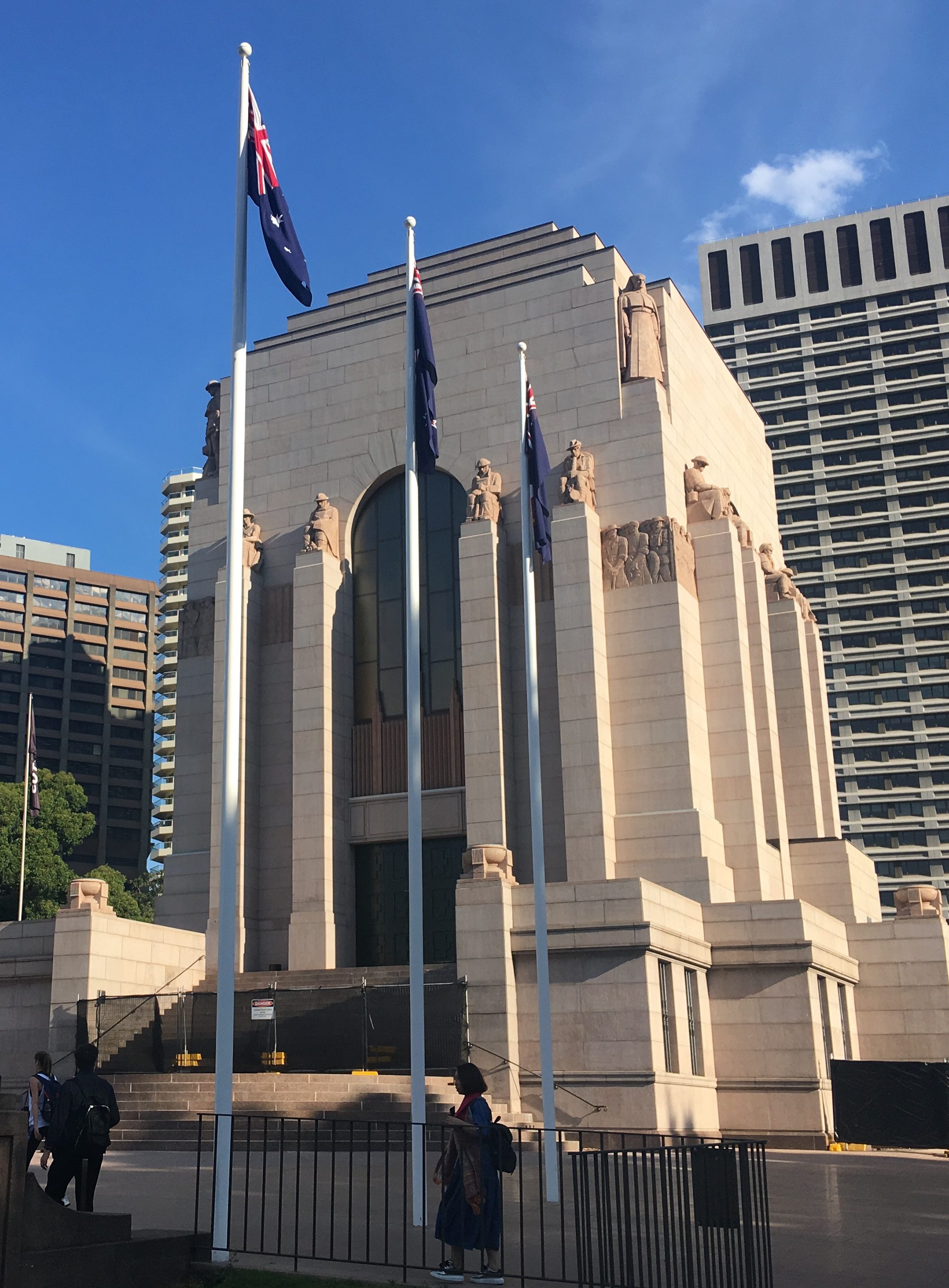
This is the ANZAC (Australia New Zealand Army Corps) war memorial.

Next stop: Bondi Beach

Boys, Boys, Boys

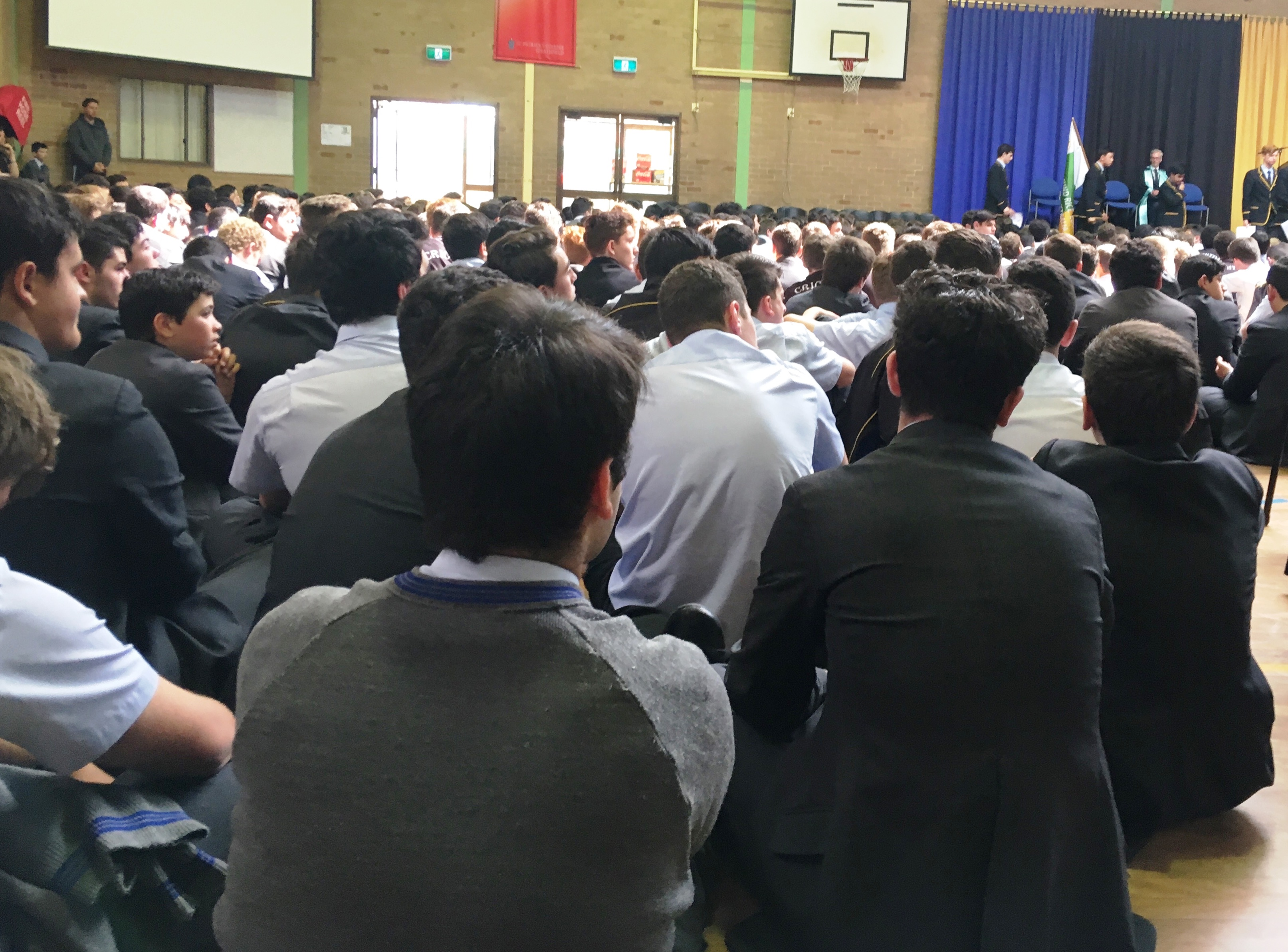
Sitting in the back of the gym at St. Pat’s, I was struck by how 95% of the boys had black hair.  In Minnesota, it would have been 75% blondes due to our Scandinavian and German immigrant history.  Many St. Pat’s families had come from Italy and Lebanon. There were a few redheads, maybe kids of Irish ancestry, some Chinese kids, and one Aboriginal kid who was on an exchange with another Catholic school in Alice Springs. All of them wore smart uniforms.

The ceremony opened with what I learned was standard in Australia, an acknowledgement of the Aboriginal people who originally lived on the land on which the school was situated.

This was followed by remarks by the head of the school, which included a statement about how bullying and intolerance were just not anything in which any boy should participate—including bullying of fellow students who were gay.  This took me by surprise.  It was a Catholic school after all, and while I wouldn’t expect them to encourage bullying of gay students, I was surprised it was mentioned explicitly. The church my mother’s husband belongs to didn’t allow me to stand on the altar at their wedding because I am Jewish.  I’ve heard there is a sign at the entrance now making it clear that practicing homosexuals, divorcees, and other sinners must not take communion.

I asked Heidi about it later. I wondered if the Catholic Church in Australia looks upon homosexuality in a “hate the sin, love the sinner” way, or if they “love” gays as long as they are celibate.

Heidi looked thoughtful, then said mildly, “It’s just not an issue.”  She is a regular church-goer, if not every week.  “I can’t recall it ever coming up at church, or at St. Pat’s, except in the context of bullying.  One kid posted a homophobic comment on social media a few weeks ago and the boys came down on him.  He’s a good kid who had a moment of poor judgement, and he was embarrassed.”

Australians voted to legalize gay marriage last year. So the law is catching up with general opinion, if indeed is it so open minded.  Of course there are people who opposed the change.

“Does the Pope know what’s going on down here?” I asked.

“Oh, probably, but he’s likely more concerned with other matters.”  Like priest sexual abuse.  There’ve been almost 5,000 claims.  The Australian Church is paying out hundreds of millions of dollars to survivors.  To its credit, it started facing this issue early on—in the 90s—and has done a better job of apologizing and making up to survivors than other countries, from what I’ve read and heard.

The ceremony was very moving.  It involved announcements of which year-twelve (senior) boys would hold leadership positions next year. These included things like social action, sports, house leads, and so on (the boys are organized into “houses,” like in Harry Potter).

As each boy’s role was announced, he and his parents came forward from wherever they were sitting to meet at the front.  Some parents gave their boys big bear hugs; others shook their hands and gave them a clap on the back. The parents then gave the boys a pin they would wear to indicate their leadership role.

Afterwards, Heidi and I had tea in the Diverse Learning office and I met her coworkers.  They were friendly and talked about where they would go on their break, which started the next day.  One was going camping in Tasmania and I told her how one iteration of my trip had included four days in Tasmania.

“Aww yeah, you can’t do Tassie in a few days,” she said.  “And you would need a car.”

When the head of the department learned that I work for the Center for Victims of Torture, she asked if I would talk to the boys about it after the holidays.  I was game, but made a mental note to buy some professional clothes.

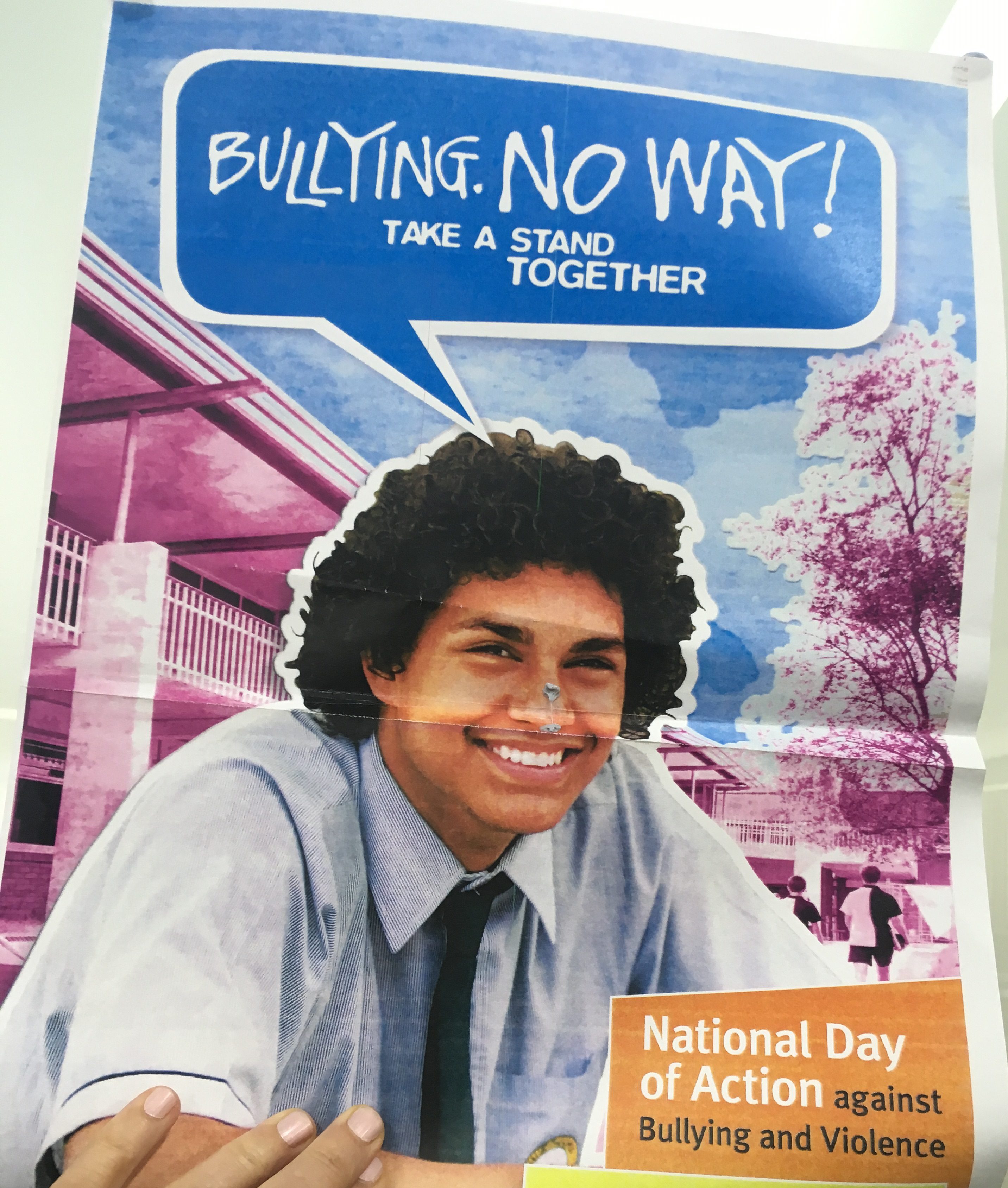
I wandered around in the hall and noticed this poster.

Some smart alec had stuck sticky tack on the poster kid’s nose.  Boys will be boys, after all.