Category Archives: death

Church Goin’

It was a hot Sunday night in Amesbury, and I mean hot only in the sense of the temperature.  If this was 1986 I would have gone into The Bell, drank way too many pints of cider (“It was on sale—£2.20 a pint!”), picked up a guy, danced until closing, woken up in a strange place, slept with my contacts in, missed my bus, and had to hitch hike back to Eton.

But this was 2017, so I’m afraid this won’t be such a titillating tale.

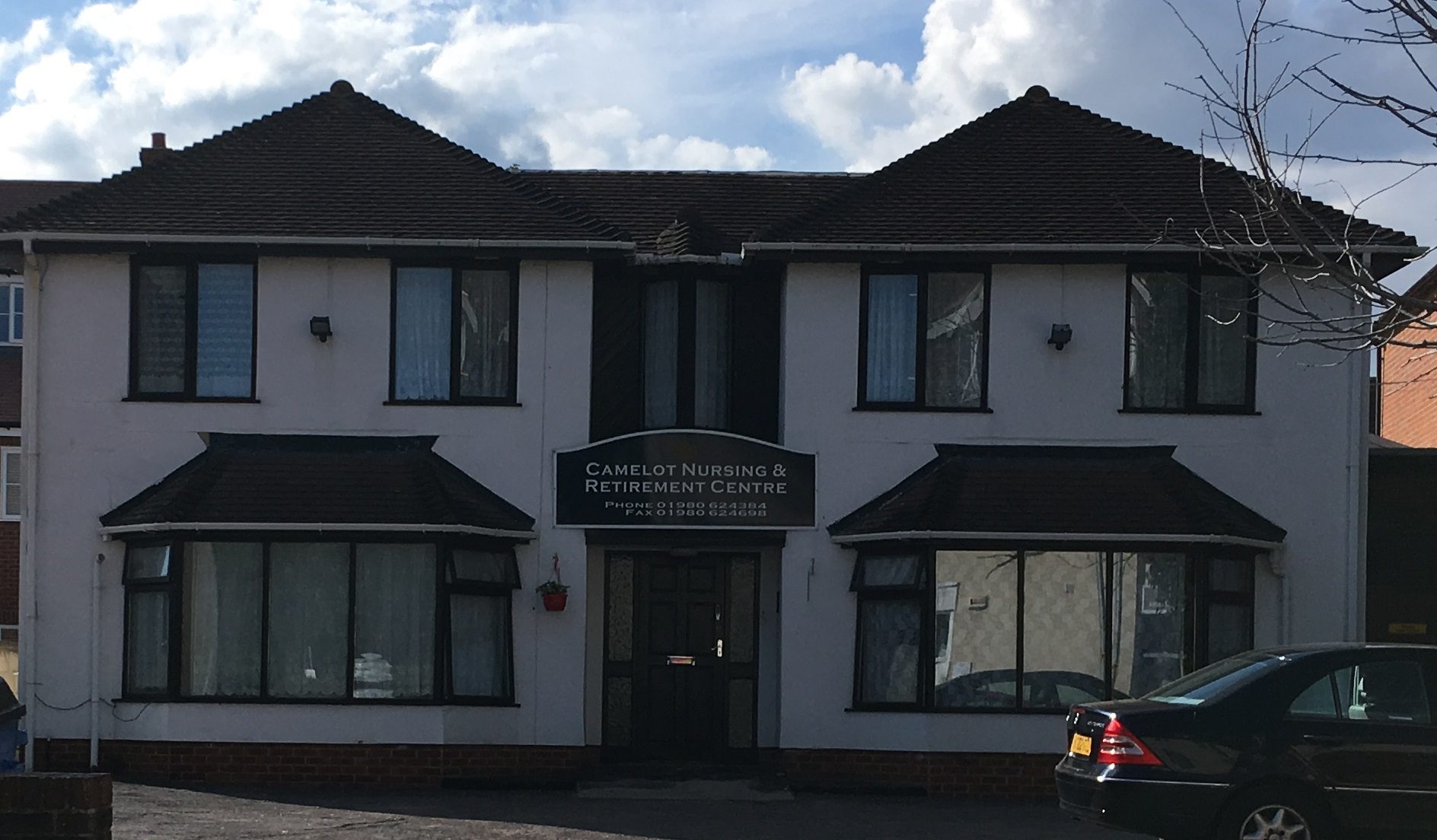
My interests these days run more to quiet places. That included all of Amesbury on a Sunday night, since almost everything was closed.  I passed the euphemistically-named Camelot Nursing & Retirement Centre.  Camelot?—Not.
I found the parish church and spent a quiet hour there.
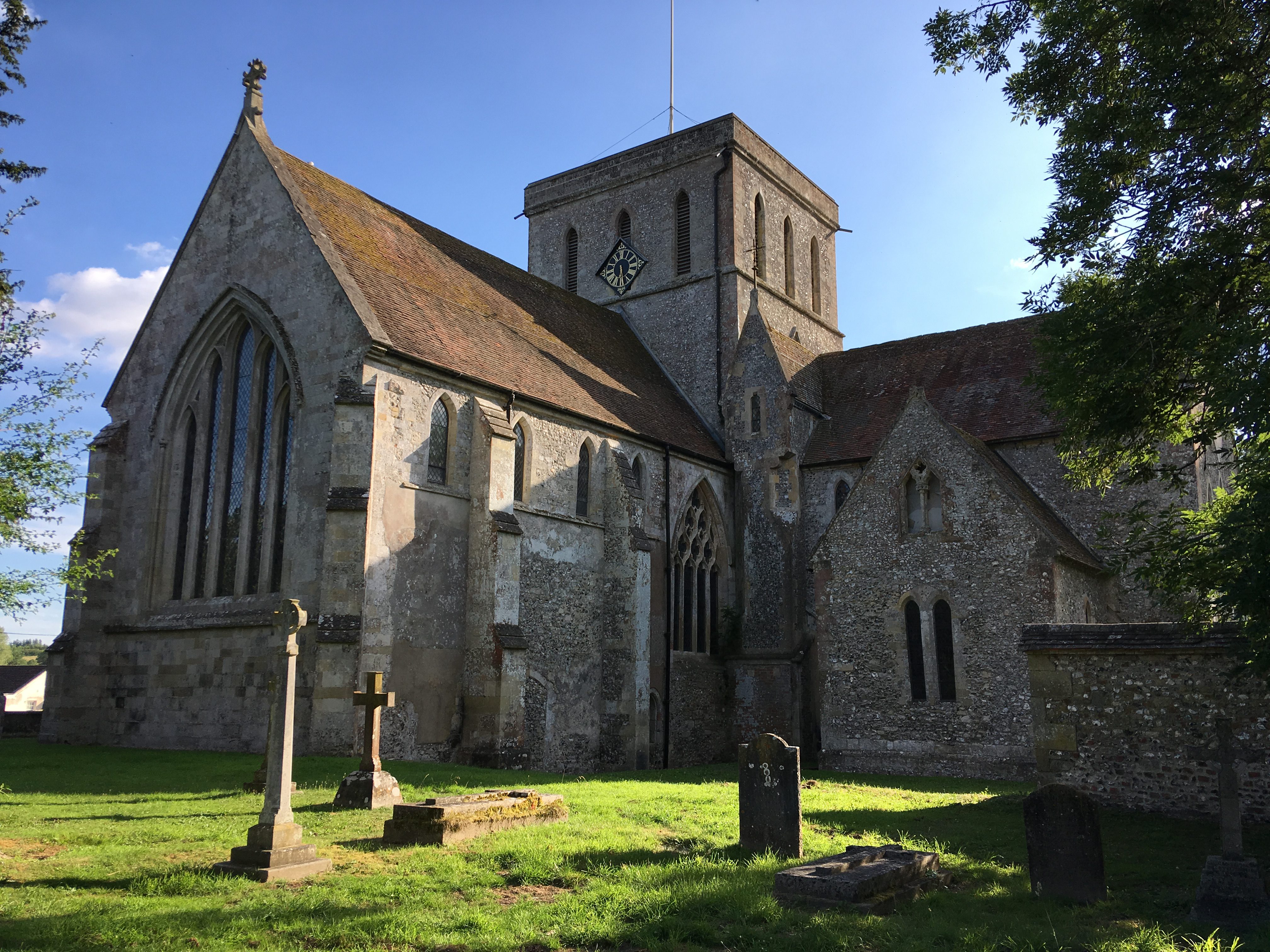
Singing drifted from inside, so I snuck into the musty-smelling interior.  I’m always afraid the minister is going to wave me over, “Come, join us, sister!  Come sing praise to the Lord with us!”  So I tip toed and hid behind one pillar after another until I could get a look at them. There were half a dozen women, all over the age of 40, being led by a man I assumed was the minister.  He kept stopping them and instructing them to do something different, better … I couldn’t make out what he was saying but the tone of his voice was stern.

I spied a table with stuff for sale on it.  Oh joy!  This is always the best.  I darted from behind my pillar to the one in front of the table.  Postcards, tea towels, greeting cards, aprons.  Aprons!  Aprons went out with the Betty Crocker Cook Book and Tater Tot Hotdish, but they were only £2 so I grabbed two, and five tea towels, and a pack of greeting cards, all with the image of Amesbury Parish Church on them. I was set for hostess and housewarming presents for the next six months, and all for only £8.

In my excitement I nudged the table and it made a scraping sound.  “Who’s there!” the minister called out.  I waved and smiled as I quickly exited.

As you know if you’ve been reading this blog for any length of time, my favorite subjects are death and travel.  So I enjoyed some time in the churchyard. Poor Leonard Frank George Williams had a long name but a short life.

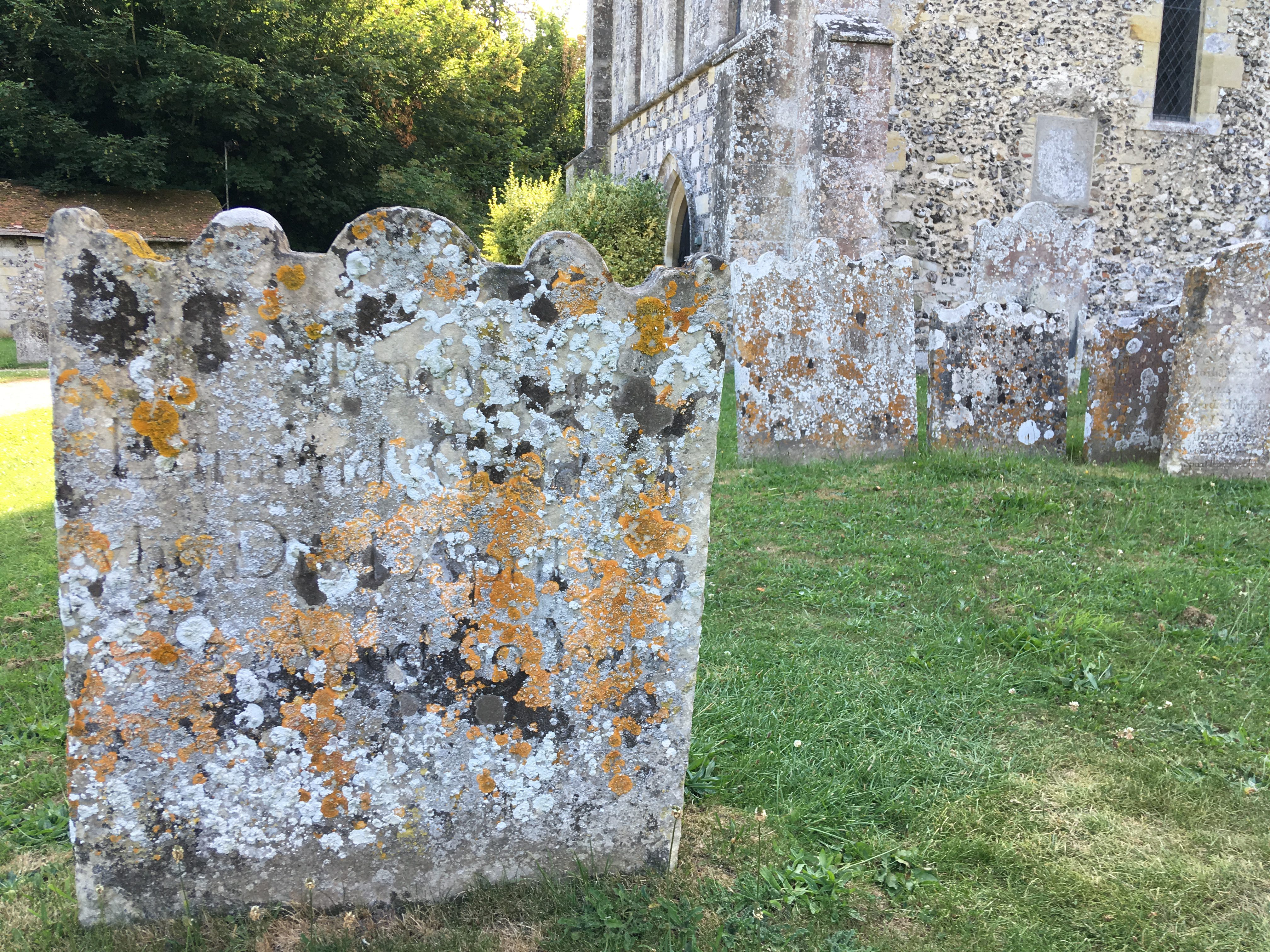
There were lovely mossy tombstones.
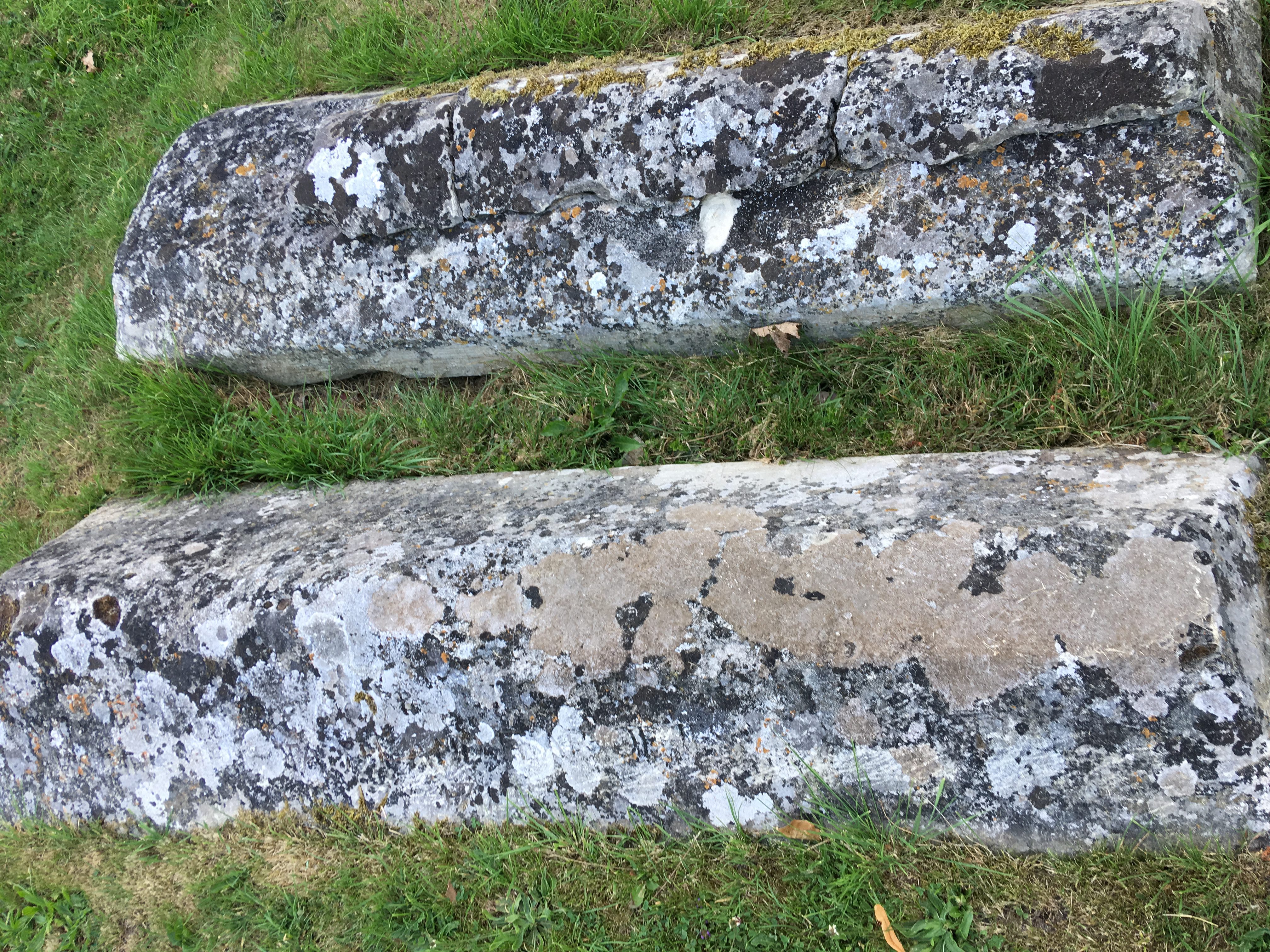
And these above-ground crypts.
There was this monument to the Great War.  Note that there are three deceased named Ford, two Lawrences, and two Southeys.  This was before the geniuses in command figured out that you shouldn’t assign all the men from one town to the same unit.  Because when the unit was annihilated in a battle, every son in every family in town was killed.  So incredibly sad.
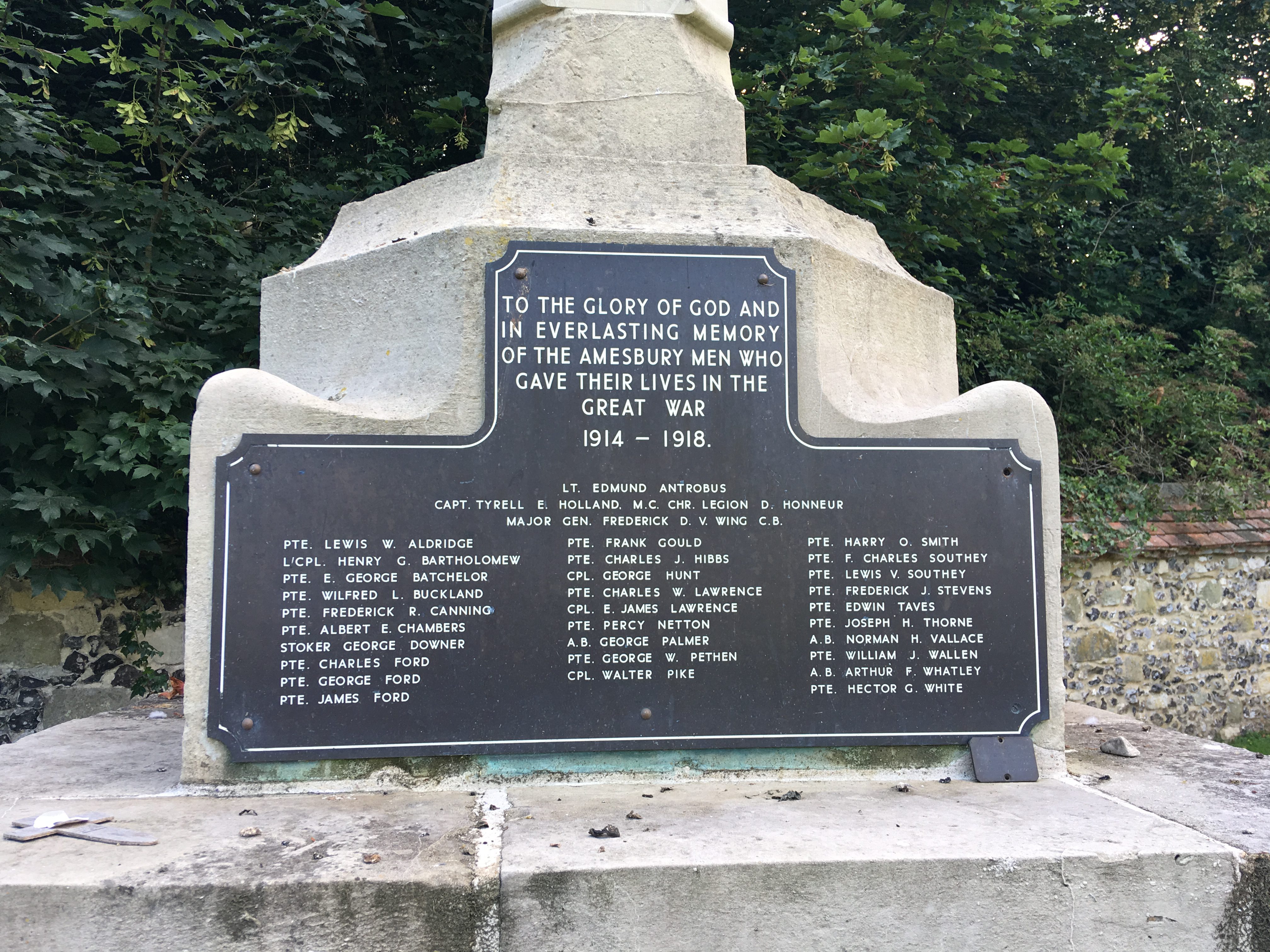
Here is the plaque for the Word War.  Hmmm…I thought they had learned a lesson by then, but there are repeat names on here, too, including a woman who appears to have died along with her brother.  I guess it was literally all hands on deck during these wars.

The Great War.  The World War.  What will we call the next one?

I saw this and thought I was in for some comic relief.  A pet cemetery!
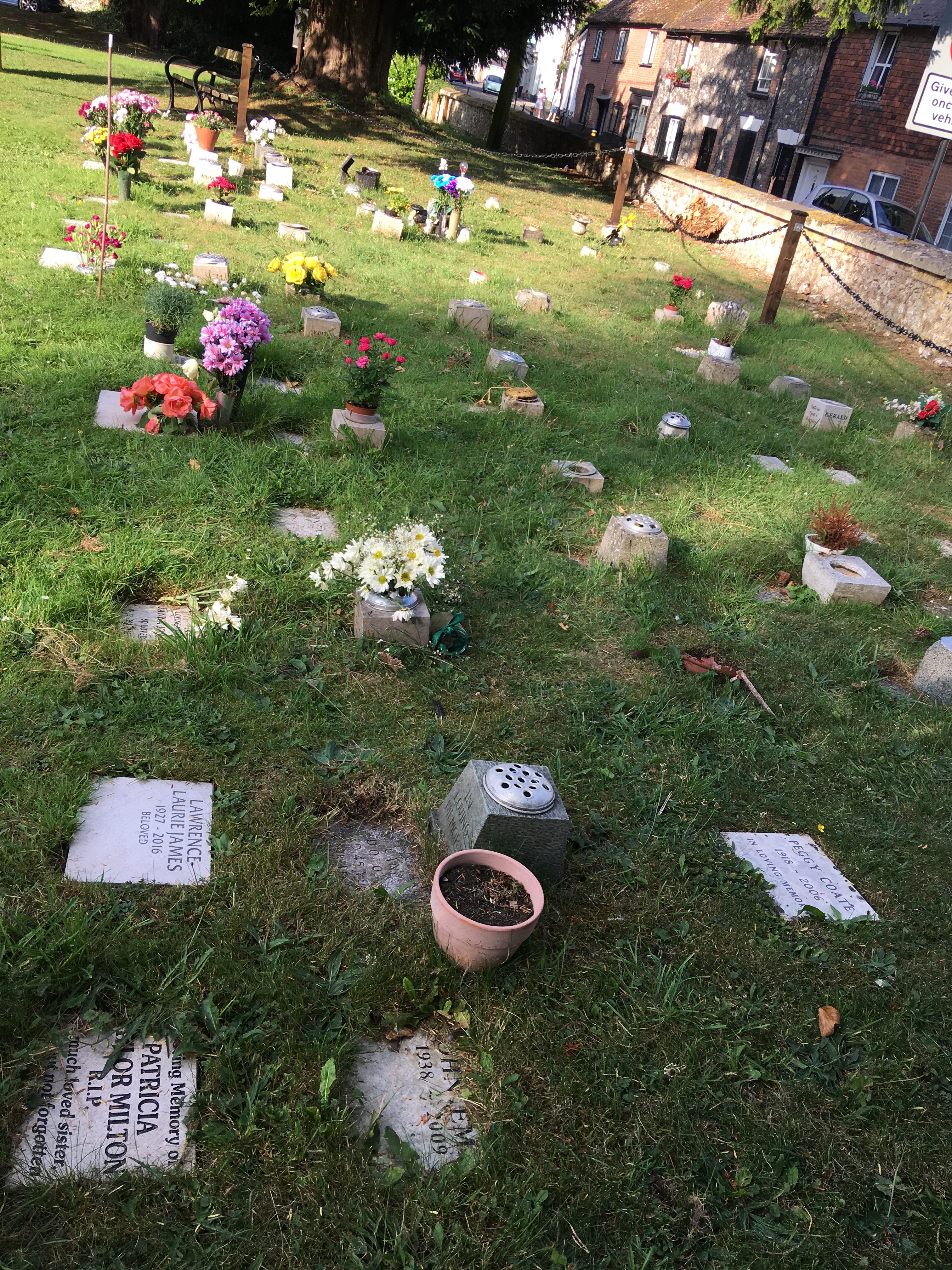
But no.  It was more dead people, just a section for the new tradition of cremation.

I was feeling “peckish” as they say (meaning hungry) so I wandered along, looking for food.  The bakery was closed but the pennants in the window provided a lovely photo opp.

I ended up back at the Econolodge, which had a Burger King and something called a Little Chef next to it. I waited in line at the Burger King for 45 minutes.  Everyone in town must have been there, since all the other restaurants were closed.  I gave up and went to the Little Chef, which I highly doubt employed any chef—little or otherwise.  It was supposed to look like a 1950s American-style diner.  If such diners were filthy and served horrible, dry, bland food back in the day, then it was completely authentic.

A Hole in History

I walked around Canary Wharf after my meeting.  Every single person appeared to be under 40 and was dressed like this.

Yes, there were women too and they were also attired in blue.  Blue was The Colour.

I still felt schlumpy but what did I care?  Now I was a tourist and I intended to wear down my heels even more.  I would take the rest of the day off and wander around.  A sign directed me to the Museum of London Docklands.  The Docklands was, I thought, exactly where I had stayed 30 years before.  The area was unrecognizable, with market vendors’ stalls replaced by food trucks selling “gourmet” macaroni and cheese.  Just as in the US, there was a queue 50 people deep waiting for the privilege of paying £8 for what you could make at home for £1.

I passed a sign pointing to Poplar, an area popularized (that was unavoidable) in the popular (sorry!) TV show Call the Midwife.  The street signage was good and I found the museum easily.  It was free, which was a bonus.

If I had been in the mood to learn about the sugar and slave trades, I could have spent all day there.  Instead, I focused on three exhibits and breezed through the rest of it.  The first exhibit was a recreation of a seedy dockside from maybe the 18th Century, complete with pirates in pubs, houses of ill repute, and the obligatory dental surgery with giant pliers prominently displayed.  This area was undoubtedly for kids, but it was my favorite so what does that say about me?

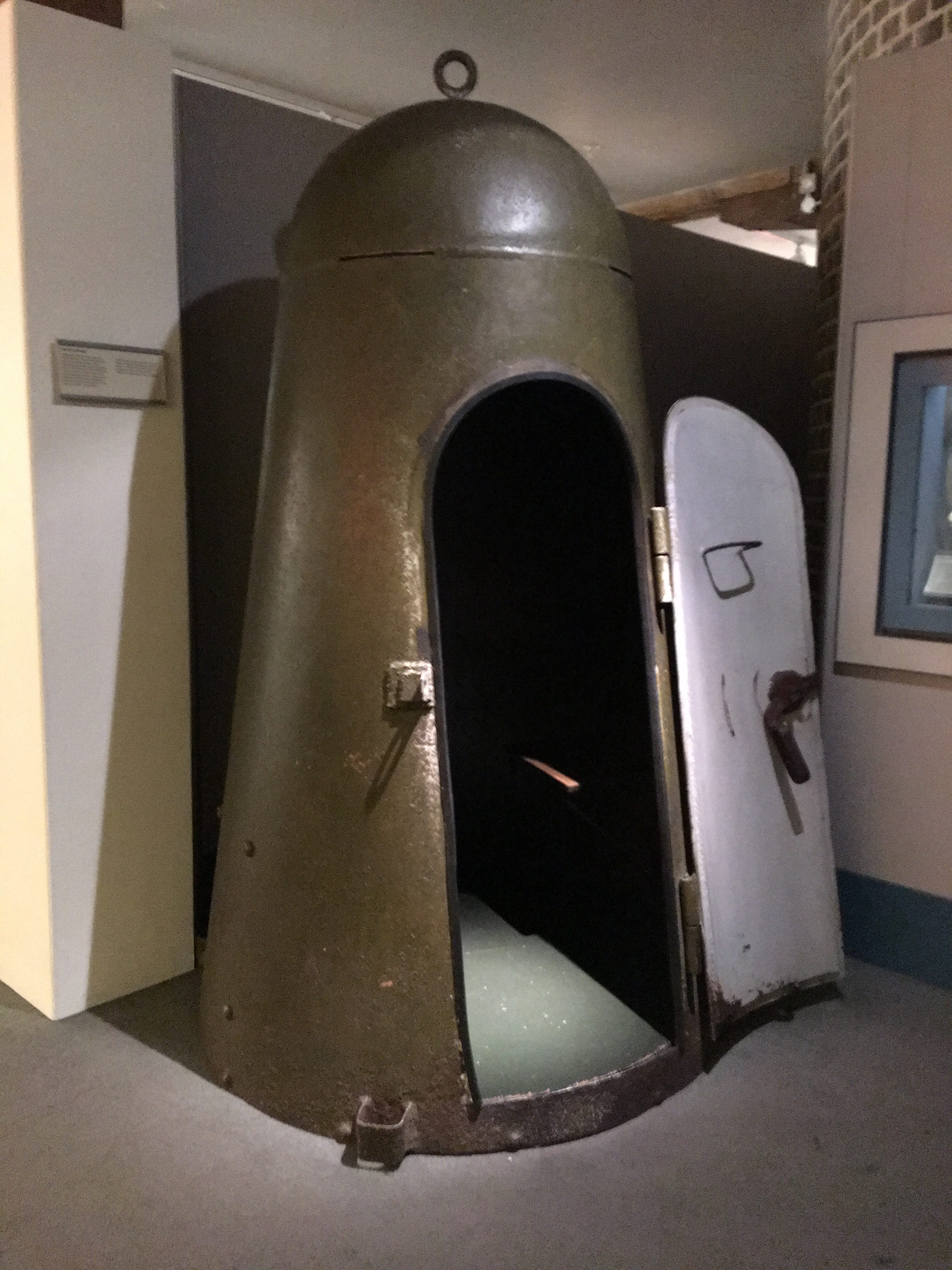
The second section I perused was about World War II specific to the Docklands, featuring bomb shelters for families and singles or couples.

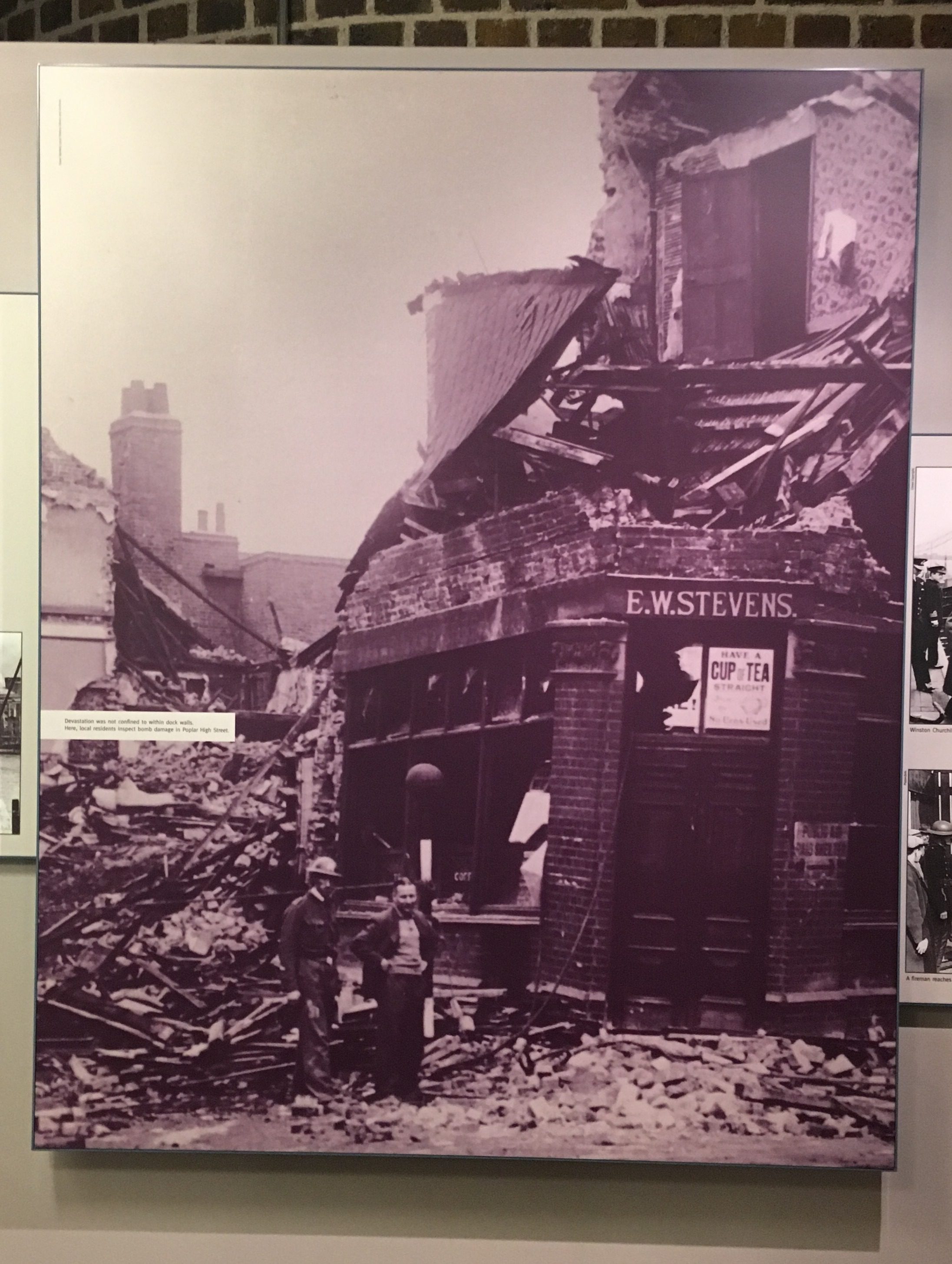
This is the damage the German bombs wreaked:

Imagine, coming across one of these while hoeing potatoes in your garden, five years after the war.

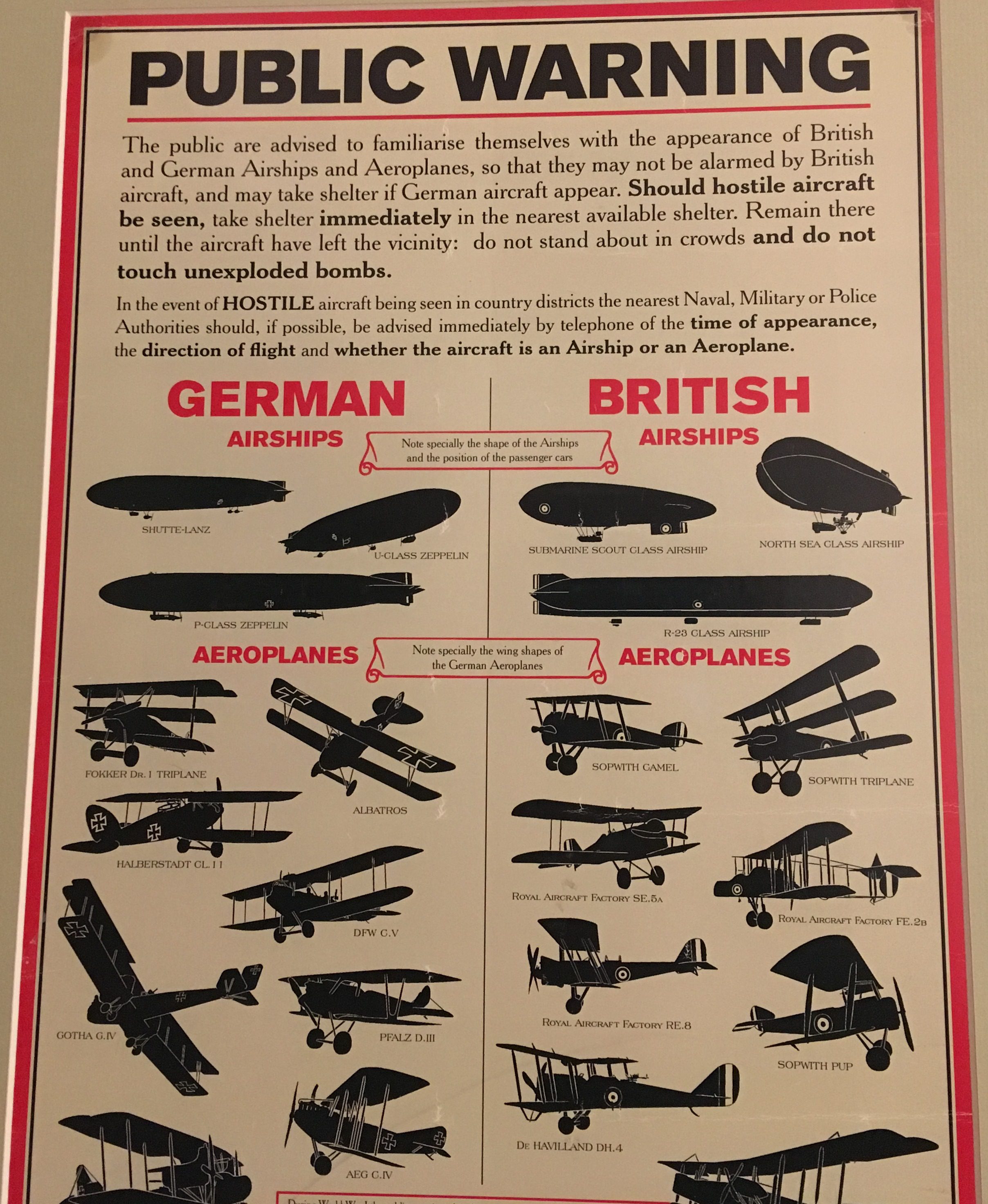
I’m fascinated that people were expected to discern German from British bombers. Can you imagine teaching your kid, “Now Jimmy, study this carefully.  The ones on the left are the bad planes.  When we see them we run for the bomb shelter so we don’t get blown to smithereens like the Evans family.”

I don’t know about you, but I could study this poster all day—even have it in my hands while looking up at the sky—and I would never be able to tell the difference between the good guys and the bad guys.  In the dark, under stress?  No way. I imagine all this well-intentioned poster did was make people more anxious.

They had their version of the American icon Rosie the Riveter; recruitment campaigns to bring women into the workforce to take the place of the men who were off to war:

Of course as soon as the war ended, the women were told to go back home and have babies, which set the stage for women’s lib.

There was a bonus exhibit at the end that displayed items found in the construction of Crossrail, the new Elizabeth train line being built in London.  Imagine, tunneling 26 miles under London, with all the other tube lines down there.  It being London, they had to stop every five feet to make sure they weren’t grinding up a significant archaeological site.  Here’s my favorite artifact, a chamber pot:

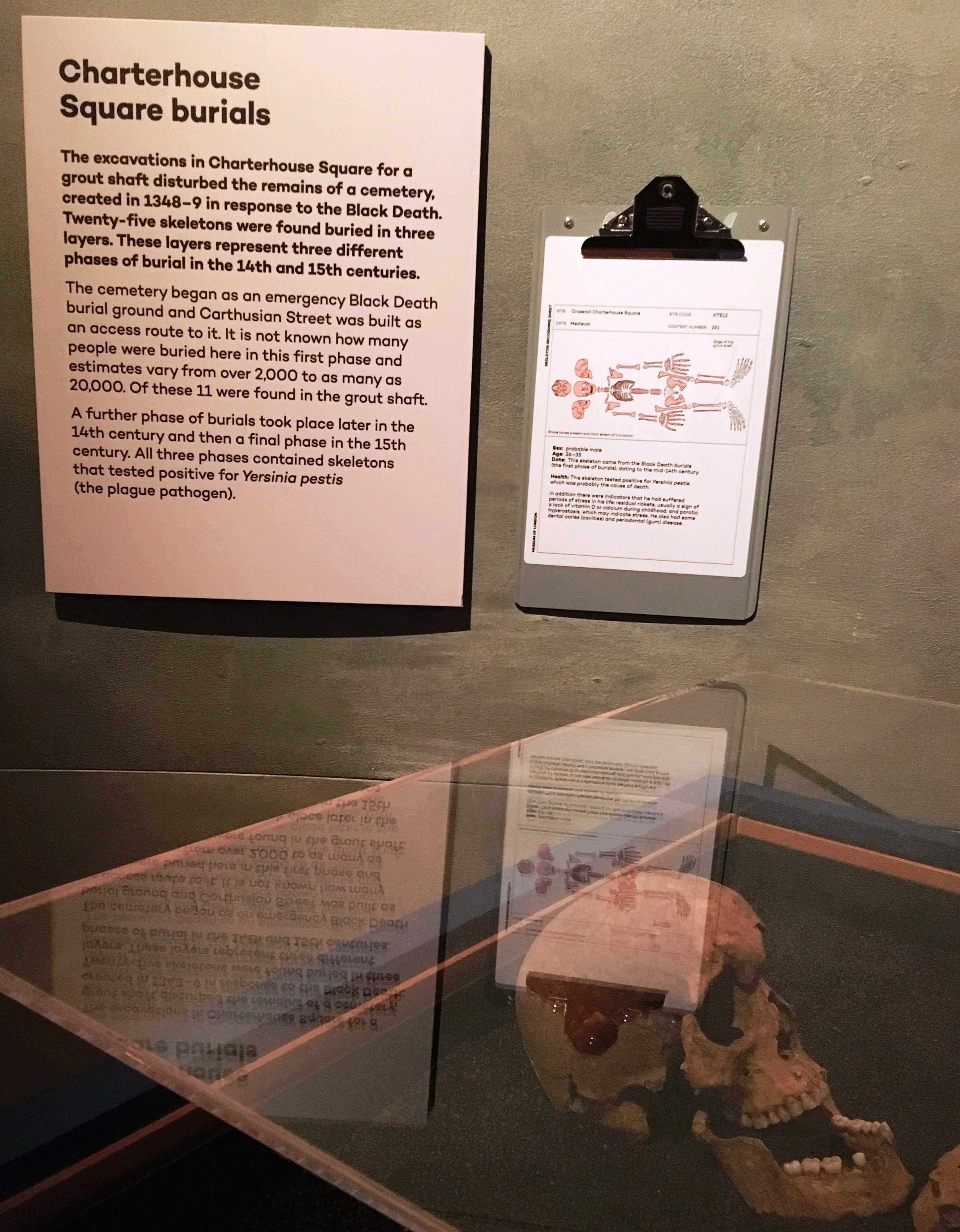
There were skeletons recovered from plague cemeteries.  People died in such numbers they had to be dumped into mass graves—before the grave diggers caught the Black Death and followed their customers into the ground.

I had my eye out for something about the story of how Pakistanis came to work the docks in the 50s and 60s after Indian independence and partition.  It was hoped they would work for cheap, then go home.  But they stayed and brought their families.  This had been the whole learning topic during my Volunteers for Peace week long “work camp” in the east end in 1988.  Now Sadiq Khan, a British Pakistani, is Mayor of London.

There was nothing.  Nothing!  I just went to the museum website and searched for “Pakistani” and found nothing either.  Did I imagine this big historical story, or get it wrong?

Fallen Leaves

Another report from real time.  I apologize in advance that this post is longer than most.

A friend invited me to an five-hour writing and meditation retreat.  My first reaction was, Who’s got time for that!?  My second reaction was, If that was my first reaction, it must mean I need it.  So I signed up.

On Sunday I got up early and schlepped over to Theodore Wirth Park in Minneapolis, which is slightly smaller than New York’s Central Park.  I didn’t get lost because last winter I got “pre-lost” on a walk there.  I had to call this same friend to come and rescue me in the dark snowy woods.

The retreat was in the pavilion, which I would guess was built in the 20s based on its deco-era light fixtures.  It has a high vaulted ceiling, screen porches that run the length of it on both sides, and a gigantic hearth. The pavilion is set on a hill with oaks whose leaves were in their autumn finest colors of russet, pumpkin, and gold.

The retreat was led by a woman named Jeannine who runs something called Elephant Rock.  Their retreats “harness the transformative power of writing in breathtaking natural settings.” The first thing I noticed was the vocal fry.  I was going to be here for five hours, so I “set an intention,” as they say, to not let this get on my nerves.

Jeannine was paired with a guy named Tyler who is a Buddhist monk and the director of a temple in Chicago.  There were a dozen or so participants, all women.  White women with scarves, we call them where I work.  Upper middle class, white, professional women.  Oh well.  That was me, too, so for the second time that day I pledged not to be distracted by my observations.

The pattern of the day was that Tyler led a short meditation, then Jeannine gave us a writing prompt to inspire us in 10 minutes of scribbling, followed by a brief discussion.  The first prompt was an excerpt from The Painted Drum by Louise Erdrich:

“Life will break you. Nobody can protect you from that, and living alone won’t either, for solitude will also break you with its yearning. You have to love. You have to feel. It is the reason you are here on earth. You are here to risk your heart. You are here to be swallowed up. And when it happens that you are broken, or betrayed, or left, or hurt, or death brushes near, let yourself sit by an apple tree and listen to the apples falling all around you in heaps, wasting their sweetness. Tell yourself you tasted as many as you could.”

I wrote:

In my new backyard, I sit on the bench we threw out here because we didn’t know where else to put it and the U-Haul had to be returned by 7:00.

I smoke a Swisher Sweet and drink a Blue Moon and look up at the leaves of an enormous oak tree.  It’s the end of September and the leaves are just turning.

Once a week or so I repeat this ritual and if I’m able to actually notice the leaves—if I don’t pass the entire time in my head—I notice they are now gold, now brown, now gone, fallen in heaps in the driveway, now slimy after a rain.

I moved, my mother had a stroke, then we moved her, all in a month.  My minimalist pride was blown because I had taken home piles of her shit that I just couldn’t throw away, like the giant, heavy-duty cookie sheet she used to bake chocolate chip cookies for the four of us.

My mother is recovering in her new $6,000-a-month “continuum of care” digs.  The same apartment can be independent living, assisted living, or memory care (they put a lock on the outside of your door when you get to that stage).  There’s a cemetery next door.

Just kidding.

But no one moves out of there alive unless they’ve run out of money.

We’re all moving along a conveyor belt.  My mom will never spend the winter in Phoenix again.  Never ride a bike again.  Now she’ll never drive a car again.  No more baths now.  She’ll never go for a walk in the woods alone again.  Now, no more showers without an aide nearby.  Her daily glass of wine is forbidden.

My mother is blessed with a mind that never worries, never obsesses, never ruminates.  Yesterday I found her in the party room at a Bloody Mary party.  When she saw me she put down her plastic cup and said with a foxy grin, “I forgot I’m not supposed to drink!”

I do worry, obsess, and ruminate, which is why I need to write and meditate and sometimes, have a beer and a cigar out in the backyard.  But not now, not until spring, because it’s too cold and dark outside.

Elder, Kickin’ It

This is a series of posts about Belize that starts here.

In the real world, there is more bad news in addition to all the shenanigans in Washington.  Every day there are reports about all the people overdosing on Carfentanil, a synthetic opioid 10,000 times more potent than morphine.  The anniversary of Prince’s death just passed; he overdosed on a similar drug, Fentanyl.  Carfentanil was developed as a large animal anesthetic.  Really?  Who takes drugs like that?

Sadly, my dad did.  It was his birthday recently; he would have been 81 if he hadn’t overdosed in a Wisconsin motel room nearly 50 years ago, aged 32.  He died of a lethal combination of alcohol and Paraldehyde, which used to be prescribed to treat alcoholism.  Paraldehyde is classified as a “hypnotic” and has mostly been replaced by safer drugs. Was it an accident or intentional?  I’ll never know.  What I do notice is how little emotion I feel about it anymore.  That’s taken a long time and a lot of work.  He loved to travel, so I like to think he would be happy about my adventures.

After our snorkeling day, we were herded onto the van by Mark to attend a Garifuna drumming performance at the Hopkins Cultural Center.  It took an hour for us to drive the mile distance as the crow flies.  It was a very dark night. Thank goodness there were potholes the size of bathtubs full of water, which reflected the light from the three streetlights in town.

Eventually we were ushered into a large thatched-roof hut where we waited for our supper.  A woman about my age was the cook, and she was obviously working her ass off. She had been summoned on five minutes notice to produce food for 20 people, and after an hour her young adult children served up bowls of hudutu and fry bread.  Again, it was full of bones, but we were so hungry we had no complaints.

A 30-something man in a dashiki jumped up on the stage and started shouting into the mic.  “Let’s give a hand to Elder Elspeth for the wonderful meal!”

Elder?  If she was an elder, that made me one too.

The guy, whose name was Myron, launched into a long, disconnected rant about Garifuna culture.  I had read about it in the guide books, and he seemed to be making stuff up.  Garifuna is a language and a culture brought by mixed-race slaves from the Caribbean to Honduras, Nicaragua, and British Honduras—as Belize was then called—in the early 19th Century.  I asked a question; I don’t recall what it was because he angrily yelled, “No!” at me and resumed his animated monologue.  He seemed to have a chip on his shoulder.  He was very muscular—maybe he had ‘roid rage.

Myron went on for half an hour, then two other men joined him and they began drumming and singing manically in the Garifuna language.  It reminded me of a pow wow, where the first song is really cool, the second one is good, and then they all sound alike.

Despite it being ear-splittingly loud, I was trying hard not to nod off, as were the other snorkelers. Mercifully the trio only played five songs.  Then they jumped off the stage and started selling CDs and passing a hat for tips.  It was clear they couldn’t wait for us to get out of there.

Midnight.  One hundred Fahrenheit with 99% humidity.  I lay in my bed in the middle of the room, between Trudy and Emily.  Our table and chairs had disappeared while we were gone but we were beyond curious about why things came and went.

My Restless Legs Syndrome is always worse when it’s humid.  It sounds like a silly condition, but it’s ruined more nights of sleep than any worry or noise or excess of caffeine or alcohol.  Just as I’m falling asleep, I get a creeping feeling around my knees and have an overpowering urge to Move My Legs.

Then music started up in the distance, a low throbbing beat.  This would last for hours, I thought, as I kick, kick, kicked to the beat.

Kaukokaipuu

I don’t normally promote travel services, hotels, etc., but I would like to make a plug for a travel agency I used to book my flight to the UK.

You are probably thinking, “A travel agent?  Didn’t they go out with video tapes and big hair bands?”  That’s what I thought, too.  Everything is online, right?  Expedia, Orbitz, Kayak; there’s no need to pay someone to find your cheap flight.

But a coworker told me how an agent had saved him about $500 on a flight to Japan.  The agent and I went back and forth.  This was London, not Japan, so the savings were only about $50, but still—that’s $50 more I’ll have to pay for fun stuff.  If you’ve got an upcoming trip, feel free to contact Caroline at caroline.b@airconcierge.com and tell her Anne sent you.

I’m renewing my passport.  I always find it difficult to put the old one in the mail.  What if it gets lost?

I once worked in the HR department of a certain international organization, so I know how precarious it can get.  I would have to get a transit visa, for instance, for a Canadian public health nurse who was coming to the UK for orientation before traveling on to work in Kenya, via Dubai. She would mail her passport and extra photos.  I would fill out the paperwork, stuff everything in an envelope, courier it to London, and hope for the best.  If all went well, the courier would return with a transit visa and I would mail everything back to the new employee in Canada well in advance of her travels.  There were a few close calls, but the Home Office always came through.

Sometimes when we had leftover passport photos, we would talk about who we thought would make good-looking couples.  Coworkers who had been there a long time accumulated drawers full of photos, so we strung them together and used them to festoon our cubes.  This is probably not something we should have done, so shhhh….don’t tell anyone.

I went to Walmart to get new passport photos.  I hate Walmart, but you can’t beat their price of $7.50.  I was relieved when I compared my pics from 10 years ago to today; I didn’t think my face hadn’t aged more than 10 years.  I accept that I’m aging, but I don’t want to look older than I am.

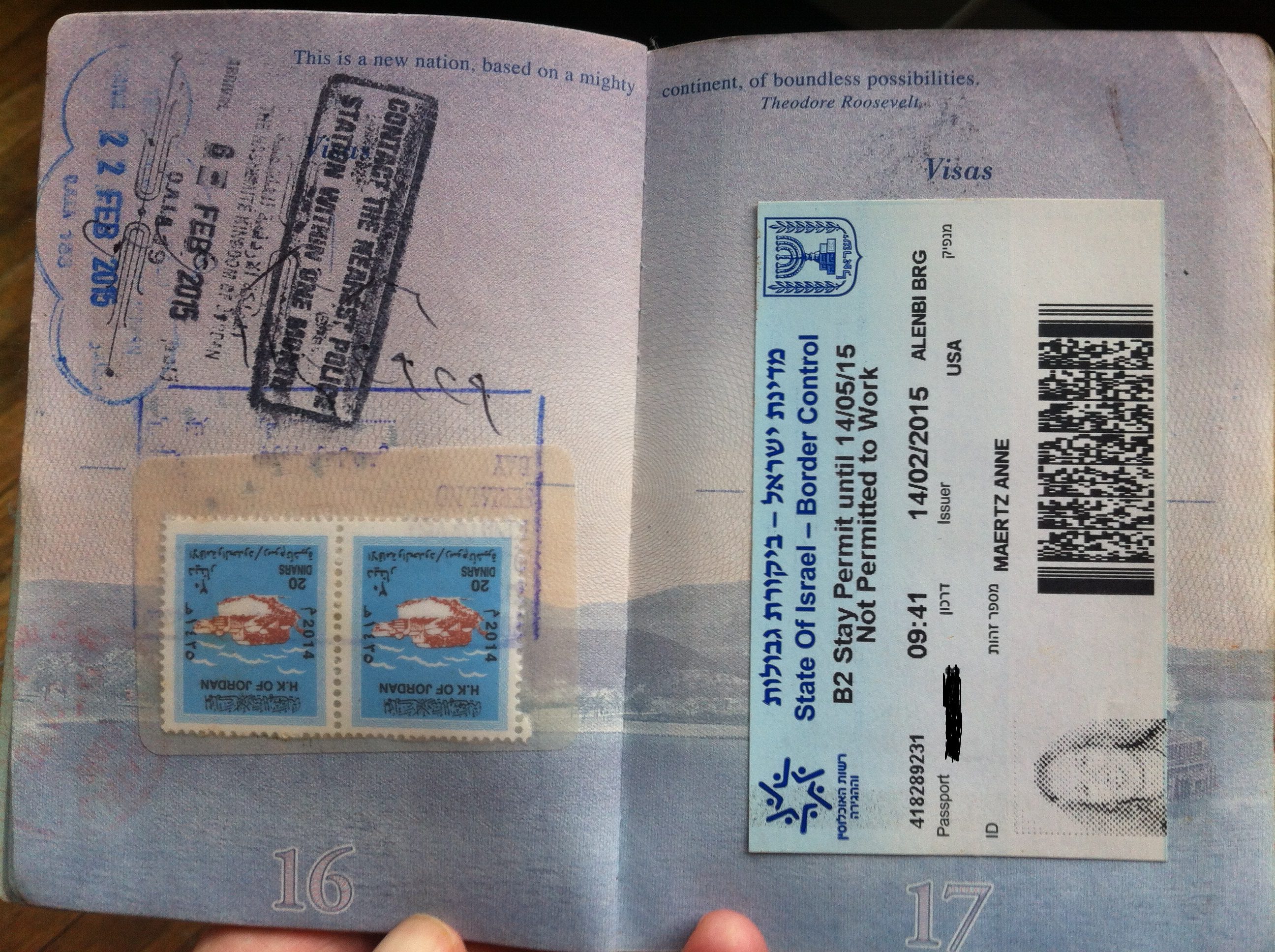
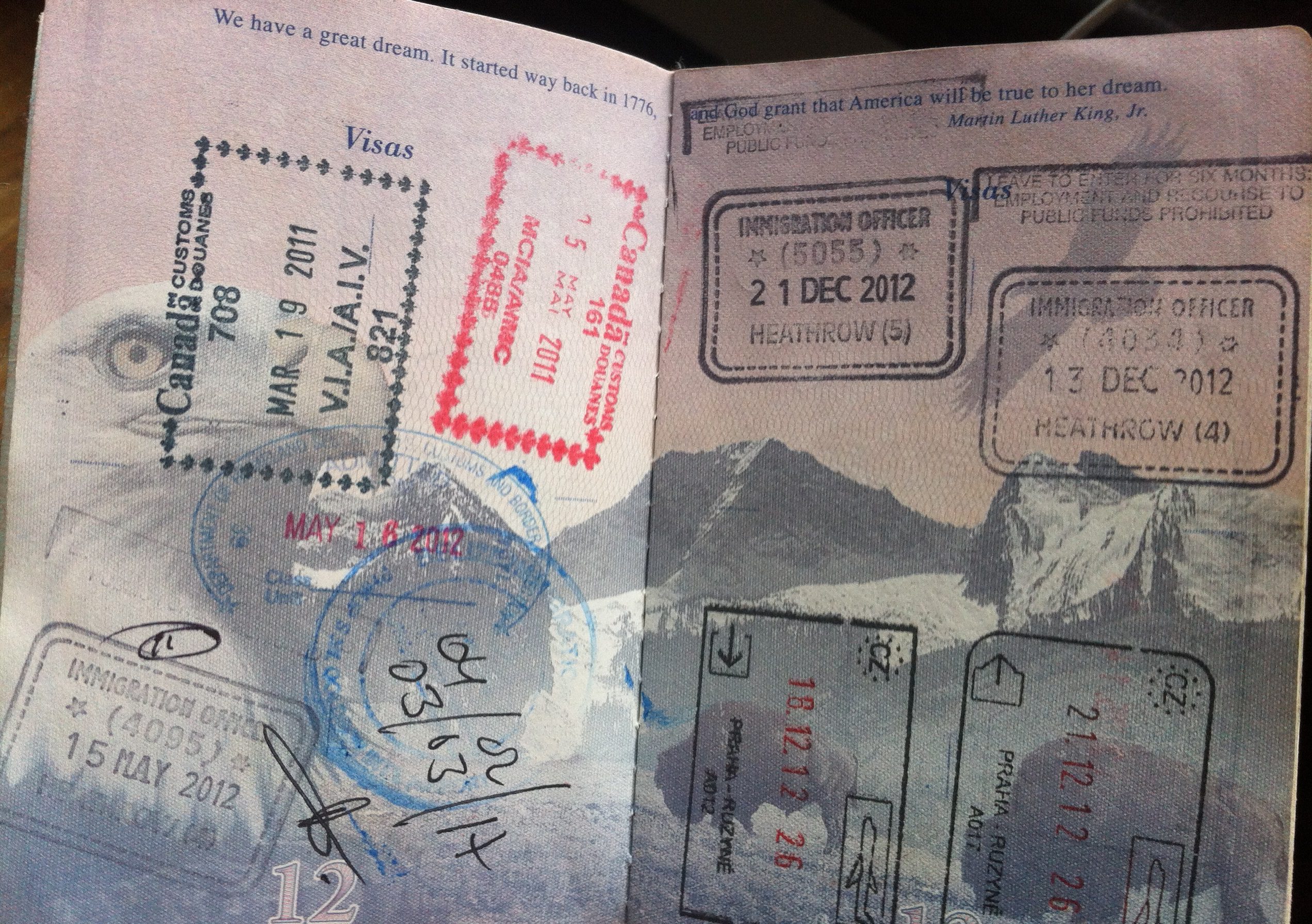
I reminisced over the places I’d been in 10 years: multiple times to the UK.  Jordan, Israel, and the Occupied Palestinian Territories.  Kenya, Dubai.  Guatemala, Belize. France, Germany, Italy, Malta, Spain.

I talked to my sister and told her I was thinking of summering in the UK.

Our mother and her husband were planning a move to a senior apartment building in April.

“I feel like it’s a good time to do something like this,” I told Connie. “Mom and Jim will be safely ensconced where they’ll have transportation and help if they need it.  Vince is out of prison.  You’re in the clear.”  Connie almost died of colon cancer two years ago.  She had just had her semi-annual battery of tests and been told she was cancer free.

“Yeah,” she replied, “By the way, I was over there today and they’re now saying they’ll wait to move until June.  They want to enjoy one more spring in their house.”

“What!?” I asked, “Do they realize they’ve signed a lease and they’ll have to pay rent for an empty apartment for month?”  Yes, she said, they knew that.

“I guess I can stick around through June, to make sure they’re all settled,” I said. “My remote work request isn’t official yet.”

No,” Connie replied, “Go—you should go.  If it’s one thing I learned from thinking I was going to die within days, it’s that you have to live now.  So go.”

A friend who is an artist gave me a handmade birthday card that said Kaukokaipuu on the cover.  It’s a Finnish word which means “craving for a distant land.”

I’ve always craved distant lands, but since Connie’s illness, Angus’ death, my mother’s frailty, and my son’s stint in prison, I’m feeling Kaukokaipuu on steroids.

Windsor Bound

I’m at a writing crossroads, having written 65 posts about my trip to Italy, Spain, and Malta.  Next up, Belize and Guatemala.  But first, some exciting news. I’m going to spend the summer in the UK.  Yes, the whole of June, July, and August!

It all sprouted, as many trips do, from something completely unrelated.

I learned that the guy I dated when I lived in the UK 10 years ago had died of cancer.  I’ll call him Angus.  He was only 55.  He was a Yorkshire man, so he had a great accent, and he was a maths teacher at the Jewish Free School in London, the largest Jewish high school outside of Israel.  He and my friend Sam were friends, and Sam introduced us.  We hadn’t been in touch for years; our relationship had been fun but not serious and we knew we’d never be able to live on the same continent due to visa issues.  He was such a crusty but sweet guy, if you can imagine those two characteristics in one person.

I was exchanging emails about Angus with Sam, who is originally from Bemidji, Minnesota.  And then he mailed and asked if I would like to house sit for him while he and his family are back in Minnesota for the month of July.  Sam teaches at Eton, the posh boarding school for boys founded in 1440 by Henry VI.  Sam lives in nearby Windsor, just west of London.

Of course I had to think about it—not.

I said yes, then got to thinking … why not take Lynn up on her invitation to let me to stay with her and Richard in Scotland?  August is a good month for weather up there.  And as long as I’m over there, why not try to get permission to work remotely, cut down to 80% time, stay the whole summer, and travel around on my time off? I could get to Croatia or Munich for a long weekend on cheap Ryanair flights.

I started making lists.  I could rent out my condo. What about my plants?  Could I invite a friend to visit me in Windsor?  Ask Sam.  Where would I stay in June—could I rent a canal boat on the Thames?  How close is Windsor to Highcleer Castle, where Downton Abbey was filmed?  Forward mail to Vince.  Cancel newspaper.  Would I store my car?  Put in remote work request.

Late Friday afternoon, I impulsively went on Craig’s List and contacted the first advertiser I found.  A couple from Minneapolis who retired to Florida wanted to be in the Twin Cities for the summer to visit their children and grandchildren.  I killed myself cleaning and arranging things on Saturday so I could take alluring photos of the condo.  We exchanged a lot of emails, and one of their daughters came by on Sunday to see the place.  They wanted in, and my condo association management company would manage the rental so I wouldn’t have to deal with an overflowing toilet from Scotland. With a renter I wouldn’t make a profit, but I wouldn’t lose money.  Everything was perfect!

Except, I didn’t yet have permission to work remotely.  That’s when the What Ifs set in.  We have lots of people who work remotely. But what if I was the first person my employer said no to?   Would I file a grievance?  That would be awful.  I could ask for an unpaid leave for the summer—would they grant it?  Could I afford that?  What if they said no to that?  Would I quit?  I can’t afford to quit!  I would have to tell the renters the deal was off.  And around and around my mind raced.

In the back of my mind, I think I knew all would be well.  Looking at the facts, there was no reason my employer would allow other people to work remotely—from North Carolina, South Africa, Los Angeles, Arizona, Italy, Colorado.  But the mind wants to be in charge.  My mind wanted to have answers, to have certainty, even if that meant a no.

My request was granted–no drama!–so away I go.

Justice, Sweet and Sour

Summer is over, and so is my break from blogging.  In my last post, I listed all the things I was going to do with my extra time: sit outside in the morning with my coffee and listen to the birds, plan a fall trip, and figure out how to publish the first year of the blog as an e-book.  Oh—and write a novel.

I sat outside with my coffee once.  I am planning a fall trip to Italy, Malta, and Spain.  I didn’t write a novel, but Vince and I have started working with an editor on the e-book.

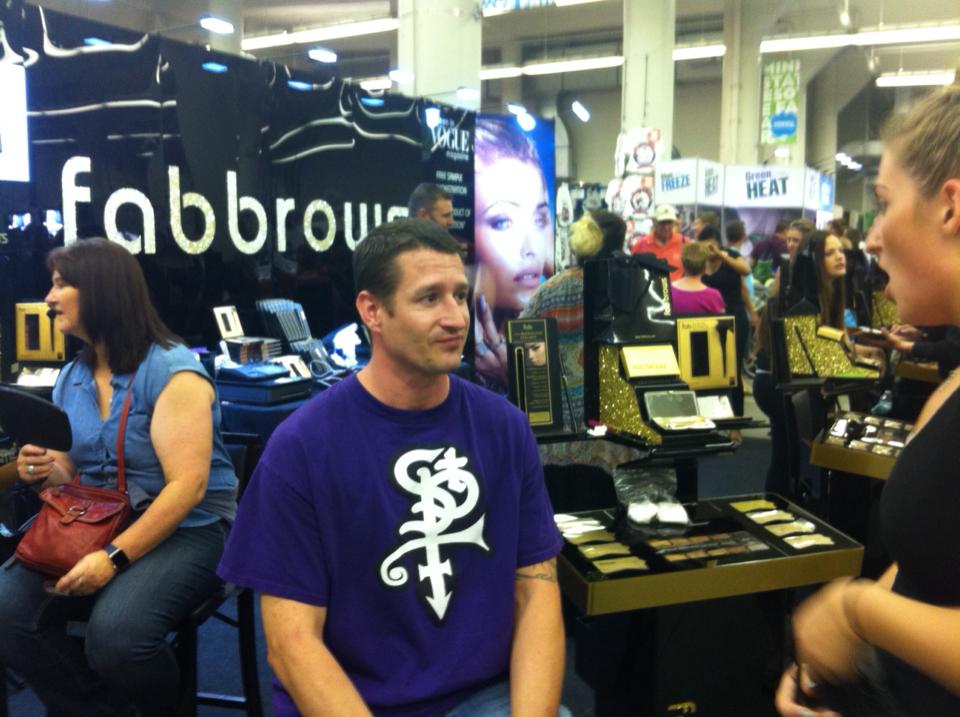
Mostly, I’ve tried to live in the moment.  Summer is so brief.  There were fun moments.  At a family weekend at a cabin, someone brought a Donald Trump piñata (Made in Mexico, appropriately).  I fostered a litter of seven kittens which drew visits from friends and family.  Vince and I went to the State Fair where, at the FabBrow booth, he insisted he wanted a uni-brow.  The makeup artists got back at him by making him look like a community theater actor.

pinatakittens

fabbrow

I spent a lot of time outdoors.  There were hikes and bike rides, and one day a friend and I spend hours making jewelry down at the river. Other times I packed a book and a beverage and biked to some quiet spot at a lake or the river.

The big local news this summer was of the killing of Philando Castille by a cop.  Castille was black.  The cop, Jeronimo Yanez, was Latino.  Castille was pulled over for a broken taillight.  He had a gun in his glove compartment, and believed that the proper procedure when interacting with a cop was to inform: “I’ve got a gun, and I’ve got a permit to carry it.”

I suppose Yanez didn’t hear anything after Castille said “I’ve got a gun.” Blam!  Shot point blank five times and left to bleed to death.  Castille’s girlfriend live streamed his last moments on Facebook.  I have not watched that video, but hundreds of thousands of people have.

I live within walking distance of the Governor’s mansion in St. Paul, where the inevitable protests took place. Traffic was blocked off by the police for a month and I was kept awake a couple nights by helicopter noise.  The protestors blocked off the nearby interstate and either police were patrolling with helicopters or it was news media copters, but they were loud.  Not that I’m comparing my minor inconvenience to the Castille’s family’s loss.

govs-mansion

This week marked one year since Vince was released from prison.  He is doing so well.  He just started a new job in catering, and he’s excited.  In a month he will go off intensive supervised release, which means he’ll be able to stay out past 10:30 or go to Wisconsin to visit cousins.  Best of all, he won’t have ISR agents showing up day and night asking him for urine samples.

Another event prompted me to write this post.

In 1989, an 11-year-old boy named Jacob Wetterling was abducted by a stranger at gun point in a small town in Minnesota. He was never found.

Vince was the same age as Jacob.  Vince became a Bar Mitzvah, got his first job, moved out, turned 20, had a serious girlfriend, had serious drug and alcohol problems, went to jail, got clean, relapsed, turned 30, moved to Lanesboro, went to prison, got out, and has two years of sobriety.  In a few months he’ll be 38.

This week, a man confessed to abducting, sexually assaulting, and executing Jacob Wetterling by shooting him in the head, then burying him—and returning a year later to move the remains.  Lying handcuffed in the last moments of his life, Jacob asked the man, “What did I do wrong?”

Vince was sentenced to over four years in prison for drug possession.  Because the statute of limitations has expired, Jacob’s killer will get 20 years on a child porn charge.  He’ll be a cho-mo—the most loathed prisoner among prisoners.  According to Vince, they are also considered a “protected class,” by officials, perhaps to prevent prison vigilantes from meting out real justice.

Hail, Prince

I’m interrupting the series about the road trip to New Orleans to write about Prince’s death.  It’s very sad, and we in Minnesota will miss him.  He had a huge impact on the local music scene.  In the Minneapolis Star Tribune today, Doomtree rapper P.O.S. credited Prince with making Minneapolis “a city full of musical weirdos.”  That’s a good thing. You want artists to feel free to experiment.

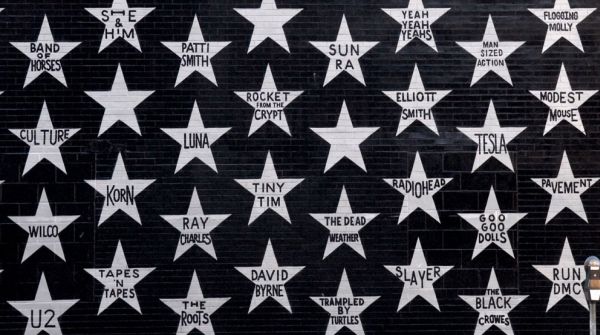
Bob Dylan, another tiny weirdo superstar from Minnesota, lives in Malibu, California.  Prince stayed here, and like most locals I had gone to First Avenue, the club he founded, hoping he would show up for one of his impromptu concerts.  Last year I went to a party there celebrating the 30th anniversary of Purple Rain.  They showed the movie on a big screen and local musicians, including P.O.S, played songs from the album.  Lots of people I know have stories about hearing Prince at some small local venue, or meeting him at a restaurant, and they all describe him as friendly and warm.

1st ave Ist ave stars

The headline in the Star Tribune today was irritating: “Lonely death scene despite legions of fans.”  Yes, he was alone when he died, but does that mean he was lonely?  It’s just such sloppy writing.  Probably the person he would have most wanted to be with in his dying moments would have been a paramedic.  The Strib also referred to his “passing,” which is one of my pet peeves.  It’s sad enough that he died. Can’t we just say it?

I once had a tangential connection to Prince.  I dated his ex manager for a while.  He and I hung out with Prince’s ex drummer, ex driver, ex chef … you get the idea.  Prince was not an easy boss.

I’ll call my ex Larry.  Back in the late 90s there was still a matchmaker for the Jewish community in the Twin Cities.  She also ran the Big Brothers/Sisters mentoring program.  She had matched me with my Little Sister, and after a rocky start it had turned out to be a perfect fit.  Almost 40, I went to her to see if she could do as well with a man.  She was a tiny lady named Bobbie Goldfarb.  She peered at me and said, “Honey, at your age the odds are good, but the goods are odd.”  That turned out to be true.

She set me up with Larry and it was great for a couple years.  Larry had all sorts of Prince and other music memorabilia in his basement, including gold and platinum records.  He told of how Prince came to live with him when Prince was a teenager.  Prince could play the piano with one hand and a guitar with the other at the same time.  He could do it standing on his head.  Well, slight exaggeration but that’s just to say he was a whiz bang genius musician.  Prince also had a wicked sense of humor.  Larry told me a story of how he’d lifted the toilet seat, put plastic wrap over the bowl, and put the seat back down.  You can imagine what happened to the next person to use the bathroom.

Larry rented a converted garage in Los Angeles that was his second home.  It was a lot nicer than that sounds.  You can live in a converted garage in Los Angeles and be perfectly happy, because you can sit outside surrounded by fragrant night-blooming jasmine and all the other lush growing things that can’t survive in Minnesota.  And there was a pool. I love staring at a pool even if I never get in it.  I have Larry to thank for my love of L.A.

New Year’s Eve, 1999.  Larry and I went to a party in a house on the beach near Santa Monica.  There was a sushi chef.  There were fireworks over the pier.  It was a nice night.  Two months later I turned 40, Larry dumped me, I was fired from my job, and I was diagnosed with Multiple Sclerosis.  I was devastated and played Sinead O’Connor’s ‘Nothing Compares 2 You” (written by Prince) over and over and smoked and cried…such a great wallowing song.

Thanks, Prince, for the music, and for inspiring weirdos and sad people everywhere.

In Pig’s Eye

I’ve been writing about a road trip to South Dakota that I took for work last week. I can’t say a lot more about it. There were some eyebrow-raising moments which have to remain confidential.

But one of my intentions in blogging is to demonstrate how you can experience adventure close to home—and even in your head. You don’t have to spend thousands on a trip abroad. Your own neighborhood can hold surprises.

I’ve lived in St. Paul almost all my life. It’s not that big of a city—about 300,000 people. I went for a long walk on a Sunday afternoon and found the following things that were new to me.

I crossed the Smith Avenue Bridge, which everyone calls the High Bridge, because it’s, well, high. The High Bridge was new to me. What a view.  I know, my photos are not the best, but they’ll give you the general idea.

Bridgeview 2

Sadly, because it’s high, the High Bridge is one of the preferred bridges in the Twin Cities for people to jump from. There was this tender note from a stranger to a stranger.

Bridge Memorial

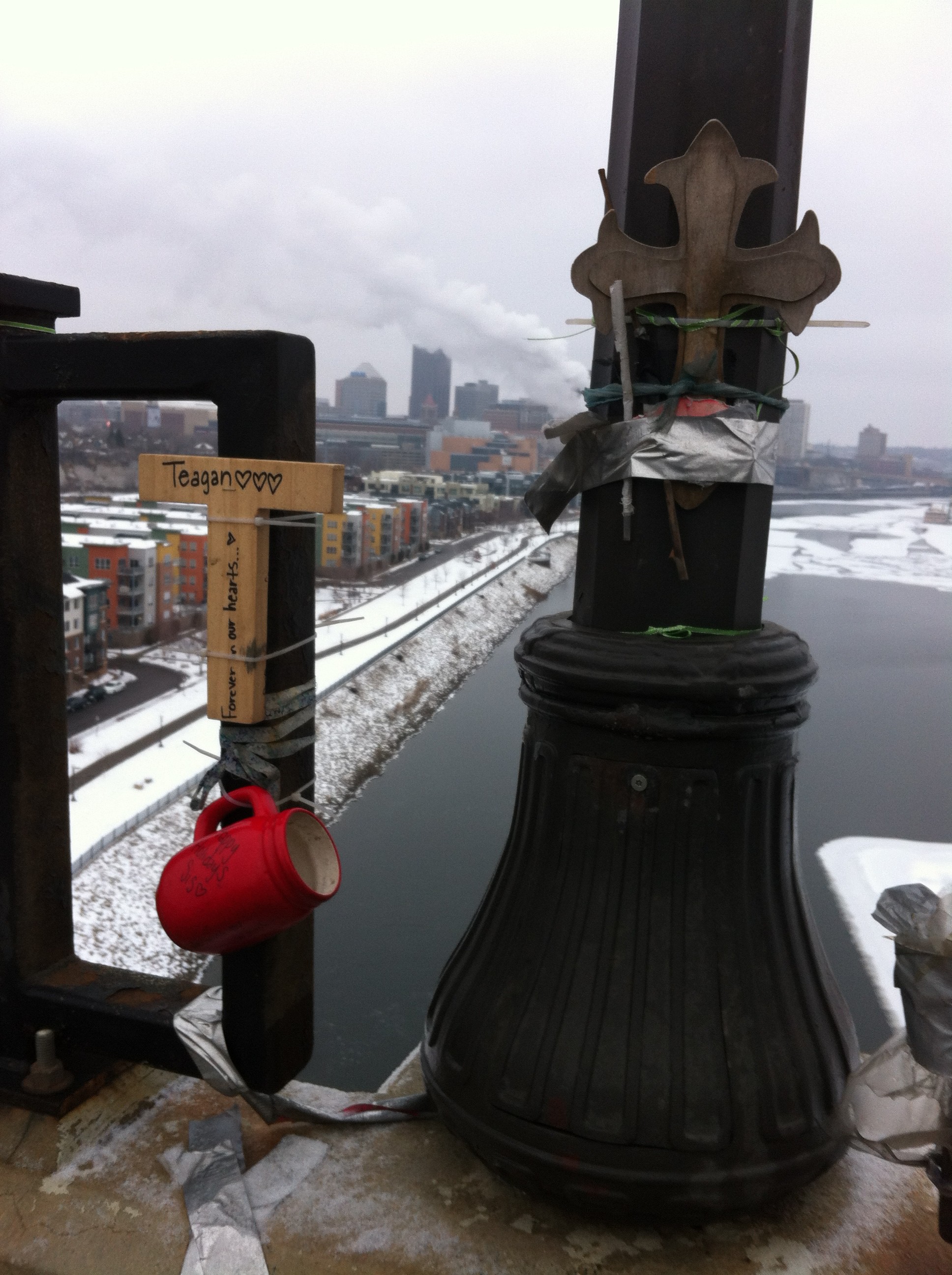
There was this makeshift shrine to someone named Teagan. I don’t know if she was the same person to whom the note in the previous photo was written, or a second jumper.

Suicide Shrine

Someone has been thinking about how to prevent suicides from the High Bridge. I don’t know. Would you have the presence of mind to call the number, or would you even see it if you were intent on jumping off a bridge?

Suicide Hotline

Ah, the sun came out, very welcome after being reminded of suicide at every footstep. This is a view from the Wabasha Bridge toward the train bridge.  I don’t know the name of the train bridge; everyone just calls it The Train Bridge.

Bridge View

Now I was in Kellogg Mall, a long strip of greenery between downtown and the river.  I don’t normally read plaques. Because I travel so much, if I read every plaque (and spent time on every portrait of the Madonna and Child, for that matter), I would never do anything else.  But this one said something about Fr. Lucian Galtier, who gave St. Paul its name.

SP Walk Rock

At the base of the rock there was a bag containing a hat, scarf, and mittens with a note that said, “I’m not lost! Please use to keep warm!” Presumably this is for some homeless person who has a preference for pink.

Scarf in a Bag

If it hadn’t been for Fr. Galtier, St. Paul might still be called Pig’s Eye. Pig’s Eye Parrant was a blind-in-one-eye French Canadian fur trader who squatted outside Fort Snelling, near present-day St. Paul.  He made hootch and sold it to the soldiers, then eventually built a shack on the river landing below what would become St. Paul, becoming our first civilian resident. The details are sketchy, but it makes a good myth and we have a pretty good beer named Pig’s Eye as a result.

Pigs Eye Close UP

So go for a walk!  Think how you would tell the story of what you see to a good friend, or to a stranger.  Get out of your rut. Take a different route than the one you’re used to. Take a left turn instead of a right. Follow that path into the woods you’ve always wondered about. Notice things. Snap some pics, or not.  Adventure is all around you if you hold the right attitude of inquisitiveness.

Happy Christmas, Ten Years On

In keeping with my gradual transition to writing about unconventional travel and living abroad adventures, I’m looking back on the first Christmas I spent in the UK, 10 years ago.

I had learned a lot since arriving in October. Searching for housing, I had finally figured out that address numbers sometimes went up one side of a block and down the other. Also, many buildings just had names instead of numbers. The Oxfam head office was called John Smith House.

“House” was a misnomer because it was a modern, three-storey building in an industrial park across the motorway from the Mini Cooper factory, and 750 people worked there.

John Smith Houseatriumlobby

I could usually remember that the first floor was the “ground floor” and the second floor was the first floor. I had figured out that when my coworkers asked, “You awl right?” they weren’t concerned about my health; it was the same as someone in Minnesota asking, “How ya doin?” I was avoiding “creeping Americanisms” in my writing, as cautioned in the Oxfam writing manual, so was careful to write “storey” and “tonne” instead of “story” and “ton.” I was no longer taken aback when introduced to a 20-something coworker named Harriet, Richard, or Jane.

Most important, I had learned to avoid any references to my pants, as in, “I got my pants wet biking to work in the rain.” Trousers were pants, and pants were underwear. I loved the expression, “That’s just pants!” which meant something like “that’s insane!”

Everyone spoke in a low murmur. This was partly due to the open plan office, where six people shared one big desk, but I think it was also the culture. A few weeks after my arrival, a new Canadian employee came through for her induction (orientation), and her braying, Minnesota-like accent filled the whole building. One of those moments when I realized, “Ah, that’s what we sound like.”

At Oxfam, everyone walked fast. It was as if, by striding vigorously, they would personally Save the World.  My tall, ginger-haired colleague, Adele, was selling Palestinian olive oil out of her desk drawer. I enjoyed a daily fair-trade, organic chocolate bar from the cafeteria.  Oxfam had a Christmas bazaar in the atrium featuring beaded jewelry made by Masai woman who used the proceeds to buy goats.  Everyone was very earnest.

To be fair, the “Boxing Day”, or Indian Ocean, Earthquake and Tsunami (caution: upsetting video) had happened one year before, killing 230,000 people and leaving millions more without homes or livelihoods. Then, suicide bombers had struck the London transport system in July, killing 56 people and injuring over 700. The week I arrived in Oxford, an earthquake took 80,000 lives in Pakistan. People were reeling, but responding generously. Oxfam had received a tsunami of donations, internally referred to as the “Cat Fund”—for Catastrophe Fund—and rumour had it that they were struggling to do enough, fast enough, to respond.

But for now, Oxfam was abuzz with Christmas cheer. I look in my diary (date book) from that time, and I was busy meeting colleagues after work at pubs named The Marsh Harrier, the Eagle and Child, The Bear, Angel and Greyhound, and Jude the Obscure.

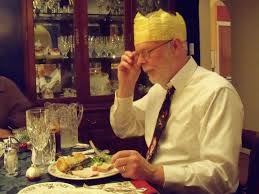
They called Christmas Crimbo, and presents pressies. There were crimbo crackers for sale, too, which are not a crunchy, salty snack, but shiny cardboard tubs “cracked” open at the festive table and containing a Christmas crown and trinkets.

C&CCrackers and CrownsC&C2

There was a panto in the Oxfam atrium, so to use all my new words in a sentence: “Are you going to the crimbo panto or shopping for pressies and crackers after work?”

And what is a panto? It’s slang for pantomime, an extravaganza that takes weeks of planning and involves elaborate costumes, jokes, dancing and singing, skits, and slapstick. Apparently it’s also done by families and in theatres but the only one I’ve ever seen was in the Oxfam atrium. Our usually-serious employees were dressed up as fairytale characters and making fun of themselves, our bosses, and our work. Very healthy, I thought. Take life seriously most of the time, then go all-out silly for a week.

The Queen’s Christmas Message that year was beautiful, in my opinion, and more relevant than ever.

queen