Category Archives: Living abroad

Cool Scotland

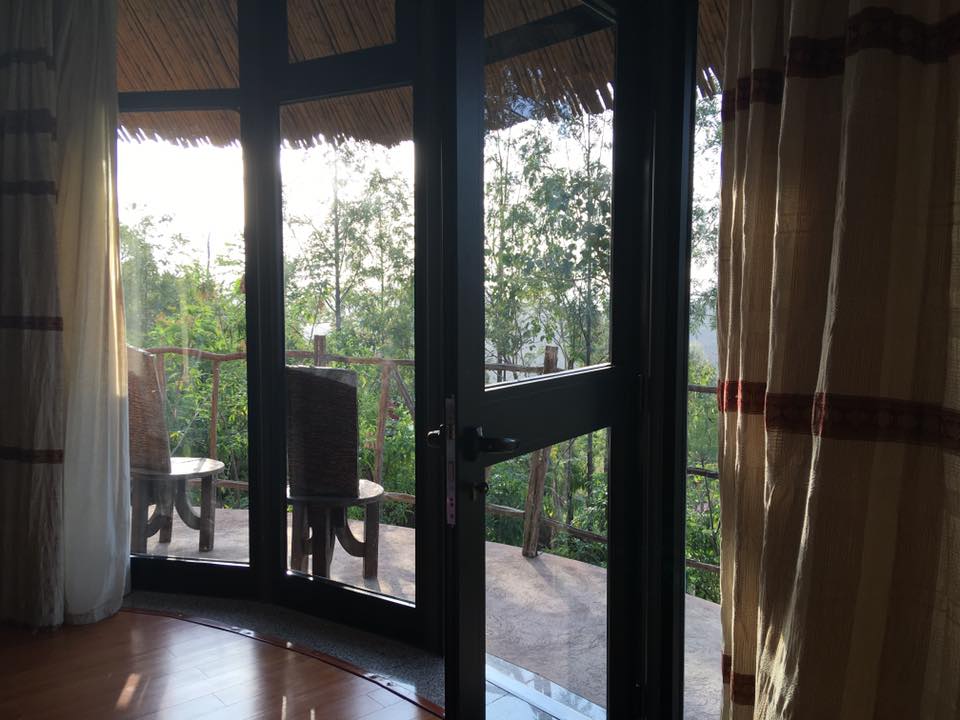
I am sitting on a big bed in a big bedroom in a big house in Scotland.  It’s so quiet, so clean, so cold.  It’s August 6 and there’s frost on the windows.  But the view out my window in the greenest green you can imagine.  Well, you don’t have to imagine it, here’s a photo from yesterday afternoon, when the high reached 60F.
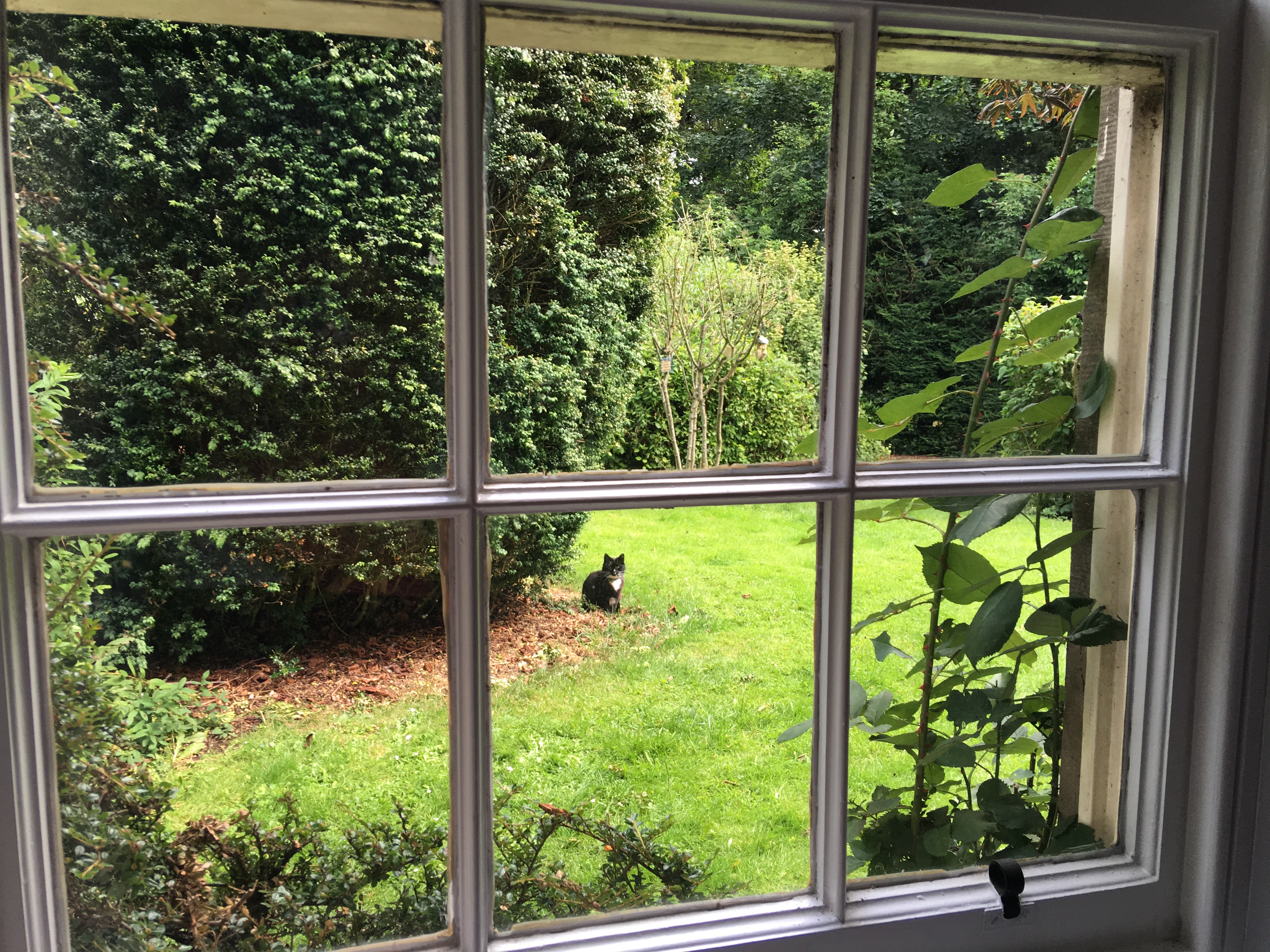
I’m at Lynn’s house; I’ve written about our travels together many times.  I have sunk into a routine of working, eating, reading, walking, more work, more eating, and watching Dickensian, a brilliant BBC TV series that jumbles together all the Dickens characters into one murder mystery.  I don’t know why it never made it to the states.

Europe, Ethiopia, and England seem like dreams.  The episode I wrote about in my last post has already morphed from panic-stricken flurry of drama into something that will make a good story some day.

After returning from Lalibela, I put in a week of work in the refugee camps in northern Ethiopia near the Eritrean border and in our offices in Shire.  I’ve written about the “sensitizations” we carry out to tell people about the effects of torture and trauma on mental health and what we can do to help them heal.

I also sat in on a two-day training in which all of our counsellors were trained in on a new group manual for adolescents.  That probably sounds like a lot of gobbledegook.  There are a lot of adolescents who have fled from Eritrea.  They’re there without their families.  They don’t know when they’ll ever see their families again.  They attend school in the camps and there are recreational facilities where they can play football and so on but in general they feel hopeless and like most teenagers, they’re restless.  So they leave the camps and try to get to Europe.  These are those people you see in the news who are being fleeced by human traffickers, only to drown in rubber rafts in the Mediterranean Sea.  The lucky ones make it to Europe or Israel, where they again live in camps.

So there have been spates of suicides and suicide attempts and the groups for adolescents aim to prevent that and teach kids how to cope with the uncertain situations they live in.

I’ve written about the content already.  This staff training was really good, despite the fact that it all had to be translated, which made it twice as long as if our Kenyan psychotherapist could have just said it once, in English.  It was also despairingly hot and stuffy in the room, and why oh why did they keep one of the Landcruisers running right outside the window, so the exhaust fumes wafted into our room?

We had a break mid morning during which we were served the strongest coffee known to mankind and popcorn.  Yes, popcorn, which happens to be my favourite snack.  (“Counsellors,” “favourite,”—I am working on two grant proposals to British funders right now so my documents are set to UK English.)

This was also my chance to catch the cleaning lady and stop her from spraying poison and air freshener all over my room.  She smiled and gestured as if to say how this was her job, how important the poison was to control the rats, how wonderful the Country Peach air freshener would smell.  I smiled back, trying to convey that under no circumstances did I want this shit in my room.  The toxic-smelling floor cleaner she mopped around was bad enough, thank you.  I would take my chances with the rat sans poison.  She smiled in return and I’m pretty sure she went ahead and did what she’d been trained to do once I was back in the training room.

There were 25 counsellors in the training, and almost all of them were millennials.  They dressed like American millennials, in skinny jeans and Converse and T-shirts.  But unlike their American counterparts would have done, there were no cell phones in sight.  They all had cell phones.  Was it out of respect for Sandra, the trainer?  Or was it because they couldn’t get a signal or wifi anyway?
Moving On, Again

I interrupt this series of posts about Ethiopia to say there’s been an unforeseen development which will prevent me from writing for a week or so.

There was a miscommunication about the dates for my house sitting gig in Eton.  I was looking forward to a leisurely last weekend here, but when I walked in the door on Friday at 5pm and my phone connected to the wifi there was a What’s App message from Sam, “Home tomorrow at 10am, hope you had a good time, remember to leave £40 for the cleaners.”

Aaaargh!  I What’s App’d a friend of a friend to ask if his spare room was free this weekend.

“Honey, do you mean tomorrow?” was his reply.  “I’m leaving for Paris on Monday, the flat looks like a bomb went off, and I’ve got to pull two extra shifts at YSL to make the dosh to spend in par-ee.”

I swore I would never use Expedia again, but Air B& B’s website was agonizingly slow and when it finally loaded it was trying to sell me “Experiences!”  On Expedia, I booked the last room in Eton and Windsor—a family room with three beds—and started frantically packing and cleaning.  I ran down the block and bought some flowers, candy, and a thank you note for Sam and his wife.  I’ve loved this place and will write about it once I get through my travels that preceded staying here.

Gotta go … got to scrub the toilet and tub, take out the trash and recycling, restock the fridge, vacuum, clean the kitchen, probably drink half a bottle of wine while I’m at it, then try to sleep and bug out of here early.

There’s just one other hitch.  I went to an hour and a half long yoga class yesterday. It was taught by an extremely handsome 50-something year old man with a posh accent who kept coming over and looming over me to correct my poses.  “Imagine a soft shower of shimmering light,” he suggested in a hypnotic voice.  I wanted to impress him so I may have overdone the spinal twists.  I feel like I might have some broken ribs but I couldn’t, could I?  From doing yoga?

Bye Bye, Lalibela

After touring Lalibela I returned to my luxury hut, drank a couple beers, and scrolled through a week’s worth of Facebook posts.  One of them was by my son, Vince, who was announcing to his 263 friends that he would undertake a project to remove some of his tattoos and replace them with new ones—to the tune of $4,000 over the course of a year.

Ugh.  Tattoos are, in general, a divider between Baby Boomers and younger generations.  To me, they are a total waste of money.  $4,000 would pay for a very nice European vacation.  It would buy a good used car.  It could even go toward a down payment on a house.  A very small house.

But it’s his money and his body.

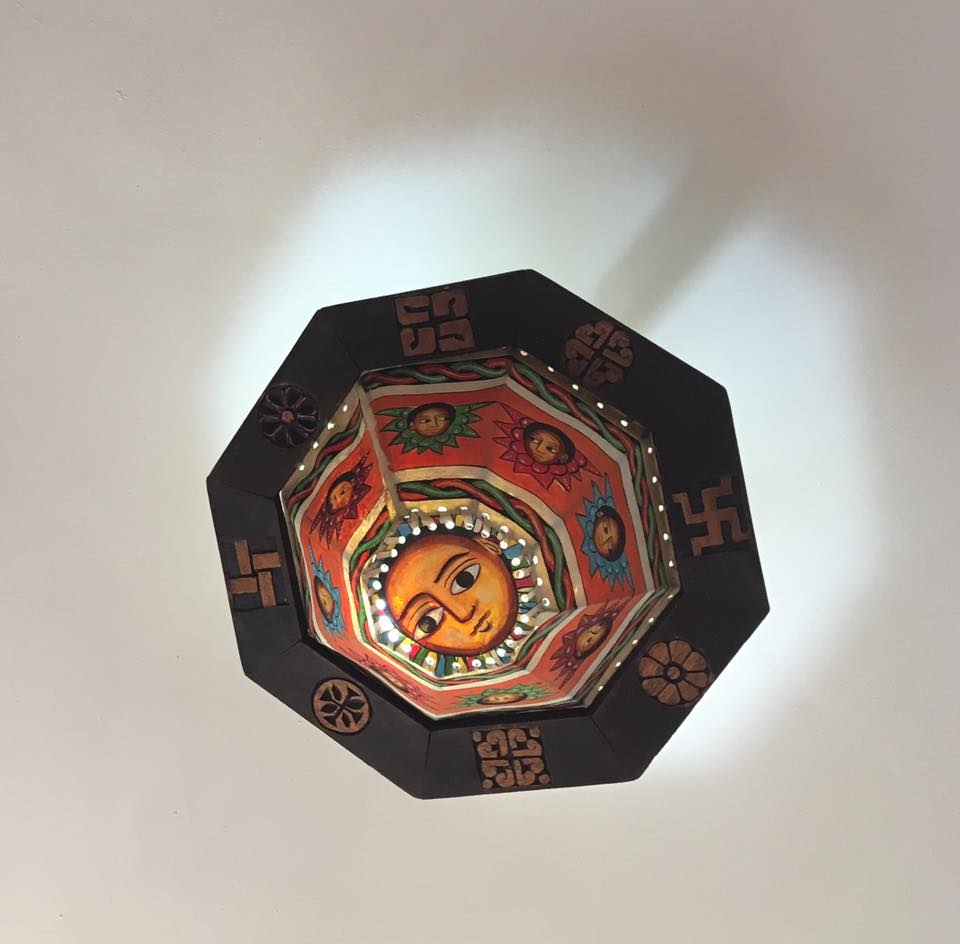
By 10am I was gazing up at the light as I was about to switch it off, and it was a new experience for me to sleep under a light shade with a face on it.  As a bonus nightmare-inducement, it also featured a swastika.

I was looking forward to a good night’s sleep, finally.  But that was not to be.  Again, there were the roosters and the donkeys.  Again, at around 4am, the chanting started.  But also again, I was fortunate to have ear plugs.  When I woke up at 7am, they were still chanting and I could see worshipers in white gauzy robes wending their way up the hill toward Lalibela in the distance.  It was Sunday, so there would be services, and I wondered if the chanting would go on even longer than the four hours it had run the previous day.

I went down to the dining hut and drank a good cup of coffee while I waited for my ride to the airport.  The only other occupants of the room were two Israeli guys who looked like absent-minded professors, with wild shaggy hair, long beards, and thick, 80s style glasses.  I came to believe that they were professors of religion and/or history and would have all the answers to my questions.  But no matter how blatantly I stared at them, they never looked my way but kept talking loudly in Hebrew.  Well, loud is the only volume Israelis speak at, in my experience.

Finally I got up to leave, and that got their attention.  I said hi and asked if they knew how many Jews had been in Ethiopia at the time Lalibela was created—my guide had said Ethiopia was “mostly Jewish” at that time?

They scoffed and said no, that was not correct; there were “only a few million” Jews in Ethiopia at that time.  That didn’t sound right either—how many people could there have been all told in Ethiopia 800 years ago?  But their accents were so heavy I just smiled and left rather than press for clarification.

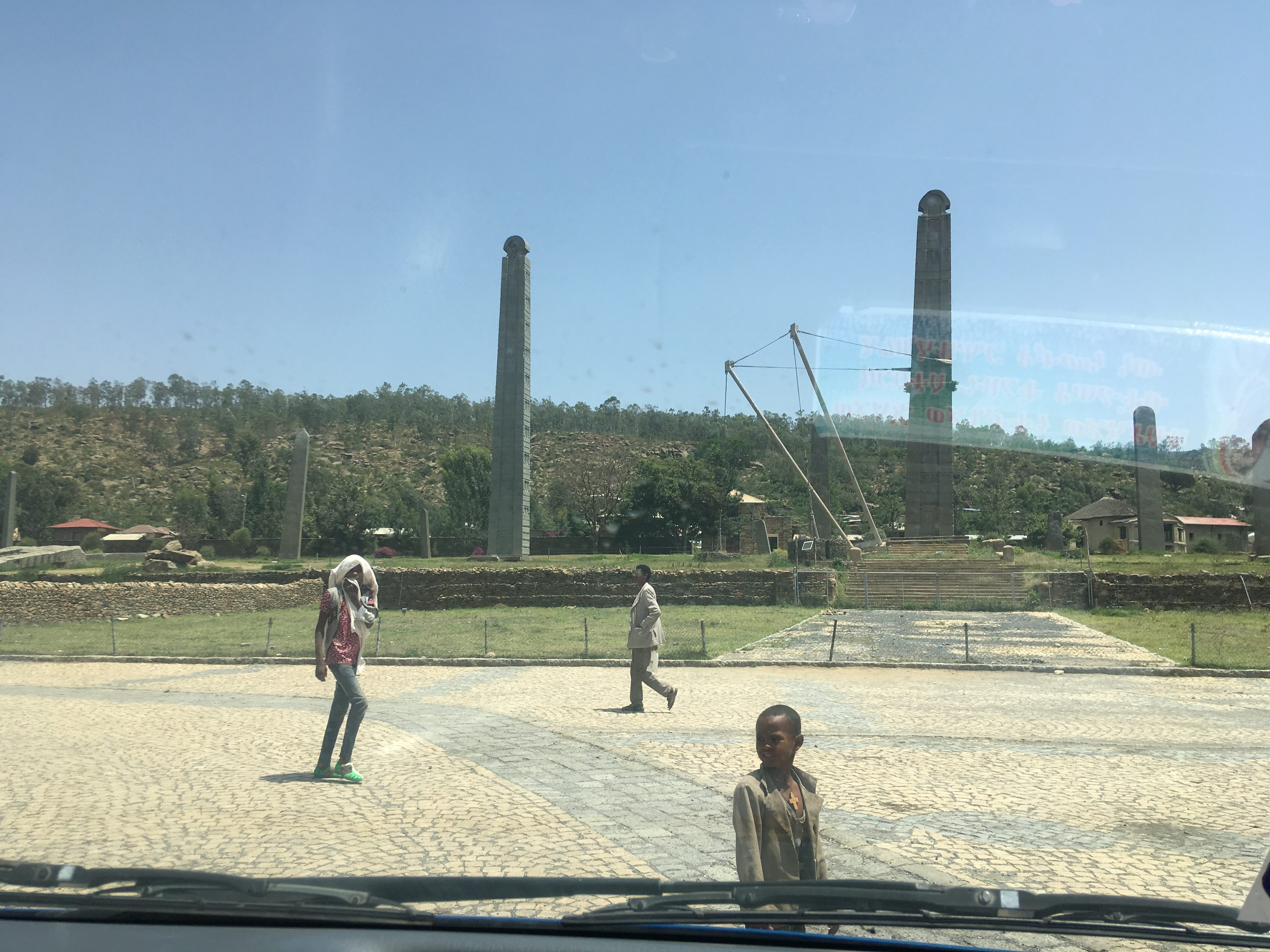
And so 18 hours after my arrival, I was driven back to the Lalibela airport, with the by-now expected young boys in the back seat for the ride.  I flew to Axum, where my driver was waiting to take me back to Shire.  But first, he swung by the Church of Our Lady Mary of Zion.  This is where the arc of the covenant is supposedly kept.  As a woman, I was not allowed to enter.  However my driver pointed out some steles across the road from the church and said, “Italians take.  They break.  We make them give back.”  That’s all I know about that.

The driver had tapped out his English, so for most of the one-hour drive I gazed at the rows of stone shacks along the road, maybe 12 by 12 feet in size, and thought I would go insane in five minutes if I had to live in one.  But so many Ethiopians were born, lived their entire lives, and died in these shacks.  They were home, and as long as there is love in a home, that’s the most important thing, I guess.

Vince, when you read this, you know I don’t “get” tattoos but I’m glad you’ve got a project you’re excited about that doesn’t involve drugs, gambling, or theft.  I’m just so glad you’re home.

Connections

Tesfaye told me he was really worried about losing his job.  It turned out he didn’t actually have a teaching degree, he had taken a course and a test right out of high school to become a guide.

“Now they have changed the requirement to a college degree,” he said pensively.  “My hope is to become a taxi driver.”

His hope?  It must have seemed hopeless to him to earn a degree.  Why wouldn’t the government pay for someone like him, who was obviously smart and experienced, to get a degree?  Or why not grandfather him in? Was it some scheme to make sure all the jobs went to cronies of government officials?  As often happens when you travel, there are questions to which you’ll never have answers.

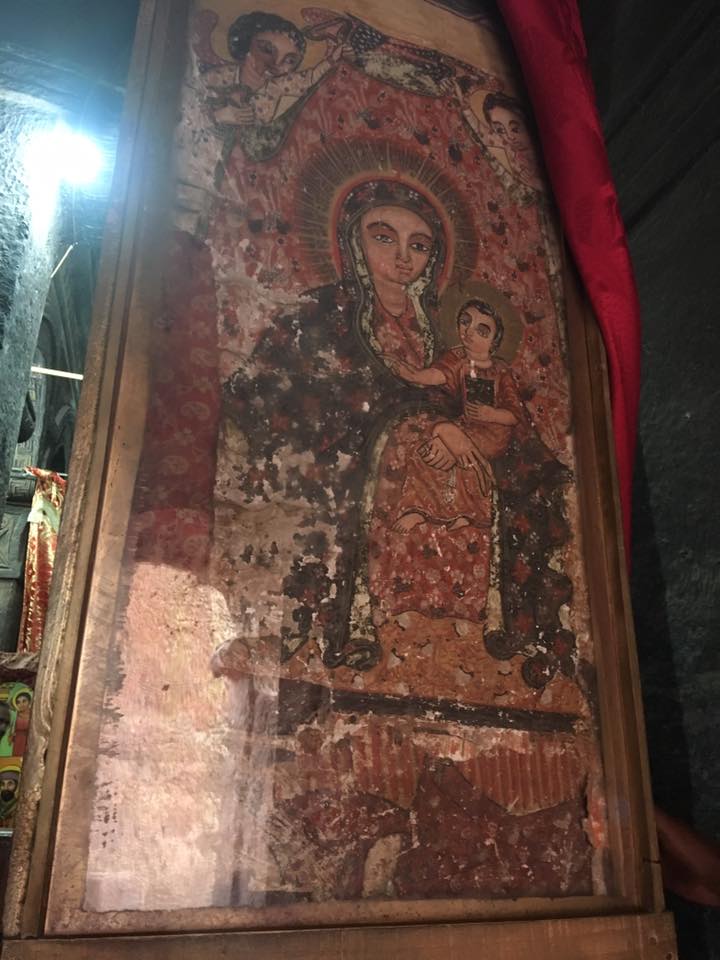
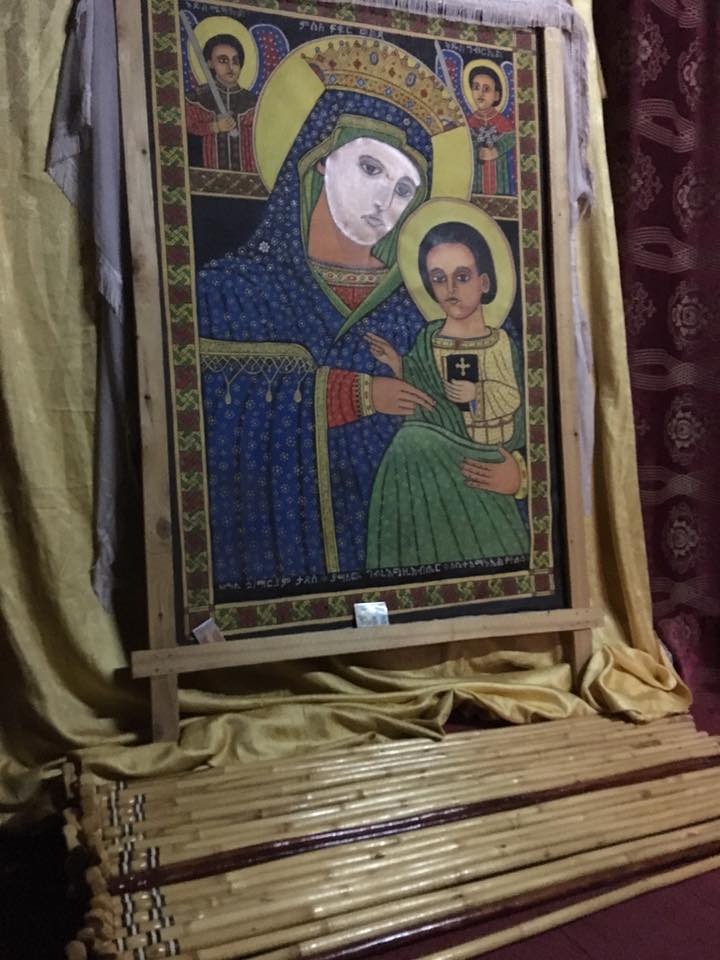
He showed me some of the earliest paintings, and others that were created by the Portuguese.  The difference was stark, both in the brightness of the colors and the features of the Madonnas.  I wasn’t sure why the Portuguese Madonna’s face was so white.  I mean, I’m sure they wanted to impress on the Ethiopians that the Virgin Mary was white, for God’s sake!—but this white?

“The Portuguese tried to convert us, and a lot of Americans come today to do the same.”

Oh ick.  “What religions are they?” I asked.

“Many different ones.  There was one old preacher who was following our girls, so we made him leave.”  That was a nice way to say that they ran the guy out of town.  “We have heard that the Eritrean women prostitute themselves,” he said abruptly.  “Is that true?”

I had told him I worked for an NGO that was operational in the Eritrean refugee camps in the north.  “Uh … I don’t know,” I stammered. “I haven’t heard of such a thing, but sometimes when there’s no other way to make money, people do things they wouldn’t normally do.”

He looked at me and nodded.  “Would you like to have a glass of honey wine with me after we are done?”

Again, uh …awkward.  Coming on the heels of the comments about lechers and prostitutes, was he coming on to me?  He was probably younger than my son.  I’m sure he was lonely, with his wife gone, but.  Maybe it didn’t mean anything.

“I have to do some work after this,” I said, trying to sound light.  “But thanks for the invitation.”

Tesfaye shrugged and walked on.

“Ethiopian Christians are supposed to make a pilgrimage to Lalibela or Jerusalem in their lifetimes.” Tesfaye said.  “They are especially supposed to visit Lalibela at Christmas.”  I had seen some pilgrims wrapped in white gauzy robes.  The thought of thousands of people in white floating around Lalibela during the Christmas season sounded lovely.

Tesfaye talked about the Italians.  The Ethiopians had fended them off in 1895.  Humiliated that an African country had beaten them, the Italians came back and won in 1935.  “But we were only a colony for five years,” he said proudly.

We walked back to Tukul Village and I paid Tesfaye the agreed upon 600 Birr, which amounted to about $25 for the four hours we had spent together.  I wondered if I should invite him for a beer in the restaurant, or tip him, but I was tired and just bade him farewell.

The huts had Internet, so I gleefully spent several hours online.  There’s a myth that “There’s Internet everywhere,” and that “everybody has a smart phone” and is on social media.  At the office, I couldn’t even get an Internet connection using a cable.  Maki gave me some kind of Chinese dongle that was supposed to work but didn’t.  I couldn’t get a 3G signal in the hotel.  When I did get online, the connection was excruciatingly slow.

I was grateful to have a signal.  I was grateful to learn that I could lose five pounds with one simple trick, to see that my son’s friend had installed a new faucet in her kitchen, and to watch a video about Albinism Awareness Week in Australia.

Solomon and Ras Tafari

I followed Tesfaye around Lalibela for three hours.  It was pretty gruelling; it involved hiking up and down uneven, twisting stone steps.

The altitude was 2,600 feet.  I don’t know how that compares to Mount Everest but compared to Minnesota or the Netherlands it was up there, and I found myself fighting to catch my breath.

We talked as we hiked.  I asked Tesfaye if he was from the town of Lalibela and he said yes, he had been born here and had never been anywhere else except to the town where his wife was from.  He talked about his two children, a girl and a boy, and said he had a teaching degree.

“And what does your wife do?” I asked, making conversation.

There was a long pause and then he answered, “She went to visit her parents last year and they would not allow her to come back.”

Oops.  I didn’t know how to ask a follow-up question to that.  Did her parents keep her because of something Tesfaye did?  Did he beat her?  Was he an alcoholic?  Or maybe they were forcing her to stay to work for them.  Maybe I was reading too much into it.  He had told me that tourism plummeted after a spate of civil unrest in 2016.  Maybe he was just having such a hard time making a living that his wife’s parents decided she should stay with them?   I wondered about the children—were they with him or her?  I didn’t ask.

Inside one of the churches, Tesfaye told me more about the Jews of Ethiopia.  “The Jews were smart and got rich and the Christians were jealous,” he explained.  Hmm. That’s a familiar story.  “So the Christians took all the Jews’ belongings and made them go away.”

I’m not sure what the timeframe was for this particular episode or where the Jews of Lalibela went.  I do know that Israel airlifted nearly every Ethiopian Jew—over 38,000 people—out of the country in the late 80s and early 90s.  The secret rescue program was called Operation Solomon, in recognition that Ethiopian Jews believe they are descended from King Solomon.

There are still plenty of different groups in Ethiopia to fight each other.  “It’s not religion,” Tesfaye said, “but ethnic tensions.  And the government incites it to distract away from itself.”

“And then there are the Rastafarians!” I said.

“Yes,” he laughed.  “But they are mostly in Jamaica.  They come here on pilgrimages but they’re not Ethiopian.”

That was right. It’s a weird little story, how the Rastafari religion developed in Jamaica following the coronation of Haile Selassie I as King of Ethiopia in 1930.   Ras Tafari was the emperor’s name before he was anointed.  Rastafaris believe his is/was a god who will come to bring them back to Africa.

That’s about all I know about Rastafari.  It’s one of about 437 topics I’d like to spend more time learning about.

Before I left home, I happened upon an old paperback book at the Goodwill called When the Going was Good, by the English writer Evelyn Waugh.  I devoured it, because it was about Ethiopia but also because he wrote it in the heyday of old-school travel.  It used to be only rich people who traveled.  They went by steamer (boat) and it took weeks to reach their destination.  They brought trunks of clothes with them with attire for riding, fancy dress parties, G&Ts on the veranda, safaris and so on.  Some poor servant had to carry the trunks, of course.

Anyway, in 1930 Waugh went to what was then Abyssinia to report on the coronation of Haile Selassie for several newspapers.  He reported the event as “an elaborate propaganda effort” to convince the world that Abyssinia was a civilised nation that concealed that the emperor had achieved power through barbarous means.”  Some things never change.

Lalibela

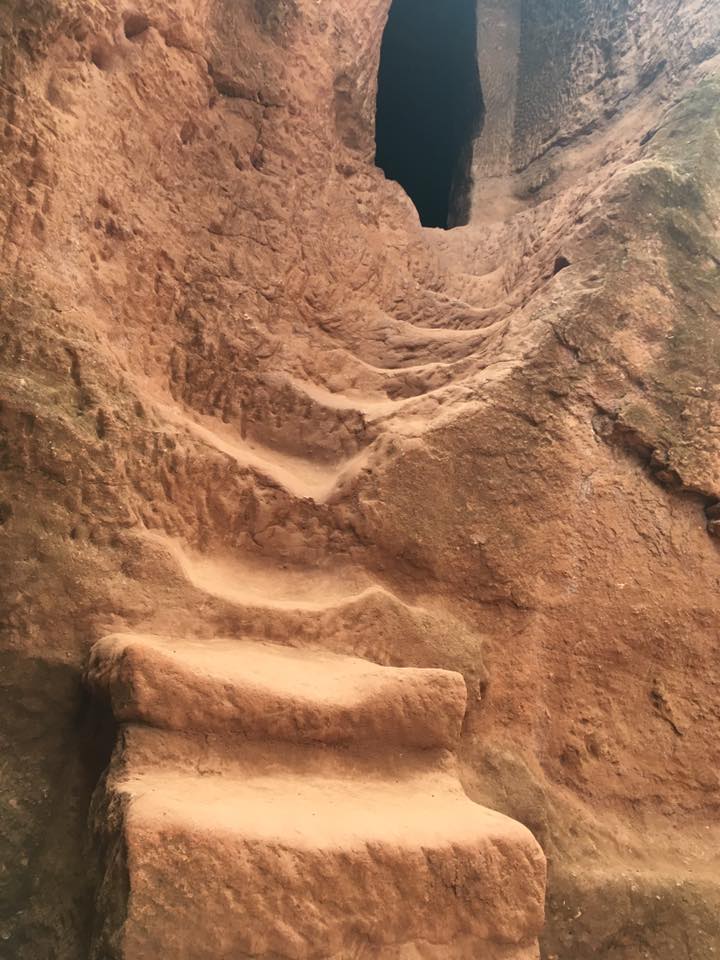
I was breathless as I tried to keep up with my guide, Tesfaye, as he hopped from boulder to boulder up a steep “path” to Lalibela, where we would go back in time 800 years.

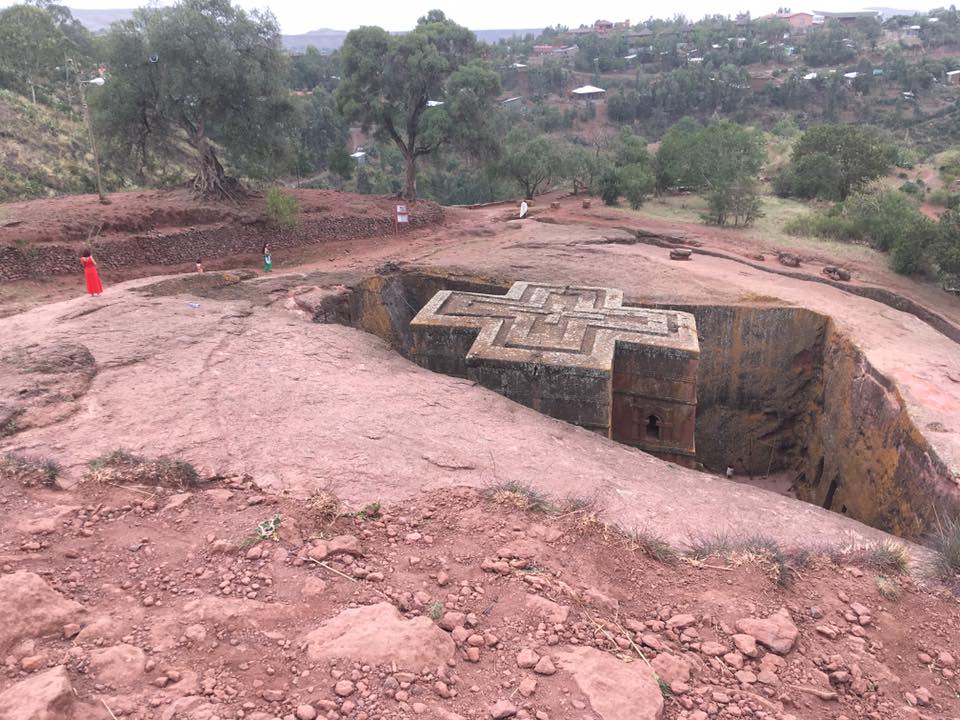
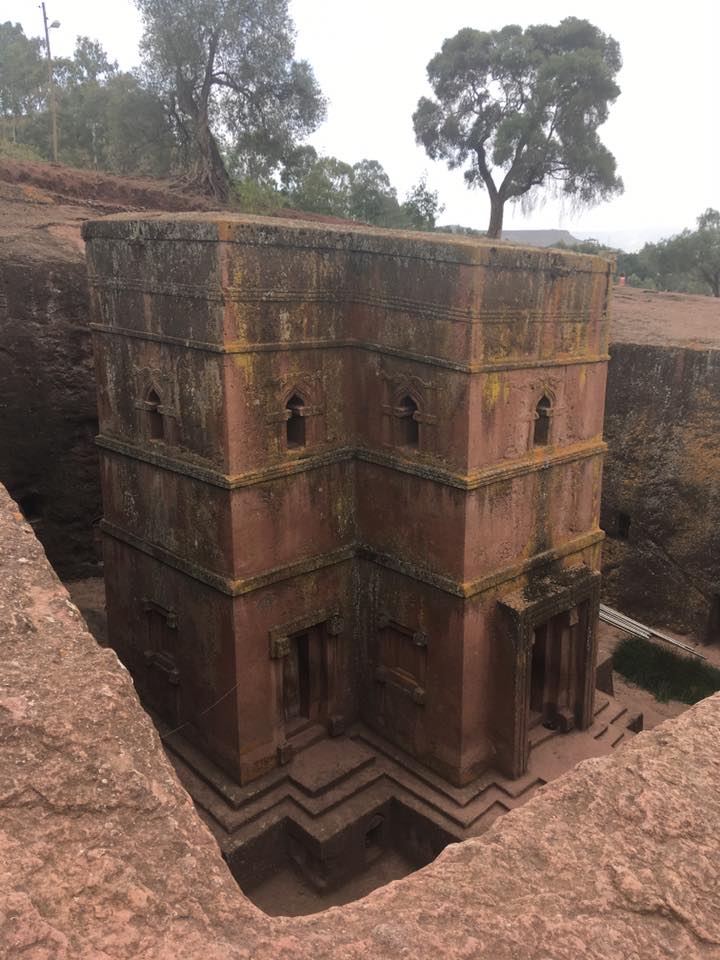
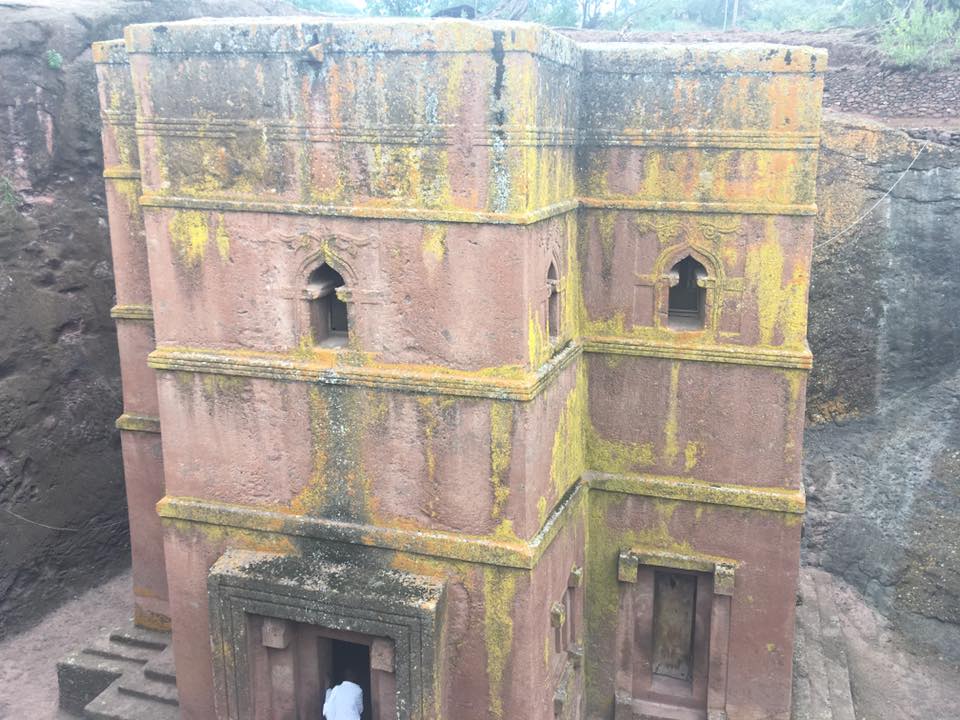
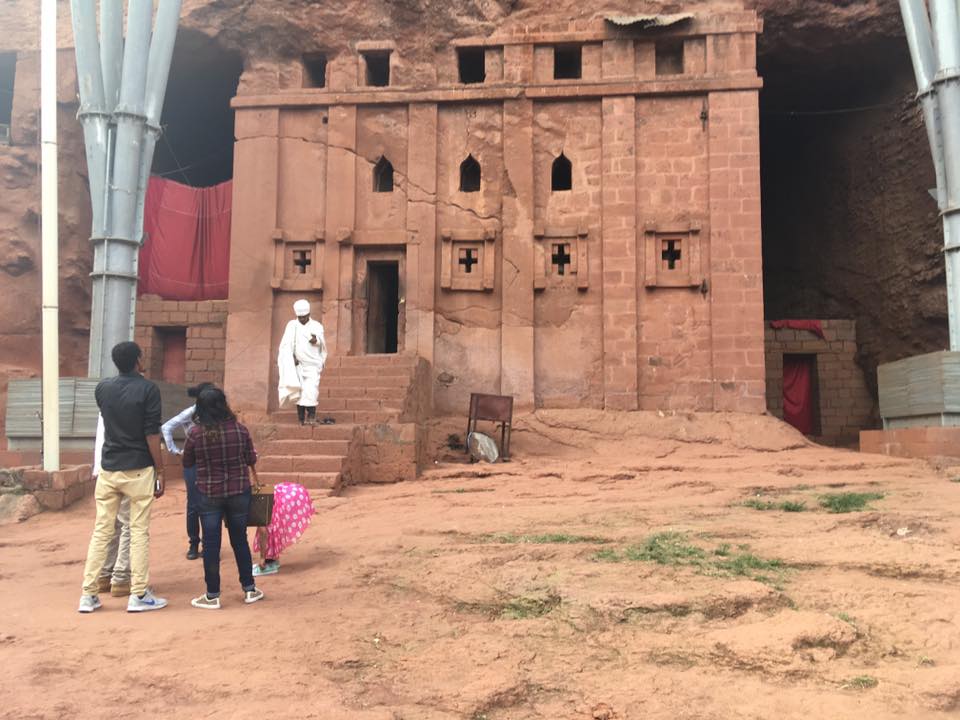
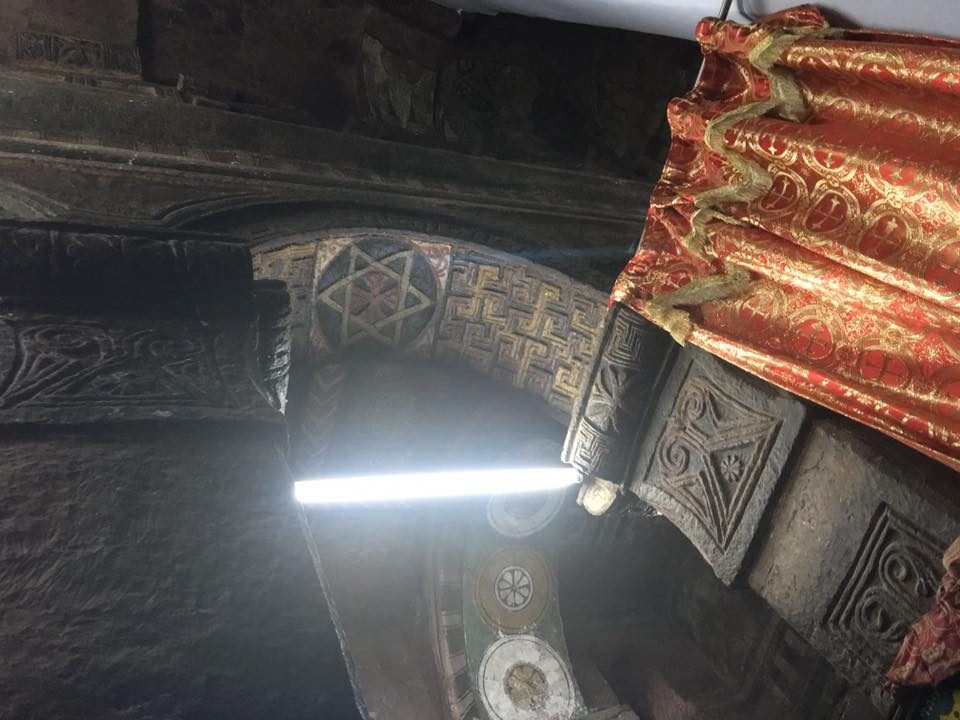
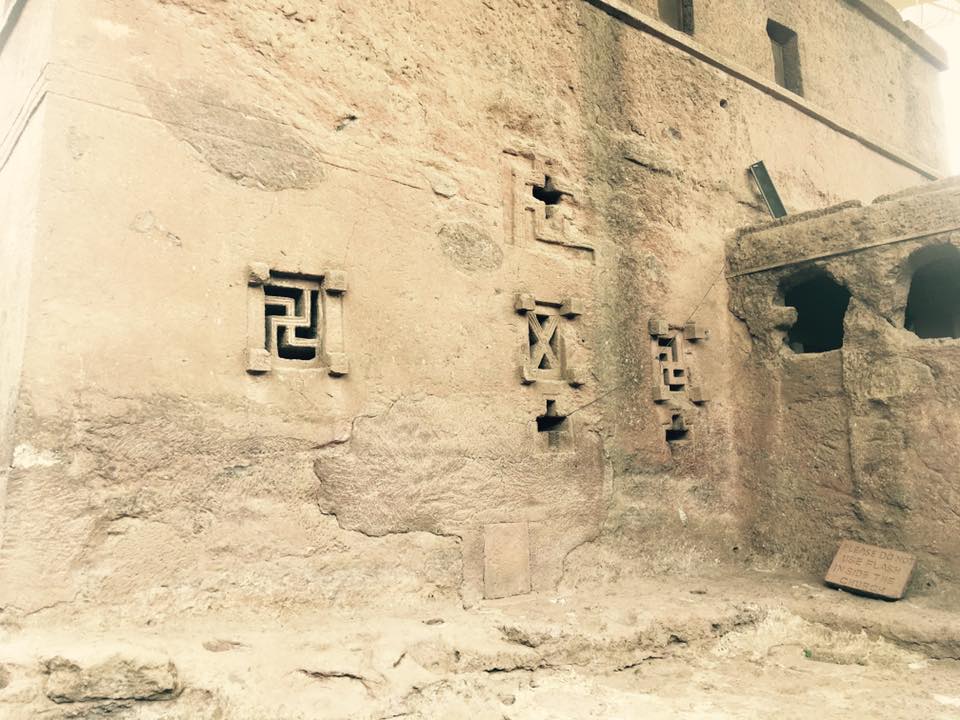
I realize I haven’t actually said yet exactly what Lalibela is.  It’s a complex of Ethiopian Orthodox churches that were carved out of stone during the 12th and 13th centuries at the behest of the Emperor Lalibela.  It would be the latest in my world tour of ancient sites I had unintentionally visited over the last two years.  Others included Petra, in Jordan; the Tarxian temples in Malta, Tikal, in Guatemala; and Stonehenge, which I’ll get around to writing about eventually.  During my Latin American phase 10 years ago, I went to Machu Picchu and loads of pyramids and temples in Mexico and El Salvador whose names I can’t recall.  Prior to that I had been to Israel, where you practically trip over an ancient site every time you turn around.

I don’t believe in god and I struggle with the concept of a higher power.  I am constantly thinking about death and seeking some kind of meaning or purpose to living.  I’ve written before about how I find life worth living when I interact with children, am out in nature, or am appreciating the beauty of art, architecture, a garden, classical music, etc.

I have also experienced meaning at ancient sites.  Not all, but some.  I spent two full days in Petra, hiking in its silent, barren wilderness.  And I felt profoundly moved.  This will probably sound really “woo woo,” as my Native American relatives would say, but I felt a connection to the people who had lived there.  Not like I sensed their ghosts, exactly.  But I felt awe that they had built this place and it was still intact, and people like me were still here wondering about them.

I had my most moving experience at the Western Wall in Jerusalem, which like Petra is around 2,000 years old. There a multitude of faiths represented, people in costumes that looked like they were straight out of Hollywood central casting—Jews, Muslims, Druse, Christians of every denomination—nuns, monks, imams, Hasidim, people wearing turbans, yarmulkes, tall conical hats, and fezzes.  I was on a tour with 175 other Jews from Minnesota.  We were herded to the wall and I tucked a prayer for my son, Vince, inside one of the cracks.  I believed in God back then.  Vince was on the lam with drug and legal problems, and I was desperate for anyone or anything to help him.  I closed my eyes and leaned in to pray, and I felt a tremendous physical sensation like a “whoosh”—as if a vortex of everyone who had prayed there over the millennia were carrying my request upward.

Then I heard someone calling my name: “Anne, Anne, we’ve got to go.”

It was our tour guide, Moshe.  “Can’t I have a few more minutes?”

“It’s been 20 minutes!” he replied.

Twenty minutes!  It had felt like five.

Other places have been “meh” experiences or just interesting for their historical significance.  I think it must have more to do with my own state of mind than anything else.

My colleague who had urged me to visit Lalibela had said she found it deeply moving, much more so than Petra.  So I wondered how it would be for me.

After about 15 bureaucratic steps involving buying a ticket then having it inspected and stamped by three people, Tesfaye and I were in.  And it was amazing.

Tesfaye told me that the churches were built in the 3rd to 5th Centuries, which conflicted by about a thousand years with what I see on Wikipedia.  He also told me that most Ethiopians were Jewish back then, which doesn’t square with the Emperor, a Christian, building all these Christian churches.  Then there was the part about the Portuguese visiting Ethiopia in the 17th Century to try to convert them, and that 800,000 people visit Petra each year while only 25,000 visit Lalibela.  Not sure about any of that.

In fact, he talked so much that there was no space to feel moved.

Luxury Huts

My plan was to get a fantastic night’s sleep before flying to Lalibela.  There was no internet, so it was easy to crash early.  I awoke at 3am to a donkey braying. Wow, they really sound pathetic, like they are being squeezed to death in a vise—it’s a cool sound.  I fell back to sleep.

I woke up to a rooster crowing.  It was still dark, so I was mildly irritated but also amused to hear a noise I associate with the country, since I am such a city person.  I fell back to sleep.

Then the chanting began.  It was 4am. Must be the call to prayer, I thought.  Half of Ethiopia’s population is Muslim.  I knew the call typically lasted 10 minutes, so I laid there and listened; if you don’t know the words, it sounds exotic as it wafts from the loudspeakers.  It’s beautiful.

But this call sounded different from other places I’d heard it, like Dubai, Jordan, or Turkey.  It didn’t sound Arabic.  Could they be chanting in Amharic?  It went on for 10 minutes, then 20, then 30.  I wondered if it was a religious holiday as I screwed in earplugs and feel asleep again.  When I woke up at 8am and took them out, the chanting was still droning on.  Mysterious.

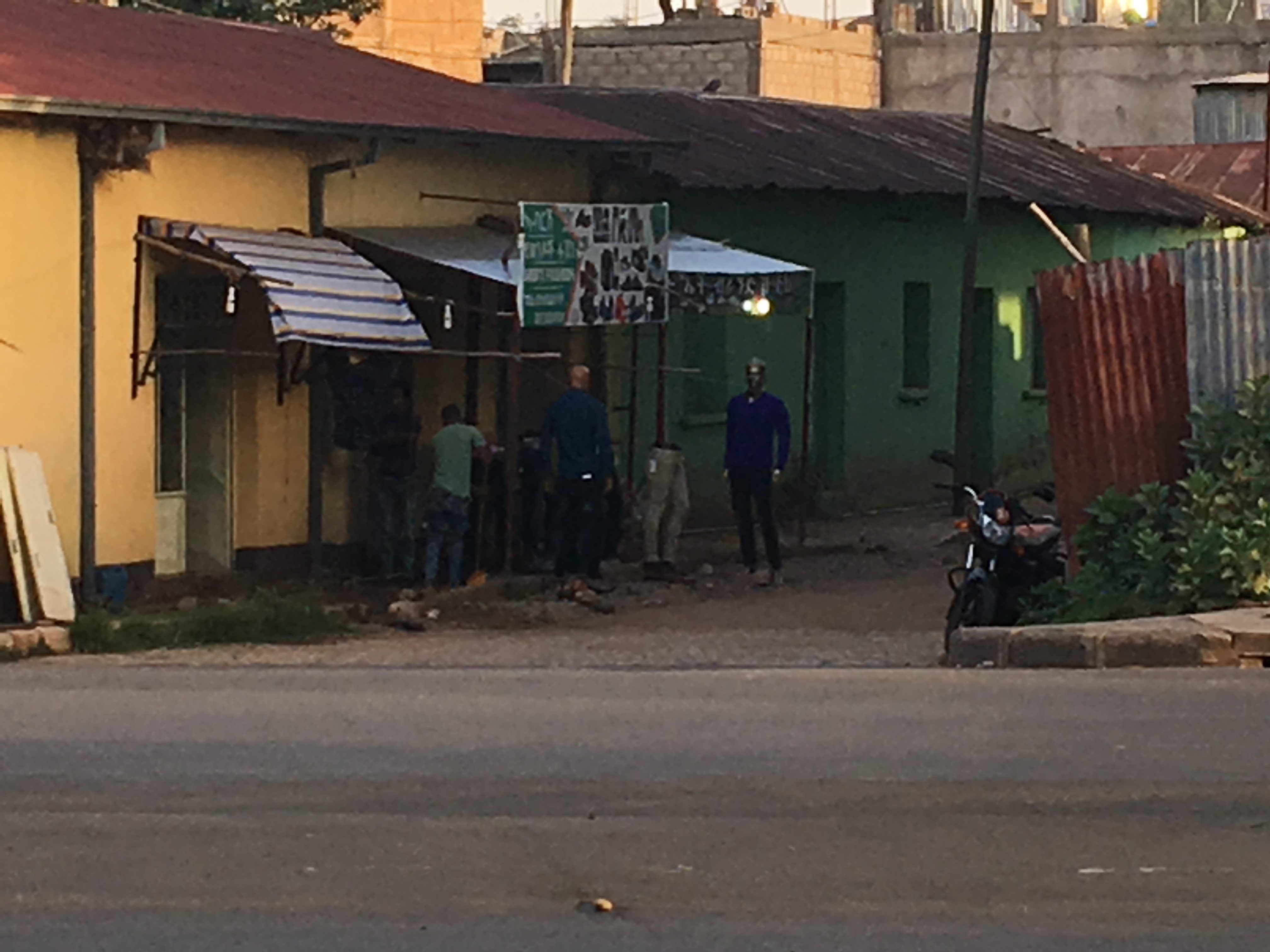
I waited on the steps of my hotel for the driver.  The steps were in an alcove, so people walking by didn’t see me until they were right there, then they did a double take.  Ferenji!

I was weirded out that some men across the street were staring at me.

Until I realized they were mannequins.

A young man approached me.  “Seebeetee?”  I smiled uncertainly and said “no thanks” to whatever that was.  He came back a minute later with another guy who said “C-V-T?” My employer.

“Oh!  Yes!” I answered, and hopped into his truck.  He spoke no English.  There was a boy in the back seat who appeared to be about 12.  His little brother?  He spoke no English either, so I sat back and watched the scenery for the hour-long drive to Axum.

The flight was the same as the previous day’s flight—there were muffins and a selection of three beverages.  But you know that background music they play when passengers are boarding a plane?  On this flight they played really loud, schmaltzy music for the whole flight.  I thought about asking someone to turn it off, but figured some of the passengers considered it a benefit.

We landed at the same time as a charter plane of Chinese tourists.  They stared at me—and I mean stared hard—they must have never seen a real white person before.  I hope I didn’t disappoint them.

Maki had arranged for a guide to meet me, Tesfaye.  He had a driver lined up to take me to my hotel, and there were three kids in the back seat.  Did kids just go along for the ride in Ethiopia?

As part of our small talk, I asked Tesfaye about the chanting I’d heard in the morning.

“Is it a Muslim holiday?”

He laughed.  “No, it’s our crazy Ethiopian Orthodox church.  The priests do that every day.”

Note to self: Buy more ear plugs.

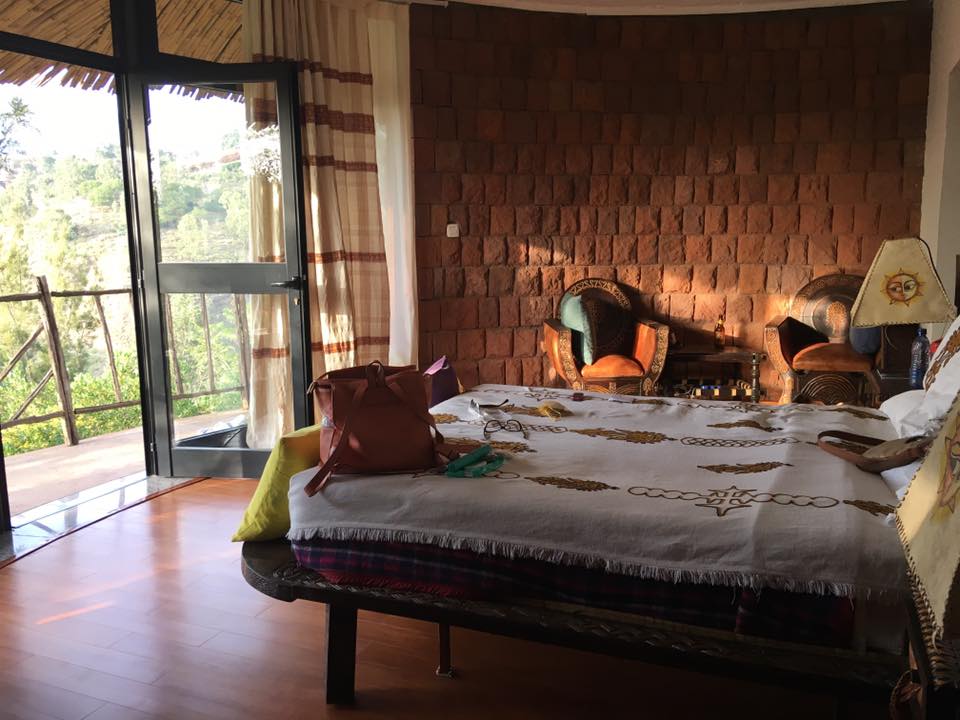
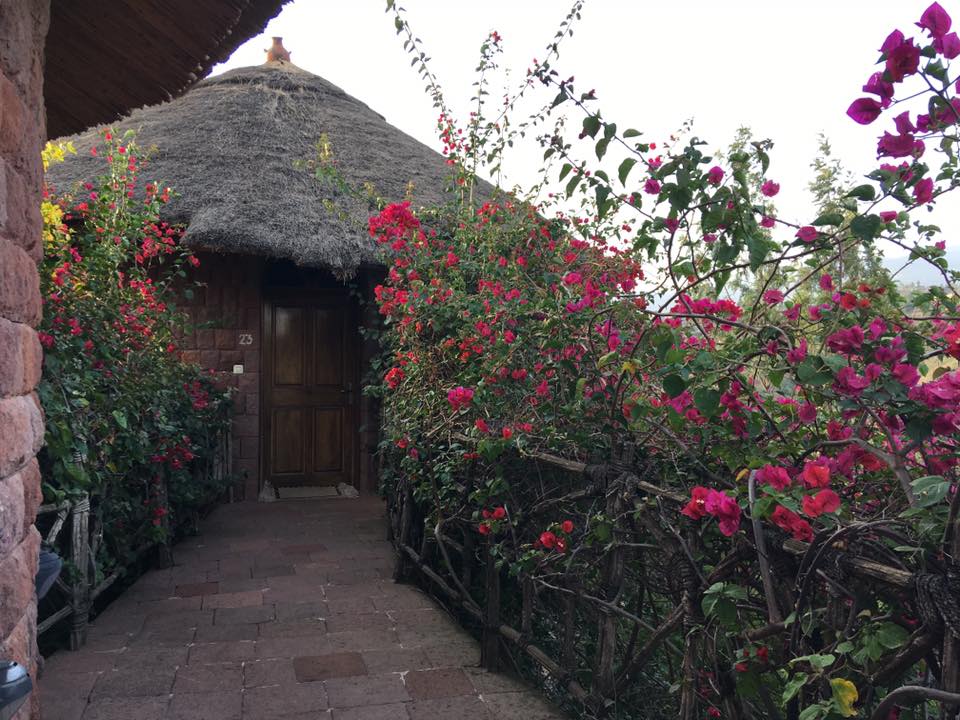
We arrived at the Tukal Village Hotel. It was so nice I was tempted to tell Tesfaye I would just stay there for the day.  It was a series of “luxury huts,” with a nice restaurant too—and wireless.

This was the first time I’d been able to get online since Frankfurt.  Maki had told me that the government of Ethiopia had shut down the Internet in the entire country the week before to prevent students cheating on their standardized exams.  Now it was back to its usual state of extremely weak and unreliable.

I threw my things in my hut and Tesfaye and I began a long hike up through the town of Lalibela to the site. “Children will call you ferenji,” he told me.  “People will try to sell you things.  Do not talk to the”

Well then, how was I going to get any souvenirs, I wondered?

Not Again

I wrote three posts about Ethiopia while I was there.  Night of the Rat was about, well, the rat in my bathroom and other unpleasantries I encountered.  Happy to Be Here was about the positive stuff, like meeting my colleagues and seeing our program first hand.  Beasts of Burden was about the endless streams of people and animals that trudged along the roads  carrying burdens no one should have to bear.  The post before this one was Frankfurt to Axum, which described traveling on Ethiopia Airlines.

After traveling for nearly 18 hours, Maki and I were seated in her office in Shire.  I was exhausted and felt that special griminess that only comes from air travel.  It was Friday afternoon and I just wanted to go to my hotel, take a de-grodifying shower, and sleep.

“What are you doing this weekend?” Maki asked.  I shrugged.  How did I know?  Everyone had told me there was nothing to do in Shire, and a few stabs at proving them wrong on Trip Advisor had proven them right.

“You should go to Lalibela,” Maki said.  “You’ll have to get up really early tomorrow and drive back to Axum, then fly to Lalibela and come back the next day.”

Drive?  Fly?  Again?  That was the last thing I wanted to do.  But a co-worker I trusted had urged me to see Lalibela if I could.

“Can’t I hire a driver?” I whined.

Maki laughed flatly.  “You can’t drive there.  Let’s have the driver take us to the hotel now, before everyone comes back from the camps.  The travel agent is in your hotel.”

The Gebar Hotel was the tallest building in Shire.  To get to reception, you walk up a flight of stairs, then walk up another flights of stairs, and then another, and another.  There was no elevator.  Luckily a young man came along and hoiked my suitcase effortlessly up the countless stairs for me.  I gave him one of the filthy, ragged 10 Birr notes I had wadded in my pocket, then groaned inwardly as I calculated that I had just tipped him 42 cents.  He smiled anyway.

The lobby walls and floors were covered in faux-marble tiles.  It was cavernous and dark.  I wondered if they kept the lights off to conserve energy, to keep it cool, or both.  We left my bag behind the desk and schlepped down the stairs to the travel agency.  Maki did all the talking.

“The flight will be 1,817 Birr,” she repeated to me after the agent told her this.

“I don’t suppose they take credit cards, do they?” I asked weakly.

“No, of course not,” she said in her matter-of-fact fashion.  “There’s a cash machine in the lobby but they often run out of money on the weekends so you might have to run around to others.  You can take a mini bus to Shire and it’ll cost you 100 Birr, or you can hire a driver and pay 1,600.  Then there’s the hotel—I can recommend a good one—that’ll be about 1,200.  The guide will want 500 and it’s 1,200 to get in.”

I can usually do math in my head, but I was tired and doing the conversions plus adding it all up was beyond me.  All I knew was, it sounded like a lot of money to get up really early and knock myself out all over again with road trips and flights.  I was not committed. Then Maki took a phone call and I did the calculations on my phone.  The two hour-long drives, flight, taxi to the hotel, the hotel itself, the Lalibela entrance fee, and personal guide would all cost me less than $200.  Okay then.

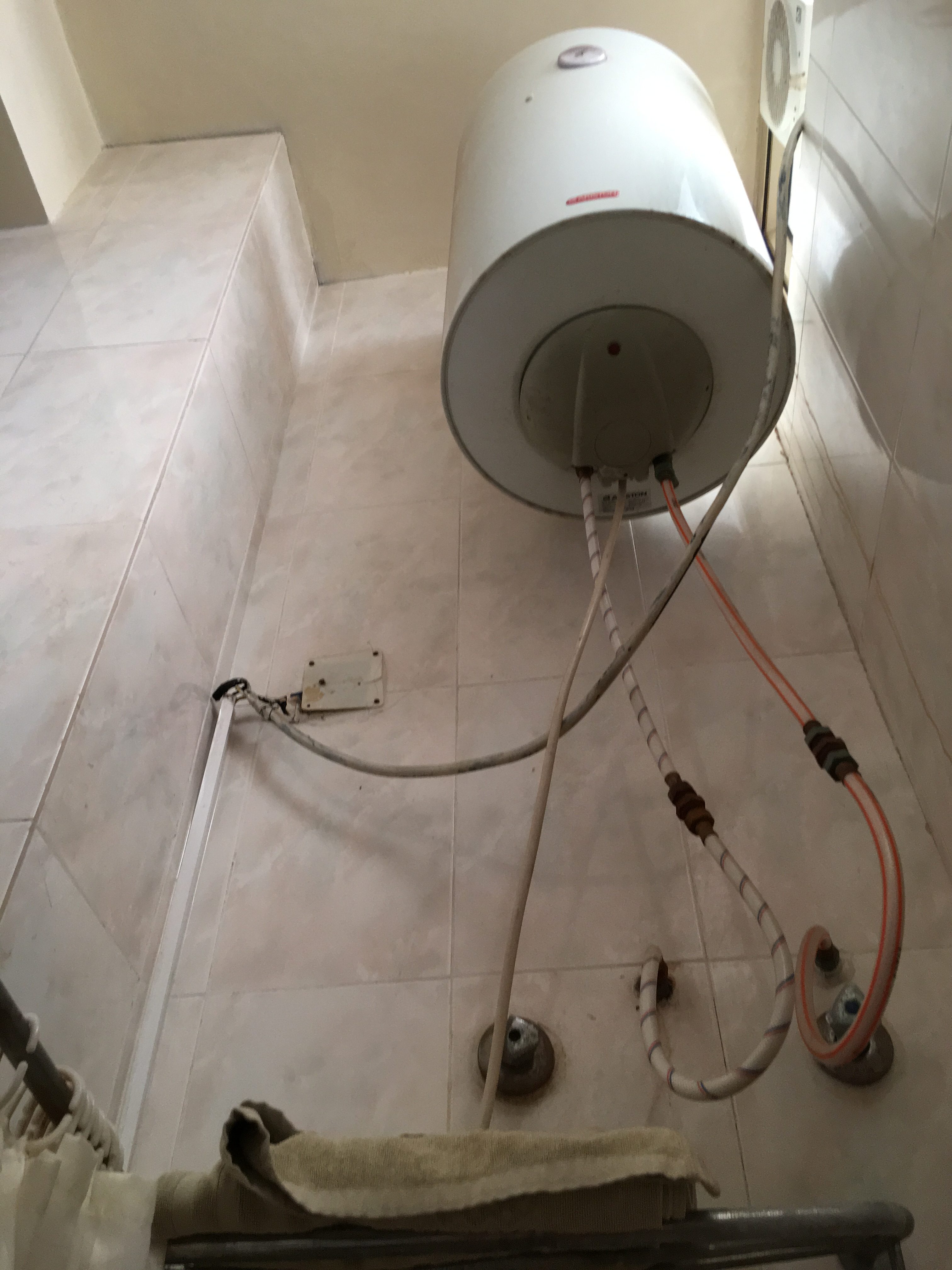
I was finally in my hotel room.  Here was the shower set up.

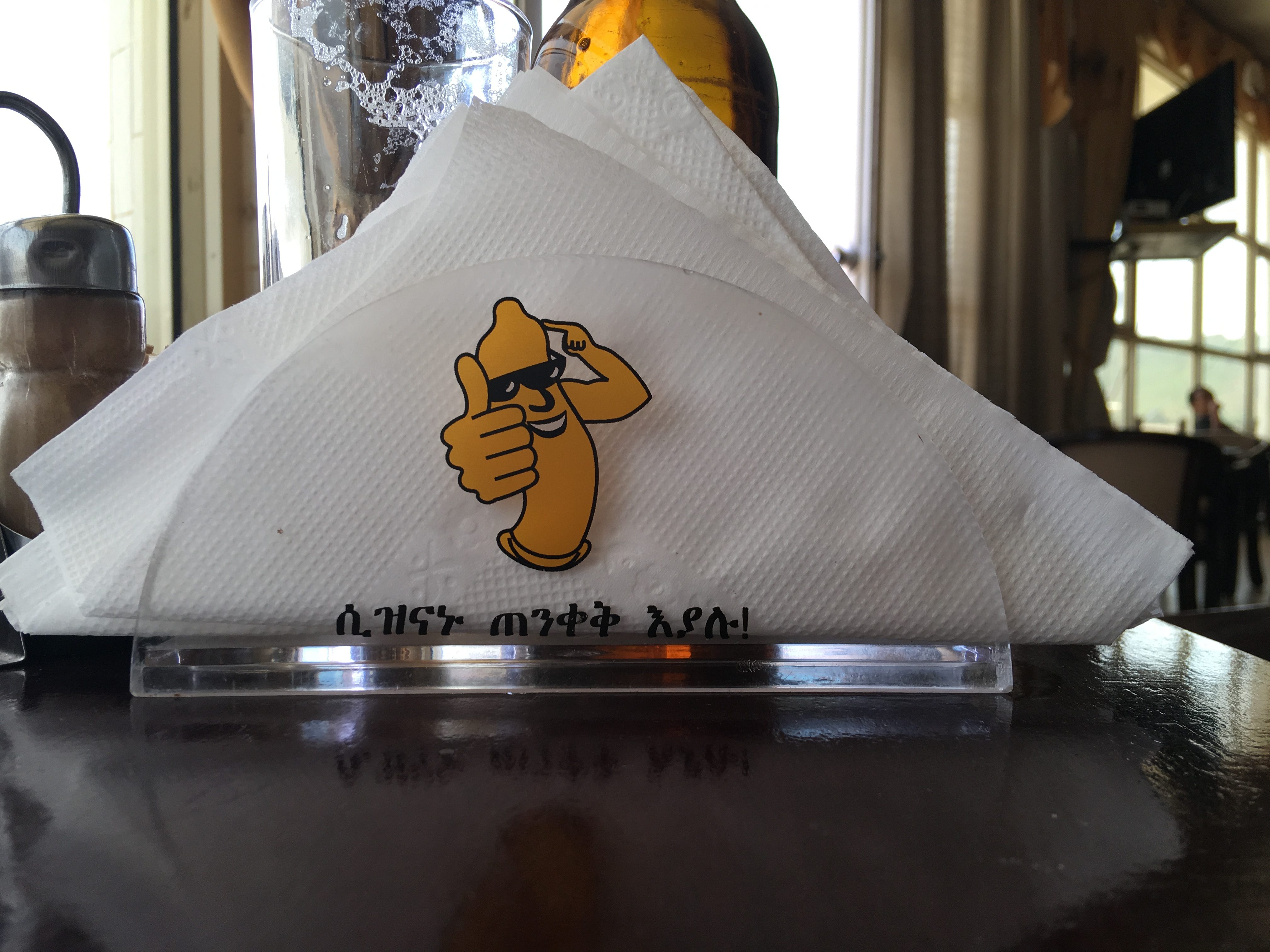
The combo electric-plumbing made me nervous, but not enough to skip a shower.  I went up to the restaurant and drank a beer while I pondered the menu and napkin holder.

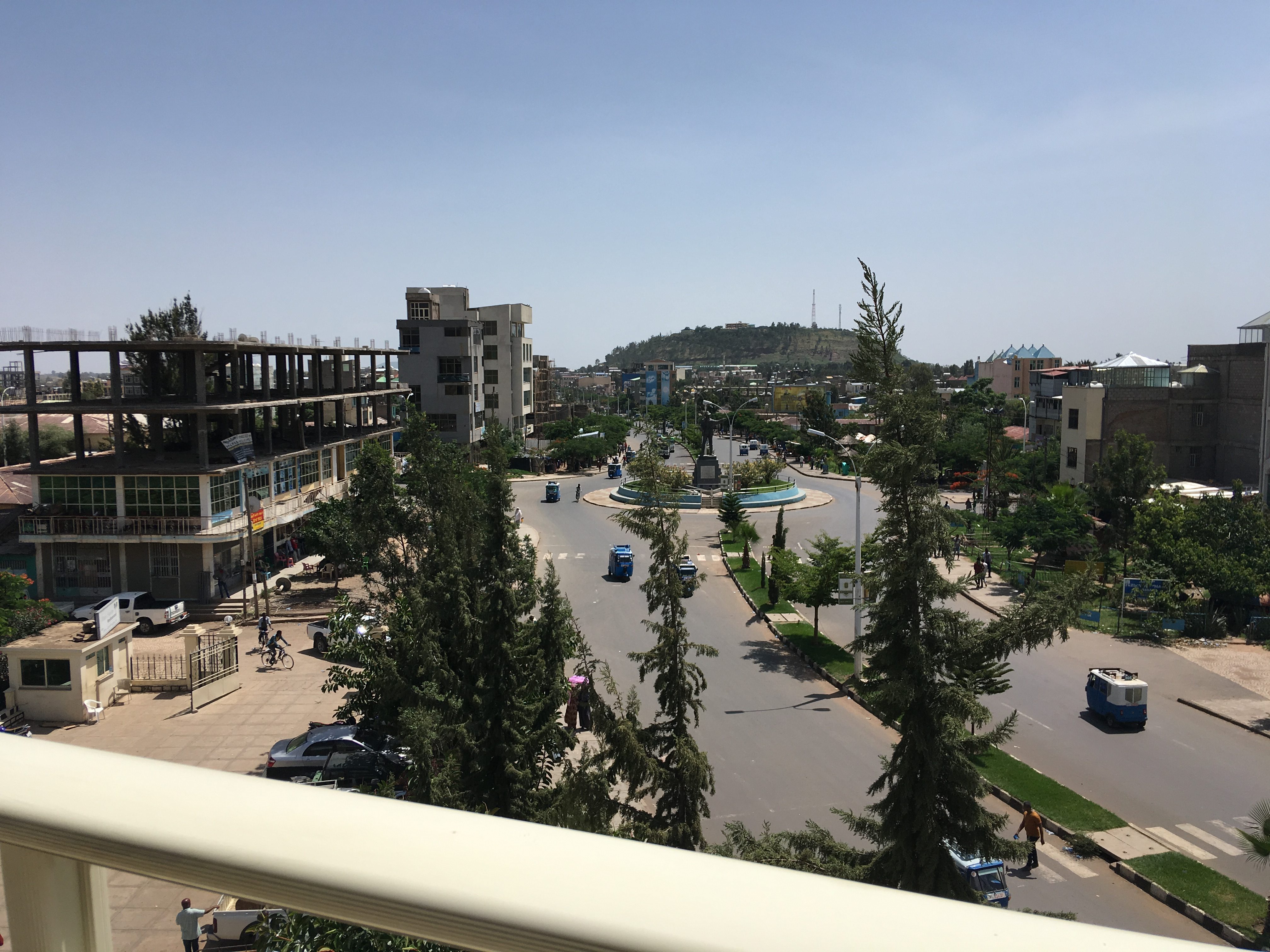
I enjoyed the view from the balcony.  The little three-wheeled vehicles are called Jijigas.

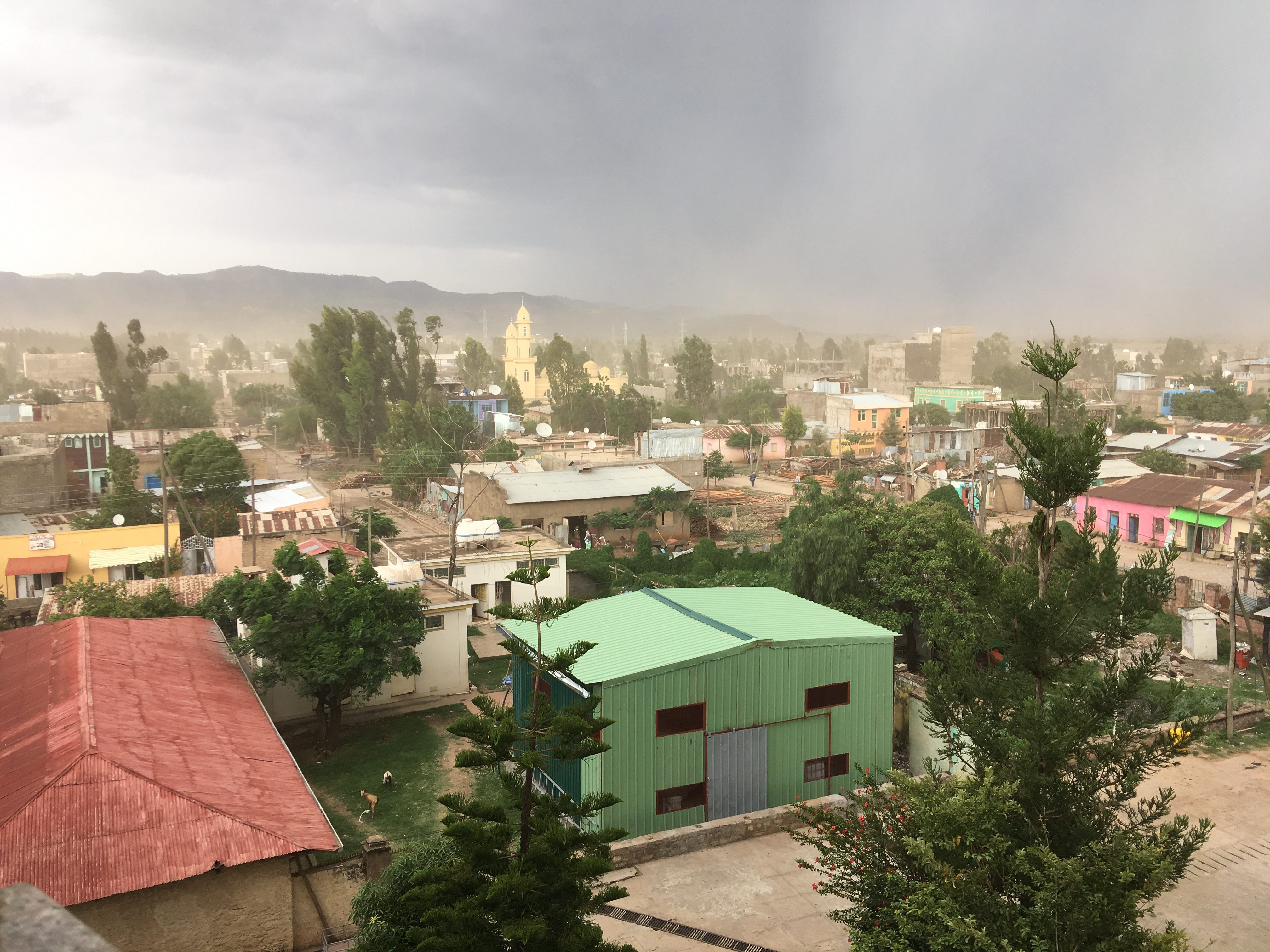
I went back to my room, washed some underwear, watched a dust storm roll in, then crashed.

Frankfurt to Axum

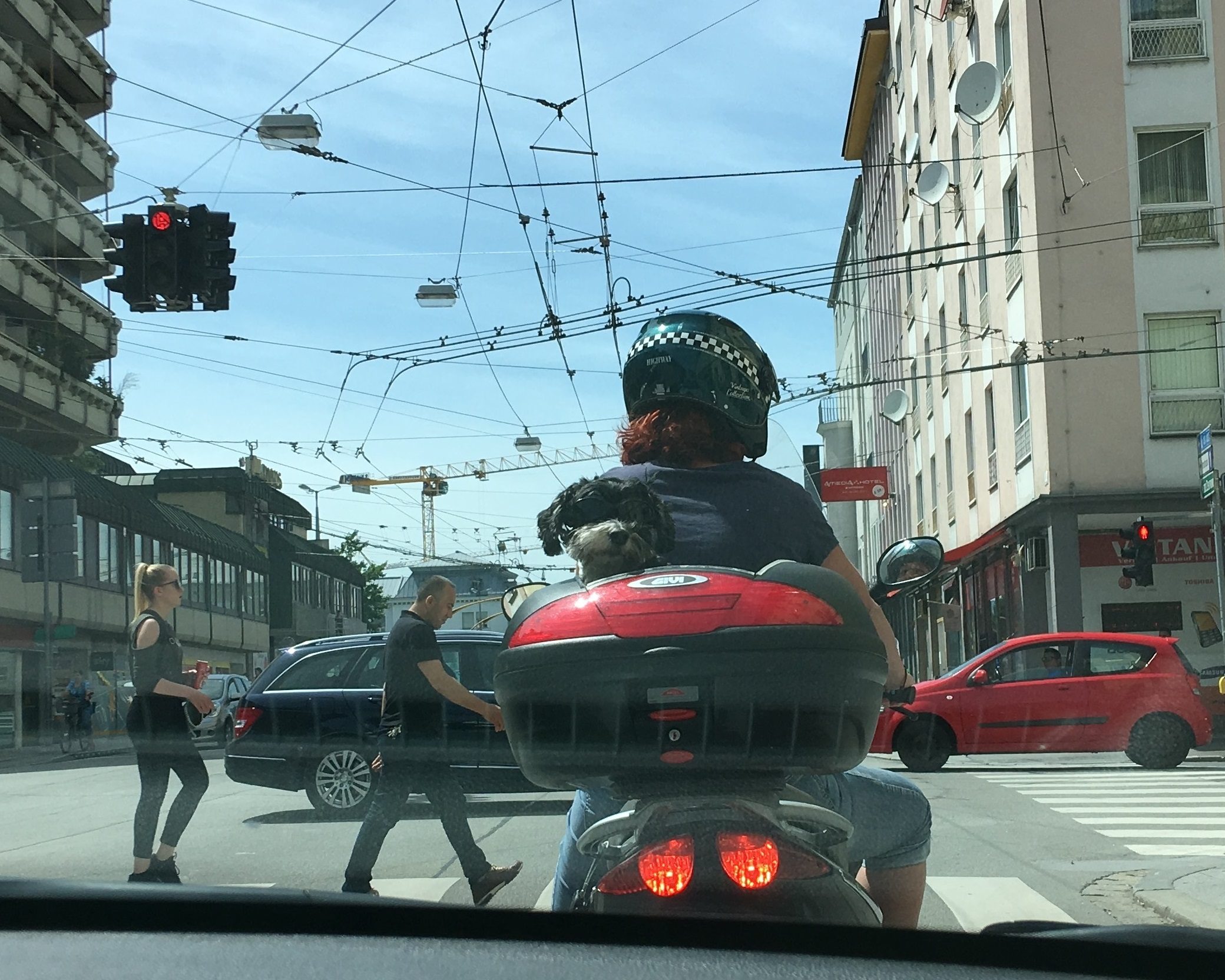
The next day, Ingrid left on the train to go home to the Netherlands, and I stayed at the hotel and sat in the breakfast bar for hours catching up on work, emails, and blog posts.  Then I caught a cab to the airport.  On the way, the cabbie and I both had a laugh at this doggie on a bike:

At the airport, I splurged and spent $1 a minute to call my mom.  Phone service was by far the most complicated, difficult aspect of going abroad.  I must have research 10 different options, and none of them were good.  In the end I paid $40 for a month of unlimited texting, $1  minute calling, and 1 GB of data with ATT.  Unfortunately, the texting didn’t work.  I would send a text and not hear back from the recipient for four days, when they would say, “Just got your text!”  There was no data in Ethiopia, let alone texting or calling.  So I let the plan drop at the end of the month.

My mother and I spoke for 10 minutes.  She’s never been much of a phone talker, and at 82, I think she still believes that international calls cost hundreds of dollars.  As I said goodbye, she started to cry.  I felt terrible, but what could I do?  I told her that the UK was a lot more dangerous than Ethiopia and hoped she would forget that by the time I got to the UK 10 days later.

Flying to Ethiopia from the global north is arduous.  There is no option but overnight flights arriving in Addis at 6:00am.  I’ve already written about all the flights and jeep rides it took to get from Europe to the refugee camps in northern Ethiopia. There were so many “Huh?” moments along the way.

On the flight from Frankfurt to Ethiopia, I shared my row with an Eritrean guy who now lives in Canada who was going back to visit his sister, who he hadn’t seen in 12 years.  I felt rude, but I smiled as I donned my sleep mask and told him I wanted to get some shut eye.  He smiled back and said, “I don’t think I will sleep all night; I am so excited.”

When the plane landed, everyone applauded.

“I didn’t get a visa before coming,” blurted out my seat mate.  “I’m sure they’ll give me one on arrival.”

I smiled but had serious doubts.  When I told Maki, our country director, this story, she groaned and put her face in her hands.  “They won’t have let him in,” she said.  “They’ll send him back.  Oh, why do people do that?  I think they believe their chances are better in person, but they’re definitely not.”

On our flight to Axum, the flight attendant offered a tray of plastic cups with clear, brown, and yellowish beverages.  I reached for the clear one and she said anxiously, “That’s water!”

“Yes, I know,” I replied.  Could she just not imagine that someone would choose water over a free coke or beer?  She came back a minute later with a tray of muffins wrapped in plastic.  When I said no thanks, she exclaimed, “Why not!?”  I said I didn’t like sweet snacks, and she looked at me like I was nuts.

Maki was seated in a different row.  I looked around and noticed the other passengers were eating their muffins with their fingers.  I have eaten with my fingers in Ethiopian restaurants many times but hadn’t realized they eat everything with their fingers.

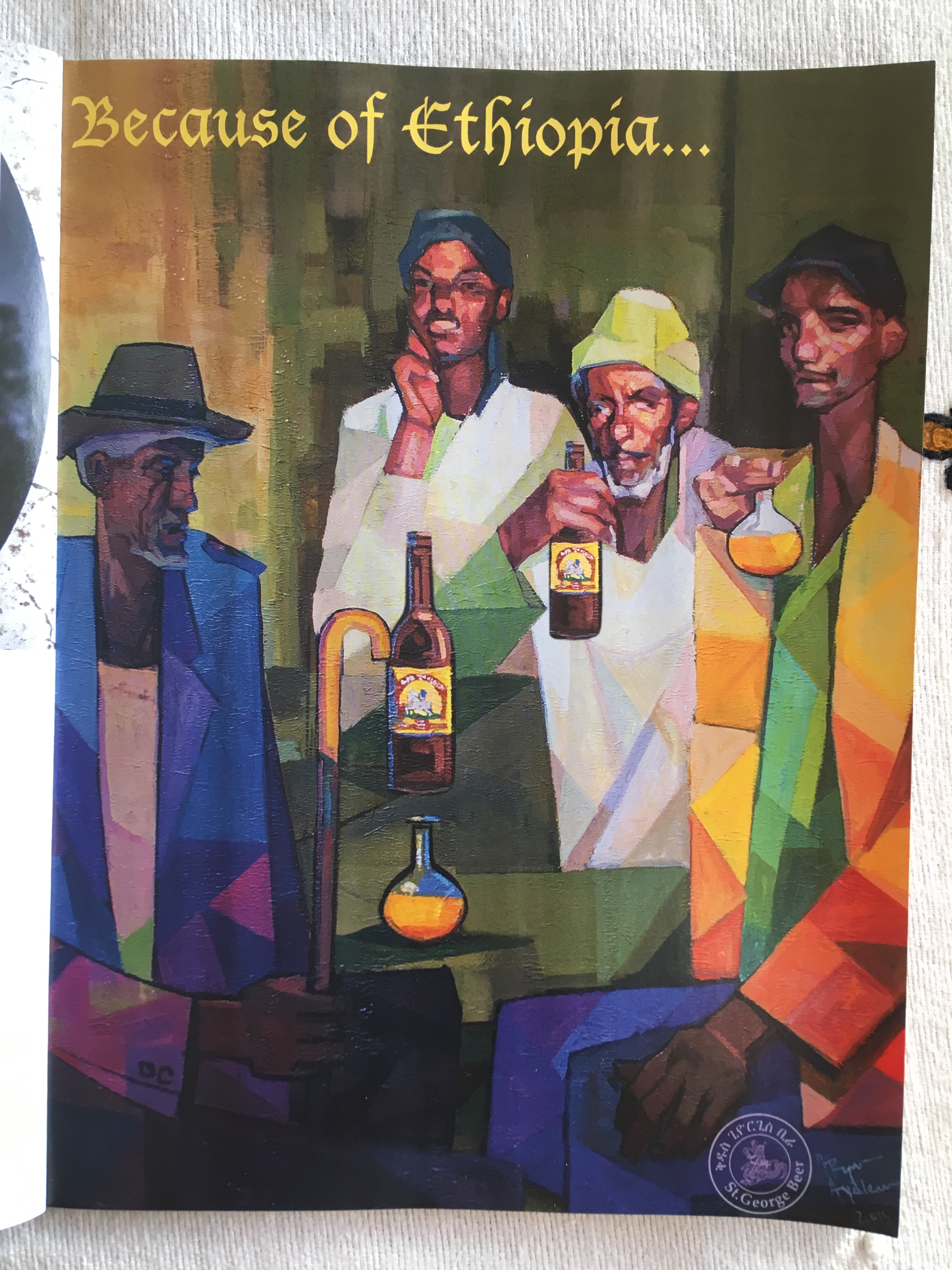
I flipped through the inflight magazine.  The flight attendants were all as beautiful as the one in this ad.

Because of Ethiopia … what?  I had no idea what this was advertising or why these blokes were drinking out of laboratory beakers.

I assume this guy must be a famous marathon runner.

I often get passionate about packaging, especially when it involves gusseted stitched sacks.

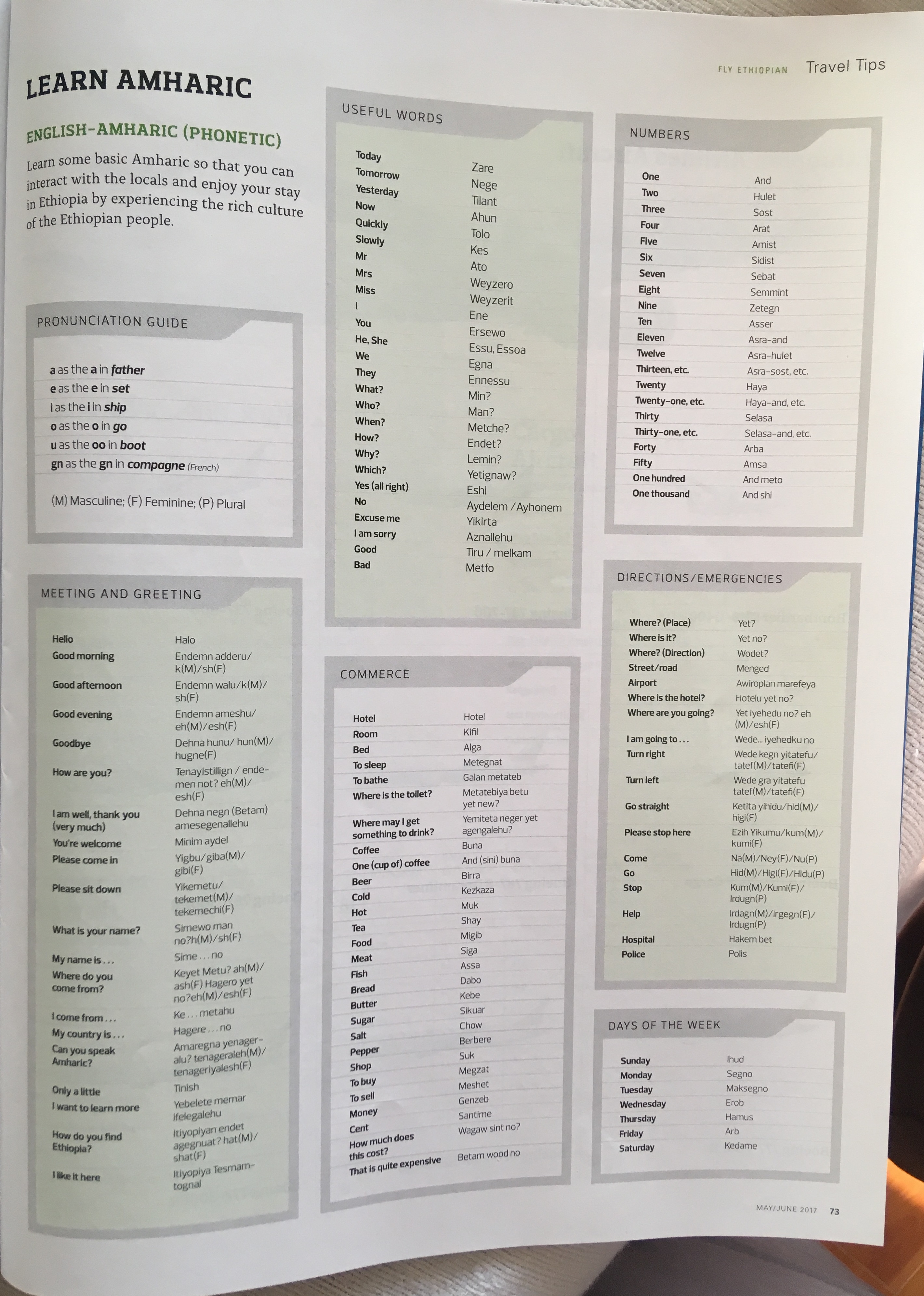
I wasn’t going to learn Amharic on this flight, but I could pretend to try.

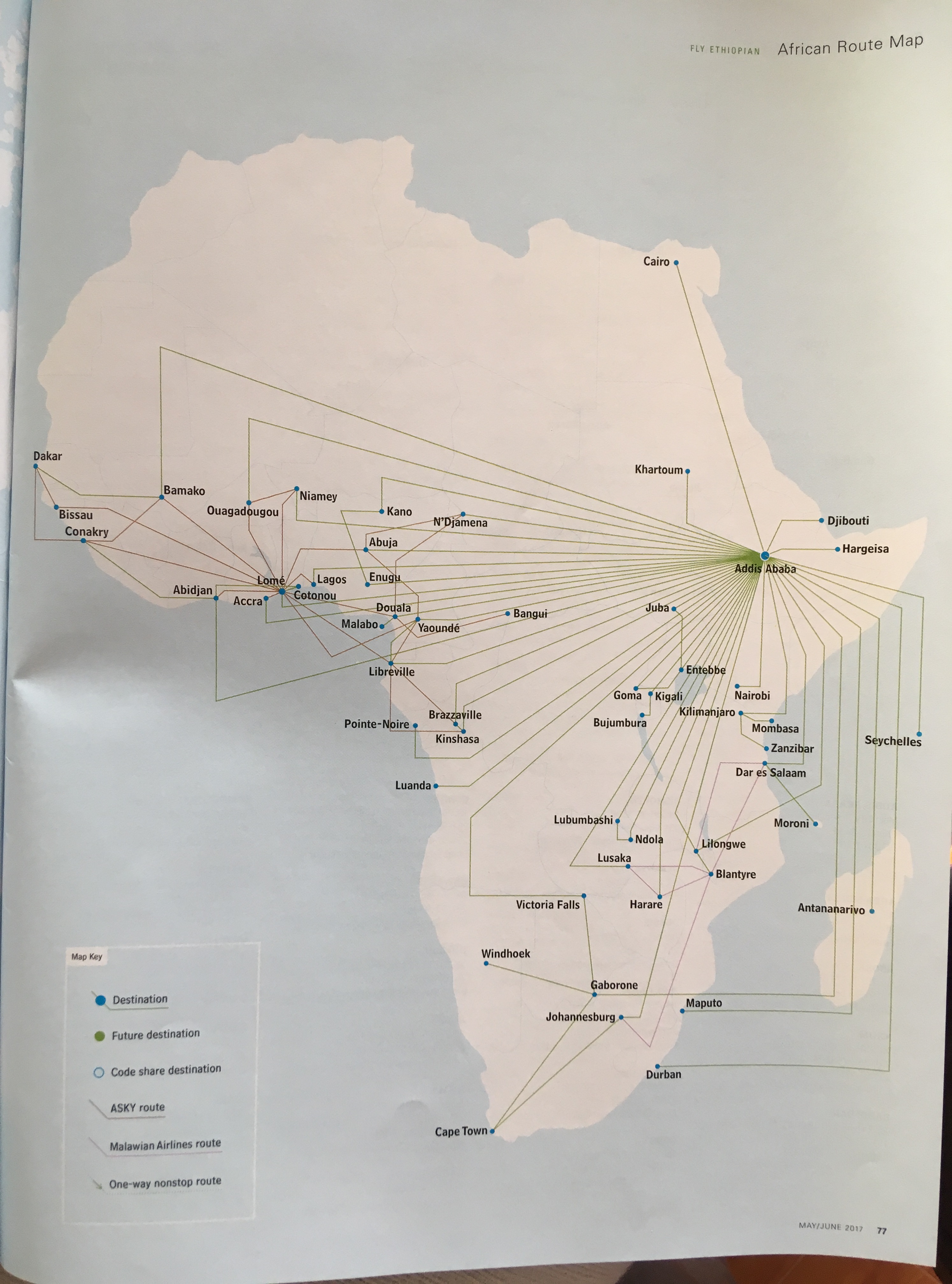
Here’s Ethiopian Air’s route map.

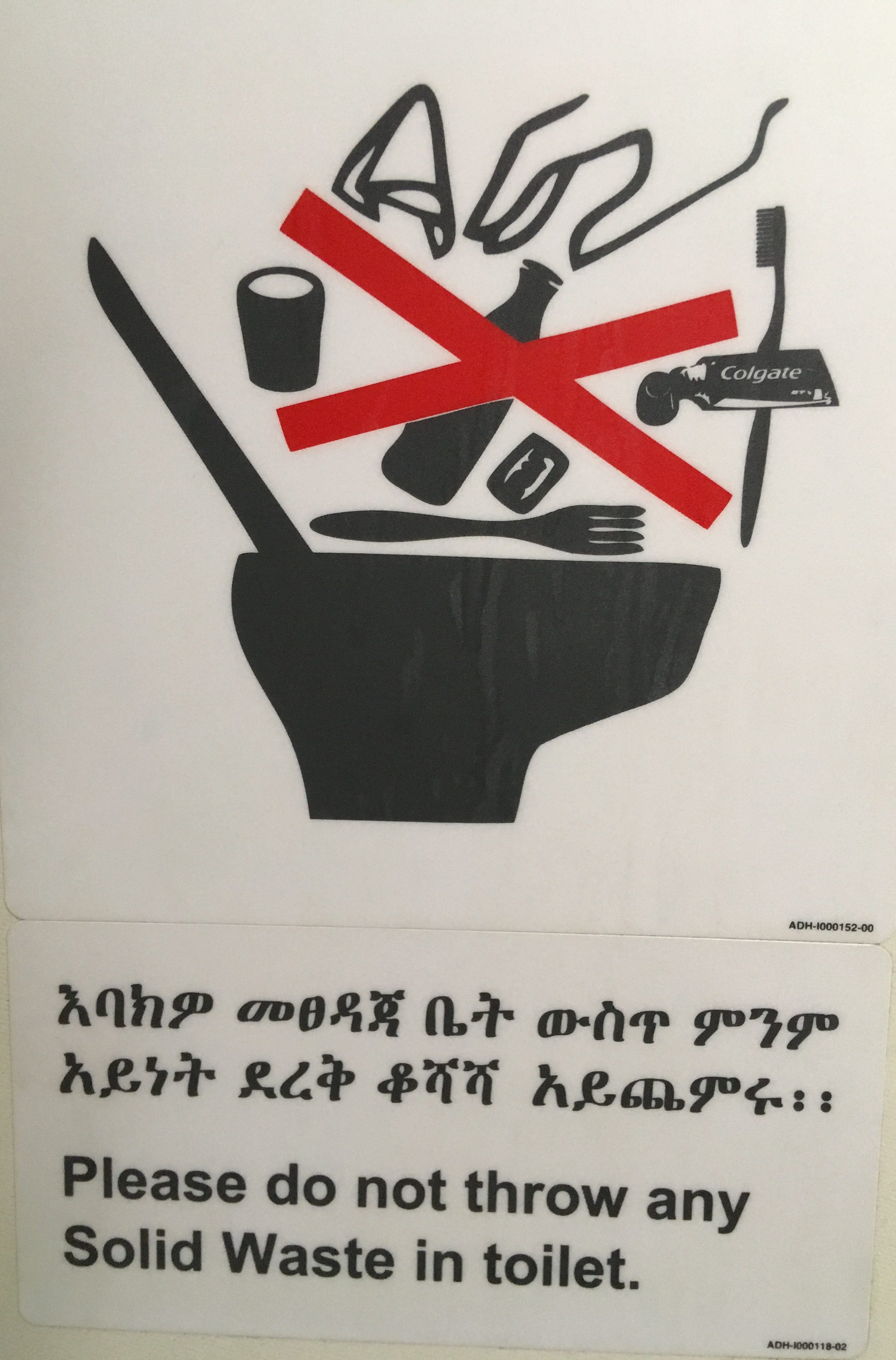
I found this sign in the bathroom puzzling.

Isn’t poop solid waste?

I was so entertained, the flight went fast and we soon landed in Axum.

Things with Strings

When Ingrid and I hopped of the Hop On Hop Off bus back in Salzburg, we had a few hours to kill before our marionette performance.  We stumbled upon a very good Indian restaurant.  I ordered my go-to favorite that I boringly get every time I go to an Indian restaurant, palak paneer.  But you know what?  I really like palak paneer, and I don’t go to Indian restaurants that often, so sue me.

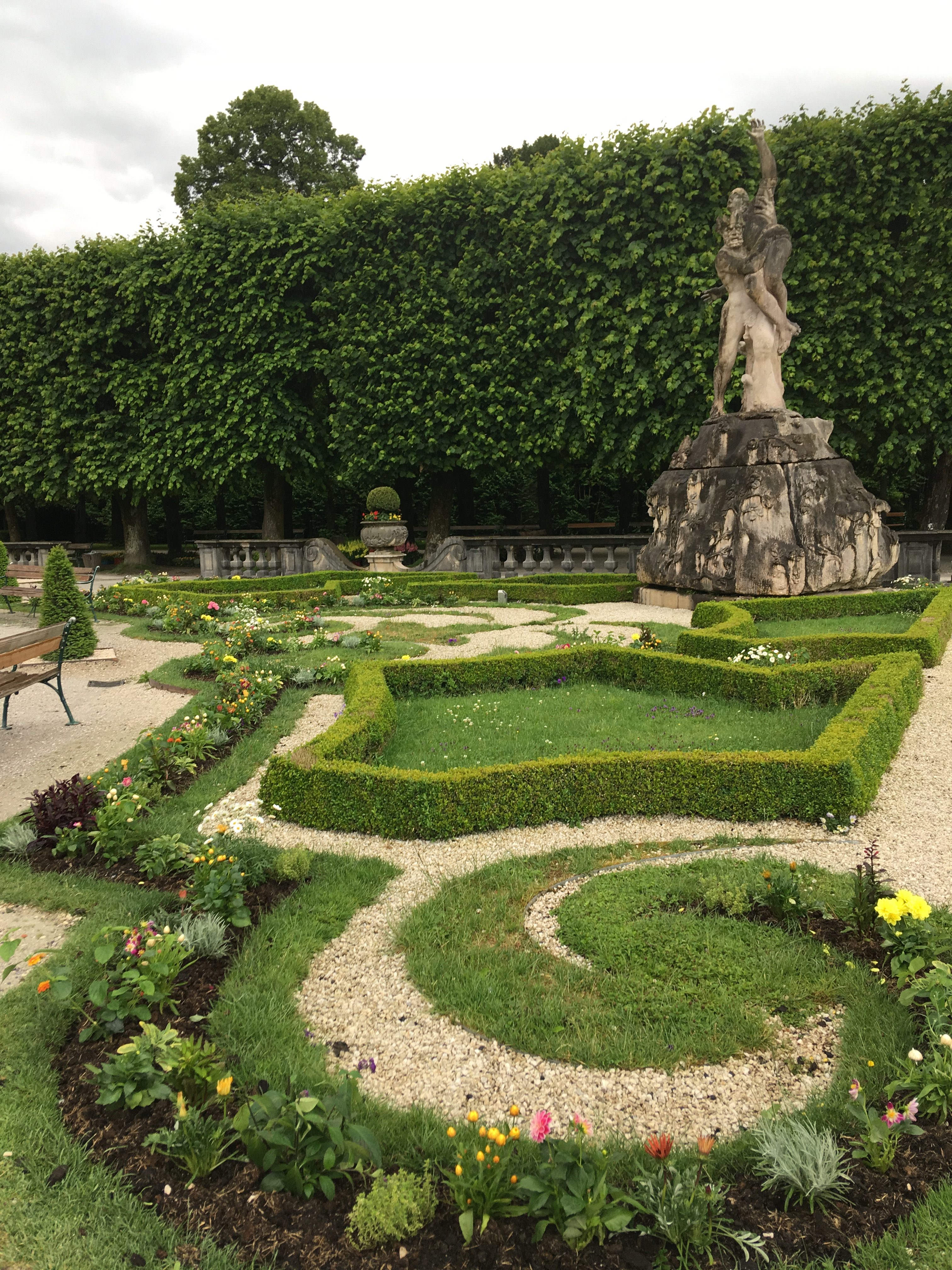
We walked around the big garden called the Mirabell.  A statue depicting the rape of Persephone attracted my eye because I had seen another one like it in Rome last fall.  Then I did a 180 degree turn and it appeared that all the statues depicted a rape scene.  It wasn’t my imagination: “In the heart of the garden, you will see a large fountain, with four statue groups around it: rape of Helena, Aeneas and Anchises, and finally Hercules and Antaeus. These statues were made by Ottavio Mosto in 1690.”  That was pretty unclear, but the point is, someone thought it was a great idea to design a garden full of statues about rape.  Yuck.

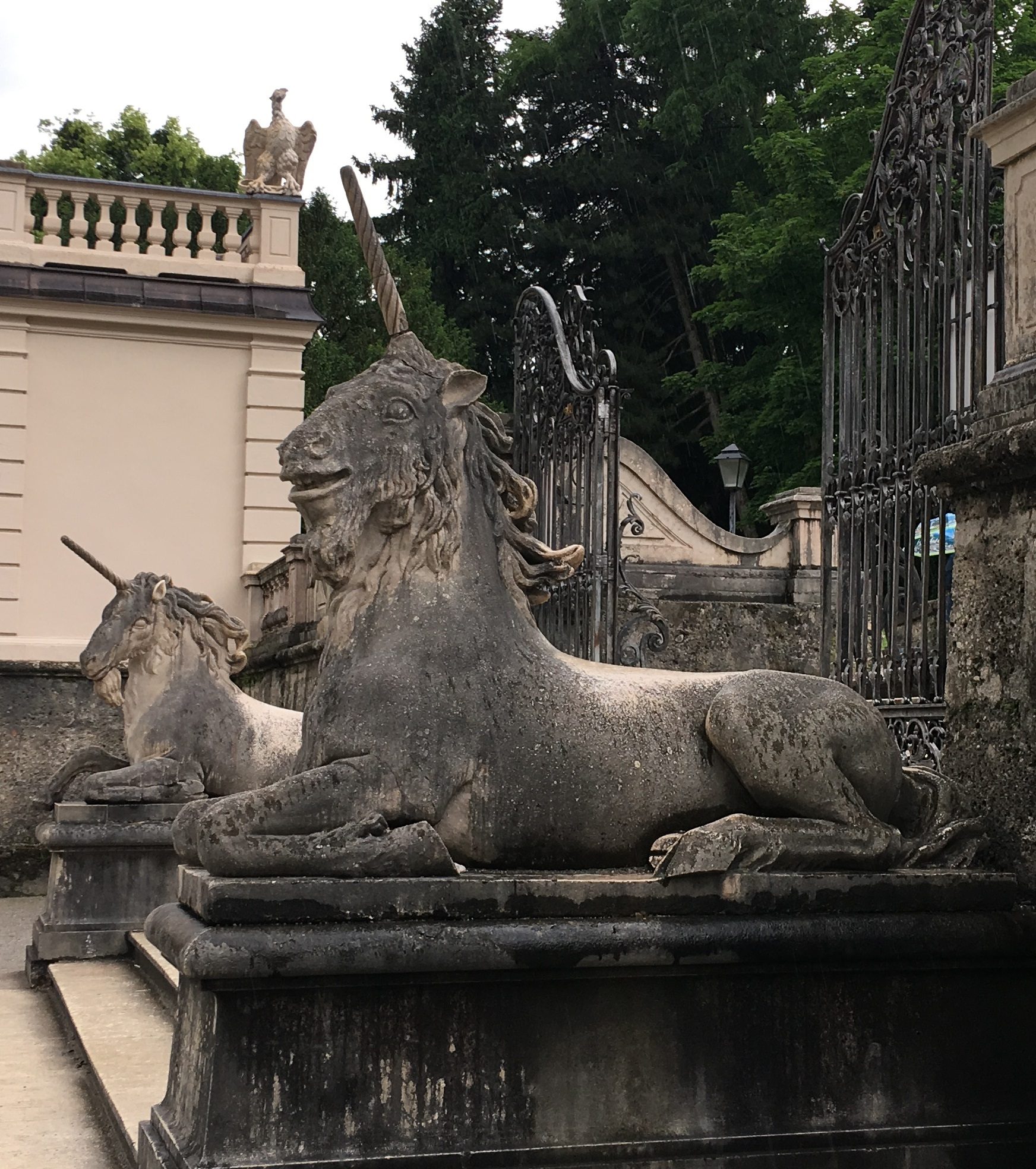
On a lighter note, there were also statues of my favorite animal:

Then we were off to the marionette theatre, where we spent some time in the lobby looking at the exhibits and reading the history of the place.  My favorite past performance was hands down The Little Prince.  I don’t know what the one with the geese was, and there were many more involving princes and princesses, fairies and witches, and animals both real and imaginary.

When our concierge booked the tickets for us, she said they were great seats.  We were in the second section in back, which made me question her judgement.  How would we be able to follow what was going on?  The marionettes were only about three feet tall.

As soon as the curtain rose and the show began, we realized it was ideal to be a little further back.  The marionettes’ mouths don’t actually move, so being just far enough back to not be distracted by that helps to suspend reality.

It was a performance of Mozart’s Magic Flute, and I have to say it was magical.  The sets, the costumes, the music—it was all spectacular.  Subtitles were projected on the walls on either side in German, English, Spanish, French, and Chinese.  But you could have enjoyed it just as much without them, since the plot was a typical opera involving unrequited love, a quest, and comical misunderstandings.  All operas either end with everyone dying or everyone living happily ever after, and thankfully this was the latter.

As we walked back to the hotel, we spied this on the wall of another hotel:

Rooms, camera?  No thanks, I like my hotel rooms without cameras.

We came across a building we could see from our hotel room window and which I had wondered about.

“What is it?” I asked Ingrid.  “At first I had thought it was an Indian waffle house.”

“Waffen means force, like luftwaffen” Ingrid replied.  Luftwaffen, the World War II German airforce.  “But I don’t know what Sodia means.”

“Ah, the third name, to the right in red, is a store with a location near my house,” I observed.  “I don’t know how to pronounce it, and they wanted $250 for a pair of hiking pants so I’ll never step foot in one again so it doesn’t matter.”

“Let’s go find out what it is,” Ingrid said in a hushed voice.

We rounded the corner of the building and realized it was a gun store.

“Do you want to go inside?” Ingrid asked.

“No!”

In real time, I am running off to meet my friend Heidi at Wimbledon.  I was going to work all day so I said no at first, then thought, “What am I thinking!?  When will I ever get a chance to go to Wimbledon again?”

I can always work tomorrow.