A Holy Look-See

This is a series of posts about Italy, Malta, and Spain that starts here.

I had never given much thought to the Vatican.  Did I want to visit it?  Not really.  I’m not Catholic, but maybe standing in St. Peter’s Square with tens of thousands of nuns and other Pope fans could be a scene to be experienced.  I could earn some points with my Catholic friends and family, maybe.  Sure, I would step inside St. Peter’s Basilica and it would probably be amazing, like the other 50 cathedrals and basilicas and churches I would see on my trip. The Sistine Chapel was in there, right?

It all began to come clear when I started reading the “Top 10 Things to Do in Rome” lists.  I learned there was something called the Vatican Museum, which is the fifth largest museum in the world.  Oh no, I groaned, imagining room after room filled with paintings of the Virgin Mary and crucifixion scenes.  But this was where the Sistine Chapel was.  The Vatican Museum also held collections of Egyptian and Etruscan art, and tapestries, and something called a map room.  I love maps.  I went online and booked my advance ticket, as all the guides advised.  I love how it has the fancy shield with keys in one corner and a QR code in the other.

vatican-ticket

I stopped at the hotel front desk to drop off my key, and the Indian desk clerk asked, “You are going to the Vatican today?”

The stereotypical Indian accent is sing-song, right?  The stereotypical Italian accent is lilting, right?  Now imagine an Indian speaking Italian, and you’ve almost got a one-man Broadway show.

When I confirmed that I was going to the Vatican he said, “We are getting a lot of Argentinian tourists here as a result of the Pope being Argentine.”

That explained why I had heard so much Spanish on the streets, even in the short time I had been there.  Spanish is the only language besides Hebrew I can identify with any certainty, although I can’t tell an Argentine accent from a Mexican or Spanish one.

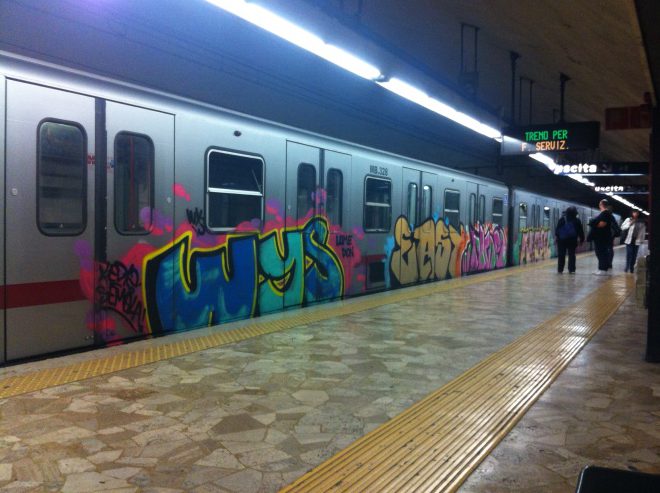
I managed to not get lost in the two blocks between my hotel and the Metro.  There was a 10-foot-tall “M” above the entrance, too, so even I couldn’t miss it.  As metros go, Rome’s was unremarkable.  It wasn’t gleaming like the one in Washington, DC, or quirky like London’s Underground.  There were some clever ads, the cars were covered with graffiti, the signage was clear.  It was all in Italian, so my Spanish helped but even English would have helped.  For instance “Teatro”—anyone would know that means “Theater,” right?
metro-2 metro

It seems like a lot of people’s worst fears about travel involve getting on the wrong train/bus/boat and ending up in the wrong place.  That’s the beauty of subway systems.  Once you’re inside the paid fare zone, if you go in the wrong direction or get off at the wrong stop, you just get back on and keep at it until you get it right.

I zipped right along and found myself at the Vatican stop in 10 minutes.  There was about a 10-minute walk along shop-lined streets to get to the actual Vatican complex, and I enjoyed ogling the beautiful leather goods and clothes (all black, of course—this was Italy) in the window displays.

I followed the signs to the museum and was very glad I had bought my ticket ahead of time, because there must have been 500 people in line for same-day tickets.  I felt very smug and smart striding past them in the ticketholders’ line, although I was a little worried I would get to the entrance and they would tell me my ticket was a fake.  Didn’t I know about all those online ticket scams?  Get to the back of the line!

But the ticket was good; a guard scanned it and then I stood in line to exchange it for the fancy one below.  Then I got into another line to pick up a map and audio guide; then I was in.

vatican-ticket-2

I emerged five hours later and will write tomorrow about what I saw.
Three Hours in Rome

This is a series of posts about Italy, Malta, and Spain that starts here.

After gulping down a glass of the complementary Prosecco in my hotel room and wisely deciding not to pour the rest of it into my water bottle, I rushed out to see Rome.

People often talk disdainfully about “check list” travel: “I don’t want to do that “check the box” kind of travel. You know, where you run around like crazy trying to see all the famous sites in one afternoon?  You can’t appreciate them that way.  And you need time to process them afterwards, too.’”

I’ve said those words myself, and meant them.  It’s a nice sentiment.  But I had come 5,000 miles and although things were less expensive during the low season, I was still spending plenty of money on this trip.  Why not pack in as much in as possible?  Life is short, so before it got dark—in three hours—I was determined to at least scope out the Coliseum, the Roman Forum, Palatine Hill, and the Pantheon.

The Coliseum appeared to be a few short blocks away.  But “a few blocks” in Rome, for me, meant getting lost immediately, several attempts to surreptitiously look at my map, asking strangers for directions, stumbling upon the almost 2000-year-old Trajan’s Column, being distracted by block after block of Roman ruins, consulting the map again, getting lost again, and saying no to a dozen African immigrants selling selfie sticks along the way.

How would I ever find the Coliseum? Then I turned a corner, and there it was.

aproach-to-the-ampitheatre

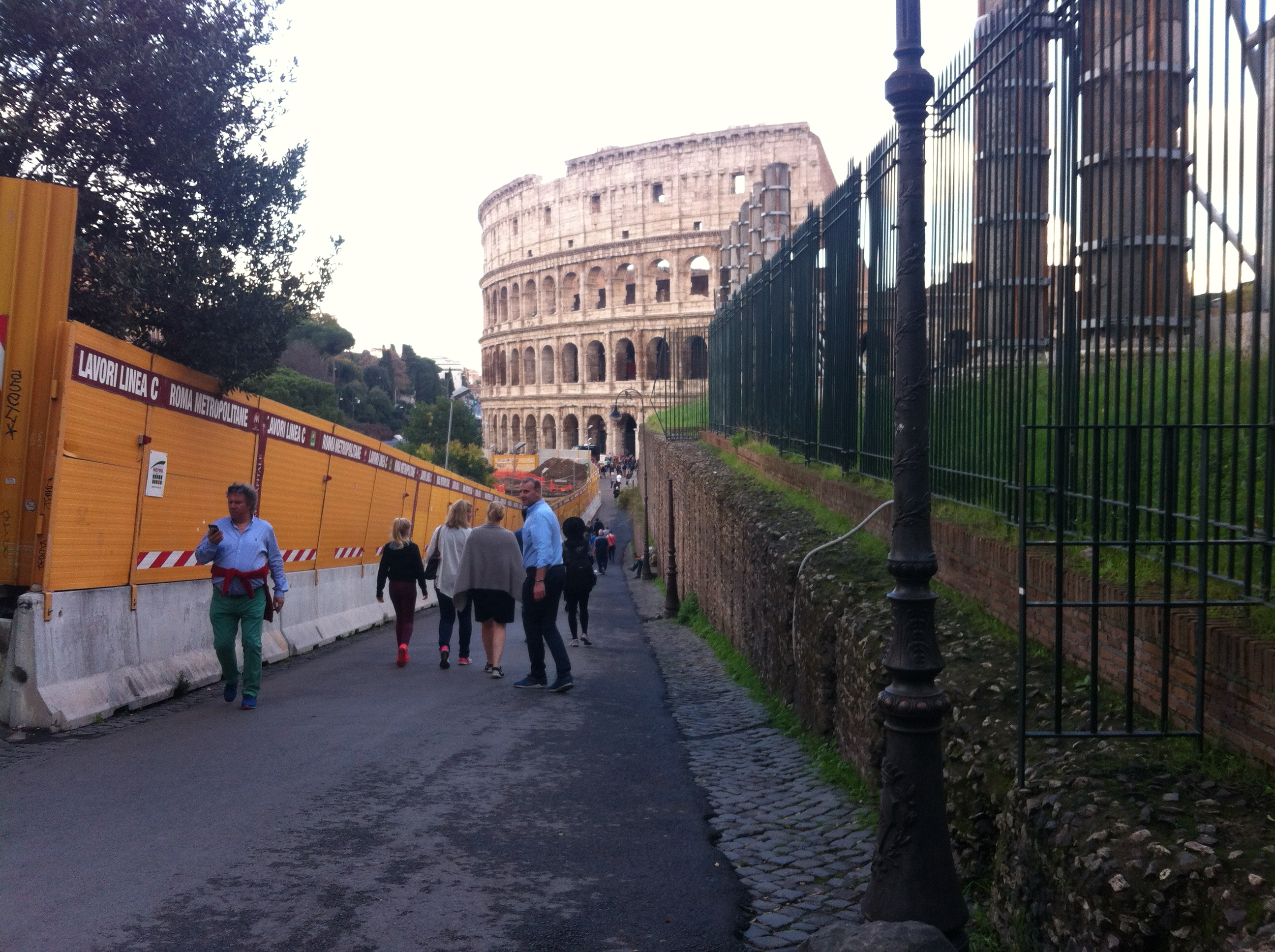
Wow.  It’s one of those places you’ve seen in photos and movies hundreds of times but which still takes your breath away.  I wasn’t going in today, but I walked around it.  And I slowed down, savoring this rare feeling of awe.

flavian-amphitheatre

I had read and re-read descriptions of the sites, and they hadn’t given me a sense of their scope or how to tackle them.  Google maps are great, but they don’t indicate elevation.  So one thing appears close to another, but you don’t know about the 400 steps until you’re looking up at them from the bottom.  The Roman forum isn’t one thing; it’s a collection of hundreds of ruins including some intact buildings scattered over a huge swath of land adjacent to the Coliseum.  Apparently there were dozens exits but only one entrance, and that was a closely-held secret.  Palatine Hill is, thankfully, a real hill, but because everything is so packed together, I couldn’t back up enough to get perspective and see where it was.

I had bought my three-in-one ticket for the Coliseum, forum, and Palatine Hill online and it didn’t shed any light:

Gentile Cliente,
informiamo che è stata prodotta la fattura n. 01287080

Da questo momento è possibile accedervi direttamente cliccando qui
Se il file non viene visualizzato correttamente è possibile scaricare il programma Adobe Acrobat Reader cliccando qui  La fattura non sarà inviata tramite posta.

Ricordiamo inoltre che è comunque necessario STAMPARE LA FATTURA E CONSERVARLA ai fini delle vigenti disposizioni di legge. La fattura resterà a disposizione per almeno 1 anno.

ATTENZIONE: questo è una email AUTOMATICA, pertanto vi preghiamo di NON RISPONDERE a questo messaggio per avere assistenza.

In caso di necessità il nostro Servizio Clienti è a sua disposizione per qualsiasi informazione riguardante la transazione effettuata. Per contattarci la invitiamo esclusivamente a compilare il modulo Servizio Clienti all’indirizzo: http://www.ticketone.it/help

Cordiali Saluti

The links led to a receipt.  I knew enough Spanish to decipher that I was supposed to pay attention to something, save something, and not respond to this automated message.

This was going to be fun!

I hadn’t planned to go inside the Coliseum or immerse myself in any of it yet anyway, I just wanted to see the Coliseum and get the lay for the land.  The Pantheon?  That was “nearby” too, which I now knew meant, “Forget it, sucker—you’ll never find it by dark.”

I took my time strolling back to the hotel, retracing my steps, already feeling familiar with landmarks and knowing I could easily find my way back when I returned in two days.

Tomorrow: The Vatican.

Benvenuti a Roma

This is a series of posts about Italy, Malta, and Spain that starts here.

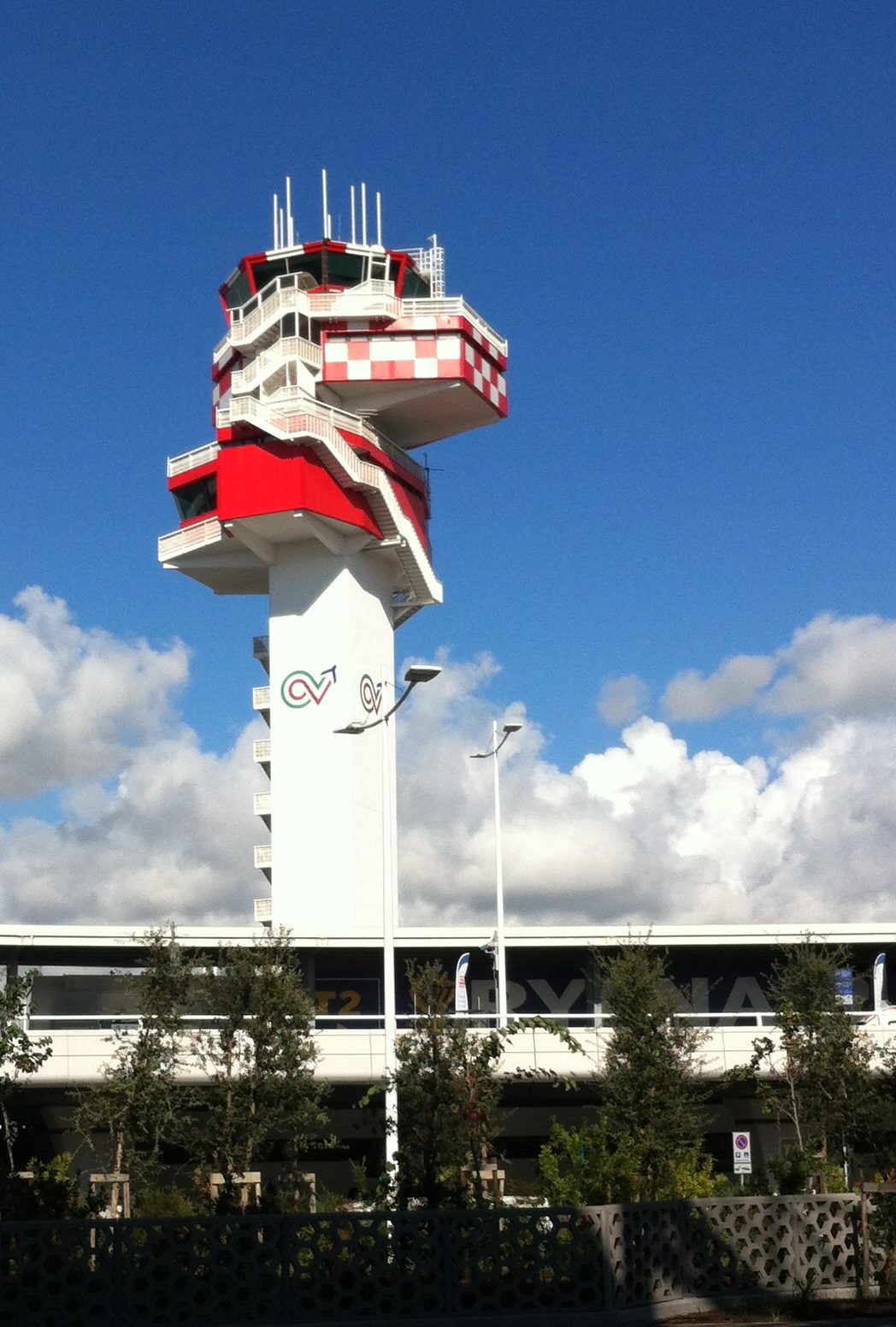
This is Rome’s air traffic control tower:

rome-air-traffic-control-tower

I would find it to be emblematic of Italy—colorful and confusing.

The guide books and websites tell you to take the Michelangelo Express from the airport into the city.  I scribbled down directions for walking from the train station to my hotel.  How hard could it be after flying 5,000 miles, on no sleep, and with a full-sized suitcase and a big backpack?  Why spend 10€ on a taxi when I could walk for free, right?

Fortunately a coworker had been to Rome recently.  “Don’t take that Michelangelo Express thing,” she said.  “Go to the generic ‘Ticket Counter’ and tell them you want the bus that takes you directly to your hotel.”

“But won’t that be super expensive?” I asked.  “It’s like a half-hour ride.”

“No.  It’s only about 6€ more than the Leonardo Express.  It doesn’t have a name and there are no signs for it anywhere, but if you ask for the “door-to-door bus,” you get in a little van with a couple other passengers and they drop you off at your hotel door.  They call it a bus but it’s not a bus—but ask for the bus.  Got it?”

“Why wouldn’t everybody do it?” I wondered.

“Because they don’t know it exists,” she laughed.

It sounded too good to be true.  Since it had no name, I couldn’t Google it.  I couldn’t find anything on Trip Advisor or in guide books.  But it did exist, and it was great to go directly to my hotel instead of schlepping myself and my luggage from the train station.  Plus, since it wasn’t a train, we drove through the city and I got a nice little sight-seeing tour as a bonus.

Welcome to travel, where mysteries abound.  All you can do is laugh a little, go with the flow, and hope for the best—or at least for a little adventure.

I had found the Hotel Italia on Trip Advisor by Googling, “women traveling alone in Rome.”

I have spent time in hotels known as romantic getaways, and it can be depressing to be surrounded by couples mooning over each other.  There are safety considerations, and it’s worthwhile trying to find a place where you don’t pay a double occupancy rate.  Sometimes it feels like I am the only one traveling alone, but I’m not.  We’re out there, and dozens of women had taken time to suggest solo-female-friendly hotels.

I’m not aware that the hotel category “single” exists in the US, but it does in Europe.  In fact, maybe due to the age and quirkiness of European hotels, I have stayed in rooms with three twin beds, four twin beds, and now at the Hotel Italia, I would stay in a tiny room with one twin bed.

The front desk guy was Indian, of course.  He seemed melancholic and perhaps a bit resentful, that he had been meant for greater things than running a two-star hotel.  But he was nice enough. He opened a city map and did what he had clearly done many times—marked the hotel with a big “X”, circled the Big Sights and told me how far they were, and described how to take the metro to the Vatican.

“What time does it get dark?” I asked.  It was already 2:30 and I wanted to get out there and see what I could before nightfall.

“5:00 o’clock, and I would advise you to be very careful after dark,” he said, then retracted slightly. “I don’t mean to discourage you from being out a night, but as a woman traveling alone ….”

Well.  That was discouraging, but I wouldn’t be able to stay awake much beyond 7:00 anyway.

The Hotel Italia website proclaims itself a “Cheap Hotel” and they aren’t kidding.  It cost $85 a night to stay in central Rome, within walking distance of the Coliseum, and included breakfast and a free bottle of Prosecco to boot.  I tipped the bellman who showed me my room, tossed back a glass of Prosecco, then headed out to find the Coliseum.

Wherever You Go, There’s a Screen

“How was your trip?”

What was the highlight of your trip?”

“What were the top three things about your trip?”

These are questions I always get when I get home from a big one.  The first one is so broad that all I just say, “It was great.” If the asker is genuinely interested in knowing more, he or she will ask more questions.

The other two are meant, I think, to keep the returned traveler hemmed in so he/she doesn’t go on and on.  I don’t blame the asker; not everyone has time or interest in hearing details about someone else’s trip, but when you see someone at work who’s been gone for a month you have to ask them something, if for no other reason than to be courteous.  Personally, I love hearing about other people’s trips, as long as they’re not cornering me on the way to a meeting or shoving their cell phone in my face to show me videos of their roller coaster ride at Disney World.

When people ask for the “top three” they are probably expecting me to say:

  • The Coliseum
  • The Amalfi Coast
  • The Alhambra

Or some such check list of tangible things.  But the highlight of this trip was that I was in the moment.  I wasn’t planning ahead or analyzing what I should have done differently.  I didn’t have To-Do lists, coupons or business cards or post-it notes with reminders to myself stuffed into every pocket.  There are no piles of things by the door ready to return to a store, or library books to return, or bags of plastic bags to take to the recycling center.  I pretty much wore the same two outfits for three weeks so I didn’t have to decide what to wear.  There were no cleaning or DIY projects, unless you count hand washing my socks and underwear—a meditative activity in itself.  I only woke up once with an alarm clock

I hadn’t set out to be mindful, and now I wonder if this is one of the things I’ve loved about travel all along but was never aware of.

I was traveling alone for the first 10 days so I had to really pay attention to, for example, what time the train left.  I had to be aware of my surroundings for safety’s sake.  I needed to remember to ask the hotel front desk to print my boarding pass when I had a flight the next day.  So there were things I had to attend to, but this reinforced being in the moment, I was nothing like the Human Doing I am at home.

Being in the moment doesn’t mean you’re never irritated.

Am I the only one who doesn’t love the screens embedded in airplane seat backs?  They’re great for watching movies.  But they are set to be on, all the time, unless you turn them off.

On night flights, my routine is to gulp down a glass of wine, choke down the “food” Delta calls dinner, then don my ear plugs and sleep mask and try to get a few hours of sleep so that when I arrive I can tell myself I had a good night’s sleep—when I really only had four fitful hours.  (I also bring a full-size down pillow on night flights.  It makes a huge difference; you can use it to pad the wall or the arm rest, or smoosh it up and hunch forward over it.  It’s not counted as a carry on item.)

I woke up at some point during the flight and staggered down the aisle to the toilet.  Delta requires people to lower their window shades and turns off the cabin lights.  But 90% of the screens were on—hundreds of “Delta” logos glowing white and red.  People were sound asleep with these screens a foot from their faces.

Back in my seat, I looked at the guy across the aisle and one row in front of me.  His screen was on, his wife was asleep but her screen was on, and he was playing solitaire on his phone.  And we wonder why it’s so hard to sleep on planes.

Don’t Read This Post

Do not read this post or look at the photos if you think you will irreversibly upset by torture techniques.

This is a supplement to my last post, in which I described a museum exhibit about torture.  Interestingly, the museum—the Casa Sephardi in Granada, Spain—offered no spin on the exhibit.  It wasn’t a “human rights” museum, it made no call to action at the end. It also did not make light of torture.  It was just straight-out torture, torture, and more torture, leaving interpretation and follow up to the visitor.

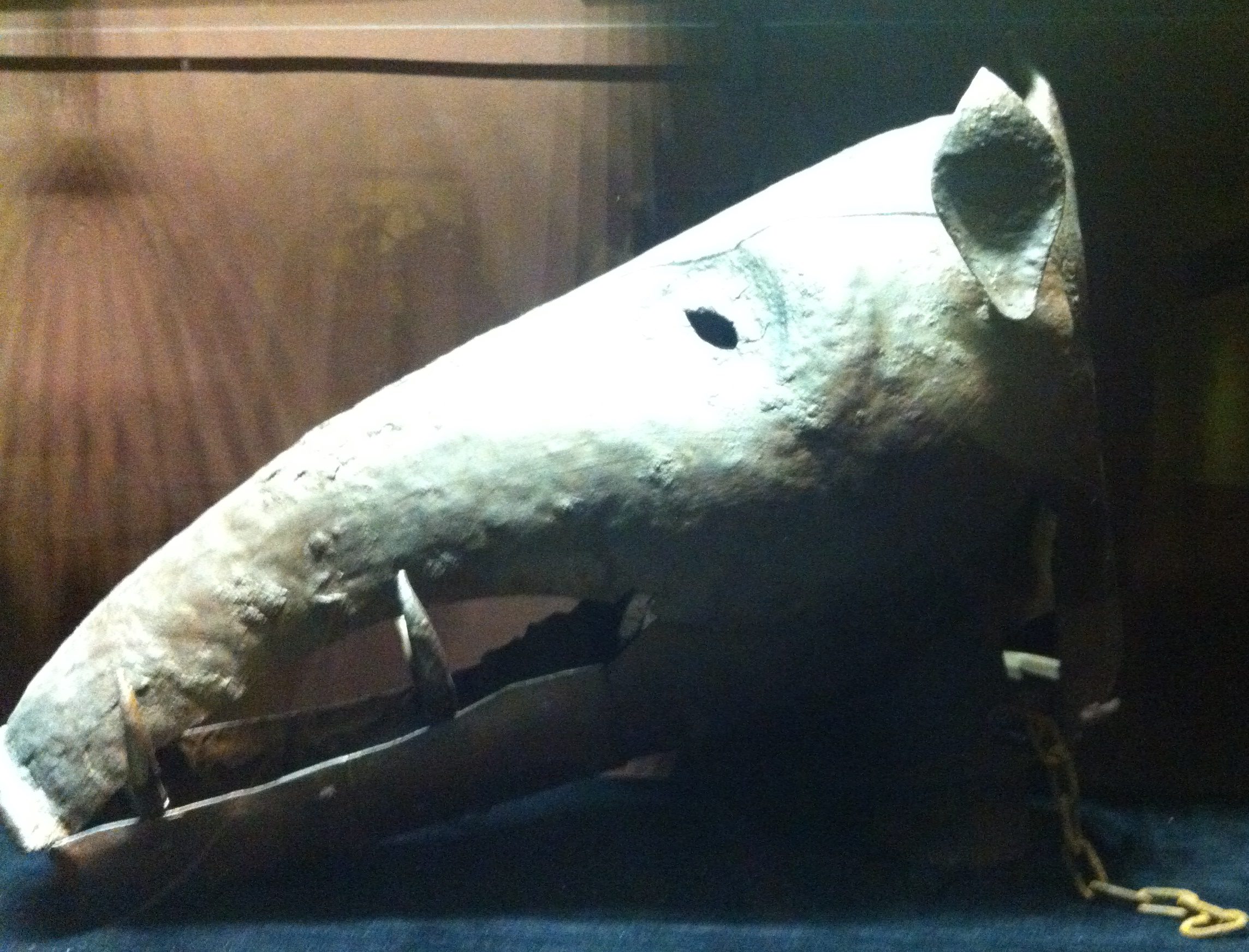
There were creepy masks people were forced to wear to be humiliated (as in women who had allegedly been unfaithful to their husbands).

mask-of-shame pigmask-2

The pig mask was, of course, specifically designed to humiliate Jews, who don’t eat pork.  These masks may look kind of funny (as in humorous), but they weren’t.  As you can read in the paragraph in the first photo, they often also had spikes in strategic places, cut into victims’ necks, and the wearers typically died of starvation.

This confirms another lesson about torture that is relevant today:  Torture is rarely used to get security information from terrorists to prevent attacks.  It’s almost always used to punish people and to intimidate others not to rebel.  It puts a chill on entire communities, who stop speaking out and being politically active. It’s the favorite tool of dictators.

To reinforce my point, here’s a photo of a set of branding irons.  The “crimes” for which people were branded included “slave”, “blasphemer”, and “rogue.”  Really—Rogue?  I can think of a dozen friends of mine who would have been branded by now.  I could have been branded as a blasphemer a hundred times over.

branding

The exhibit proceeded to get worse and worse.

It included the iron maiden (not the rock band), thumb screws, chastity belts (for men and women; with and without spikes), the saw (victim hung upside down and sawed down the middle starting from the crotch), the iron bull (victim forced inside a hollow iron statue of a bull under which a fire was slowly built), the rack—with a without spikes—which pulled the victim’s spine and other joints apart one by one; the cage, in which victims were locked and suspended from a bridge where they were exposed to the elements and starved to death.

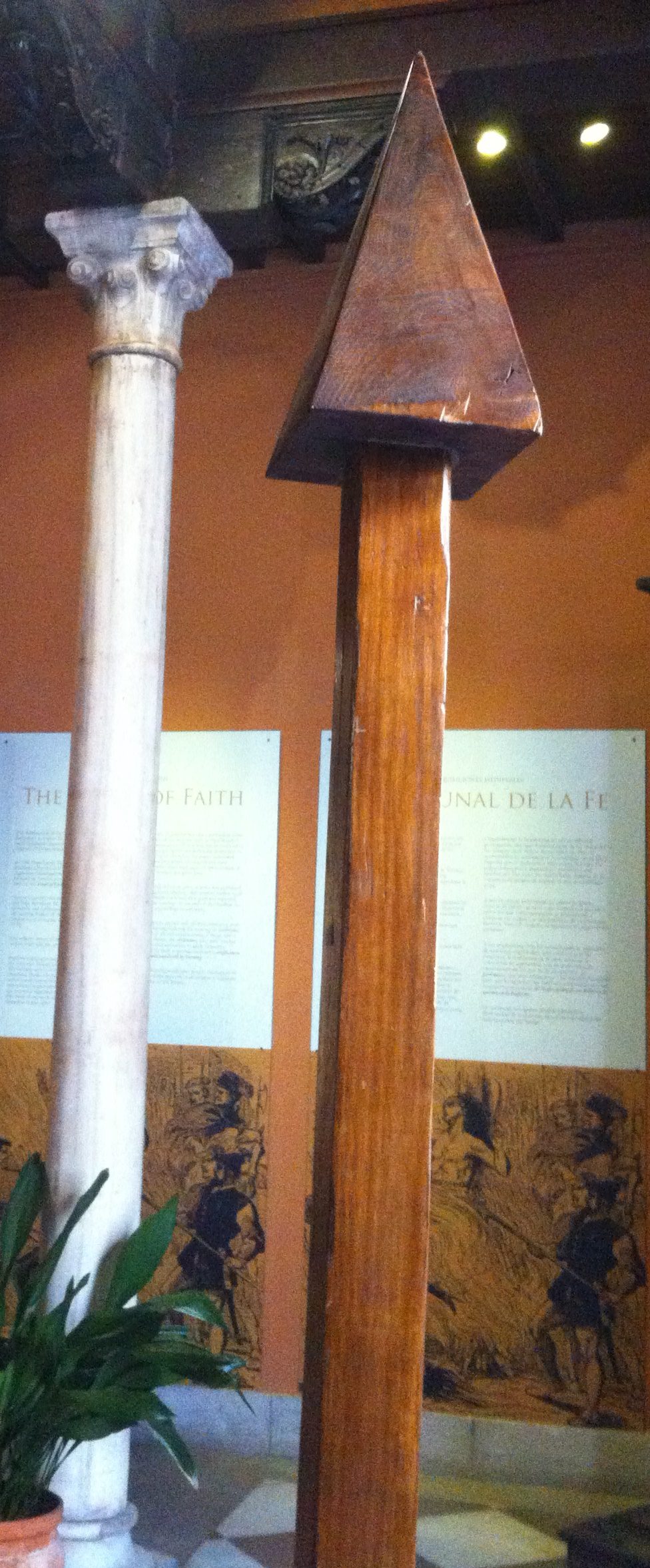
I will leave it to your imagination to figure out how the spike was used:

spike

I didn’t take photos of most of it; it was just too horrible to share.

If you have read this post, you are either very brave or a weirdo.  Or you are one of the over 50% of Americans who think that torture is okay.  If, like me, you don’t agree, please go to the Center for Victims of Torture website and sign the Reject Torture declaration.  Thanks, and I promise that the next post will be about Italian food or art or something more uplifting!

Back in the Homeland

15 museums

8 flights

7 hotels

6 palaces and villas

5 train rides

4 countries, if you count the Vatican

3 weeks

2 friends who are miraculously still good friends

1 drained bank account, but totally worth it

Zero muggings, rip offs, illnesses, or other crises.

Uncountable numbers of churches, nameless restaurants and cafes, glasses of wine, paintings of the Virgin Mary, and taxi rides to and from bus stations and airports.

I’m on a plane back home after 3 weeks of traveling around Italy, Malta, and Spain.  I’ve got nine hours ahead of me on the way to Atlanta, then another flight to Minneapolis/St. Paul before I land at 6:40pm.  They guy sitting next to me, Ryan, is from Atlanta.  He told me he was traveling on business and I immediately assumed he would be a conservative Republican who sells B2B online storage solutions or something but it turns out he works for a progressive Baptist international nongovernmental organization.  We chatted about what our respective organizations do, about how different countries examine their pasts, and then touched briefly on the election results before he put in his headphones to watch a movie and I flipped open my laptop.  He said half his organization’s employees are African American, and the day after the election their regular check-in meeting was just dead silence.

When I checked in with a colleague where I work (the Center for Victims of Torture), the day after the election, she said the office was like a morgue.  We had been running a two-month anti-torture campaign to educate people about how torture is illegal.  Now we may have to kick it into high gear to push back against US use of torture.

I’ll have a lot more to write about this trip, but speaking of torture, I visited a museum in Granada, Spain that advertised a special exhibition about torture.  Lynn rolled her eyes when I asked if she wanted to go. It was about the only time we didn’t do something together.

What I didn’t realize was that the museum’s name was Casa Sephardi, Sephardi being the term for Jews who used to live in Spain and Portugal.

The exhibit started off easy, with displays of artifacts like menorahs, prayer shawls, and wedding costumes.  Then came the Spanish Inquisition.  Jews had done well in Spain for the most part, sometimes prospering even more under Muslim protection than under Christian rule.  But, as has happened over and over throughout history, Jews became a victim of their own successes.  There were religious differences, for sure, but economics was a prime motivator to get rid of the Jews so their property could be confiscated.  In 1391, 4,000 Jews were massacred in Seville.  This was followed by mass forced conversion to Christianity.  Judaism provides a “get out” clause that allows us to convert if our life is at stake.  We’re practical like that.  So most Jews “converted” but continued to practice Judaism covertly.

The Inquisition imprisoned and tortured the Jews who had converted, sincerely or not, and their property was sold off to cover their expenses—which I guess would have included bread and water and manacles.  Their families were turned out into the streets.

Surprise!  They were all found guilty and executed.  In 1492, all the remaining Jews were expelled from Spain.  About a hundred years later, Muslims were also subjected to forced conversions, Inquisition and expulsion.

Lastly, there was the “special” exhibit about torture.  It was awful, truly awful, and I am someone who works for a torture rehabilitation center.  I’ll write about it more in a separate post, and stop reading here if you know you could be upset by disturbing images.

Here’s my take away: the displays, which appeared to be decades old, confirmed two themes in CVT’s anti-torture campaign:

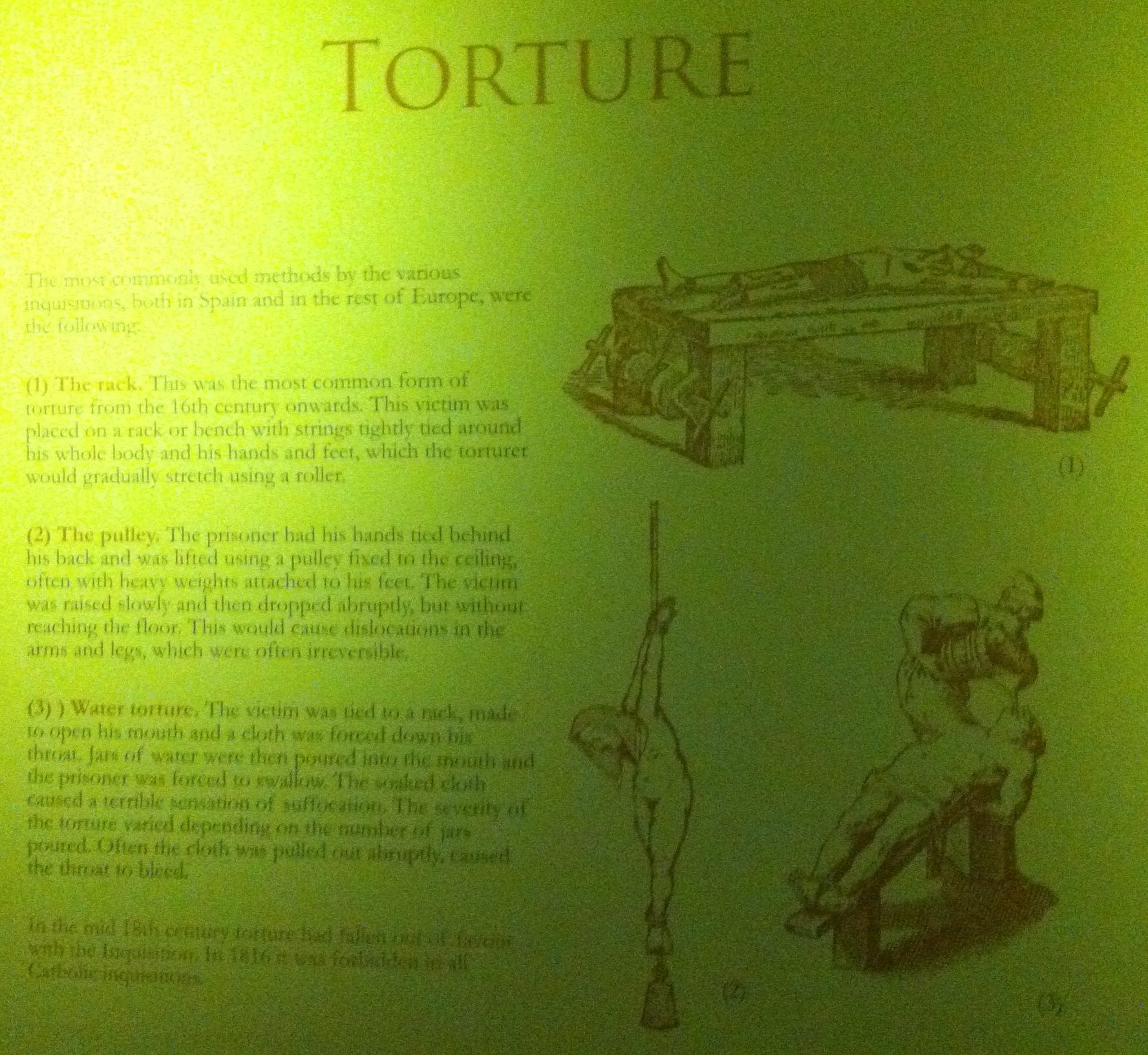
Waterboarding is torture, and a medieval technique at that:

waterboarding

Torture is not effective in obtaining accurate information.

torture-does-not-work

This is one of the reasons travel is important, especially for us Americans, especially now: so we can learn from history (Spanish history is our history), learn from other cultures, learn the truth, and come back prepared to fight for our values.

Happy Thanksgiving to my American readers!  May we somehow find some harmony during the holiday season and in the year to come.

Donald Cometh, I Goeth

I woke up at 4:30 am this morning when my cousin messaged me to say, “It’s not looking good.”  I had asked him to let me know as soon as the election was called.  I figured I’d feel good and slightly relieved that Hillary was in, then roll over and go back to sleep.  Instead, his message had me wide awake and glued to the BBC for hours.

I won’t get into why I preferred Hillary over Donald.  My political leaning probably won’t come as a shock to you.  I keep thinking about how Minnesota elected as Governor a former “professional” wrestler named Jesse “The Body” Ventura about 10 years ago.  People were sick of lying, do-nothing politicians and he seemed like a refreshing change, representing the Independence Party. It turned out he was thin-skinned, got into fights with the media for doing their jobs, managed to insult every voter group, and accomplished nothing.

I’m still on Malta.  This morning I left the hotel before I knew the final election results but I felt numb and didn’t relish how I would feel once the shock wore off.

My first agenda item was a visit to the immigration office.

There is all sorts of stuff on social media about how we’ll all “just move to Canada.”  I find this rather maddening.  It’s sort of like how most Americans think Downton Abbey is a BBC production when it wasn’t.  We have certain fixed ideas about other countries that just aren’t accurate.

We think Canada is so nice that it would allow in 60 million Americans.  Sixty million depressed, angry Americans!  Canadians are nice, but not that nice.

Here’s the thing: Other countries don’t want foreigners taking their jobs any more than we do.  And you can’t just enter another country and start looking for work; they’ll want to see your work permit.  You may not even be able to cross the border without one.

I moved to the UK in 2005 on a student visa and after it expired I thought I’d just get a “regular” work visa.  I was quickly disappointed to learn that my chances of that were zero because I was applying for, essentially, writing jobs in the country of Shakespeare and Oxford and competing with English citizens and every qualified person from the EU and Commonwealth countries who wanted to move to the UK.

If I had gotten a job with an international company they might have sponsored me, but my career was in the nonprofit sector.  If I was fleeing war, I might have qualified as a refugee but fortunately that’s wasn’t the case.

I checked out moving to Canada about eight years ago and it was the same deal.  Unless you have a PhD in computer science or some other high-skill field, forget it.

The only country I can work in, no problem, is Israel.  That would not be without significant challenges; the politics there would probably drive me just as crazy.  To be honest, my biggest hesitation is that I feel too old to master a new language—one that’s only used in one country.  But it’s an option.

In preparing for this trip, I read that Malta had a “pay your way in” scheme. That is, if you bought a property here and had some amount of money in a Maltese bank account, you could become a citizen and work here.  I was just thinking about it as an adventure or maybe retirement option, but today it seemed more urgent.  Of course my 501K probably lost 5% overnight, so I figured I might have to wait til it rebounded.

So off I went.  I immediately got lost so asked a young man who appeared to be an immigrant if he knew where it was.  He was Ethiopian, and he informed me, “We are afraid of what Donald Trump will do.”  This would be the first of half a dozen times I heard the identical words from non Americans today.

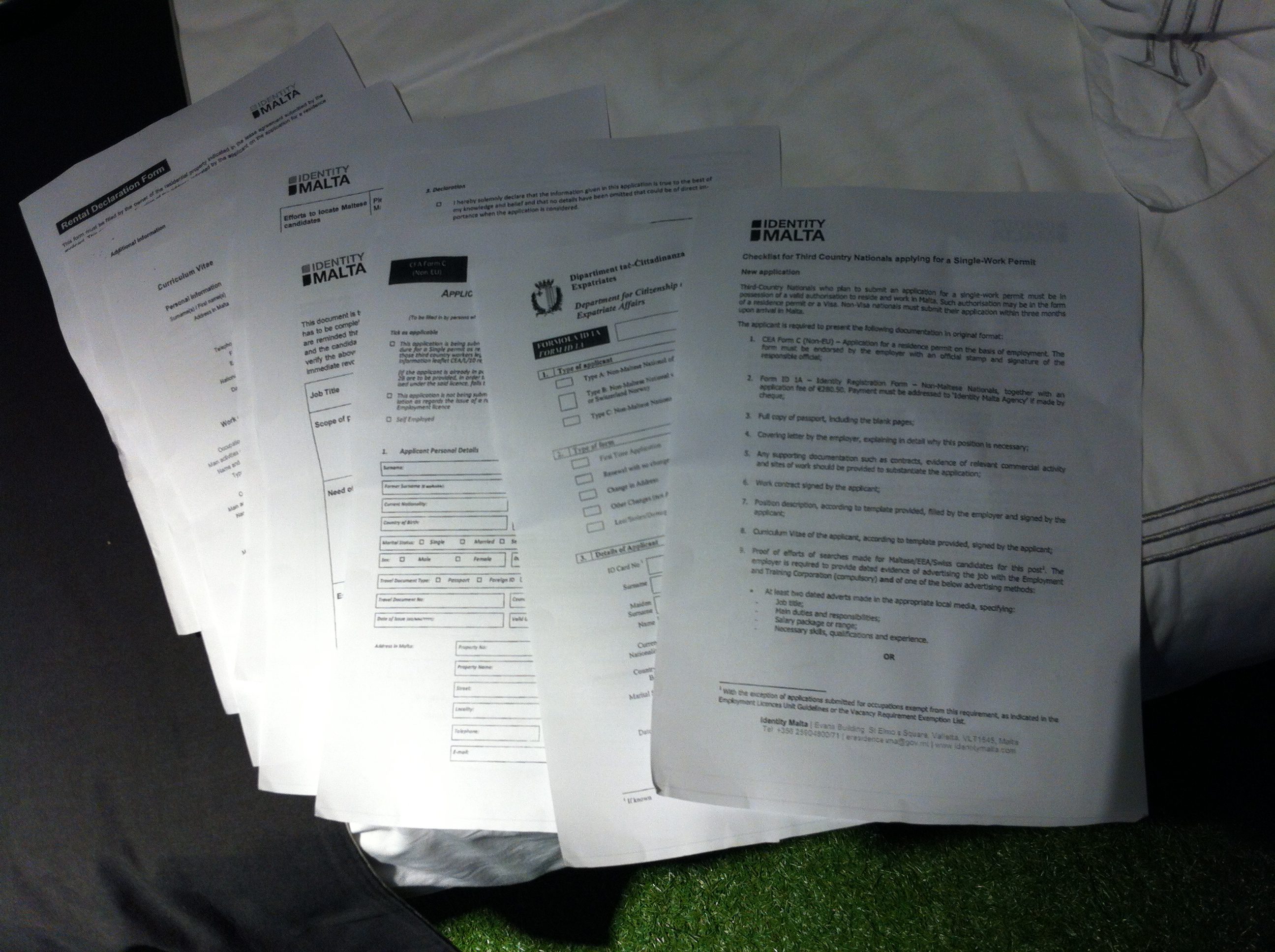
At the Immigration Ministry, the man at the desk informed me, “No more payment scheme.  You want work permit, here are papers.”  Here they are, double sided.  So I’m back to square one.

malta-immigration-papers

Those Who Fail to Learn from History

I am sitting in my hotel room in Valetta, the capital of Malta, watching the news of the US elections on CNN.  There’s not much to know yet, they show the same reel over and over.

Before it’s all over and just in case I choose to throw myself off a cliff here if the result doesn’t go the way I want it to, I wanted to write one post about this election.

There was an Afro Caribbean college kid in London being interviewed about something on TV, and he complained, “Why do we got to learn about stuff that happened hundreds of years ago, like how many wives Henry the eighth had, but we don’t learn nuffink about our own history?”  Well, fair enough.  He should learn all sorts of history—not just that of the white men.

But as it happens I’ve been thinking a lot about Henry VIII, because this summer I picked up a novel by Philippa Gregory at a little free library and got hooked—I’ve read five or six of her historical “bodice rippers” since.  She writes about the medieval period, including the Tudors which Henry VIII was one.  These books aren’t Great Literature and Gregory gets knocked for not being historically accurate, but she does have a PhD in history from the University of Edinburg and she tells these true-ish stories with so much tension you can’t put the book down.

What’s relevant to the US elections is the striking similarities between Henry VIII and Donald Trump.  Both were born into wealth and power.  Both had an older brother who was supposed to be the heir but who died young.  Both were told from a young age that they could do anything and no one ever said no to them.  Both used and discarded people at a whim, and both had thin skin and a mean streak.  Of course, this is just my opinion. We’ll find out in a matter of hours how many Americans think Donald Trump is a really great guy.

My point is that they are both types that recur throughout history and if we don’t know history, we may not be on guard against electing another one to public office. Also, over and over, people think “he couldn’t be that bad” and “it couldn’t happen here.”  We tend to believe horrific things only happened in the past or go on in “backward” countries.  I’m sure that’s what the Germans—the people who gave us Goethe and Beethoven—thought, right before they started making lamp shades out of human skin.

Am I being overly dramatic?  I hope so.  But better that than being “surprised” when Trump starts shipping planeloads of Muslim Americans “back to where they came from,” which is actually probably Silicon Valley, not the Swat Valley.

It feels funny, that every non-American I’ve met has said something like, “We’re all watching your elections.” Americans never follow anyone else’s elections like others follow ours, and it’s a reminder of our place in the world.  And they have also all said something like, “Don’t Americans remember what happened with Hitler/Mussolini/Franco?

We don’t.  Actually it’s worse than that—most Americans probably don’t even know who Mussolini or Franco were.

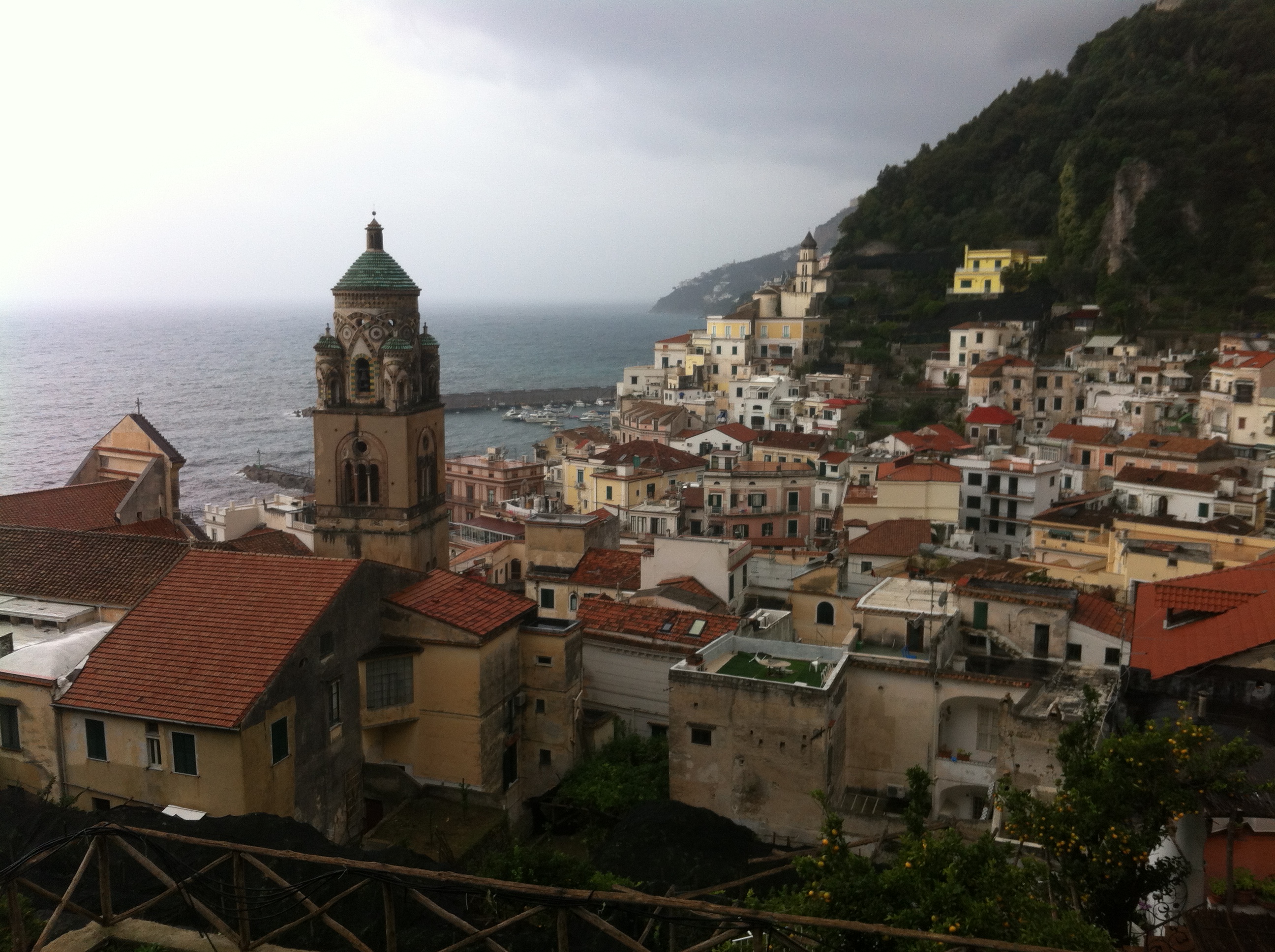
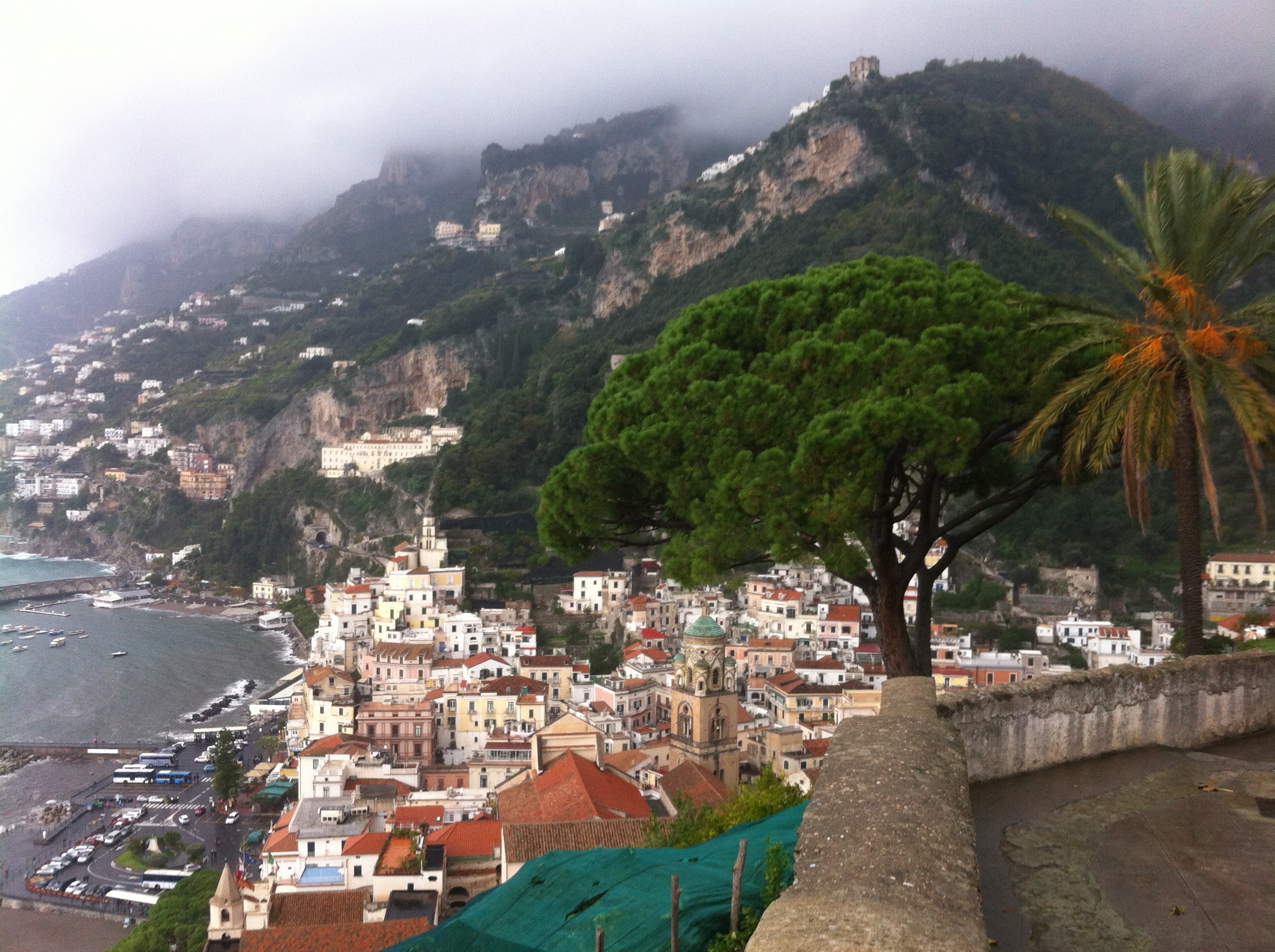
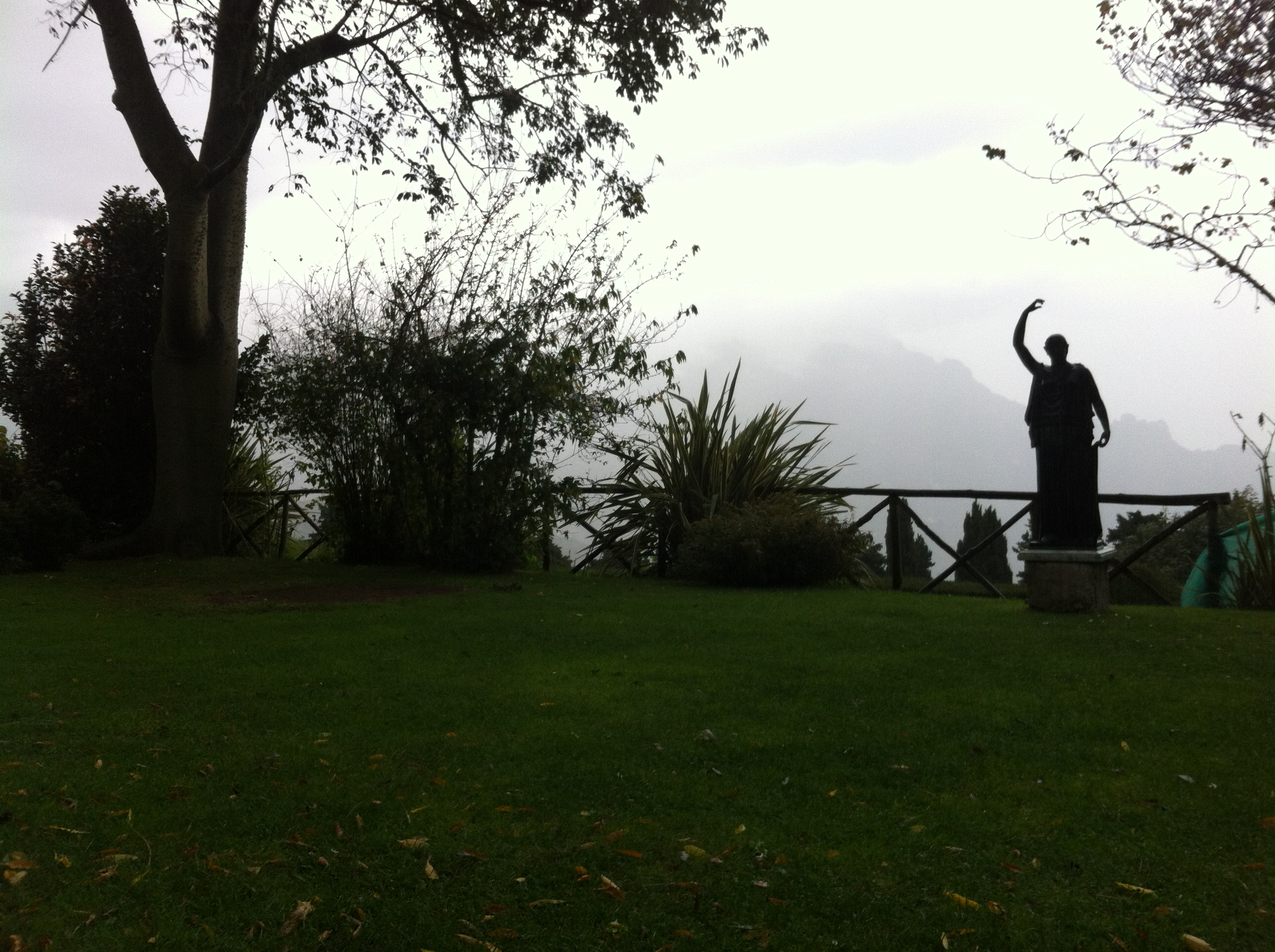
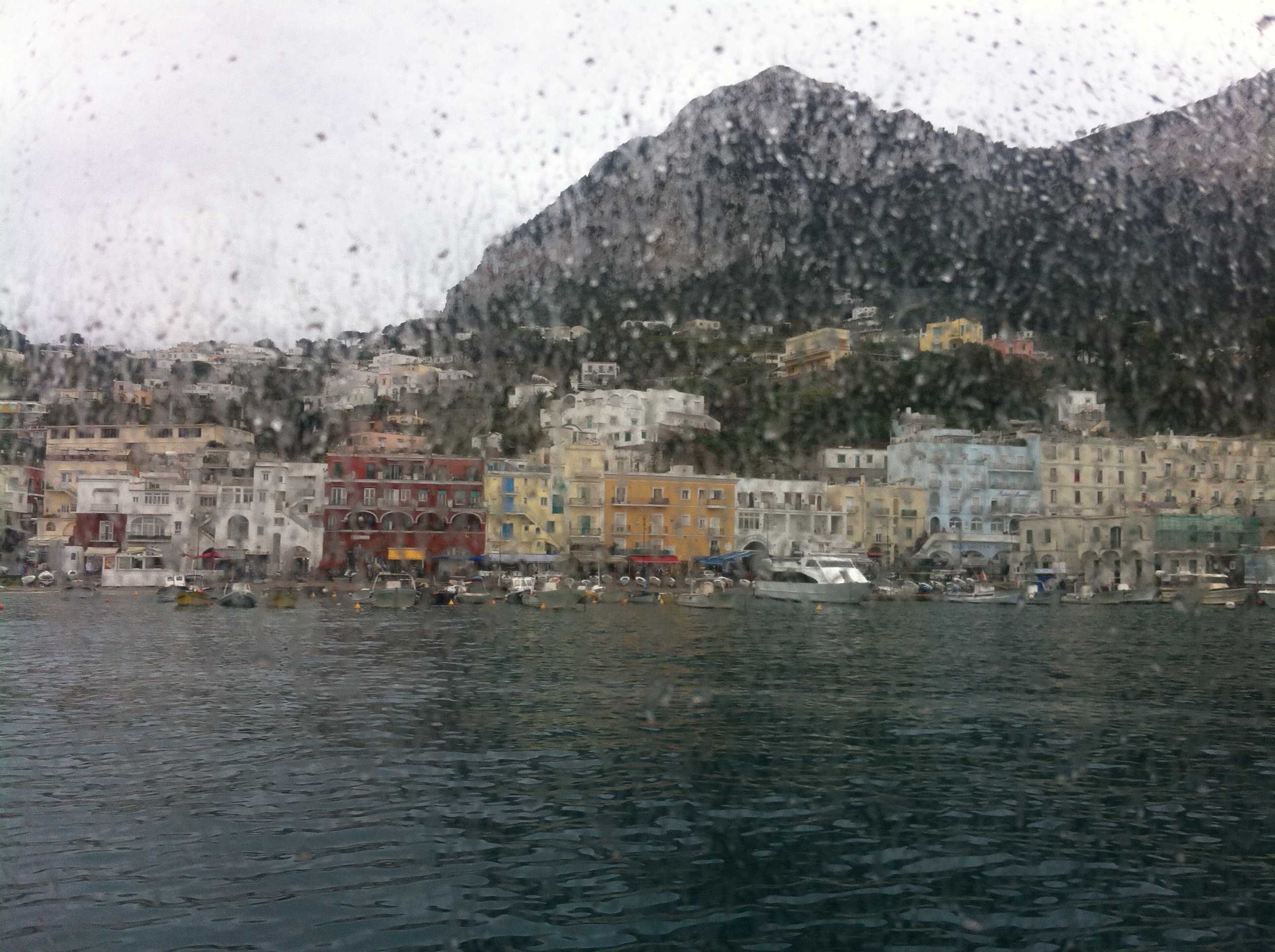
I will get back to writing about this trip, but I was probably overly optimistic to think I’d post a live post every night.  I spent the weekend in Sorrento, the Amalfi coast, and Capri.  It rained and rained and rained.  I made the best of it, I guess.  Rainy days have a beauty of their own. Here are a couple snaps:

amalfi-tower amalfi-view arm-waver rainy-view

I’ve been on Malta for only a couple hours and it was love at first sight. If the election doesn’t go the way I am hoping, I may claim political asylum!

Rome

Greetings from Rome!  I’ve been go, go, going since I hit the ground so here are just a few tips I’d like to pass on before I forget them in swirl of moving around.

  • Go in the off season. It’s November and there are still swarms of tourists here but they surge and disappear like flocks of crows.  I have found myself alone in a room enjoying a Bernini or Caravaggio more than once.
  • When the inevitable moment comes when you are jammed against a wall in a museum packed wall to wall with other tourists, just close your eyes and remember “they’re just like crows; they’ll go away,” instead of screaming, “I’ve gotta get out of here—I’m having a claustrophobia attack!”
  • Buy Dr. Scholl’s gel insoles. The combination of being on your feet for 10 hours a day, with shuffling slowly on marble and streets paved with uneven paving stones, will cause even the fittest feet to ache.  Get gellin’.
  • No matter how much you study the map and read the guides beforehand, expect to get lost—over and over and over. Rome is a hilly city with winding streets and avenues, half of which have no street signs.  Think of it as an adventure.
  • Similar to #4, no matter how prepared you are to see the “Top 10 Sights” according to some guide, be prepared to not be able to figure out how to even get in to the Roman Forum, or arrive at the Coliseum at 3pm to be told “She-a close-a now,” or never find that one thing in the Vatican you wanted to see because you got turned around.
  • Please, for the love of God—and this is a personal favor to me—please don’t buy a selfie stick from one of the hordes of Bangladeshi or Nigerian street vendors and ruin the view of your fellow tourists, not to mention not really seeing any of the sites you came 1,000 miles to see because you’re preening and posing.
  • Learn a little Italian. I didn’t do this and I keep speaking Spanish to them, which many Italians understand but I don’t understand when they respond to me in Spanish with an Italian accent.  Prego—it’s not just a spaghetti sauce.
  • Lastly, Americans, resist the urge to refer to the old Saturday Night Live “Find the Popes in the Pizza” with Father Guido Sarducci. They won’t know what you’re talking about and if they do they’ll laugh charitably then probably roll their eyes once you walk away.

And speaking of priests, yes they are all over the place here. I started a little “Nuns vs. Priests” game of my own but lost count after about a dozen on each side.  About 75% of the nuns appear to be from India, the Philippines, and other developing countries.  The priests, on the other hand, are mostly young and white.  I don’t know what that indicates, but here’s a calendar I bought on the street.

priest-calendar

More about Rome later.  I’m mostly having a great time, although I did have a bit of a good cry in a public garden today.  More about that later.

I’m off to Sorrento tomorrow.

Ciao,

Anna

Desert Contrasts

This is the story of how I wound up in a brothel in Dubai, a series that starts here.

After finishing my meal at the brothel … er, TGI Thursdays, I took a taxi back to the hotel.  I apologized to Toni for yelling at her.  She apologized for calling herself an American.  Wait.  That doesn’t sound right.  You know what I mean.

I told her about the brothel and we shook our heads, imagining the young women in our lives working as prostitutes—or the men in our lives hiring prostitutes.  We talked about the irony that Dubai arrests tourists for making out on the beach, but that under the gaze of the Sheikh you could drink, smoke, and fornicate if you knew how to find the place.  We talked about puritanism, patriarchy, and power dynamics.  We agreed that Dubai wasn’t much different from North America, in that appearance and reality were completely different, like when you read about a child molester and you could bet he would turn out to be a Christian pastor or a Boy Scout leader.  We discussed the socioeconomic conditions and gender imbalances that made sex work the lesser of terrible ways to survive in a tough world.

We had a lot in common after all.  We bonded.  We agreed we didn’t need to spend every moment together.

The next day I took a bus to the Mall of the Emirates.  There was a young woman sitting across from me dressed in jeans, a tight-fitting but long-sleeved T-shirt, and a baseball cap.  The woman sitting behind her wore a full burqa; even the eye opening was covered with black mesh.

The bus route took us out of the old town through the desert.  I could see trailers in the distance—what we would call manufactured or mobile homes in the US.

It’s difficult to build an edifice complex without cheap labor.  These trailers in Dubai were home to the Pakistani, Bangladeshi, Sri Lankan, and other migrant workers who were building skyscrapers and malls for the Sheikh.  I had read about how they were exploited and trapped out in the desert before I’d left Dublin.  The trailers certainly looked desolate.  I wondered how many brothers, fathers, or husbands of the TGI Thursdays women were also making a living in Dubai.

The mall was like any mall in Minnesota.  Not.  It had an indoor ski resort!  It had shops where you could buy every kind of burqa you desired, as long as it was black.

mall-of-uaeburqa-shop

Like an idiot tourist I bought a three-foot-tall hookah pipe with lots of detachable, fragile parts which I then had to lug around with me on the bus, taxi, plane, and the bus in Dublin.  Having my arm in a sling didn’t help.  Take my advice, if you really want a hookah pipe, order it on Amazon.

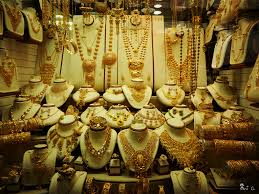
Later that day I wandered around the old part of town near our hotel looking at store after store that sold gold.  Who bought this stuff?

gold

Then I saw a beautiful tunic in a shop window and went in to try it on.  It was a bit big and the proprietor offered to tailor it for me on the spot.  He took the opportunity to fondle me and I thrust his hands away and he just laughed.  He did alter the tunic so I guess we both got what we wanted.  Below is what it looked like, modeled by a woman who actually looks good in it.

salwar-kameez

I bought some stamps at a kiosk so I could sent postcards.

emerati-stamps

I will give them the benefit of the doubt and assume they convey a message about zakat, or charity.

Toni and I went to a farewell banquet in the desert that night, complete with the obligatory camel ride and henna painting of our hands.  The next day, off we went back to Dublin.  Here’s a photo of the men’s and women’s mosques in the Dubai airport.

airport-mosque

I started this series as a way of examining things that can go wrong while traveling.  In one week I will be in Rome.  If nothing goes “wrong” there like it did in Dubai, I’ll be disappointed!