Category Archives: International Development

Despite

Life has been throwing a lot my way lately, or at least throwing a lot at people I love.  I debated whether to write about it, then remembered that the tagline of this blog is “Living well despite what life throws at you.”

It’s one thing to live large when everything is going well, it’s quite another to keep embracing life when things are not so great.

My life is fine, aside from the new upstairs neighbor, who I suspect of making wine late at night (stomp, stomp, stomp!). I have spoken to him and it is better, but I have to wear ear plugs a couple nights a week.  I worry that the people who are renting my condo while I’m in the UK/Europe/Ethiopia this summer will be bothered.

Work has been a pressure cooker; this week I submitted almost $5 million worth of funding applications for projects in Iraq and Ethiopia.  The teams were dispersed around the globe, from Kurdistan to The Gambia, which has only 14% Internet penetration. I do get a buzz out of pulling everything together to meet deadlines, and then I collapse in exhaustion.

On to the people I love: Vince broke up with his girlfriend, and for some reason it hit me hard.  I was so happy that Vince had, for a while, a fun relationship that didn’t involve drugs or alcohol.  But I realized my reaction was partly about me.  A few weeks after I turned 40, my serious boyfriend dumped me.  I wondered if that was it—I would never meet anyone again.  After all, I was 40!  Vince will be 39 this year.  I have no idea if he feels like it’s over—I hope not—but I did.

The thing that’s really thrown me is hearing from Son #2 after a four-year silence.

I wrote a series of seven posts about Vince’s brother, who I gave up for adoption. I’ve never written about how I found him after many attempts and despite Catholic Charities’ best efforts to thwart us both.

I hesitated to write about this, but then—catatonic on the couch after all my proposals were done—I caught an episode of Call the Midwife that had an adoption storyline and I was reminded that the silence and shame that surrounds adoption has got to be broken.

Vince and I met him once, over 15 years ago.  We met at a restaurant; I can’t remember exactly when or where because it was so surreal.

His name was the same as one of my brothers, but I will call him by the name I gave him, Isaac.  He looked a lot like Vince but with different coloring.  I asked if I could give him a hug and he said, “Of course!” and hugged me for a long time.  Several hours of talking passed like seconds.  We hugged goodbye and pledged to stay in touch.

It didn’t’ happen.  Isaac’s adoptive mother was opposed to him meeting me, and he was already going behind her back.  But he and Vince continued to meet up and developed a bond; Vince wrote about it here.  It wasn’t a happy ending, but there’s hope now that Vince is in recovery.

Isaac sent me an email out of the blue about five years ago, with photos of his wife and kids.  My grandchildren, who I’ve never met.  His wife has the same name as my mother.

He said he would like for me to meet them, but then he disappeared again.  I didn’t pursue it him because I didn’t want to be disappointed again.

Isaac wrote to me again last month.

His wife has Multiple Sclerosis.  Severe, aggressive MS that affects her vision, speech, and mobility. He and I have been writing for about a month now, and I am hopeful we can stay in touch this time, but it’s stirring up a lot of regret, resentment, love, and hope.

Flantastic

This is a series of posts about Belize and Guatemala that starts here.

The cave canoeing was great.  We have a lot of caves in St. Paul carved by nature and teenagers out of the limestone cliffs that line the banks of the Mississippi.  Some are large enough that they were used by mobsters as speakeasies during Prohibition.  But limestone is soft, so there are no stalactites or mites or clumps of diamond-like crystals or splotches of yellow and pink mineral deposits that create 40-foot high abstract impressionist-like paintings on the walls, like there were in Belize.

We glided through the darkness as Jose and Alex pointed these things out with their headlamps as though they knew by feel exactly where they were.  Jose had a degree in Geology and, during the school year, taught the subject at the high-school level, so he was a great guide.

It was very peaceful, unless you were afraid of bats, the dark, drowning, or enclosed spaces.

Jose and Alex talked to one another from time to time in Spanish.  When canoes passed going in the other direction, Jose would talk to their guides in the local Belizean Kriol (their spelling).  Then he would effortlessly switch to English to point out some formation to us.  I have always envied this facility with multiple languages. I asked him which languages Belizeans learn, and when.

“English is the official language, so we learn it in school. But we learn Kriol from the cradle, the closer you get to the Guatemalan border, the more people you will find who also speak Spanish.”

Back on dry land, Mike’s wife whipped up a big meal for us, served with the ubiquitous Belizean beer, Belikin.  “You want dessert?” she asked.  Everyone nodded; we hadn’t had dessert the night before.

“What do you think it will be?” someone asked.

“It’ll be flan,” I pronounced confidently.  At that moment Mike’s wife and her helper returned with a dozen servings of flan.  Everyone stared at me.

“I’ve been to Costa Rica and El Salvador, Mexico, Cuba … flan is the standard dessert.  And it’s delicious.”  Most of them had never heard of it.

“Does it contain dairy?” “Is there gluten in it?”  began the questions to Mike’s wife.  Some of us without sensitivities happily ate their servings.

The guy who had read every road sign out loud the day before said, “You sure enjoyed being right about that, didn’t you?”

I’m pretty sure he was irritated not because I had known dessert would be flan, but because I had been so confident.  If I had been a man making such a confident statement, maybe it wouldn’t have been received negatively.  I don’t know.

All I can do is look at my own behavior; I can’t change someone else.  I’m afraid I can sound like a know-it-all.  I didn’t want to be like the guy from Jersey I’d met in Amalfi who spewed out a constant stream of facts. I decided to reign myself in a bit.  After all, what difference did it make if they knew flan was coming ahead of time or were surprised by it?

We drove to the border and began the laborious ritual that goes with land border crossings.  There, I did it again!  I wrote that like I’m an expert.

I’ve only ever done two land border crossings: Crossing from Minnesota into Canada is still pretty easy; you wave your passport at the border agent as you roll past in your car.

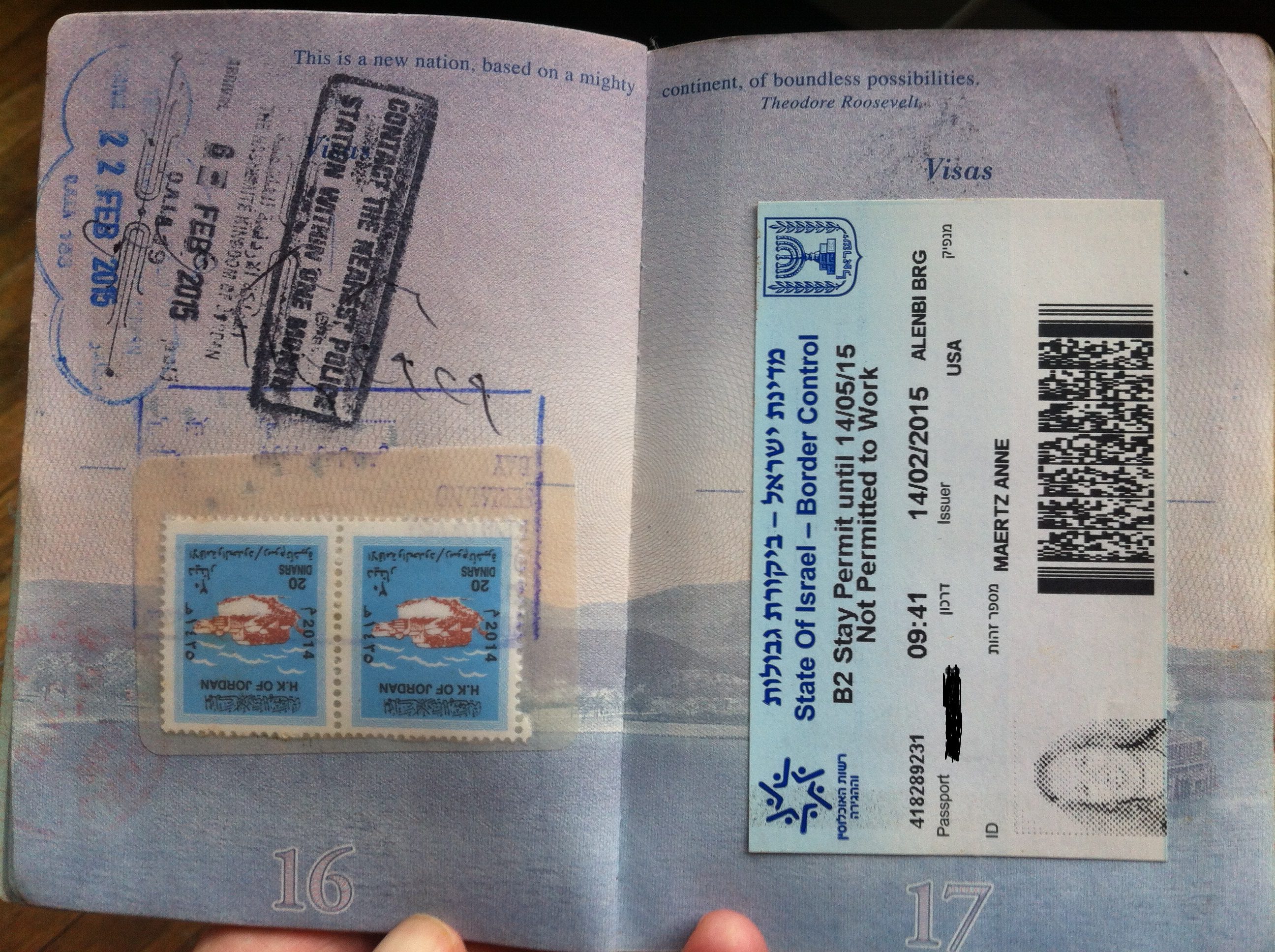
The second was the opposite, when I crossed from Jordan into the Occupied Palestinian Territories/Israel over the Allenby Bridge.  This was complicated by me being with a Palestinian colleague who had an extensive arrest record.

As far as I knew, none of us had records that would land us in a Guatemalan prison.  The agents weren’t rude or suspicious, just very, very slow.  Mark had researched the process as much as he could without actually going through it.  He handed over an envelope full of US 20s, then we stood in lines for an hour to have our passports manhandled and stamped.  That was the exit from Belize, next we had to get into Guatemala.

No Way Out

This is a series of posts about Belize and Guatemala that starts here.

Mike’s Place is a tourist complex where we would go kayaking or canoeing—it wasn’t  clear—in caves. Mike’s also featured “zip lining, hiking/swimming/rock climbing, food/drink/picnic/BBQ, and Wifi.”

Wifi, in case you wanted to watch a movie set in a jungle after hiking through a jungle.

Mike’s had been founded by a Canadian guy named Mike.  Here is a picture of him when he arrived in Belize.

Mike no longer looked like this.  He had probably partaken of a lot more food/drink/picnic/BBQ than hiking/swimming/rock climbing.  But never mind, he had a beautiful Belizean wife about 30 years younger than him.  She did the cooking and serving, and she seemed to adore Mike.

After 30 minutes of milling about, discussing vital questions such as “Should I bring a water bottle into the cave?” “Are there bats in the cave?” “Is there a place to go to the bathroom in the cave?” Jose our guide finally corralled us at the water’s edge and gave us a five-minute background on the history, geology, and safety concerns of canoeing in caves.

I live in Minnesota so I have done a lot of canoeing on rivers, in lakes, and in wilderness areas near the Canadian border.  I know how to steer; it’s really simple.  But I had no idea what to expect of canoeing in a cave. I had questions too, but I kept my mouth shut in hopes we would get going sooner and just find out once we were in inside what was involved. Would the water be calm or would there be currents?  How deep would it be?

These questions were not answered on the Wilderness Adventure website, and that’s okay—I don’t want to know everything in advance or it wouldn’t have been an adventure. When Mark and I had talked on the phone he hadn’t known anything about the canoeing either, since he had never been to Belize.  The packing list had recommended water gear as though it would be a serious canoe trip, and I had jettisoned mine after moving twice in three months the previous year.  I had gone shopping for water shoes and water-repellant clothes, none of which are cheap or findable in second-hand stores.  I browsed the water shoes and dropped them like they were red hot when I saw the price tags.  In the end, I brought some cheap Sketchers sandals I found at TJ Maxx.  Worst case scenario, I would throw them away if this canoe adventure turned out to be rigorous.

It was extremely tame.  They made us wear life jackets and helmets—because it was a cave with some low hanging outcrops—but we never paddled faster than two miles per hour.

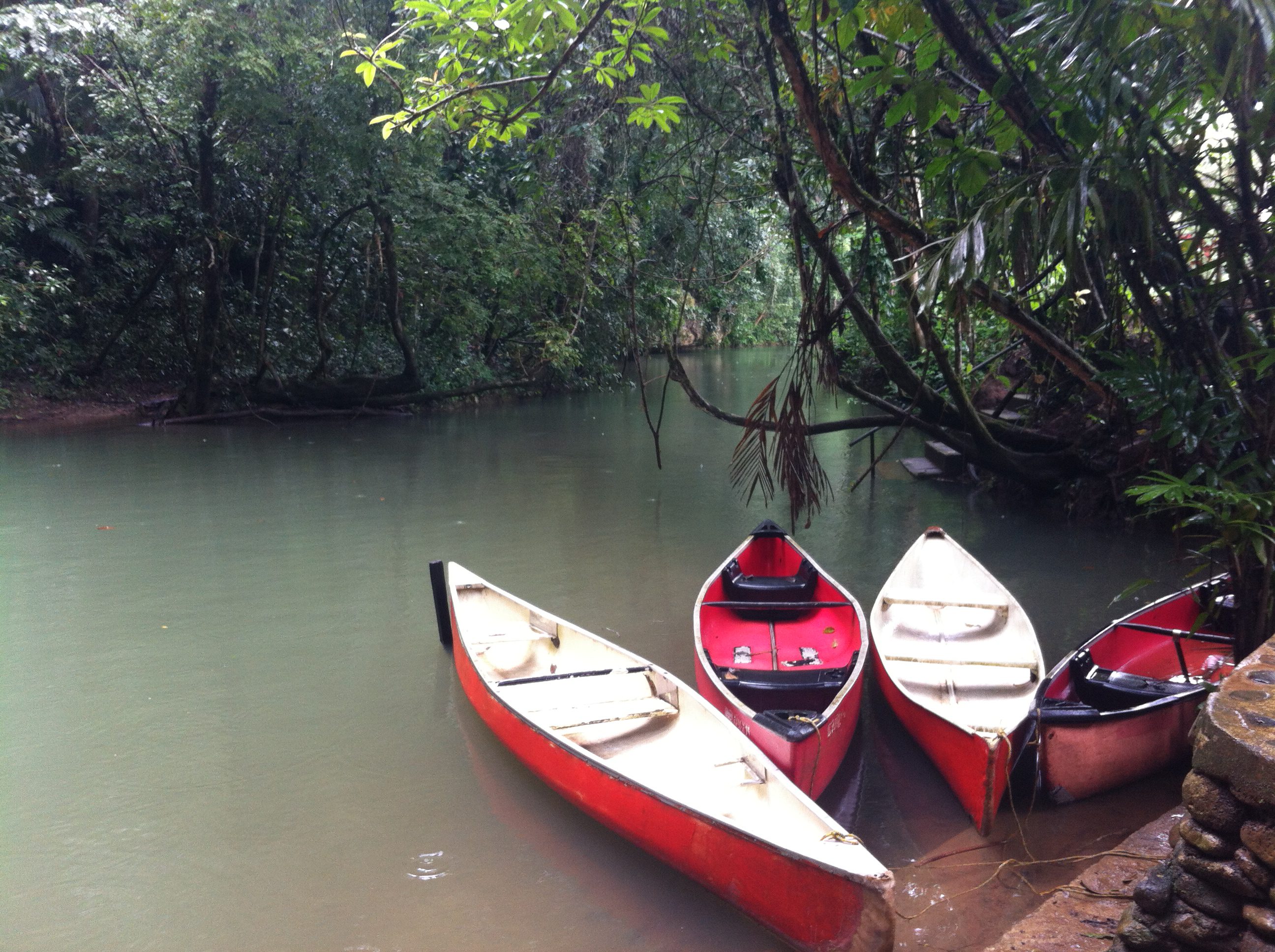
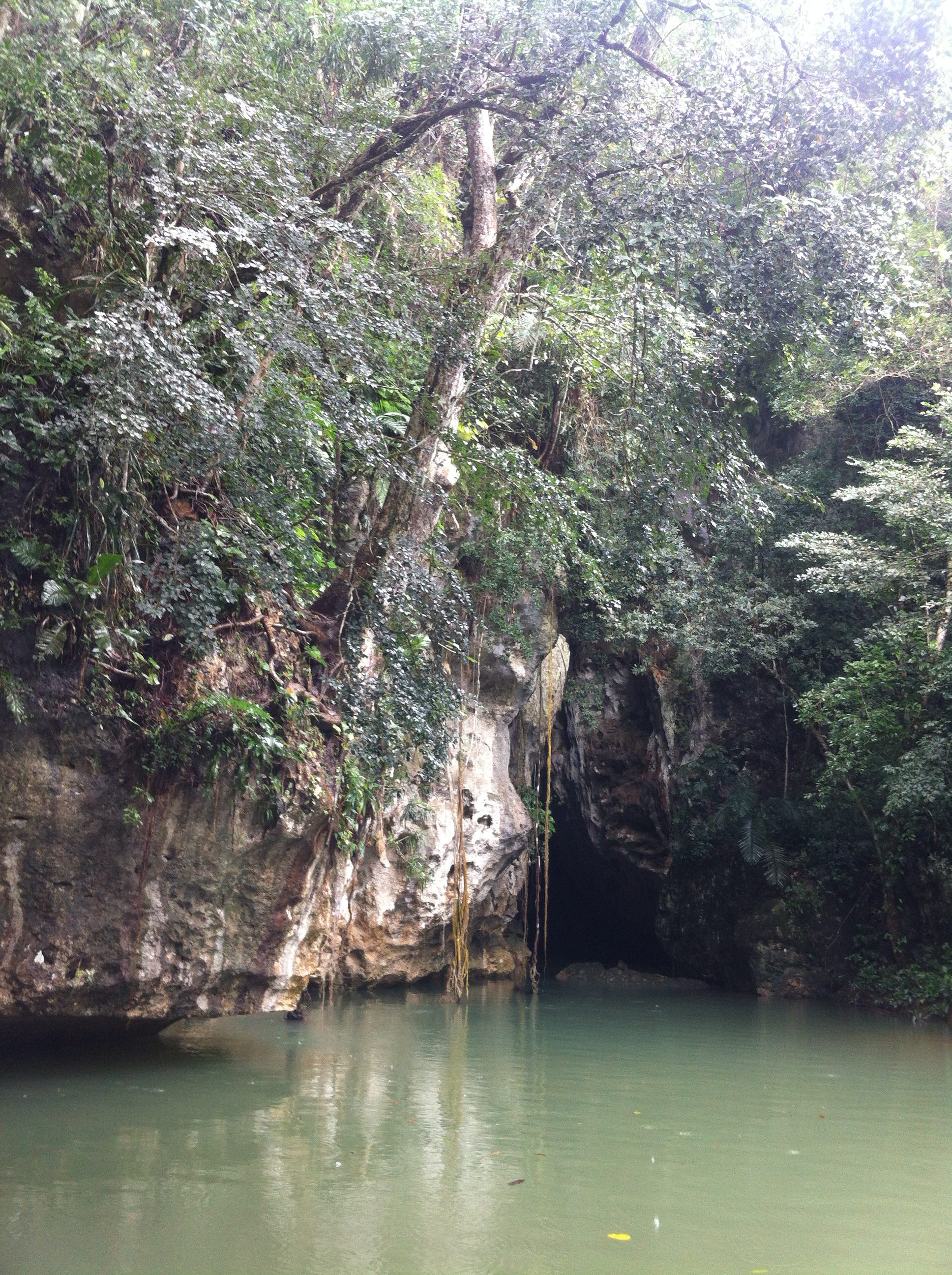
Here is the cave entrance and the canoes.

As we paddled into the silent cave, the hooting of a barn owl that sat in a niche high above the entrance echoed in the darkness, which closed on us as soon as we were a few meters in.

A second guide, Alex, had been called in from his Sunday off because Mike hadn’t been expecting our group.  We drifted along at a leisurely pace, looking at the formations and ancient pots left by the Maya (maybe).  We paddled about a mile into the interior, and I asked Alex about his life.

He was 25 and from El Salvador, from whence his family had fled during the civil war.  He lived with his mother; his father had gone north to California, where he had a successful business.  Alex’s siblings had followed his father one by one and wanted him to join them.  He hadn’t seen his father in over 20 years.  He had no future in Belize.  But he was the youngest child, and his mother wanted to stay in Belize.

“Last month,” he said, “My father got me a visa and I was prepared to go.  But I just couldn’t leave my mother.”

I groaned internally.  Donald Trump had just issued a decree ordering the number of refugees admitted to the US in 2017 be cut in half.  Alex had probably missed his last chance.

Getting Along

This is a series of posts about Belize and Guatemala that starts here.

Finally, we were all squished into the van and Mark pulled out of the airport parking lot with Jesse in the passenger seat holding a map on his lap. I had expected Mark to use Google maps on his phone or at least a GPS, but he only ever consulted paper maps—and I have to say it made the journey feel more adventurous.

If this had been the USA, or Germany, we would have made our destination in an hour.  But this was Belize, and once we got away from Belize City, the roads were so bad we could only go about 25 miles per hour.

I had experienced bad roads in El Salvador and Costa Rica, but I hadn’t been to Latin America for a decade and I realized I’d expected conditions had improved.  They hadn’t, at least not in Belize.

The houses and other buildings were either half built or half falling apart.  Every surface was faded, rusted, crooked, or flaking.

How can I describe the roads?  The word Horrendous fits.  We have potholes in Minnesota due to the freezing and thawing in winter.  They have potholes because the roads just aren’t paved, or they get washed out during the rainy season.  There’s probably no money to maintain them, and corrupt contractors likely factor in, too.

Mark wove around as much as he could to avoid the craters, but that only added swerving motion to the up and down lurching and the side-to-side swaying.  It was like being on a boat in choppy water.

I had foolishly obeyed Mark’s first request for us to get in the van, so I was belted into the far back seat where the motion was worst.

Why is it that people feel compelled to read signs out loud?  A certain person I was sitting announced, “Rosa’s Tienda,” as we passed Rosa’s Tienda.  “Belmopan, 45,” he read as we passed that sign.  “Entering Cayo District,” as (you guessed it) we entered Cayo District.

And so on.

After an hour I turned to him and yelled, “Shut the fuck up!  We can all read!”

No, of course I didn’t. I did it in my head.  I’d like to say I found a direct but kind way to tell him to stop reading every sign, but this was only Day One.  I would be spending many hours in the van with these people.  If I blew my cool right away maybe they would turn against me and shun me.  That would really be a vacation buzz kill.

Later I learned that others had been having the same thoughts. Maybe someone had a word with him, because after the first day it stopped.

We jostled and bounced along the Western Highway, past the Hummingbird Highway to Roaring Creek, the charmingly spelled “Camolote”—a misspelling of Camelot?  I felt heart burn coming on.  I never get heart burn, but I suppose the van ride was doing to my digestive system what shaking does to a bottle of soda.

We passed misty mountains and clear-cut forests.  We passed the towns of Tea Kettle, Ontario Village, Mount Hope, Unitedville, Santa Elena, and finally arrived in San Ignacio, the last town before we turned off for the Crystal Paradise. None too soon, we went into a store to buy snacks, and I quickly got back in the van in the front row.  Much better.  Everyone agreed we would rotate seats, which was very civilized.

We drove around in circles looking for the turnoff until Mark stopped and asked some loitering teenagers if they know where it was.  They did—it was right before the Pepe Sanchez Insurance Agency.

After an early morning flight, a tense standoff at border control, and five hours on the road, we pulled up to the Crystal Paradise at dusk.  We were finally, really “in” Belize.

It really was paradise, at least for this Minnesotan who had left behind snow and cold.

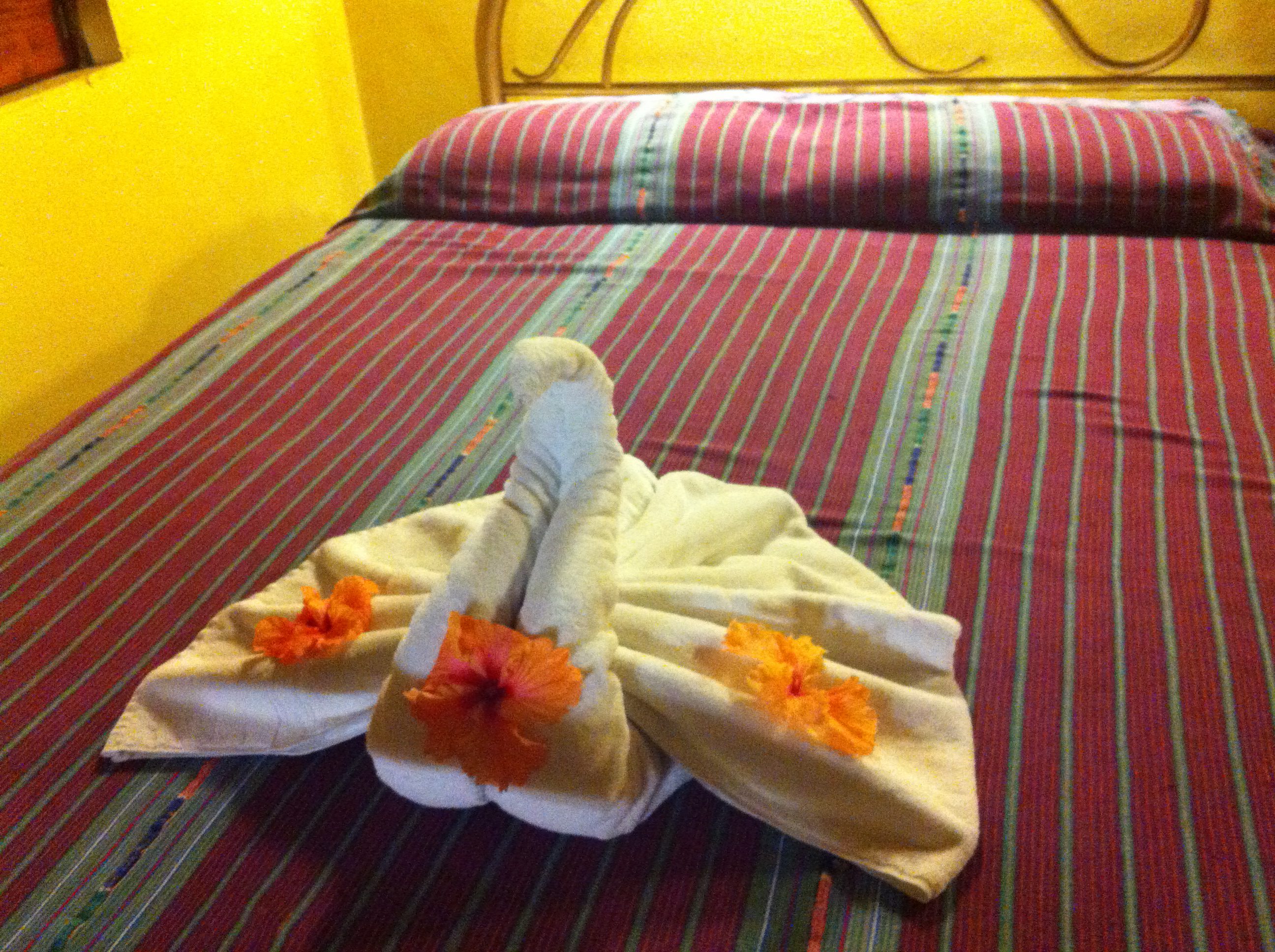
Liz and I were sharing a room and we oohed and ahed over these swan creations, then fell face first onto our beds for a nap.

The People

This is a series of posts about Belize and Guatemala that starts here.

Here’s the demographic run down on who was on this trip in Belize. There was Mark, who I’ve introduced as the trip leader, who was probably 28 years old.  He had a man bun, wore braided leather bracelets, and had very, very dark brown eyes.  A few times I found him staring intensely at me, like he was trying to read my mind, but then I realized he was just spaced out.

This is where it gets tricky.  I’ve used Mark’s real name because he’s on the Wilderness Inquiry website so you could figure out who he was if you had nothing better to do.

I’ve changed everyone else’s names.  I told the group I write a travel blog and that I would be writing about the trip, including about them. After all, isn’t it often the people you meet that make the most interesting stories?

When I whipped out my notebook to jot down place names and such, people would ask, “Is that for your blog?” and I would answer yes.  None of them asked how to get to the blog, but if any of them ever find their way here I wouldn’t want them to feel trashed.  We were all being ourselves, even if some of our selves were more irritating than others.

Even though I write things down, this blog would never pass a fact-checker’s muster.  So you can take the following as generally correct information.

Our group ranged from 45 to 75 years old, so I wonder if Mark felt like a baby boomer baby sitter.  There were two married couples from Minnesota. Inga’s family was Latvian and she had lived there before moving to the Pacific Northwest where she met Jesse, who was Native American and worked for some tribal concern.  They had moved to Minnesota when he got a job at a big foundation.  That had ended now, so they were in a life stage of trying to decide what next.

Mike and Joan were suburbanites and newly empty nesters.  They had a daughter with autism, and it had been an exhausting journey helping her to become independent. They were “reconnecting,” as they put it, on this trip.  Mike did something in IT and Joan was a stay-at-home mom.

There were two married people whose spouses would have hated this kind of travel.  Bugs?  Heat?  Hiking?  No way!  So they came by themselves.

Stan was a soft-spoken retired postal worker from Pittsburgh.  “I’m taking my wife on one of those Viking River Cruises in Europe next fall,” he told us.  “That’s her kind of travel—white linen table clothes, shopping, and museums.”

Stacy was a retired band teacher from New Jersey.  She and I were both Jewish, and we joked how about how it’s unusual to have 20% Jewish representation on a tour.

The last member of the group was a never-married woman my age named Liz.  She was from Columbus, Ohio and had worked in the mortgage department at a giant bank for 30 years.

So that was us—pretty homogeneous—mostly white, middle class, and middle aged.  When you think about it, it’s people like us who have the time and funds to do things like this.

Trudy’s interpreter, Emily, was the youngest among us at 45.  She lived a few blocks from me, was married to a guy from Zanzibar, and had four kids.

If you’ve ever been on a group trip, maybe you’ve experienced this—you are immediately drawn to one person, feel repelled by another, feel neutral about a third, and so on.  Emily and I hit it off right away, probably because we had both lived abroad.  While others on the trip had traveled internationally, there’s a big difference between that and living or working abroad.

Which brings me to some current news: I’m going to Ethiopia for work!  I’ve always wanted to write a sentence like that, and now I can.  It will be sometime in the next six weeks, so on top of planning my three months in Europe and the UK, this will give me writing fodder for years.

No Entry

This is a series of posts about Belize and Guatemala that starts here.

I was on the plane ready to take off for my big wilderness adventure.

After the gate agents’ repeated threats, no one’s carry on was taken away to the hold.  I settled into my seat with the New York Times crossword puzzle, relieved to be seated next to an elderly couple who were reading paper books.  Hurrah!  No screens in my face or endless cha-Cha-cha-Cha of someone’s music leaking out of their ear buds.

I had grabbed a couple extra newspapers at work and kept out a Sunday edition, which I expected to absorb my attention all the way to Belize City.  In case you aren’t a crossword geek, the NYT puzzles get harder as the week progresses. Saturday is the hardest, but Sunday is super sized and also very difficult.  I had been pretty pleased with myself when I’d managed to finish it the previous Sunday.

Oh. No.  I somehow now had last week’s puzzle—the one I’d already solved. I must have picked up a duplicate version at work by mistake.

“Ooh, Sunday,” commented the man next to me.  I didn’t tell him I’d already solved it.  I filled it in at lighting speed and I could feel him looking over surreptitiously; probably thinking I was a genius.  Well, let someone think that, for once, I thought.

Done with the crossword in 15 minutes.  Two hours to kill with nothing to read but the in-flight magazine, which featured a story about John Legend. I had heard of him, and I didn’t even know why because I couldn’t name any of his songs.

I glanced across the aisle and the man sitting one row ahead of me was readying pie charts for a presentation of … a merger? … of two companies called Dermocell and Norodaq.  Undoubtedly they make pharmaceuticals for problems I don’t know I have yet.  His wife and kids were sitting next to and across the aisle from him and kept interrupting him to ask him questions.  I wondered where they were going—it was too early for spring break.  Maybe he was taking them along on a business trip that happened to be taking place in Orlando.  He seemed utterly uninterested in anything but his pie charts.

The flight attendants came by to offer snacks and drinks.  I could hear the closest one six rows away, “Coffee, tea, soft drinks?  Pretzels, nuts, yogurt balls?”

Yogurt balls?  They had said something during the announcements about “exciting new snacks.” These must be them—I started to feel excited.  Yogurt balls sounded intriguing.  She progressed excruciatingly slowly down the aisle, repeating her snack and drink mantra.

Finally, I got to request my usual Diet Coke and … yogurt balls.  She looked at me funny but handed it over. It was just a yogurt bar!  Then I heard her answering another passenger’s question after she’d moved on, and realized she had an eastern European accent which rendered “bars” as “balls.”

Still, yogurt bars made a nice change from nuts and pretzels.  Nature Box was the brand.  I looked at the ingredient list, which took up most of the wrapper.

Rolled Oats, Organic Brown Rice Syrup, Greek Yogurt Flavored Coating (sugar, palm kernel oil, nonfat dry milk, Greek yogurt powder [nonfat milk solids, cultures, lactic acid, natural flavor], lactic acid, soy lecithin, natural flavor), Rice Crisps (rice flour, rice bran, raisin juice concentrate, honey, salt), Chicory Root Fiber, Organic Cane Sugar, Almonds, Glycerin, Sunflower Seeds, Apples, High Oleic Sunflower Oil, Cinnamon, Natural Flavor, Sea Salt.

For Christ’s sake!  Six sweeteners?

Anne, you will not be a purist.  You are on vacation, I told myself.

It was delicious.

Sun! Heat!  We walked down the wobbly stairs from the plane, crossed the tarmac, and joined the long immigration line.  Fortunately there was reading material to keep us occupied, in the form of warnings about Zika and Chikungunya.

At the glass booth, the usual serious-faced border agent asked, “What’s the address of your hotel?”

“I’m with a tour,” I said. “The leader has the address.”

“No entry without an address,” she huffed, and turned to the next person.

Gatekeepers

This is a series of posts about Belize and Guatemala that starts here.

Waiting in the gate area for my flight to Belize. Why do people crowd around the jet way entrance as soon as the boarding announcements begin? It takes at least half an hour to board everyone, and once you’re in the jet way you stand in line anyway.  Then you stand in the aisle of the plane til you can reach your seat, so what was the rush?

But crowd everyone did, except me and a few other hangers back.  Maybe people thought the announcements would sound clearer if they got closer.  Why is it that airlines can propel a million-pound vehicle through the air but they can’t invent a PA system that’s as clear as a MacDonald’s drive through?

A group of military personnel stood patiently as tourists in flip flops and shorts shoved in front of them.

Ah, now I could make out part of the announcement.  They were asking for volunteers to give up their seats and take a later flight because the plane was “very full.”  You mean, overbooked, don’t you? I thought.

I used to work for a consulting firm that analyzed the data of applicants to private colleges.  Using an algorithm with 400 data points, we would sift and sort and make recommendations.  If you were poor but your test scores were high and would bring some kind of diversity to the student body and you played the marimba, you might be offered a $50,000 scholarship toward the $60,000 annual cost of attendance.  If you were dumb but lived in the Connecticut zip code with America’s highest per capita income, they might give you a President’s Scholarship of $2,000 to flatter and lure you in.

The two principals of the firm traveled extensively to visit our clients.  College enrollment, explained one of them, shared similarities to how airlines filled seats.

“Everyone on a plane has paid a different price,” he said grumpily, which was how he said everything. “I might have paid $850 to go to Sioux Falls while the guy sitting next to me paid $500.  They’ve got my travel history, they know how much I was willing to pay in the past, they probably know how much I paid for the house in Georgetown and my condo on Summit and my Volvo, so I’m fucked.”  He had done very, very well in the college admissions consulting business.

So knowing how sophisticated it all is, you have to wonder whether, when an airline overbooks, is it intentional and if so, what’s the point?

I didn’t pay enough attention to see if anyone gave up a seat.  Next they announced that most everyone would have to check their carry ons.  What the hell?  Is this because of the jerks who are trying to game the system with their one “extra carry on item?”  That used to mean a handbag or a laptop case, but now people are testing the limits and bringing purses the size of Labradors, in addition to their actual carry on.

“We’d like to thank the US service members who are flying with us today,” was the next, pretty-clear announcement, “and invite them to board first.”

The people who had shoved past these military members now turned and smiled and thanked them for their service. Some people applauded.  The soldiers looked uncomfortable and made a beeline for the gate.

I would like to think that Delta and my fellow passengers were sincerely appreciative of these military members’ service. But we’re all so detached from the wars—er, conflicts—in which we’re involved. It’s easy elbow past them in line, then give lip service to “honoring our veterans” five minutes later without much thought about what they’ve witnessed.

I interviewed a young veteran last year.  She had been on gate duty at a US compound in Afghanistan, and she told of having to turn away a desperate father who came seeking medical care for his small son, who he was carrying.  She started crying. “Maybe you should keep working at The Gap for a while,” I said gently. “Maybe it’s too soon to work with torture survivors.”

Kaukokaipuu

I don’t normally promote travel services, hotels, etc., but I would like to make a plug for a travel agency I used to book my flight to the UK.

You are probably thinking, “A travel agent?  Didn’t they go out with video tapes and big hair bands?”  That’s what I thought, too.  Everything is online, right?  Expedia, Orbitz, Kayak; there’s no need to pay someone to find your cheap flight.

But a coworker told me how an agent had saved him about $500 on a flight to Japan.  The agent and I went back and forth.  This was London, not Japan, so the savings were only about $50, but still—that’s $50 more I’ll have to pay for fun stuff.  If you’ve got an upcoming trip, feel free to contact Caroline at caroline.b@airconcierge.com and tell her Anne sent you.

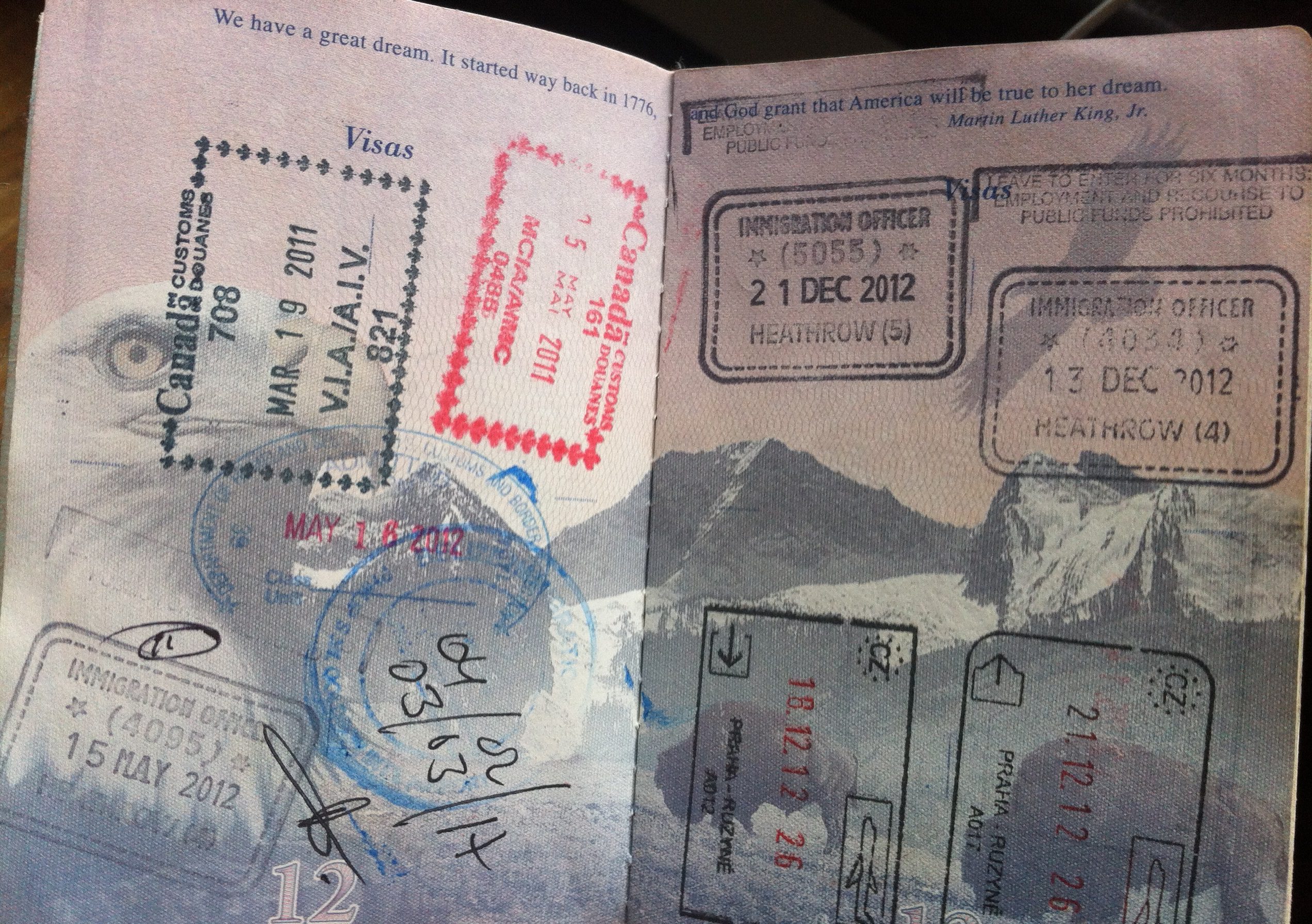
I’m renewing my passport.  I always find it difficult to put the old one in the mail.  What if it gets lost?

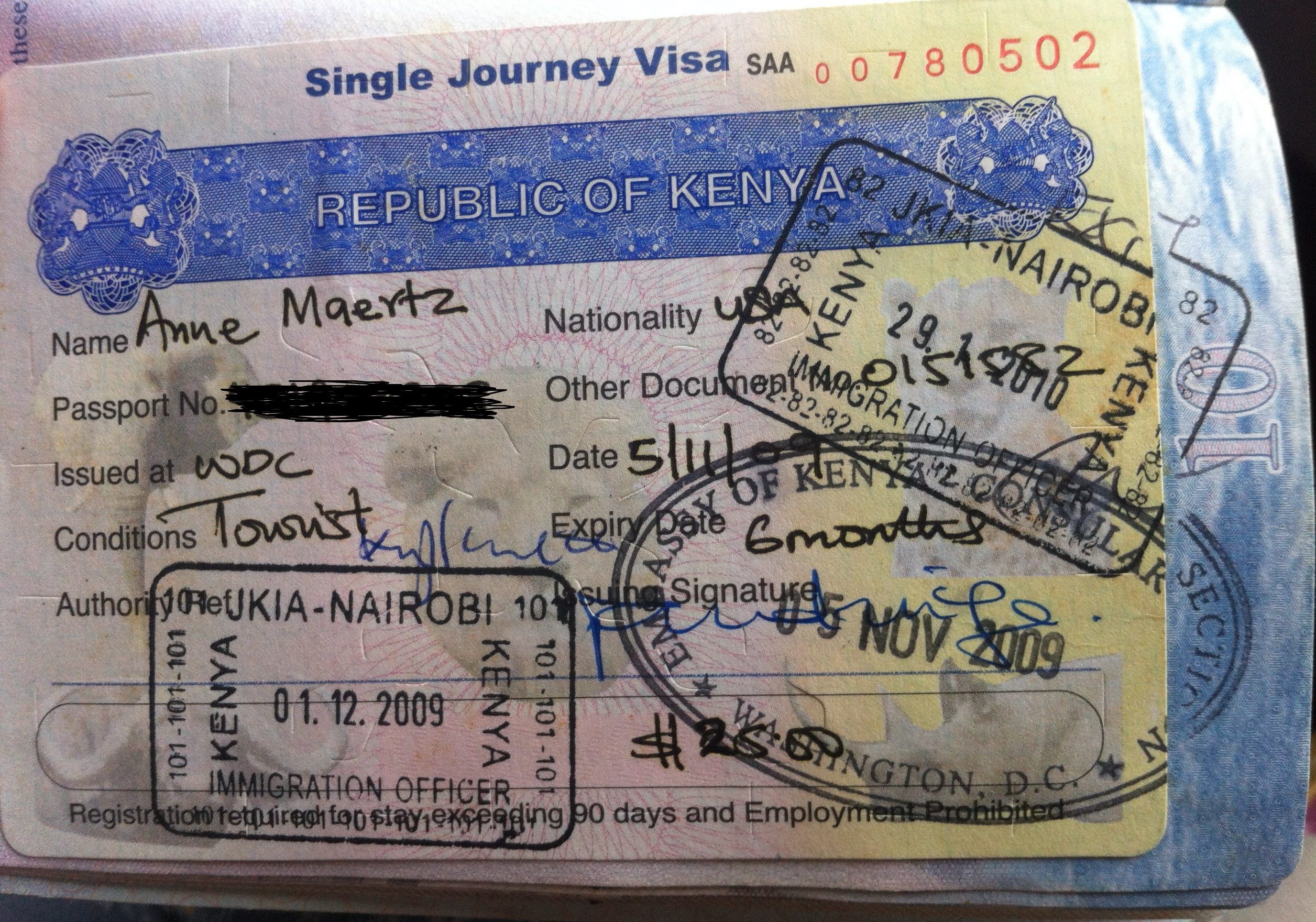
I once worked in the HR department of a certain international organization, so I know how precarious it can get.  I would have to get a transit visa, for instance, for a Canadian public health nurse who was coming to the UK for orientation before traveling on to work in Kenya, via Dubai. She would mail her passport and extra photos.  I would fill out the paperwork, stuff everything in an envelope, courier it to London, and hope for the best.  If all went well, the courier would return with a transit visa and I would mail everything back to the new employee in Canada well in advance of her travels.  There were a few close calls, but the Home Office always came through.

Sometimes when we had leftover passport photos, we would talk about who we thought would make good-looking couples.  Coworkers who had been there a long time accumulated drawers full of photos, so we strung them together and used them to festoon our cubes.  This is probably not something we should have done, so shhhh….don’t tell anyone.

I went to Walmart to get new passport photos.  I hate Walmart, but you can’t beat their price of $7.50.  I was relieved when I compared my pics from 10 years ago to today; I didn’t think my face hadn’t aged more than 10 years.  I accept that I’m aging, but I don’t want to look older than I am.

I reminisced over the places I’d been in 10 years: multiple times to the UK.  Jordan, Israel, and the Occupied Palestinian Territories.  Kenya, Dubai.  Guatemala, Belize. France, Germany, Italy, Malta, Spain.

I talked to my sister and told her I was thinking of summering in the UK.

Our mother and her husband were planning a move to a senior apartment building in April.

“I feel like it’s a good time to do something like this,” I told Connie. “Mom and Jim will be safely ensconced where they’ll have transportation and help if they need it.  Vince is out of prison.  You’re in the clear.”  Connie almost died of colon cancer two years ago.  She had just had her semi-annual battery of tests and been told she was cancer free.

“Yeah,” she replied, “By the way, I was over there today and they’re now saying they’ll wait to move until June.  They want to enjoy one more spring in their house.”

“What!?” I asked, “Do they realize they’ve signed a lease and they’ll have to pay rent for an empty apartment for month?”  Yes, she said, they knew that.

“I guess I can stick around through June, to make sure they’re all settled,” I said. “My remote work request isn’t official yet.”

No,” Connie replied, “Go—you should go.  If it’s one thing I learned from thinking I was going to die within days, it’s that you have to live now.  So go.”

A friend who is an artist gave me a handmade birthday card that said Kaukokaipuu on the cover.  It’s a Finnish word which means “craving for a distant land.”

I’ve always craved distant lands, but since Connie’s illness, Angus’ death, my mother’s frailty, and my son’s stint in prison, I’m feeling Kaukokaipuu on steroids.

Windsor Bound

I’m at a writing crossroads, having written 65 posts about my trip to Italy, Spain, and Malta.  Next up, Belize and Guatemala.  But first, some exciting news. I’m going to spend the summer in the UK.  Yes, the whole of June, July, and August!

It all sprouted, as many trips do, from something completely unrelated.

I learned that the guy I dated when I lived in the UK 10 years ago had died of cancer.  I’ll call him Angus.  He was only 55.  He was a Yorkshire man, so he had a great accent, and he was a maths teacher at the Jewish Free School in London, the largest Jewish high school outside of Israel.  He and my friend Sam were friends, and Sam introduced us.  We hadn’t been in touch for years; our relationship had been fun but not serious and we knew we’d never be able to live on the same continent due to visa issues.  He was such a crusty but sweet guy, if you can imagine those two characteristics in one person.

I was exchanging emails about Angus with Sam, who is originally from Bemidji, Minnesota.  And then he mailed and asked if I would like to house sit for him while he and his family are back in Minnesota for the month of July.  Sam teaches at Eton, the posh boarding school for boys founded in 1440 by Henry VI.  Sam lives in nearby Windsor, just west of London.

Of course I had to think about it—not.

I said yes, then got to thinking … why not take Lynn up on her invitation to let me to stay with her and Richard in Scotland?  August is a good month for weather up there.  And as long as I’m over there, why not try to get permission to work remotely, cut down to 80% time, stay the whole summer, and travel around on my time off? I could get to Croatia or Munich for a long weekend on cheap Ryanair flights.

I started making lists.  I could rent out my condo. What about my plants?  Could I invite a friend to visit me in Windsor?  Ask Sam.  Where would I stay in June—could I rent a canal boat on the Thames?  How close is Windsor to Highcleer Castle, where Downton Abbey was filmed?  Forward mail to Vince.  Cancel newspaper.  Would I store my car?  Put in remote work request.

Late Friday afternoon, I impulsively went on Craig’s List and contacted the first advertiser I found.  A couple from Minneapolis who retired to Florida wanted to be in the Twin Cities for the summer to visit their children and grandchildren.  I killed myself cleaning and arranging things on Saturday so I could take alluring photos of the condo.  We exchanged a lot of emails, and one of their daughters came by on Sunday to see the place.  They wanted in, and my condo association management company would manage the rental so I wouldn’t have to deal with an overflowing toilet from Scotland. With a renter I wouldn’t make a profit, but I wouldn’t lose money.  Everything was perfect!

Except, I didn’t yet have permission to work remotely.  That’s when the What Ifs set in.  We have lots of people who work remotely. But what if I was the first person my employer said no to?   Would I file a grievance?  That would be awful.  I could ask for an unpaid leave for the summer—would they grant it?  Could I afford that?  What if they said no to that?  Would I quit?  I can’t afford to quit!  I would have to tell the renters the deal was off.  And around and around my mind raced.

In the back of my mind, I think I knew all would be well.  Looking at the facts, there was no reason my employer would allow other people to work remotely—from North Carolina, South Africa, Los Angeles, Arizona, Italy, Colorado.  But the mind wants to be in charge.  My mind wanted to have answers, to have certainty, even if that meant a no.

My request was granted–no drama!–so away I go.

Back to Reality

This is the final post in a series about Italy, Malta, and Spain that starts here.

Our last night in Toledo.  We had dinner at a restaurant called Dehera d’ Majazul.  I don’t know what that name means but it sounded nice.  The food was unremarkable, but the waitress was memorable.  She looked to be about 18, she was very pregnant, and she had eyes tattooed on the insides of her forearms.  She spoke no English and I found myself looking at the eyes on her arms instead of the ones on her face as I tried to make conversation.

Not for the first time, I had assumed a person with tattoos would be rough and hard.  But she was sweet.  This was her first baby, she was very excited, and no, it wasn’t hard working on her feet.  Well, she was a baby herself, like I was when I had Vince. You can do anything when you’re 18.

The Toledo train station may have been the most ornate building we saw in all of Spain.  Here are a few photos to give you an idea.  I’ve got a a new camera in the works, so you won’t have to wince at my shitty photos much longer.

They screened our bags before letting us onto the platform, but the bored “guard” couldn’t have been bothered to look at the monitor. Really, what is the point of making passengers line up and hoist our bags onto and off of a conveyor belt?  I guess it was all for show.  Some politician in Madrid can say, “We take security very seriously.”

You would think the Spaniards, of all people, really would take it seriously, since Madrid trains were the target of terrorist bombings in 2005 that killed nearly 200 people and injured 2,000.

The arrived in Madrid in half an hour, and it was like going through a portal to another world.  We left behind dark, cramped, steeped-in-medieval-history Toledo for the sprawling, brightly colored high-rise apartment buildings that run for miles before you enter Madrid itself.

Naturally, the taxi stand was on the opposite side of the station, across a treacherously busy thoroughfare, and there were no signs for it.  We asked strangers until we found it.  The driver didn’t know how to find the hotel.  It wasn’t in his GPS and he seemed to have lost his map-reading skills—if he had ever had them—since like our waitress he also appeared to be 18.  He asked if we knew how to get there and handed us the map.  Lynn and I rolled our eyes at each other.

Eventually, after much muttering of mierda! and puta madre! we arrived at our hotel, a functional place near the airport.  It was only 5:00, so the bar and restaurant weren’t open.

We decided to go for a wander around the neighborhood, because unlike most airport hotels which are in deserted warehouse areas, this one was set in a regular neighborhood.

I quickly spotted a pair of blue velvet pants in a shop window.  “I’ve got to have those!” I exclaimed, pulling the door open.  “I’ve always wanted a pair of blue velvet pants.”

“Oh please,” Lynn shuddered, “Don’t say pants!”  Because pants, of course, means underpants to an English person.  It was a Chinese shop full of the cheapest, tawdriest clothes you’ve ever seen.  I loved it!

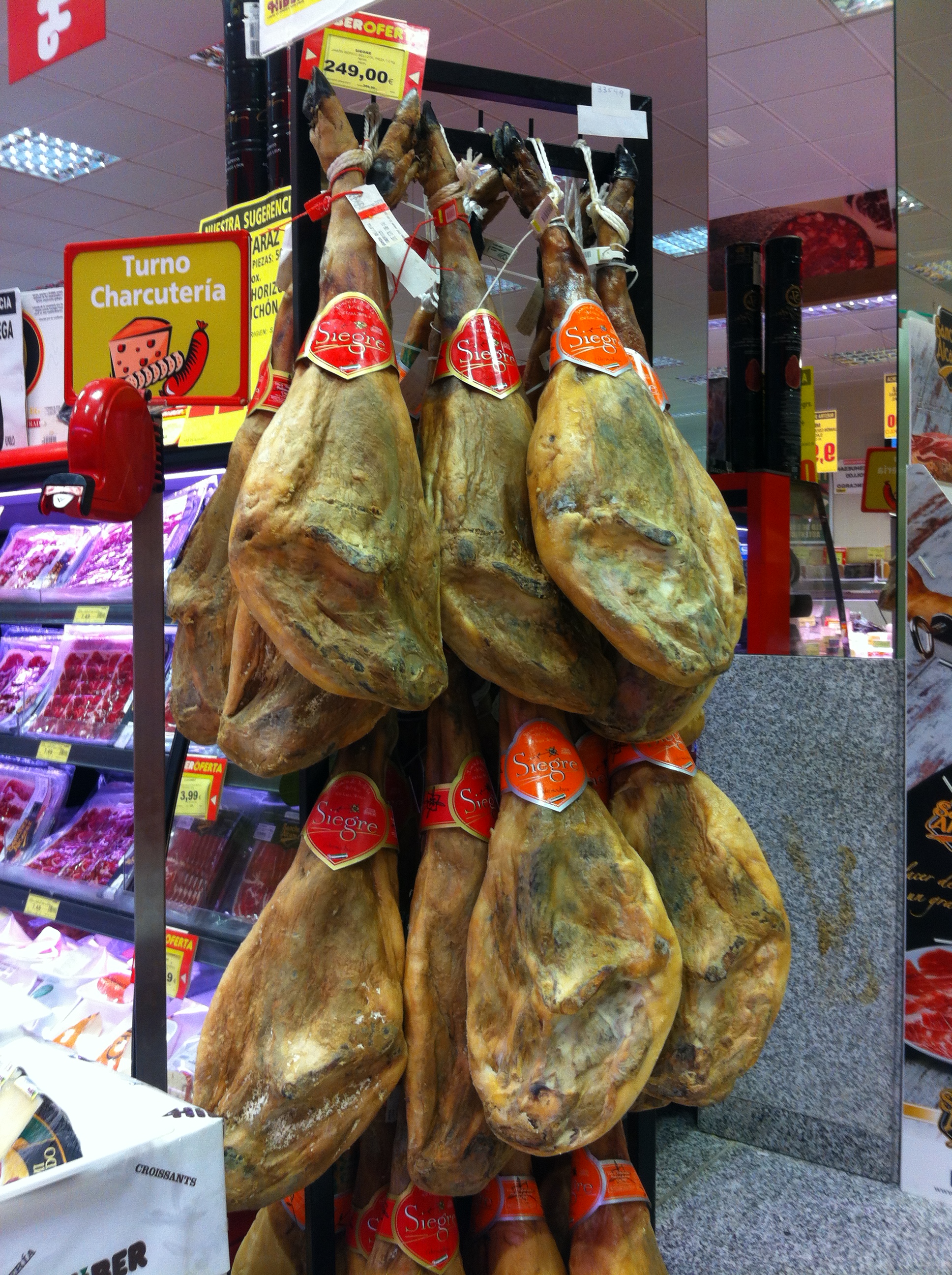
Next we rootled up and down the aisles of a grocery.  If you love pig-derived foods, you’d love this store.

I always buy Vince foods with funny names when I travel, and this time it was Bonka.  What a great name for … coffee?

Fancy some Chilly gel for your intimate places?  I love the literal name for stain remover—quitamanchas—“get out spots.”

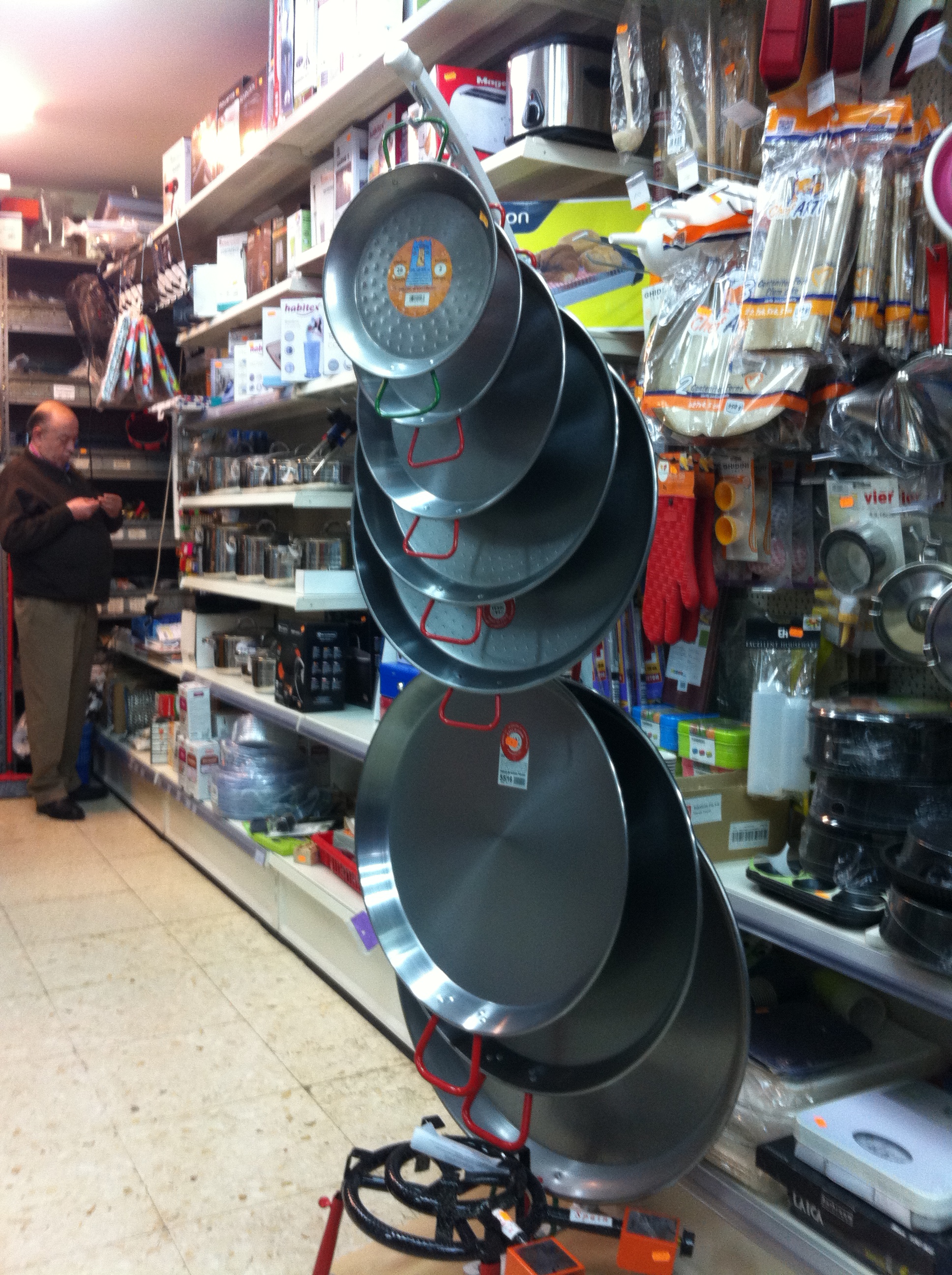
Our final stop was a hardware store, which offered every size of paella pan.

And that was that.  We had a salty, fatty dinner at the hotel, slept, jumped on a shuttle at 6:30 a.m., and flew out in our separate directions.

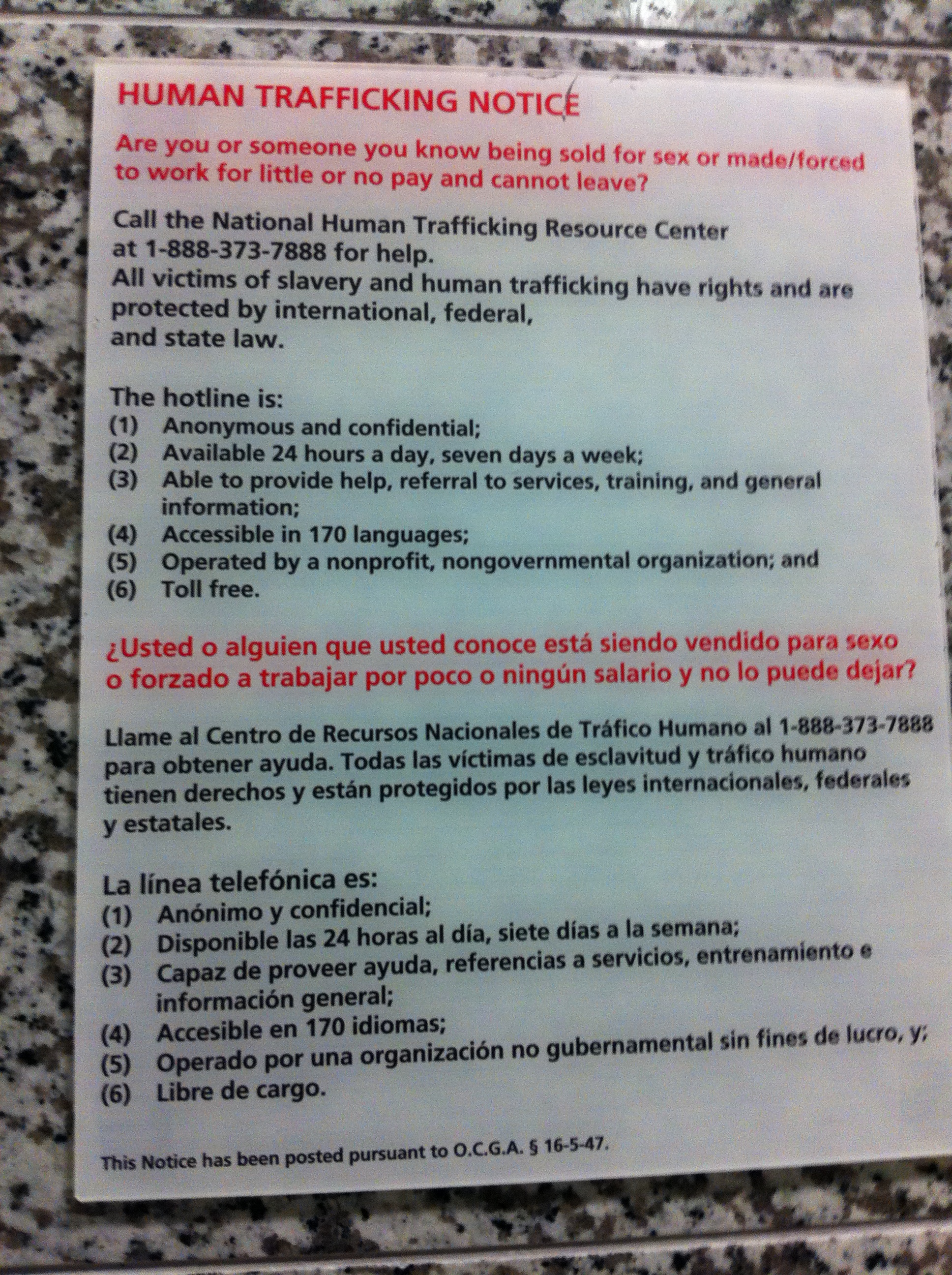
In the bathroom in the immigration hall in Minneapolis/St. Paul airport, there was this sign.

Sigh.  Vacation over.  Soon, back to work raising money for torture rehabilitation.