Category Archives: Living abroad

Windsor Bound

I’m at a writing crossroads, having written 65 posts about my trip to Italy, Spain, and Malta.  Next up, Belize and Guatemala.  But first, some exciting news. I’m going to spend the summer in the UK.  Yes, the whole of June, July, and August!

It all sprouted, as many trips do, from something completely unrelated.

I learned that the guy I dated when I lived in the UK 10 years ago had died of cancer.  I’ll call him Angus.  He was only 55.  He was a Yorkshire man, so he had a great accent, and he was a maths teacher at the Jewish Free School in London, the largest Jewish high school outside of Israel.  He and my friend Sam were friends, and Sam introduced us.  We hadn’t been in touch for years; our relationship had been fun but not serious and we knew we’d never be able to live on the same continent due to visa issues.  He was such a crusty but sweet guy, if you can imagine those two characteristics in one person.

I was exchanging emails about Angus with Sam, who is originally from Bemidji, Minnesota.  And then he mailed and asked if I would like to house sit for him while he and his family are back in Minnesota for the month of July.  Sam teaches at Eton, the posh boarding school for boys founded in 1440 by Henry VI.  Sam lives in nearby Windsor, just west of London.

Of course I had to think about it—not.

I said yes, then got to thinking … why not take Lynn up on her invitation to let me to stay with her and Richard in Scotland?  August is a good month for weather up there.  And as long as I’m over there, why not try to get permission to work remotely, cut down to 80% time, stay the whole summer, and travel around on my time off? I could get to Croatia or Munich for a long weekend on cheap Ryanair flights.

I started making lists.  I could rent out my condo. What about my plants?  Could I invite a friend to visit me in Windsor?  Ask Sam.  Where would I stay in June—could I rent a canal boat on the Thames?  How close is Windsor to Highcleer Castle, where Downton Abbey was filmed?  Forward mail to Vince.  Cancel newspaper.  Would I store my car?  Put in remote work request.

Late Friday afternoon, I impulsively went on Craig’s List and contacted the first advertiser I found.  A couple from Minneapolis who retired to Florida wanted to be in the Twin Cities for the summer to visit their children and grandchildren.  I killed myself cleaning and arranging things on Saturday so I could take alluring photos of the condo.  We exchanged a lot of emails, and one of their daughters came by on Sunday to see the place.  They wanted in, and my condo association management company would manage the rental so I wouldn’t have to deal with an overflowing toilet from Scotland. With a renter I wouldn’t make a profit, but I wouldn’t lose money.  Everything was perfect!

Except, I didn’t yet have permission to work remotely.  That’s when the What Ifs set in.  We have lots of people who work remotely. But what if I was the first person my employer said no to?   Would I file a grievance?  That would be awful.  I could ask for an unpaid leave for the summer—would they grant it?  Could I afford that?  What if they said no to that?  Would I quit?  I can’t afford to quit!  I would have to tell the renters the deal was off.  And around and around my mind raced.

In the back of my mind, I think I knew all would be well.  Looking at the facts, there was no reason my employer would allow other people to work remotely—from North Carolina, South Africa, Los Angeles, Arizona, Italy, Colorado.  But the mind wants to be in charge.  My mind wanted to have answers, to have certainty, even if that meant a no.

My request was granted–no drama!–so away I go.
Back to Reality

This is the final post in a series about Italy, Malta, and Spain that starts here.

Our last night in Toledo.  We had dinner at a restaurant called Dehera d’ Majazul.  I don’t know what that name means but it sounded nice.  The food was unremarkable, but the waitress was memorable.  She looked to be about 18, she was very pregnant, and she had eyes tattooed on the insides of her forearms.  She spoke no English and I found myself looking at the eyes on her arms instead of the ones on her face as I tried to make conversation.

Not for the first time, I had assumed a person with tattoos would be rough and hard.  But she was sweet.  This was her first baby, she was very excited, and no, it wasn’t hard working on her feet.  Well, she was a baby herself, like I was when I had Vince. You can do anything when you’re 18.

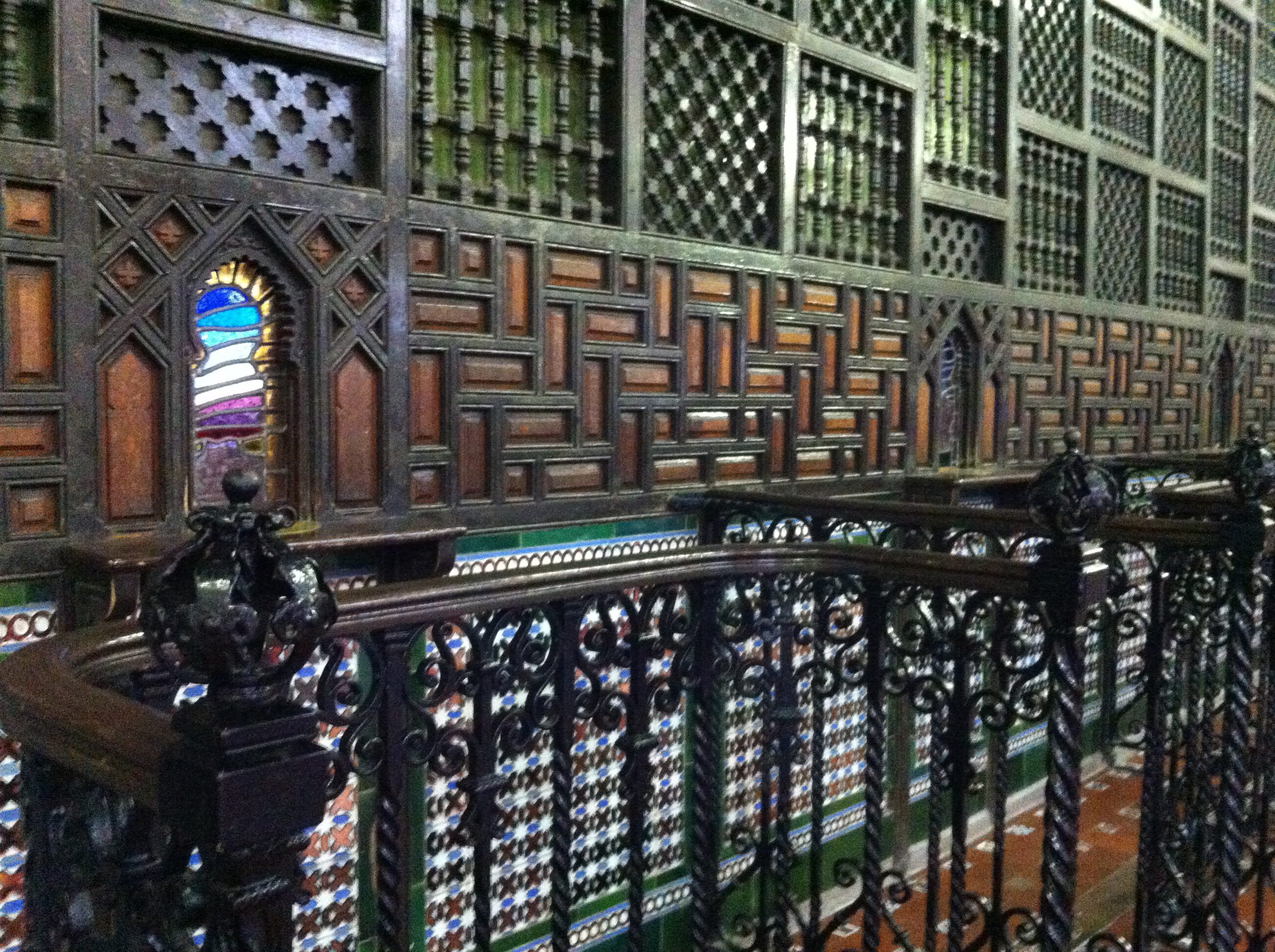
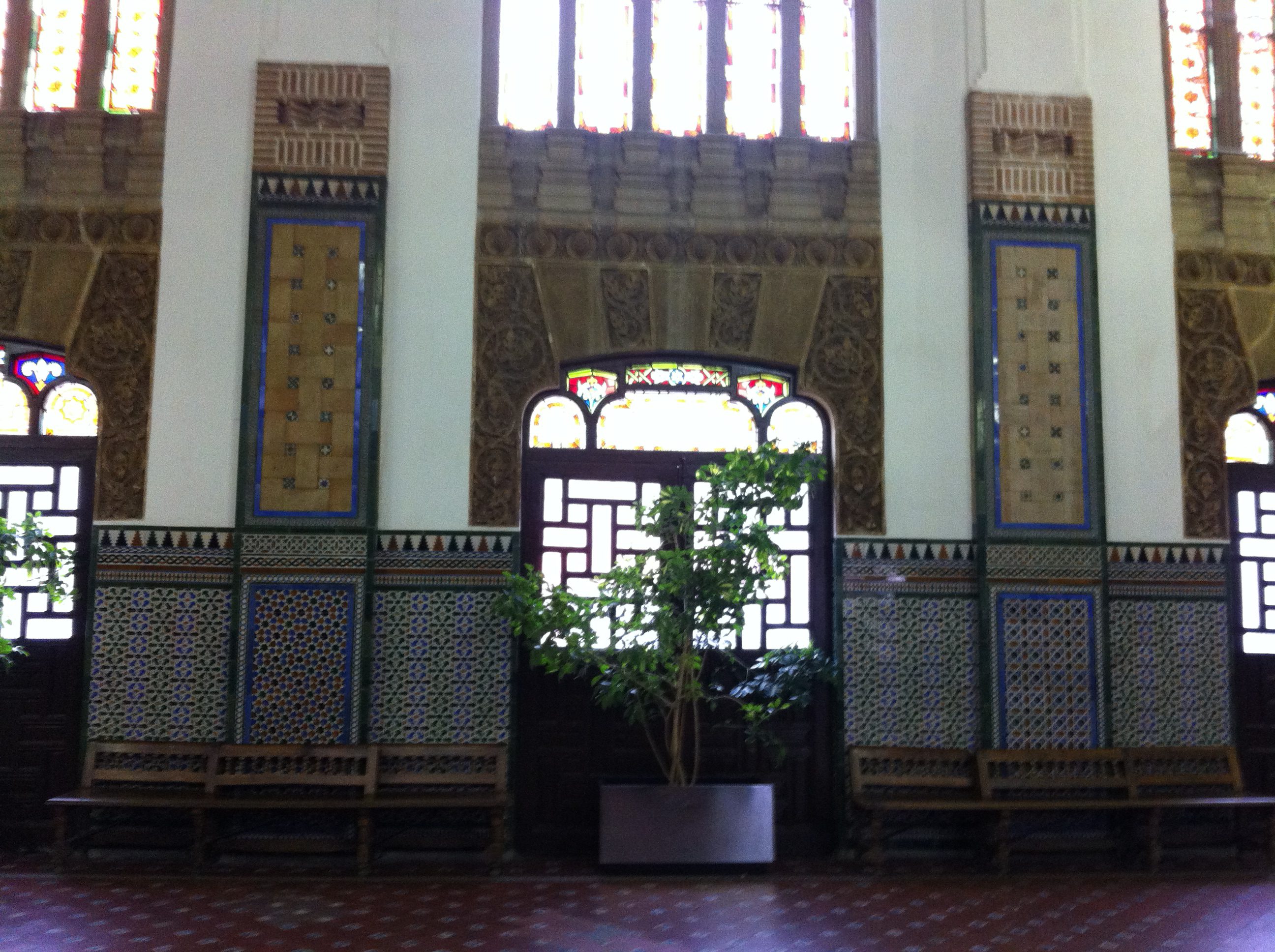
The Toledo train station may have been the most ornate building we saw in all of Spain.  Here are a few photos to give you an idea.  I’ve got a a new camera in the works, so you won’t have to wince at my shitty photos much longer.

They screened our bags before letting us onto the platform, but the bored “guard” couldn’t have been bothered to look at the monitor. Really, what is the point of making passengers line up and hoist our bags onto and off of a conveyor belt?  I guess it was all for show.  Some politician in Madrid can say, “We take security very seriously.”

You would think the Spaniards, of all people, really would take it seriously, since Madrid trains were the target of terrorist bombings in 2005 that killed nearly 200 people and injured 2,000.

The arrived in Madrid in half an hour, and it was like going through a portal to another world.  We left behind dark, cramped, steeped-in-medieval-history Toledo for the sprawling, brightly colored high-rise apartment buildings that run for miles before you enter Madrid itself.

Naturally, the taxi stand was on the opposite side of the station, across a treacherously busy thoroughfare, and there were no signs for it.  We asked strangers until we found it.  The driver didn’t know how to find the hotel.  It wasn’t in his GPS and he seemed to have lost his map-reading skills—if he had ever had them—since like our waitress he also appeared to be 18.  He asked if we knew how to get there and handed us the map.  Lynn and I rolled our eyes at each other.

Eventually, after much muttering of mierda! and puta madre! we arrived at our hotel, a functional place near the airport.  It was only 5:00, so the bar and restaurant weren’t open.

We decided to go for a wander around the neighborhood, because unlike most airport hotels which are in deserted warehouse areas, this one was set in a regular neighborhood.

I quickly spotted a pair of blue velvet pants in a shop window.  “I’ve got to have those!” I exclaimed, pulling the door open.  “I’ve always wanted a pair of blue velvet pants.”

“Oh please,” Lynn shuddered, “Don’t say pants!”  Because pants, of course, means underpants to an English person.  It was a Chinese shop full of the cheapest, tawdriest clothes you’ve ever seen.  I loved it!

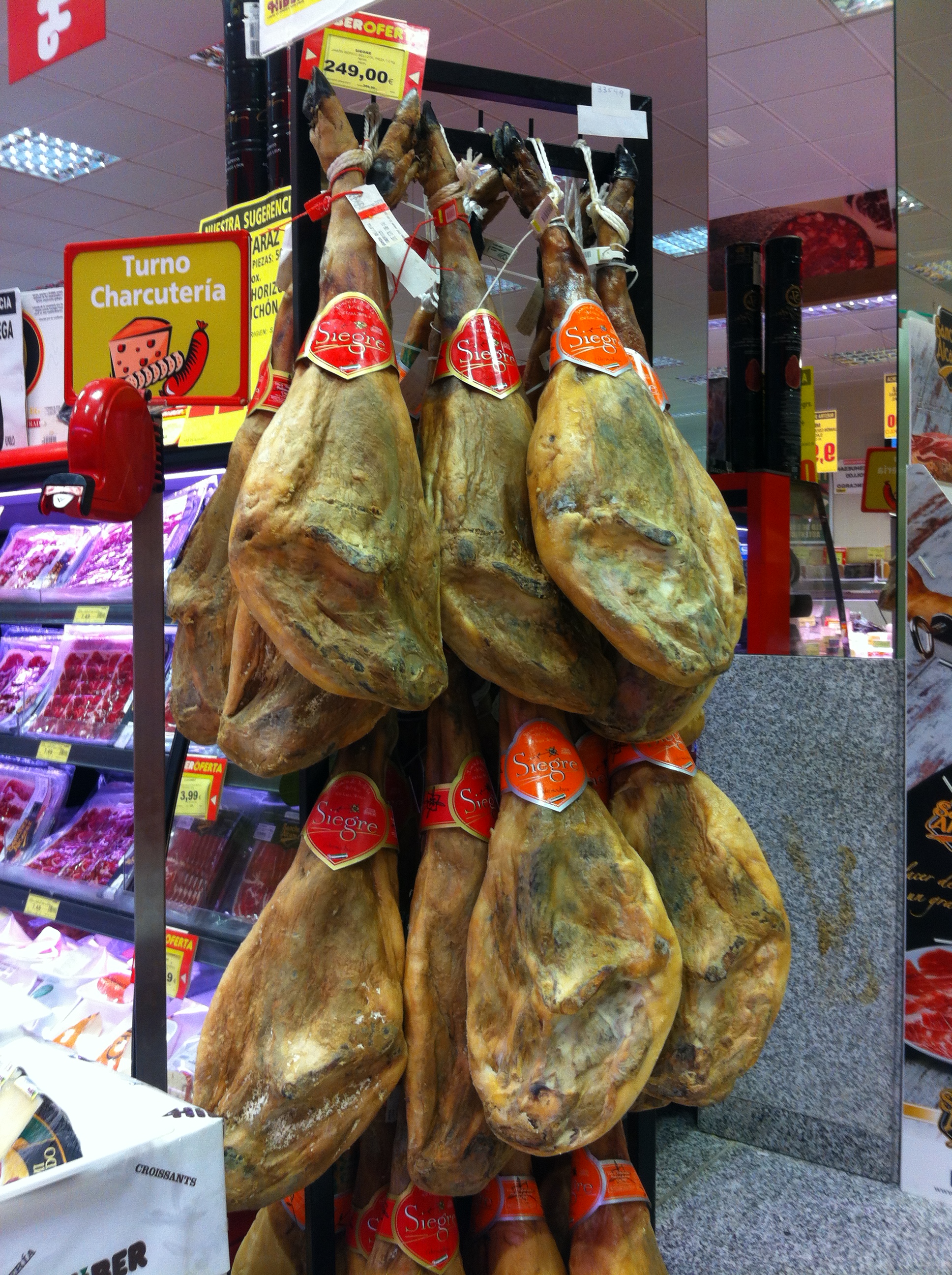
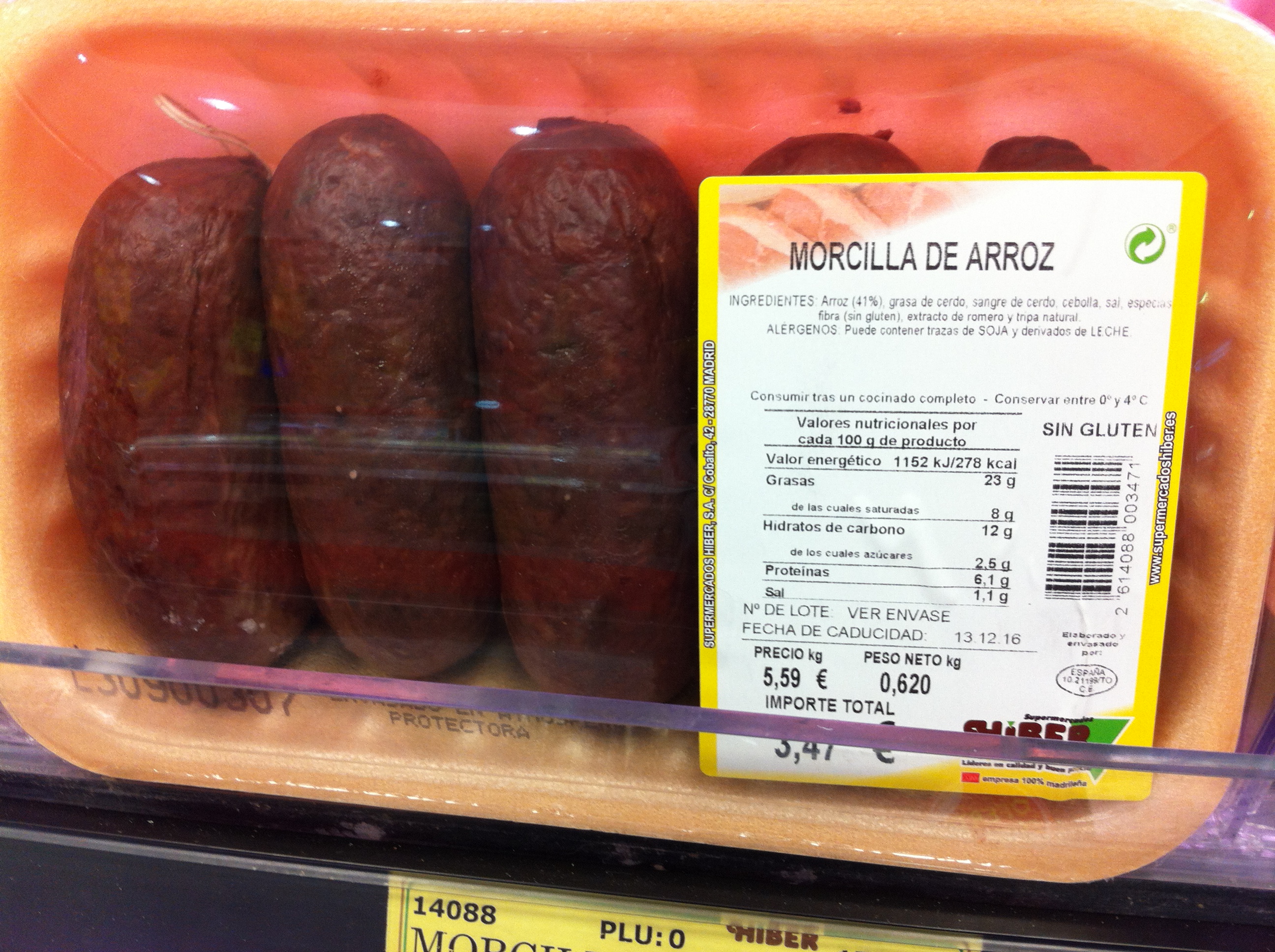
Next we rootled up and down the aisles of a grocery.  If you love pig-derived foods, you’d love this store.

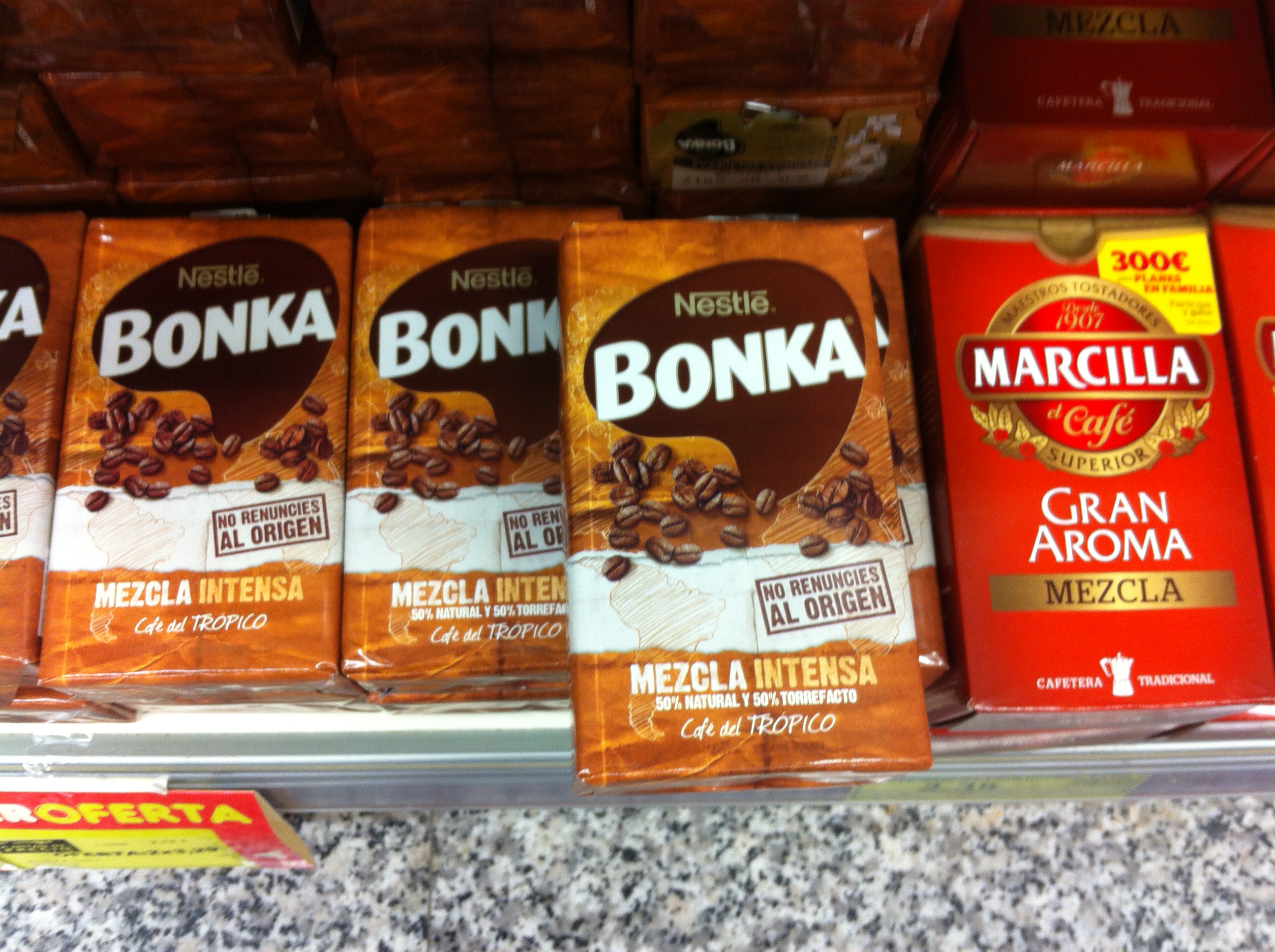
I always buy Vince foods with funny names when I travel, and this time it was Bonka.  What a great name for … coffee?

Fancy some Chilly gel for your intimate places?  I love the literal name for stain remover—quitamanchas—“get out spots.”

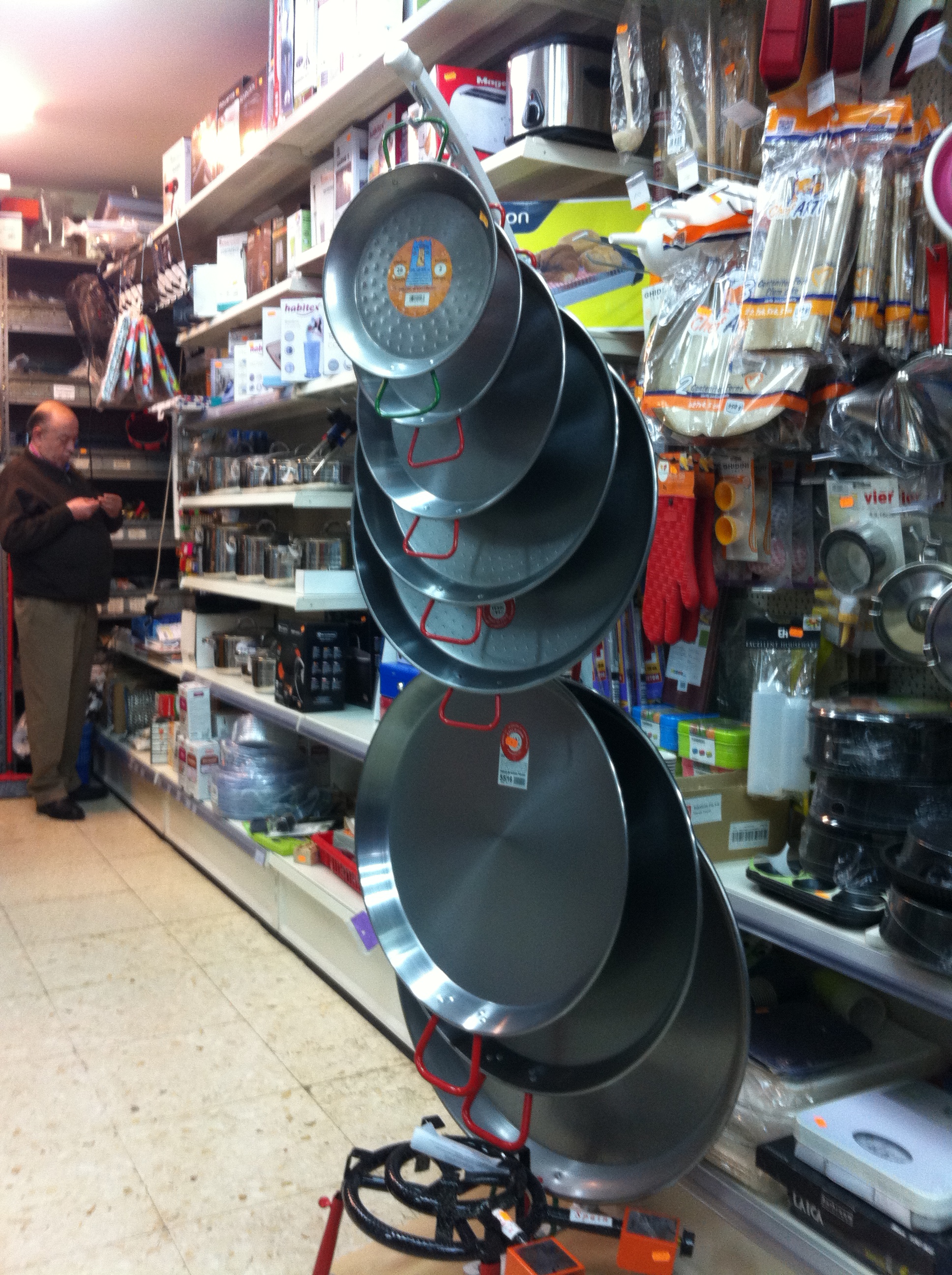
Our final stop was a hardware store, which offered every size of paella pan.

And that was that.  We had a salty, fatty dinner at the hotel, slept, jumped on a shuttle at 6:30 a.m., and flew out in our separate directions.

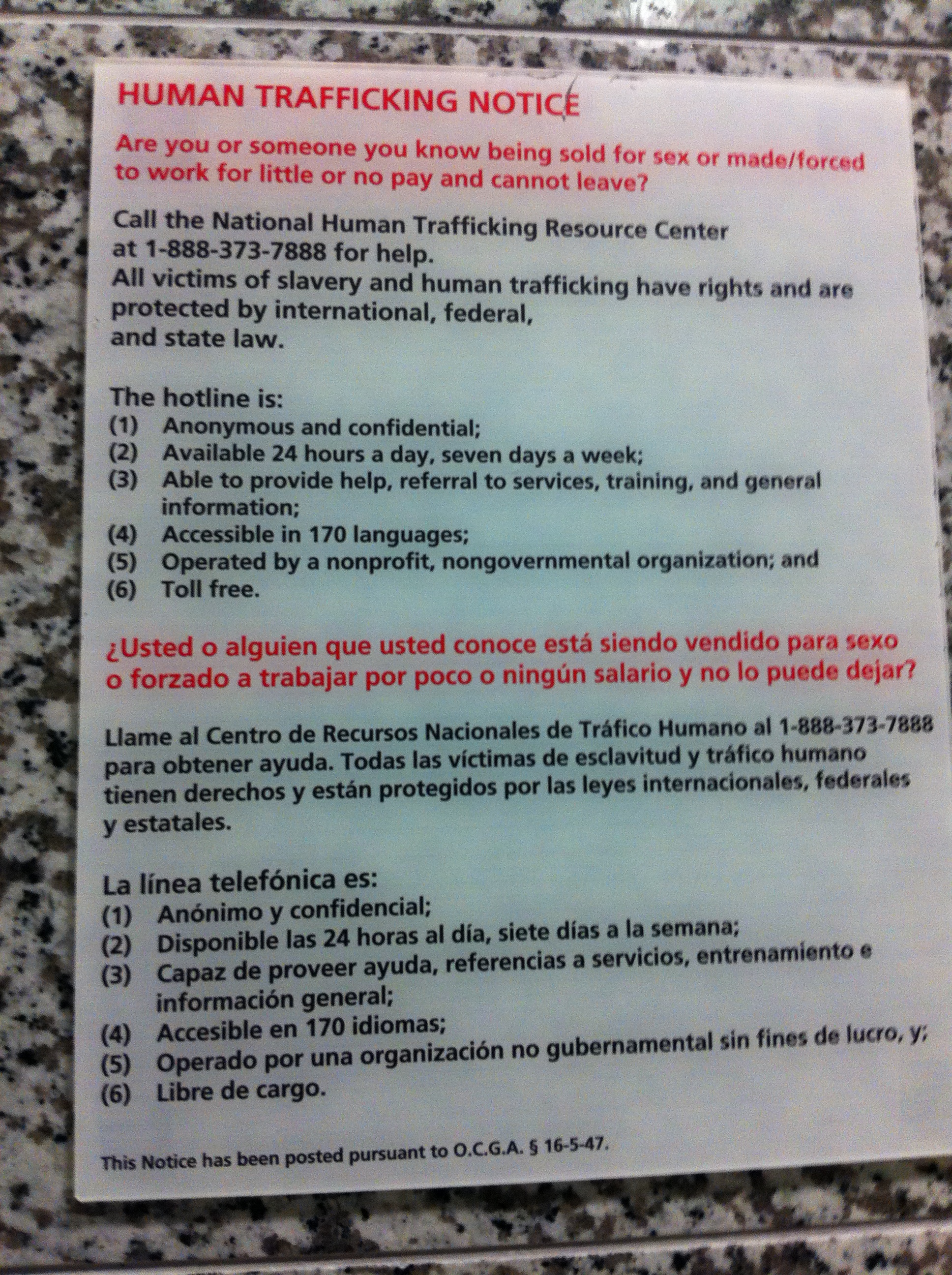
In the bathroom in the immigration hall in Minneapolis/St. Paul airport, there was this sign.

Sigh.  Vacation over.  Soon, back to work raising money for torture rehabilitation.

Synagogue of the Virgin Mary

This is a series of posts about Italy, Malta, and Spain that starts here.

Have you ever been in the London Eye? If not, it’s a super sized ferris wheel on the south bank of the Thames with a bird’s eye view of Westminster Bridge and the Houses of Parliament and much more.

Imagine, being in the Eye, watching yesterday’s terrorist attack unfold. The confusion, the fear, maybe some twisted excitement, the plain-old inconvenience of being stuck up there until thd police gave the all clear.

Will this attack hurt London’s tourist economy? I doubt it. No matter how many of these incidents happen, most of us have the capacity to believe it won’t happen to us.  And statistically, it won’t, so keep on traveling.

Day Two in Toledo. Today we would visit the Synagogue of the Virgin Mary and the Mosque of Christ the Light.

“I can just hear the Christians saying, ‘There, we showed ‘em!’ as they nailed up the new signs,” I said.

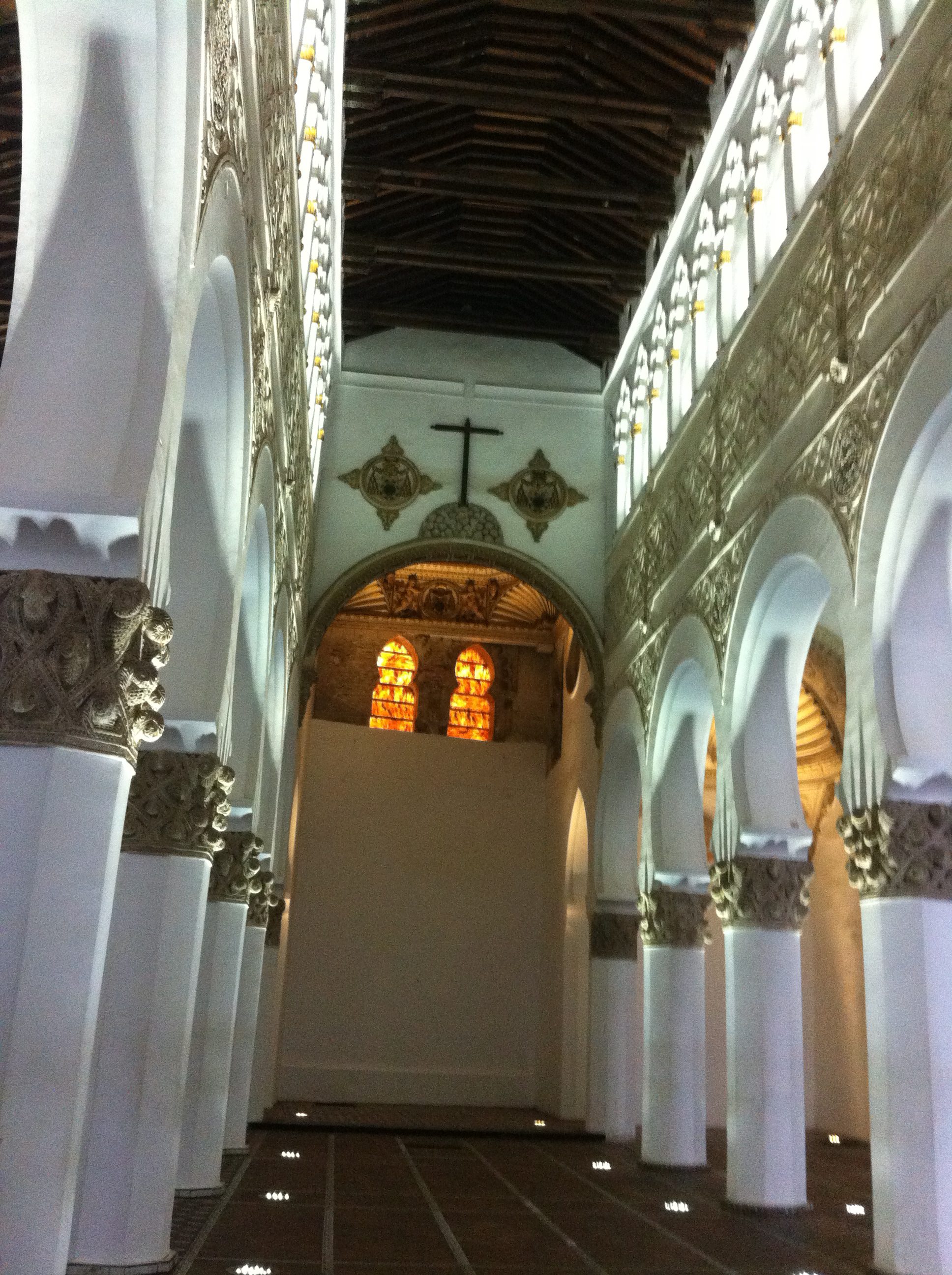
The so-called synagogue which hadn’t been a synagogue in hundreds of years was just steps from our hotel.  The website, which I won’t link to here, makes it look like you could spend days there.  It was lovely, but there wasn’t much to it:

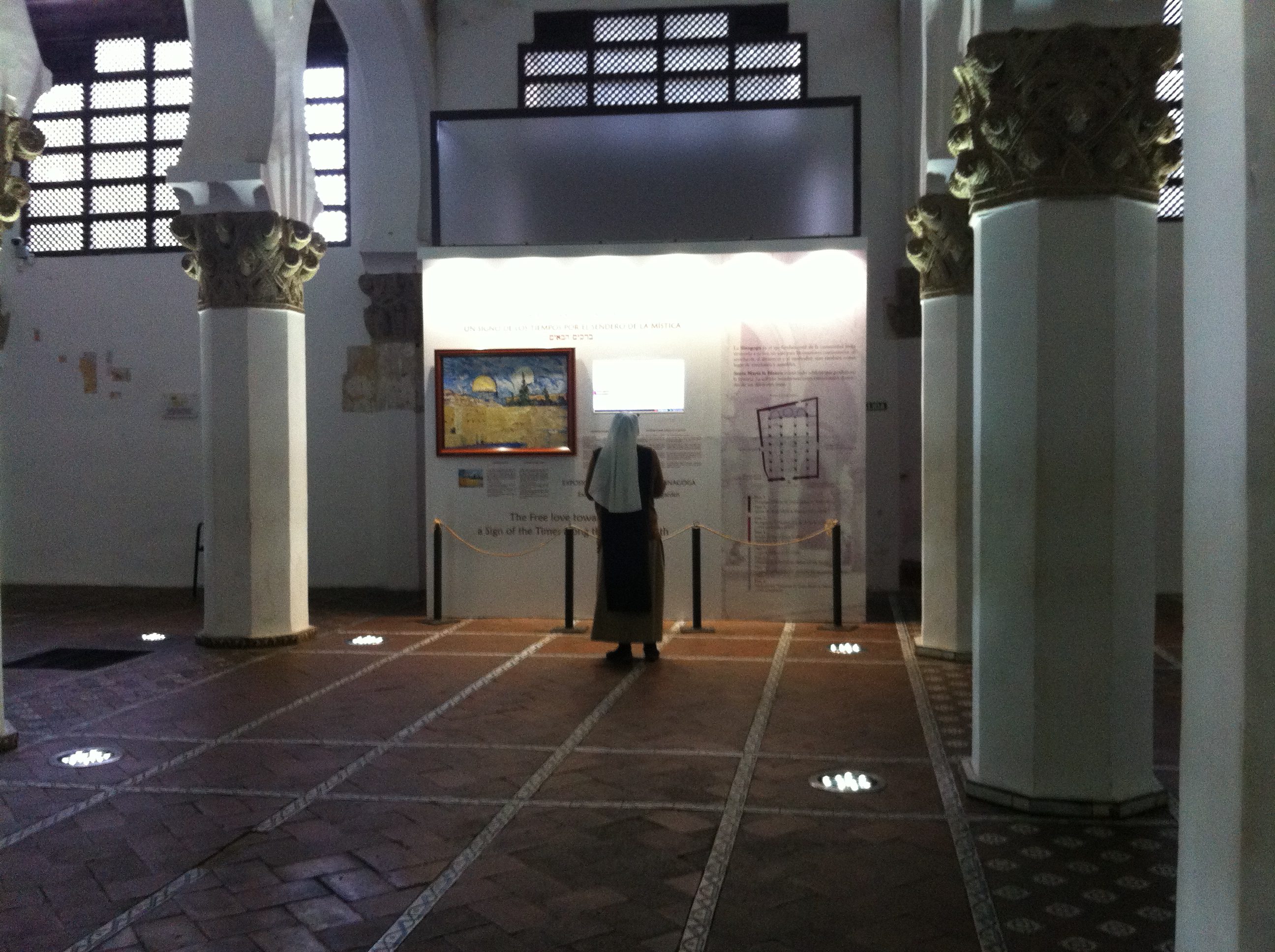
There was a nun in the back of the now-church, and she sort of floated through the place and out a side door.  We followed her, since there was nothing else to see in the main building, and she went into a small out building which we entered to our regret.

You know how you walk into a place and immediately wish you hadn’t? The nun was there, seated behind a table piled with books and pamphlets and art prints.  The walls were hung with drawings.  The nun was ecstatic, in the original sense of the word, “involving an experience of mystic self-transcendence.”

If you’ve been reading this blog for a while, you know I was raised in a Catholic family but never felt Catholic. I explored various religions and somehow knew I was Jewish immediately upon beginning to study Judaism.  So I’ve been Jewish since I was 18, which is a long time ago.  I’m also an atheist, which, conveniently, isn’t incompatible with being Jewish.

All this is background to saying that—having been schooled by nuns for 14 years— when I saw this nun I knew her type.  In fact, she was a dead ringer for Sister Mara, my 8th grade teacher.  I recognized the glassy-eyes, the never failing smile, and most of all, the enthusiasm to share what she had discovered with others, whether they were interested or not.

Fervently religious, or mentally ill? They are often intertwined, regardless of the faith.  None of this was triggering Lynn, who has neither Catholic or Jewish baggage.

The art, pamphlets, and books were all by and about some guy—possibly still alive and living in a monastery or cave in the mountains—who had converted from Judaism to Catholicism after having a vision.  He was an artist, a poet, and (naturally) a visionary, the nun told me breathlessly in Español muy rapido.

The art reminded me of Peter Max (image removed due to copyright), which made me wonder if her visionary also took drugs, but it was executed like my three-year-old nephew’s drawings, which feature people with pumpkin heads and tooth-pick legs.

It was better than I am making it sound.  I wish I had taken a photo to show you but I didn’t want to demonstrate too much enthusiasm.  The nun had moved on to how Israel was wrapped up in the vision, so it was time to break in and say, “Thank you very much, it’s been fascinating.”

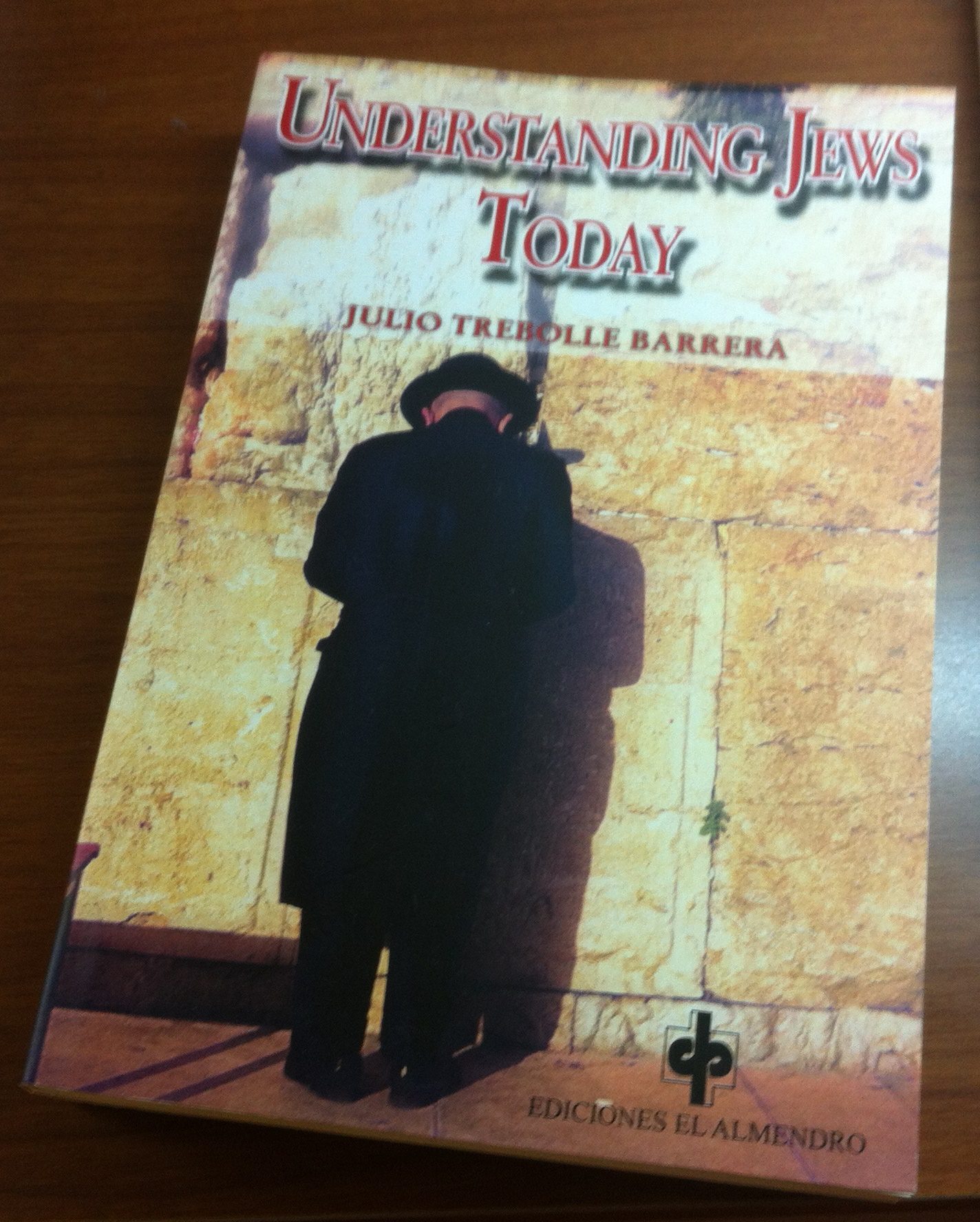
Even the tiniest tourist attraction in Spain has a gift shop, and the ex-synagogue one had this on display:

As usual, the non-Jewish author had used a photo of an Orthodox Jew at the Western Wall, instead of a picture of me, a much more typical Jew.

Pats and Peggies on the Prowl

This is a series of posts about Italy, Malta, and Spain that starts here.

After a full day at the Alhambra, Lynn and I decided to check out a quaint little restaurant near the hotel.  Like most restaurants in Spain, it didn’t open until 8:00 pm.  We were at the door at 8:01, and we were the only customers, so we got the prime table at the corner of the dining room overlooking the city.  It would have been very romantic, if either of us had been with romantic partners.

I have learned to appreciate things without thinking, “If only I was here with a man.”

The server was a woman, one of very few I encountered in Italy, Malta, or Spain. She had a white linen napkin draped over her arm.  What’s that for?  There were white linen table clothes too; we had landed in another posh place.

We were tired and not particularly hungry, but our server was so friendly and attentive we felt we had to give it a try.  This was Spain; I don’t eat pork, so it was easy to narrow down my choices.  The menu was typical Spanish: Pork cutlets, pasta with pork sausage, ham and potatoes, pork chops, pork tenderloin, Spanish omelet with ham, a vegetarian pasta, and—ta da!—seafood paella.  We were assured one dish would be enough for us both.  Too late, I remembered from one of my Spanish classes, where we had studied Spanish foods, that paella takes at least 45 minutes to prepare.  So we drank a bottle of red wine and tried to keep our heads from lolling off to the side as we got drowsier.

The server kept bringing bread and olives, so we were full by the time the massive paella arrived.  Lynn and I looked at each other, that look that says, “Maybe we can dump some of it in our bags so we don’t insult the chef when we can’t eat more than a few mouthfuls?”  The server stood nearby, eager to see how we liked one of Spain’s national dishes. In case you’ve never heard of paella, it’s a rice dish prepared in a large skillet, the bottom is meant to get sort of crispy and hard.

Sadly, it was hard throughout and the seafood was tiny and dry.  Unlike most other servers I’d encountered on this trip who had to be begged and bribed to provide service, our friend kept returning every few minutes to see how we were doing. We smiled and dutifully stuffed ourselves but only managed to consume about a quarter of it.  I hope they liked their own cooking because they were going to have a lot of leftovers.

We still had tickets for the trolley, so the next day we found one showed our tickets to the driver, who gesticulated wildly and spoke in such rapid Spanish I couldn’t understand a word.  He did that thing we all do—kept repeating himself a little louder and with more exaggerated pantomime—but we couldn’t make any sense of it.  Finally, looking resigned to something; he stamped our tickets, gave us two different tickets, and waved us to the cars with additional incomprehensible instructions.

Each row in the cars had its own door, and the windows were one-way glass.  I assume the mirrored exterior was to deflect from the summer heat.  We couldn’t tell which rows were occupied, so we walked up and down, opening doors and saying, “Oops, excuse me,” until we finally found an empty row.  Once we were seated, our fellow passengers leaned in and laughed, “We all did the same thing!”

Our car was full of middle aged English women who reminded me of Pat Butcher and Peggy Mitchell from EastEnders (photo removed due to copyright).

“There’s 42 of us ladies on this trolley,” drawled a woman behind us, “We’re all retired to Nerja, south of ‘ere, and we’re out on a jaunt.”

“Gangsters’ wives,” Lynn whispered confidentially.  I made small talk and could have spent all day with them, but Lynn kept schtum, probably for fear that if they heard her London accent they would get into who-knows-who and find out they were related.

Bienvenido a España

This is a series of posts about Italy, Malta, and Spain that starts here.

I had been contacted by a head hunter about a job.  I wasn’t really looking, but I was intrigued this particular opportunity. It would be based in Cambridge, England.  Having lived in and loved Cambridge’s bigger twin Oxford, this was very appealing.  It was an environmental organization.  At the time, I thought that would be less depressing than torture, but now that the White House is full of climate change deniers, I’m not so sure.

The head hunter was in Madrid, and as I sat waiting for my flight—to Madrid—we tapped Skype messages back and forth.  She wanted to make sure I knew I would “have to” move to England for the job.  Was that okay with me?  Was it?! Yes, I replied, that was a plus, especially given the US election results.  She then wrote a number of long messages about how she and her colleagues at this international recruiting firm were shocked and worried, depressed and sickened.

She said she would put my CV forward, but I never heard from them. Oh well, it was nice to daydream about for a few weeks.

I sat next to a 30-something Maltese guy on my flight to Spain.  He had olive skin, light brown hair, and glass-green eyes.  I told him I had loved Malta and would like to go back.  He listened as I gushed about the sea views, the friendly people, the fishing village, the food, and the humble shops.

“Sometimes you forget,” he said reflectively, “when you have lived in a place all your life, how good it is.”

Lynn sent me a What’s App message telling me how to catch the airport bus to Madrid’s central station, Atocha.  Of course I wandered around the airport first for 15 minutes, but this time it wasn’t my fault.  There was construction everywhere, and if there ever had been signage, it had been removed or covered up.  I went up the escalator, down a long hall, back the other way, back down, down a long hall, then spied an information desk.  It was a handicapped assistance desk, but the two young employees behind it looked as though they hadn’t had a customer since 2010.  They were slouched over with their chins in their hands, looking at their cell phones.

I asked for directions to the bus stop in Spanish.

“This is the handicapped assistance desk,” the young woman said in English.

“I realize that,” I said back in English, “What would you tell a handicapped person?”

She reluctantly struggled to sit up and put aside her phone, while her male coworker ignored us and kept scrolling.  I wasn’t in Malta anymore. She gave me halfhearted directions which turned out to be wrong.  I finally stumbled upon the main assistance desk, which was hidden behind construction sheeting.  The employee there acted surprised by my question, as though I was the first person ever to ask where the bus stop was, but his directions were accurate.

The bus was direct and had wireless.  In half an hour I was at the station, where Lynn was waiting for me.

As usual when we meet up, we had a lot to say.  We don’t communicate a lot in between trips, except via Facebook, so there was a lot to catch up on.  The Brexit vote and Trump’s election alone would be fodder for hours of conversation.

We talked as we walked to the Hotel Paseo del Arte, sine very nice digs Lynn had booked, just two blocks from the station.  We cracked open that bottle of red wine she had ready and talked some more.  It was only 4:00 in the afternoon and life didn’t really get going in Madrid until 8:00, so we had plenty of time.

A couple hours flew by.  Lynn had scouted out that it was free admission night at the Reina Sofia art museum, home to Picasso’s masterpiece about war, Guernica.  Like our trip to Berlin the year before, this would be the first of about a dozen museums we would visit in two weeks.

A Very Bad Good Woman

I’m interrupting my series of posts about Italy, Malta, and Spain to write about a memorable New Year’s Eve.

I was in Nairobi carrying out a number of volunteer projects for a human rights organization.  The most interesting was interviewing activists, including a dozen slum-dwelling women who were organizing to fight police shake downs and a guy who had been tortured after protesting the 2007 election results.

I was there for December and January, and just as I was ramping up, the director announced that the office would close for two weeks over Christmas and New Year’s.  I was renting a flat with a 22-year-old German guy who was also volunteering.  He was thrilled about this development and immediately made plans to go to Ethiopia with friends to take photos of the ancient churches there.  This would undoubtedly require massive amounts of alcohol.

The prospect of hanging out in the flat for two weeks was depressing.  Kenyan TV featured the  dregs of American shows, like Baywatch, Keeping Up with the Kardashians, and Beverly Hills Plastic Surgeon.  The Internet was maddeningly slow.  Going for walks was considered dangerous.  My supply of books was already running low; English ones were hard to come by and very expensive in the local malls.

So I booked myself on a safari.

I will always feel very lucky to have had this experience.  I went to Basecamp Masai Mara, a “luxury eco-resort” run by a Norwegian company where Senator Barak Obama had stayed with his family.  If it was good enough for them, it was good enough for me.  These links are to my safari Facebook albums.

The organization sponsoring my volunteer gig, American Jewish World Service, had paid my airfare to Nairobi.  For Americans, airfare is half the price of a safari.  It still wasn’t cheap, but it was possible.

So I spent 10 days going on game drives, touring a Masai clinic, reading, and sleeping.  Each morning I awoke to the dawn chorus of hooting, howling, growling, croaking, and cackling coming from the bush.

For each meal I sat at a white-linen-covered table, by myself except once, when a couple of fellow international development people invited me to join them.  He was Norwegian and she was Swedish.

“We know how it feels to eat alone,” he said.

For the last two nights I moved to a remote camp.  I spent New Year’s Eve gazing out over the Masai Mara and Just Being.  Words cannot describe the beauty of the land and the light.

At my last dinner, a Masai guide named Manfred pulled a chair up across the table from me.  This familiarity was unfamiliar behavior.  Manfred was 30ish and had a sweet, innocent face.  He was short and muscular and his skin had a reddish sheen from working outdoors.

He sat back in the cow-hide chair, spread his shoulders and legs wide, and clasped his hands together in front of his chest.  His body language wasn’t confrontational but he was staking his ground.  He smiled at the floor for a few seconds, then up at me.

“When you first arrived, we all thought you were a very bad woman, but now we know you are not.”

I wasn’t completely surprised by his comments.  I’d had the sense that they didn’t know what to make of me, a woman traveling alone.  But I wondered what theories they had about me.

“Did you think I deserted my husband and children?” I asked.

No, he shook his head but didn’t counter.

“Did you think I was a lesbian?” I asked next.

Manfred laughed uneasily, tipping his chair on its back legs.  Now that’s a universal male thing, I thought.

“No, we have had many homosexual guests and they are very nice people.”

That sounded like a line he’d been instructed to say.  I knew from interviewing a transgender activist that alternative sexual orientations had yet to gain acceptance in Kenya, to put it mildly. 

He couldn’t contain himself any longer; he leaned forward and said, “We thought you were a sex tourist.”

I burst out laughing.  I would turn 50 in a month.  I don’t condone sex tourism, but being suspected of it felt like a compliment.

Happy New Year’s!  Enjoy every moment of your precious life!

Happy Christmas, 10 Years On

This is a reprise post from last year.  Merry Christmas, ya’ll!

In keeping with my gradual transition to writing about unconventional travel and living abroad adventures, I’m looking back on the first Christmas I spent in the UK, 10 years ago.

I had learned a lot since arriving in October. Searching for housing, I had finally figured out that address numbers sometimes went up one side of a block and down the other. Also, many buildings just had names instead of numbers. The Oxfam head office was called John Smith House.

“House” was a misnomer because it was a modern, three-storey building in an industrial park across the motorway from the Mini Cooper factory, and 750 people worked there.

John Smith Houseatriumlobby

I could usually remember that the first floor was the “ground floor” and the second floor was the first floor. I had figured out that when my coworkers asked, “You awl right?” they weren’t concerned about my health; it was the same as someone in Minnesota asking, “How ya doin?” I was avoiding “creeping Americanisms” in my writing, as cautioned in the Oxfam writing manual, so was careful to write “storey” and “tonne” instead of “story” and “ton.” I was no longer taken aback when introduced to a 20-something coworker named Harriet, Richard, or Jane.

Most important, I had learned to avoid any references to my pants, as in, “I got my pants wet biking to work in the rain.” Trousers were pants, and pants were underwear. I loved the expression, “That’s just pants!” which meant something like “that’s insane!”

Everyone spoke in a low murmur. This was partly due to the open plan office, where six people shared one big desk, but I think it was also the culture. A few weeks after my arrival, a new Canadian employee came through for her induction (orientation), and her braying, Minnesota-like accent filled the whole building. One of those moments when I realized, “Ah, that’s what we sound like.”

At Oxfam, everyone walked fast. It was as if, by striding vigorously, they would personally Save the World.  My tall, ginger-haired colleague, Adele, was selling Palestinian olive oil out of her desk drawer. I enjoyed a daily fair-trade, organic chocolate bar from the cafeteria.  Oxfam had a Christmas bazaar in the atrium featuring beaded jewelry made by Masai woman who used the proceeds to buy goats.  Everyone was very earnest.

To be fair, the “Boxing Day”, or Indian Ocean, Earthquake and Tsunami (caution: upsetting video) had happened one year before, killing 230,000 people and leaving millions more without homes or livelihoods. Then, suicide bombers had struck the London transport system in July, killing 56 people and injuring over 700. The week I arrived in Oxford, an earthquake took 80,000 lives in Pakistan. People were reeling, but responding generously. Oxfam had received a tsunami of donations, internally referred to as the “Cat Fund”—for Catastrophe Fund—and rumour had it that they were struggling to do enough, fast enough, to respond.

But for now, Oxfam was abuzz with Christmas cheer. I look in my diary (date book) from that time, and I was busy meeting colleagues after work at pubs named The Marsh Harrier, the Eagle and Child, The Bear, Angel and Greyhound, and Jude the Obscure.

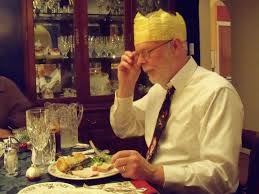
They called Christmas Crimbo, and presents pressies. There were crimbo crackers for sale, too, which are not a crunchy, salty snack, but shiny cardboard tubs “cracked” open at the festive table and containing a Christmas crown and trinkets.

C&CCrackers and CrownsC&C2

There was a panto in the Oxfam atrium, so to use all my new words in a sentence: “Are you going to the crimbo panto or shopping for pressies and crackers after work?”

And what is a panto? It’s slang for pantomime, an extravaganza that takes weeks of planning and involves elaborate costumes, jokes, dancing and singing, skits, and slapstick. Apparently it’s also done by families and in theatres but the only one I’ve ever seen was in the Oxfam atrium. Our usually-serious employees were dressed up as fairytale characters and making fun of themselves, our bosses, and our work. Very healthy, I thought. Take life seriously most of the time, then go all-out silly for a week.

The Queen’s Christmas Message that year was beautiful, in my opinion, and more relevant than ever.

queen

Donald Cometh, I Goeth

I woke up at 4:30 am this morning when my cousin messaged me to say, “It’s not looking good.”  I had asked him to let me know as soon as the election was called.  I figured I’d feel good and slightly relieved that Hillary was in, then roll over and go back to sleep.  Instead, his message had me wide awake and glued to the BBC for hours.

I won’t get into why I preferred Hillary over Donald.  My political leaning probably won’t come as a shock to you.  I keep thinking about how Minnesota elected as Governor a former “professional” wrestler named Jesse “The Body” Ventura about 10 years ago.  People were sick of lying, do-nothing politicians and he seemed like a refreshing change, representing the Independence Party. It turned out he was thin-skinned, got into fights with the media for doing their jobs, managed to insult every voter group, and accomplished nothing.

I’m still on Malta.  This morning I left the hotel before I knew the final election results but I felt numb and didn’t relish how I would feel once the shock wore off.

My first agenda item was a visit to the immigration office.

There is all sorts of stuff on social media about how we’ll all “just move to Canada.”  I find this rather maddening.  It’s sort of like how most Americans think Downton Abbey is a BBC production when it wasn’t.  We have certain fixed ideas about other countries that just aren’t accurate.

We think Canada is so nice that it would allow in 60 million Americans.  Sixty million depressed, angry Americans!  Canadians are nice, but not that nice.

Here’s the thing: Other countries don’t want foreigners taking their jobs any more than we do.  And you can’t just enter another country and start looking for work; they’ll want to see your work permit.  You may not even be able to cross the border without one.

I moved to the UK in 2005 on a student visa and after it expired I thought I’d just get a “regular” work visa.  I was quickly disappointed to learn that my chances of that were zero because I was applying for, essentially, writing jobs in the country of Shakespeare and Oxford and competing with English citizens and every qualified person from the EU and Commonwealth countries who wanted to move to the UK.

If I had gotten a job with an international company they might have sponsored me, but my career was in the nonprofit sector.  If I was fleeing war, I might have qualified as a refugee but fortunately that’s wasn’t the case.

I checked out moving to Canada about eight years ago and it was the same deal.  Unless you have a PhD in computer science or some other high-skill field, forget it.

The only country I can work in, no problem, is Israel.  That would not be without significant challenges; the politics there would probably drive me just as crazy.  To be honest, my biggest hesitation is that I feel too old to master a new language—one that’s only used in one country.  But it’s an option.

In preparing for this trip, I read that Malta had a “pay your way in” scheme. That is, if you bought a property here and had some amount of money in a Maltese bank account, you could become a citizen and work here.  I was just thinking about it as an adventure or maybe retirement option, but today it seemed more urgent.  Of course my 501K probably lost 5% overnight, so I figured I might have to wait til it rebounded.

So off I went.  I immediately got lost so asked a young man who appeared to be an immigrant if he knew where it was.  He was Ethiopian, and he informed me, “We are afraid of what Donald Trump will do.”  This would be the first of half a dozen times I heard the identical words from non Americans today.

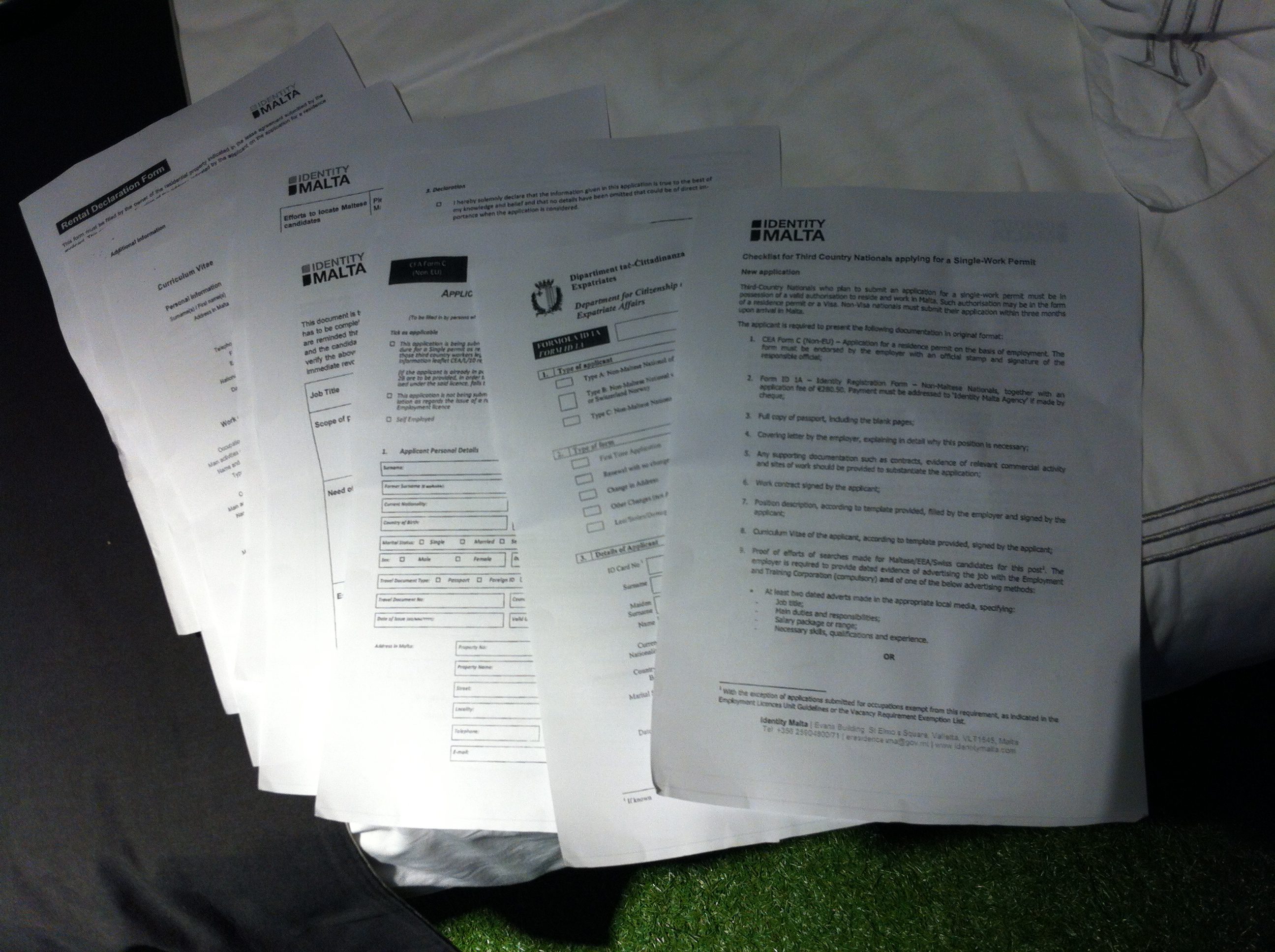
At the Immigration Ministry, the man at the desk informed me, “No more payment scheme.  You want work permit, here are papers.”  Here they are, double sided.  So I’m back to square one.

malta-immigration-papers

Rome

Greetings from Rome!  I’ve been go, go, going since I hit the ground so here are just a few tips I’d like to pass on before I forget them in swirl of moving around.

  • Go in the off season. It’s November and there are still swarms of tourists here but they surge and disappear like flocks of crows.  I have found myself alone in a room enjoying a Bernini or Caravaggio more than once.
  • When the inevitable moment comes when you are jammed against a wall in a museum packed wall to wall with other tourists, just close your eyes and remember “they’re just like crows; they’ll go away,” instead of screaming, “I’ve gotta get out of here—I’m having a claustrophobia attack!”
  • Buy Dr. Scholl’s gel insoles. The combination of being on your feet for 10 hours a day, with shuffling slowly on marble and streets paved with uneven paving stones, will cause even the fittest feet to ache.  Get gellin’.
  • No matter how much you study the map and read the guides beforehand, expect to get lost—over and over and over. Rome is a hilly city with winding streets and avenues, half of which have no street signs.  Think of it as an adventure.
  • Similar to #4, no matter how prepared you are to see the “Top 10 Sights” according to some guide, be prepared to not be able to figure out how to even get in to the Roman Forum, or arrive at the Coliseum at 3pm to be told “She-a close-a now,” or never find that one thing in the Vatican you wanted to see because you got turned around.
  • Please, for the love of God—and this is a personal favor to me—please don’t buy a selfie stick from one of the hordes of Bangladeshi or Nigerian street vendors and ruin the view of your fellow tourists, not to mention not really seeing any of the sites you came 1,000 miles to see because you’re preening and posing.
  • Learn a little Italian. I didn’t do this and I keep speaking Spanish to them, which many Italians understand but I don’t understand when they respond to me in Spanish with an Italian accent.  Prego—it’s not just a spaghetti sauce.
  • Lastly, Americans, resist the urge to refer to the old Saturday Night Live “Find the Popes in the Pizza” with Father Guido Sarducci. They won’t know what you’re talking about and if they do they’ll laugh charitably then probably roll their eyes once you walk away.

And speaking of priests, yes they are all over the place here. I started a little “Nuns vs. Priests” game of my own but lost count after about a dozen on each side.  About 75% of the nuns appear to be from India, the Philippines, and other developing countries.  The priests, on the other hand, are mostly young and white.  I don’t know what that indicates, but here’s a calendar I bought on the street.

priest-calendar

More about Rome later.  I’m mostly having a great time, although I did have a bit of a good cry in a public garden today.  More about that later.

I’m off to Sorrento tomorrow.

Ciao,

Anna

Desert Contrasts

This is the story of how I wound up in a brothel in Dubai, a series that starts here.

After finishing my meal at the brothel … er, TGI Thursdays, I took a taxi back to the hotel.  I apologized to Toni for yelling at her.  She apologized for calling herself an American.  Wait.  That doesn’t sound right.  You know what I mean.

I told her about the brothel and we shook our heads, imagining the young women in our lives working as prostitutes—or the men in our lives hiring prostitutes.  We talked about the irony that Dubai arrests tourists for making out on the beach, but that under the gaze of the Sheikh you could drink, smoke, and fornicate if you knew how to find the place.  We talked about puritanism, patriarchy, and power dynamics.  We agreed that Dubai wasn’t much different from North America, in that appearance and reality were completely different, like when you read about a child molester and you could bet he would turn out to be a Christian pastor or a Boy Scout leader.  We discussed the socioeconomic conditions and gender imbalances that made sex work the lesser of terrible ways to survive in a tough world.

We had a lot in common after all.  We bonded.  We agreed we didn’t need to spend every moment together.

The next day I took a bus to the Mall of the Emirates.  There was a young woman sitting across from me dressed in jeans, a tight-fitting but long-sleeved T-shirt, and a baseball cap.  The woman sitting behind her wore a full burqa; even the eye opening was covered with black mesh.

The bus route took us out of the old town through the desert.  I could see trailers in the distance—what we would call manufactured or mobile homes in the US.

It’s difficult to build an edifice complex without cheap labor.  These trailers in Dubai were home to the Pakistani, Bangladeshi, Sri Lankan, and other migrant workers who were building skyscrapers and malls for the Sheikh.  I had read about how they were exploited and trapped out in the desert before I’d left Dublin.  The trailers certainly looked desolate.  I wondered how many brothers, fathers, or husbands of the TGI Thursdays women were also making a living in Dubai.

The mall was like any mall in Minnesota.  Not.  It had an indoor ski resort!  It had shops where you could buy every kind of burqa you desired, as long as it was black.

mall-of-uaeburqa-shop

Like an idiot tourist I bought a three-foot-tall hookah pipe with lots of detachable, fragile parts which I then had to lug around with me on the bus, taxi, plane, and the bus in Dublin.  Having my arm in a sling didn’t help.  Take my advice, if you really want a hookah pipe, order it on Amazon.

Later that day I wandered around the old part of town near our hotel looking at store after store that sold gold.  Who bought this stuff?

gold

Then I saw a beautiful tunic in a shop window and went in to try it on.  It was a bit big and the proprietor offered to tailor it for me on the spot.  He took the opportunity to fondle me and I thrust his hands away and he just laughed.  He did alter the tunic so I guess we both got what we wanted.  Below is what it looked like, modeled by a woman who actually looks good in it.

salwar-kameez

I bought some stamps at a kiosk so I could sent postcards.

emerati-stamps

I will give them the benefit of the doubt and assume they convey a message about zakat, or charity.

Toni and I went to a farewell banquet in the desert that night, complete with the obligatory camel ride and henna painting of our hands.  The next day, off we went back to Dublin.  Here’s a photo of the men’s and women’s mosques in the Dubai airport.

airport-mosque

I started this series as a way of examining things that can go wrong while traveling.  In one week I will be in Rome.  If nothing goes “wrong” there like it did in Dubai, I’ll be disappointed!