Tag Archives: England

The Original Woodstock

This is the second post in a series about a road trip across England and Wales that starts here.

It was May. It was still wintery in Minnesota but spring was well underway in England when I arrived. Rebecca lived in Woodstock, a small, charming town outside of Oxford most famous for Blenheim Palace, where Winston Churchill was born. The palace is okay, if you like that kind of thing.

Blenheim

My favorite aspect of Blenheim is the grounds and “pleasure gardens” which surround it. You can literally walk for hours and never see another human, just sheep. And the old trees…it just doesn’t get much better.

Oak!

I could step out of Rebecca’s door, walk one block past the public entrance to Blenheim, then slip into the “neighbor’s gate.” I don’t understand how it all works, but apparently the Duke of Marlborough, who is the current occupant, must allow the public access to hike and enjoy the grounds. But you have to know there’s a no-fee gate, otherwise you’ll pay £14.90 just to walk in the gardens. Here are the two gates:
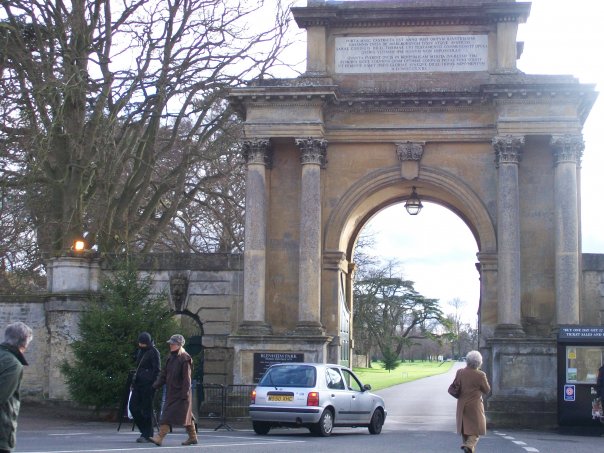
Pay GateFree Gate

Woodstock is an expensive place to live. It has quaint shops full of locally-sourced organic gluten-free wool jumpers and cozy old pubs like The King’s Head, the Bear, and the Black Prince. People come from Oxford and London for the weekend to shop and eat and see Blenheim.

Rebecca’s address was The Maisonette, 1 Brown’s Lane. Maisonette just means “little house” in French. The building was just like the church where we had met—everything crooked, cramped, and damp—except it was about a hundred years older and had enjoyed that much less maintenance and upkeep. The ground floor was an antiques shop called The Dickens House, and the building/shop owners, believe it or not, lived below it in the windowless basement.

Rebecca and her flat mate had a three-bedroom, two-story flat above the shop—thus the term maisonette. It’s very common for flats in the UK to come furnished, with everything from (of course) furniture to appliances like toasters and kettles, down to the silverware and dishracks. The maisonette was furnished with the leftover antiques from the Dickens House, which were dark and heavy and took up so much space there was barely room to walk. The chairs and sofa were upholstered with worn puce velvet and the carpet was some sort of dark teal astro turf. The living room walls were adorned with William Hogarth prints depicting the 18th Century gin epidemic.


GinWilliam_Hogarth_-_Gin_Lane

Charming!

The Maisonette was located next to the public pay urinal and across from the one party pub that had some sort of heavy metal karaoke night, so Rebecca had her own personal gin epidemic on the weekends.

Her flat mate was never there because she worked two jobs in two other towns—as a DJ in Oxford and as some sort of communications officer for a nature preserve way out in the boondocks. I stayed in the spare room, in which was stuffed a queen sized bed, more antiques, and the flat mate’s boxes and bags of stuff which I had to crawl over to get to the bed, which was perfectly comfortable.

So I flew to London, took the bus to Oxford, and Rebecca picked me up in front of the Ashmolean Museum, which was our usual pickup place, and we headed to Woodstock to pack everything into Rebecca’s Nissan Micra.
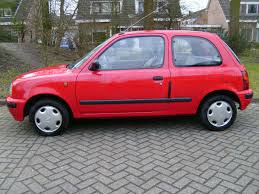
Micra

Yeah I had a Mini, but she had a Micra, into which we—well she, really—meticulously packed my suitcase, her hiking backpack, the tent, sleeping bags, cook stove, food, a cooler, and other camping gear for our two-week camping road trip.
My Name is Anne, and I’m a Travelholic

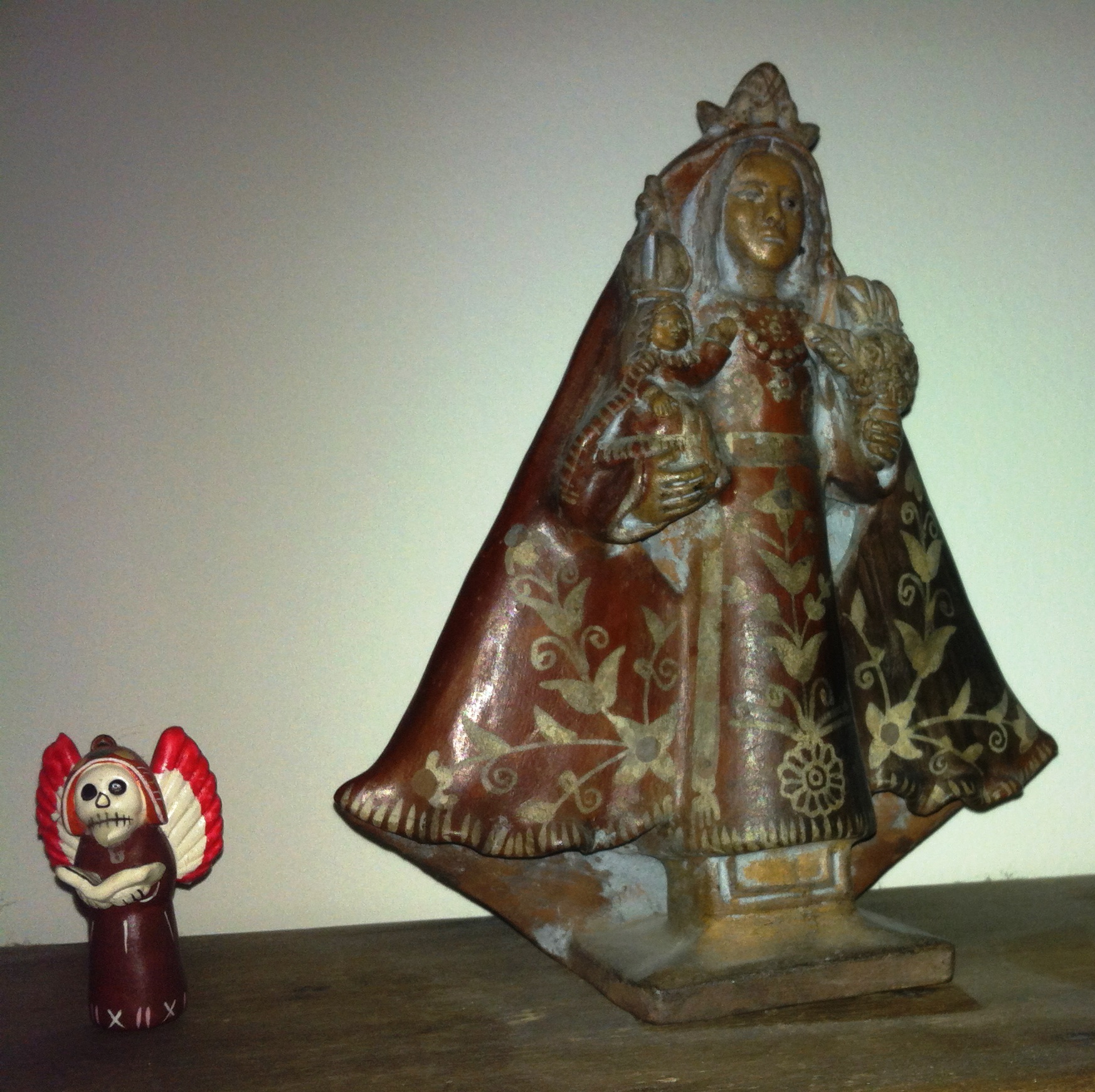
I’m house sitting again, this time for a friend who has a huge apartment and two cats who need minding.  My friend is Peruvian and collects art and artifacts every time she goes home.  Here are some of my favorites:

Maria y MuertoMariaTrabajo

My last post about the road trip, and my anxieties around it, brought to mind the only other Big Road Trip of my life.  I’ve driven to Chicago a half dozen times but that’s nothing compared to the trip where I never once got behind the wheel.

My friend Rebecca and I met at an Alanon meeting in Oxford.  AA and Alanon meetings vary greatly from one culture and location to another.  In St. Paul meetings, people go around at the beginning, say their names, and the crowd responds, “Hi Anne!”  The meetings are pretty squirrely.  There’s lots of laughter and disorder.

Not so in Oxford.  The meeting was in an 18th Century church.  The ceilings were low and building was cold, cramped, and crooked.  The chairs were hardwood with no cushions and the backs were a 90 degree angle from the seat, making for maximum discomfort, especially since the tilted floors meant your chair teetered to one side.  I regret I never brought a marble to set in the middle of the table so I could see which direction it would roll off.

At my first meeting, the introductions started and the first person said slowly and with perfect enunciation, “Hello, my name is Roger”—or “rwah-jah” as he pronounced it.  I exclaimed, “Hi Roger!”  Just me.  No one else.  Everyone stared at their hands, neatly folded in their laps.  I’m sure they were thinking, “Bloody Americans, they’re so enthusiastic about everything!”

I heard a barely-stifled guffaw and a snort on the other end of the table just as a woman introduced herself, “Hello, my name is Rebecca.”  She looked straight at me and laughed.  The rest of the group carried on as if nothing out of the ordinary had happened.  It took a while, but Rebecca and I would become good friends.

A year later my work visa had expired and I was back in St. Paul.  I job hunted for seven months, taking the bus everywhere because I had sold my car when I moved to England.  It was a painful stretch.  As soon as I landed a job I bought a Mini Cooper.  Maybe it was a foolish thing to do, since I hadn’t even started the job yet, but I thought of my Mini as sort of like the greatest souvenir / consolation prize I could have from my time in England.

And did you know?  There are Mini events going on all the time all over the world.  I learned that there would be a “Mini Festival” in England the following spring.  It was as good an excuse as any to go back and visit.  So I Skyped with Rebecca and she was in.

“Let’s go to Wales though, too, okay?” she proposed.  “We can visit my brother the sheep farmer and camp on the cliffs overlooking the sea.”

Was that okay with me?  Was it!  Oh boy!  I bought my ticket and started looking at maps.    

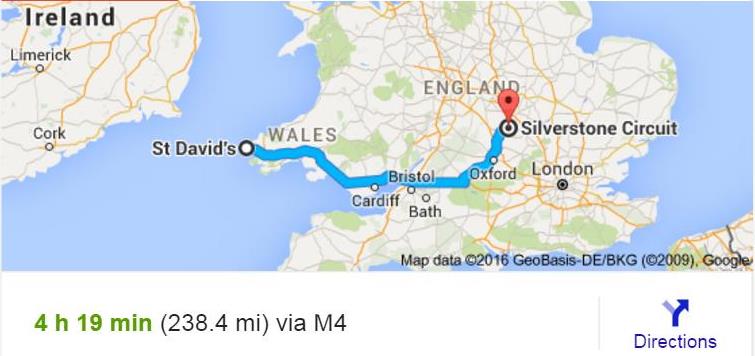
We would drive from Oxford to Wales, then slingshot back to Silverstone racetrack for the festival.  It doesn’t look that far on a map but … I’ll get to that.

Map

If you’ve read this blog from the beginning, you know I started my adult life on welfare, in subsidized housing, with no car.

Here’s how I afford trips—my two indulgences—on a nonprofit salary: I live below my means.  I make do with small living spaces.  I have a dozen pairs of shoes—which is nothing for an American female.  I shop at thrift stores and get my haircuts at Cost Cutters with coupons.  I make my own coffee and cook from scratch instead of going to coffee shops and restaurants.

I hope I don’t sound smug.  My intention is to encourage you—if you love travel but don’t have a lot of money—to consider offbeat adventures like the volunteering, language immersion, and medical missions I’ve described in the last few months.  Or even just every day adventures like house sitting for a friend.

Happy New Life, Again

Happy New Year!  I am re-posting this from January 1 of last year.  I hesitated to share such a personal story then, but it has been the most-read post of the 232 Vince and I have written.  Maybe it’s the story, or the encouraging advice.  Or maybe it’s the guns.

If you received this twice, that’s because I accidentally posted it for January 1, 2015.  Off to a good start, I say!

Three years ago, I hit bottom. I had lived with depression for as long as I could remember, but then….  I had to have a tooth pulled—boy, will that make you feel old! Then during a Christmas Day blizzard my car was towed and I spent four hours waiting in line outside at the impound lot to pay $300 to get it back. I then drove to Fountain to visit Vince. The trailer he shared with Seth was full of guns, beer cans, and smoke. I figured what the heck, if you can’t beat ‘em, join ‘em, so after he assured me that none of the guns was loaded, we posed for photos that became my holiday cards to my friends in the UK, where they had a good laugh over us gun-crazy Americans.

Vince (11)Vince (7)

Due to the blizzard I spent the night in Seth’s 5-year-old daughter’s bedroom; she was at her mom’s. Here’s a tip for parents who smoke: Keeping your kid’s door closed doesn’t keep smoke out. I couldn’t open the window and after tossing and turning until 5am I slipped out and drove home. On the way I started itching. Great—now I had bedbugs!

I contemplated suicide. I leaned my forehead against the screen of my 20th floor window. I had turned 50 the year before. Thinking about being depressed every day for another 30-40 years wasn’t real appealing.

Here are the things I had tried to manage depression and anxiety:

Meditation

Medication

Prayer (including begging, pleading, and bargaining)

Acting normal

Abstaining from drinking

Cutting down on coffee

Self-help books

Alanon

Exercise

Getting outside every day

Appreciating beauty, be it fine art, nature, music, babies, or kittens

Gratitude lists

Avoiding negative people / avoiding unnaturally happy people

Running away to other countries

Denial

Journaling

Telling myself, “At least I’m not a refugee / amputee / blind / fill-in-the-blank.”

Psychotherapy

Retail therapy

Sleeping, drinking, and movie binges

Reaching out to friends, even when that was the last thing I wanted to do

I thought that jumping out of my window would be exhilarating, until I hit the ground. I had some leftover pain killers from the dentist, and my prescription for Restless Legs. I googled an overdose of the two and learned that they wouldn’t kill me, but that I would likely need a liver transplant. I decided to keep living.

That spring, I visited Vince again and this time, made a reservation at a B&B.  On the free-book-shelf there, I picked up a tattered copy of, “Feeling Good: the New Mood Therapy”, by David Burns, MD. I read it and did what it told me to do, and I stopped being depressed. For good.

The book was about Cognitive Therapy. I had been instructed to use it at least twice in the past, but I’d been too stressed out to do it. Basically, you write down your negative thoughts and then argue with them rationally until you’ve de-fanged them. Writing it down is important; if you try to do it in your head you’ll end up down a rabbit hole.

So was a lifetime of depression cured overnight by one book? No. I think it was all the other things I had tried over the years—the good things, anyway—and then I added this on top of them and together they all added up to a breakthrough.

I still feel sad sometimes–there’s plenty to feel sad about–but I’m not depressed and I’m committed to living.

Sorry for the long post but, if you’re struggling, I want to encourage you to keep an open mind, keep plugging away, and keep trying new things.

PS: I didn’t have bedbugs after all.  I think I was just itchy from the smoke and dry air.  Living with addiction can turn you into a drama addict.

Happy Christmas, Ten Years On

In keeping with my gradual transition to writing about unconventional travel and living abroad adventures, I’m looking back on the first Christmas I spent in the UK, 10 years ago.

I had learned a lot since arriving in October. Searching for housing, I had finally figured out that address numbers sometimes went up one side of a block and down the other. Also, many buildings just had names instead of numbers. The Oxfam head office was called John Smith House.

“House” was a misnomer because it was a modern, three-storey building in an industrial park across the motorway from the Mini Cooper factory, and 750 people worked there.

John Smith Houseatriumlobby

I could usually remember that the first floor was the “ground floor” and the second floor was the first floor. I had figured out that when my coworkers asked, “You awl right?” they weren’t concerned about my health; it was the same as someone in Minnesota asking, “How ya doin?” I was avoiding “creeping Americanisms” in my writing, as cautioned in the Oxfam writing manual, so was careful to write “storey” and “tonne” instead of “story” and “ton.” I was no longer taken aback when introduced to a 20-something coworker named Harriet, Richard, or Jane.

Most important, I had learned to avoid any references to my pants, as in, “I got my pants wet biking to work in the rain.” Trousers were pants, and pants were underwear. I loved the expression, “That’s just pants!” which meant something like “that’s insane!”

Everyone spoke in a low murmur. This was partly due to the open plan office, where six people shared one big desk, but I think it was also the culture. A few weeks after my arrival, a new Canadian employee came through for her induction (orientation), and her braying, Minnesota-like accent filled the whole building. One of those moments when I realized, “Ah, that’s what we sound like.”

At Oxfam, everyone walked fast. It was as if, by striding vigorously, they would personally Save the World.  My tall, ginger-haired colleague, Adele, was selling Palestinian olive oil out of her desk drawer. I enjoyed a daily fair-trade, organic chocolate bar from the cafeteria.  Oxfam had a Christmas bazaar in the atrium featuring beaded jewelry made by Masai woman who used the proceeds to buy goats.  Everyone was very earnest.

To be fair, the “Boxing Day”, or Indian Ocean, Earthquake and Tsunami (caution: upsetting video) had happened one year before, killing 230,000 people and leaving millions more without homes or livelihoods. Then, suicide bombers had struck the London transport system in July, killing 56 people and injuring over 700. The week I arrived in Oxford, an earthquake took 80,000 lives in Pakistan. People were reeling, but responding generously. Oxfam had received a tsunami of donations, internally referred to as the “Cat Fund”—for Catastrophe Fund—and rumour had it that they were struggling to do enough, fast enough, to respond.

But for now, Oxfam was abuzz with Christmas cheer. I look in my diary (date book) from that time, and I was busy meeting colleagues after work at pubs named The Marsh Harrier, the Eagle and Child, The Bear, Angel and Greyhound, and Jude the Obscure.

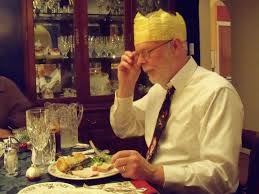
They called Christmas Crimbo, and presents pressies. There were crimbo crackers for sale, too, which are not a crunchy, salty snack, but shiny cardboard tubs “cracked” open at the festive table and containing a Christmas crown and trinkets.

C&CCrackers and CrownsC&C2

There was a panto in the Oxfam atrium, so to use all my new words in a sentence: “Are you going to the crimbo panto or shopping for pressies and crackers after work?”

And what is a panto? It’s slang for pantomime, an extravaganza that takes weeks of planning and involves elaborate costumes, jokes, dancing and singing, skits, and slapstick. Apparently it’s also done by families and in theatres but the only one I’ve ever seen was in the Oxfam atrium. Our usually-serious employees were dressed up as fairytale characters and making fun of themselves, our bosses, and our work. Very healthy, I thought. Take life seriously most of the time, then go all-out silly for a week.

The Queen’s Christmas Message that year was beautiful, in my opinion, and more relevant than ever.

queen

Do Gooder Abroad

The first overseas trip I took was to London. It was 1987, and Vince and I had become obsessed with Dr. Who and spoke to each other in terrible English accents. I read that the guy who played the Doctor, Tom Baker, was going to be in a play in London. Like so many trips I’ve taken since, it was that slim thread of a reason that got me started.

But I had also gone to a lecture by Arthur Frommer, the travel guru, on how to travel cheap. He mentioned volunteering with places like Volunteers for Peace. I paid my $400 for the one-week “experience”, bought a plane ticket, and away I went.

Looking back, I can hardly believe I did it. The only other country I’d ever visited was Canada, where in those days you could flash your driver’s license as you drove over the border. I don’t remember what I did there; probably fed potato chips to black bears out of the car window.

My mom was more than happy to keep Vince, who was nine. He was happy to be spoiled.

I went a week before the program started and from dawn to dusk saw all the sights. With my map in hand, searching hopefully for a street sign and stopping people to ask directions, I must have reminded them of Crocodile Dundee in the scene where he says “G’day, mate,” to every passerby on the sidewalks of New York. As I was informed in due course by my fellow volunteers, I was a “typical American” because I wore jeans and what we used to call tennis shoes and I complained that there was no Diet Coke or ice or ketchup.

I was dazzled by the Crown Jewels. I saw Tom Baker on stage in “An Inspector Calls.” I went to Friday services at a synagogue and saw a woman with numbers tattooed on her arm. I got lost over and over which led me to the Dickens Museum, which turned out to be my favorite museum. I was propositioned by a creep in Hampstead. I stayed in a “hotel room” the size of a cracker box with a cold water bathtub down the hall lighted by a dim, bare bulb. I got the exchange rate backwards and paid way too much for a sweatshirt at the Hard Rock Café. I stole some toilet paper from a public toilet that had “Council Property” printed on every square.

You know, the usual London stuff. I took a lot of pictures of cars; I’m not sure why.

UKCars

My VFP group included 20 20-somethings from Poland, West Germany, Holland, India, Sweden, Italy, Spain, and Mauritius, a country I’d never heard of.

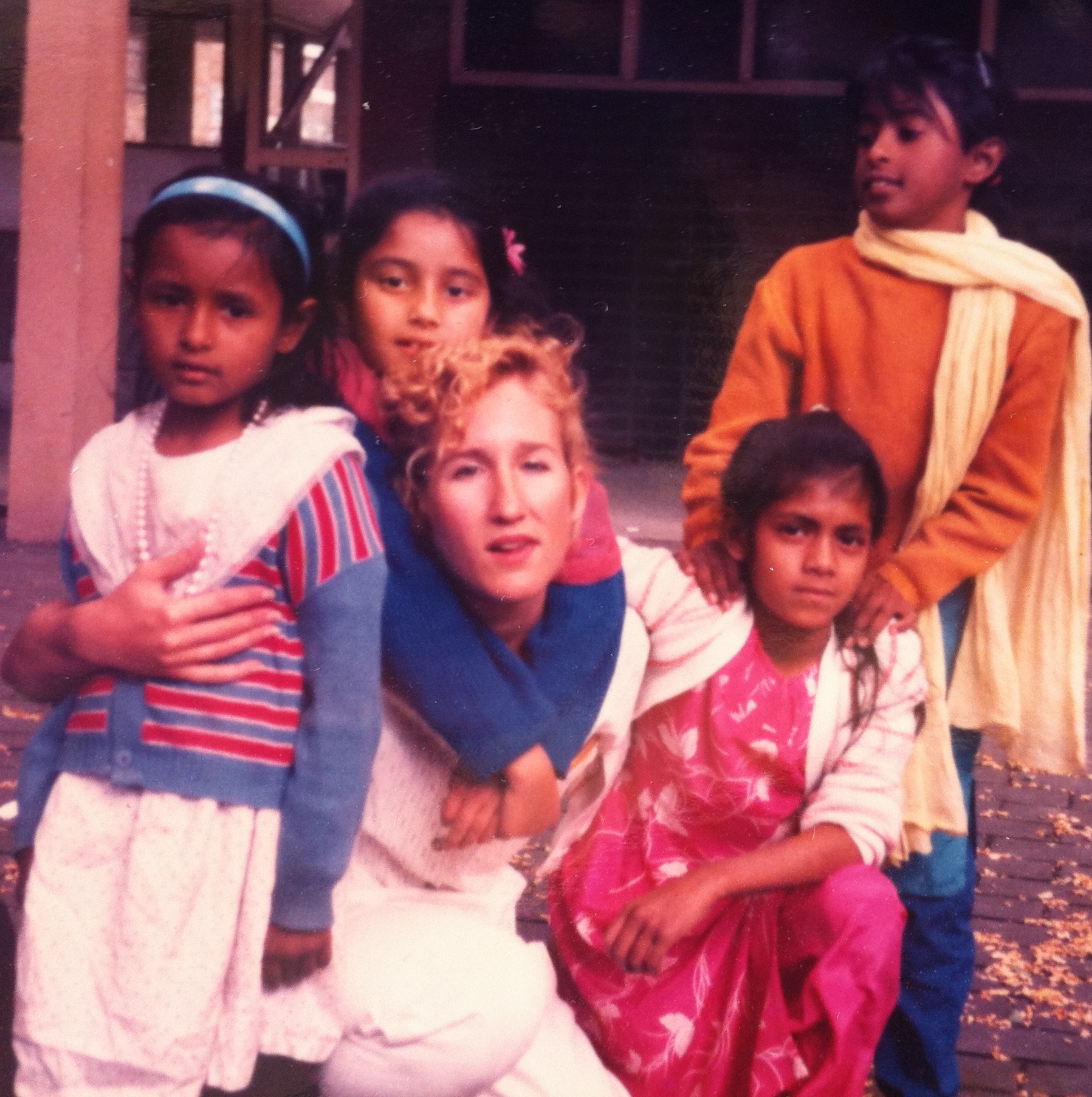
We were there for a “work camp”—a terrible name but basically VFP housed us in flats in London’s East End and we babysat immigrant kids during a school holiday so their parents wouldn’t have to take time off work. The flats had peeling wallpaper, cold water, and mattresses on the floor. The smell of rotting garbage was constant.

I was bewildered that my fellow volunteers weren’t hooking up or drinking. I would have expected that from an American group, but these kids were so serious.

Bengalis

At night we were lectured to about how the Bengalis and Pakistanis and Indians came to work in the East End basically as indentured servants, and how now the National Front was outraged they “these people” were bringing their families over.

NF Boys

The kids were adorable and they knew an opportunity when they saw it. Another volunteer and I tried to take a dozen kids to Epping Forest, but before we got there they scrambled over the wall of a private garden and stripped all the apples off the trees. The homeowner ran out, screaming. I think if we hadn’t been foreign volunteers, she would have called the police.

This was when I thought, “What am I doing here, babysitting other people’s kids while mine is 4,000 miles away!?” It was my first extended time away from Vince and I couldn’t wait to get home.

And as soon as I got home I couldn’t wait to go on another trip.

Alone in the City of Dreaming Spires

I spent Thanksgiving in Wisconsin with my cousins, which is what I do every year. Vince couldn’t come because he is not allowed to leave Minnesota.

After eating way too much food, I made the mistake of checking Facebook right before I turned out the light. There were a couple posts from Vince. He sounded so lonely.

I couldn’t fall asleep. I laid there thinking about the time I learned to be alone. I think this is one of the most important skills we have to master in life.

I had moved to Oxford, England four months before my birthday. I rented a house with a three-legged cat named McCartney and housemate who went home to Scotland every weekend. I had a great job. I had joined a posh gym. I had made some acquaintances through work and Alanon meetings.

Red Door

This was before Skype or Facebook or What’sApp. My family and friends used email to communicate with me, but there was no internet at the house.

I don’t normally even care about my birthday. I hadn’t told my housemate or acquaintances it was my birthday because I didn’t want to seem like I was fishing for a fuss.

I walked into town to see a movie. February in England is dreary and drizzly. Well, most months are. In comparison to November, the sun was setting later (almost 5pm!) but the sky really only went from murky black to dark grey and back to murk again.

I got some popcorn and found a seat. Someone behind me said, “Pssst!” Hurrah! It was a friendly woman from my Alanon meeting named Rebecca. I wouldn’t spend my birthday alone after all! But she just said, “Nice to see you,” and that was that. I thought, unreasonably, “Why couldn’t she have invited me to sit with her and her friend?” I felt really put out.

The movie was Walk the Line, the Johnny Cash biopic. There’s a scene where Johnny is drying out and his family confronts a drug dealer with shot guns. The theater exploded in laughter. “Typical Americans!” I could hear around me.

I had picked a bad time to move to England. George W. Bush was using their air bases to transport terrorists and political prisoners in black helicopters, and most Brits were not happy about it. Most people were nice enough—if reserved—but I had been confronted by several very angry people who took me to task for everything my country had ever done wrong.

It really hit me that I was not only lonely but alone. I was on an island with 64 million people and I didn’t know a single one of them beyond asking the time of day. It was piercing.

I went home and had a few beers while I stared out the front window like some tragic heroine in a period movie. People strode past with their hands deep in their pockets and their heads down. I wallowed in self-pity. But somehow I knew I would get through it, that I wasn’t going to die of loneliness, that everything would change eventually—if not the next day then next week or next month. Everything did change. I’ve had a lot of great adventures on my own and with other people.

Now we can feel like we’re never alone by floating along on endless social media streams of cutsie platitudes and cat videos and political rants and “breaking news.”

Did Vince know that nothing stays the same forever? I finally fell into a worried, fragmented sleep. I dreamed that Vince fell into a river and was swept away into a big pipe. I ran along the river bank until I came to an opening in the top of the pipe. I could see his face underwater, looking up at me. The iron bars over the opening were wide enough for my hand to slip through so I could touch him, but too narrow for me to pull him through. Ugh. I woke up crying. I don’t need a psychiatrist to analyze that dream.