Category Archives: Culture shock

Cooper versus Cruiser

This is the latest in a series of posts about a road trip to New Orleans that starts here.

Finally, I will shut up about my car, I promise.  I got to the garage, met Tracy, who was a woman, and after I paid the bill she flagged down a guy to lead me to my car.

“Honey,” she called out to him, “Will ya’ll show this here Miss Anne where her PT Cruiser is?”

PT Cruiser!?

Thankfully the guy got it.  “Ya’ll got a Mini Cooper, right? Ya’ll insulted she called it a PT Cruiser?” he laughed.

“I’ve never been so insulted!”

In my opinion, PT Cruisers are novelty cars for retired people who really want a Sports Utility Vehicle (SUV) but can’t admit it.  The PT Cruiser allows them to drive a giant gas-guzzling vehicle and pretend they’re quirky and eccentric.  Despite the fact that I was getting all-new spark plugs, I still affirm that the Mini is a finely-engineered vehicle.  And mine was nine years old, after all.
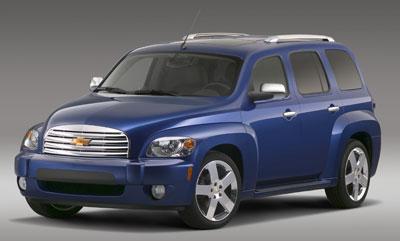
PT Cruiser

I raced back to the B&B, parked the car in front, and parked myself in the courtyard under the Kumquat tree with a book and a glass of wine. Molly texted to ask if I wanted them to come  join me.  “no enjoy yourselves and take your time.”  If there was something called a “sub-text,” I would have typed, “No!  Stay away!  I need to be alone!”

Courtyard-Bench-sm

This is how you know if you’re an introvert or an extrovert.  It’s not about whether you like people or parties or crowds, or have a lot of friends.  It’s about what you do to recharge when you’re drained. I’m an introvert, because as much as I love my friends and parties and crowds, I just want to be alone when I’ve been through a stressful experience.

So I sat under the Kumquat tree for hours.  I was reading Memoirs of a Geisha, and I hadn’t expected it to be so fascinating.  How accurate was it, I wondered? I would never dream of asking my sister-in-law Akiko, who has a PhD.  I think she would be horrified that I would think she knew anything about geishas.

-f-g-memoirs-of-a-geisha-31766513-500-233

Hours later, Lynn, Christine, and Molly strolled in and I was happy to see them.

“Why was I so stressed about a stupid car?” I wondered out loud.

“Because you didn’t know if you’d get here,” Christine said.

“You’re emotionally attached to it,” said Lynn. “I had a Mazda Miata convertible that was my baby.  When we moved to Scotland I finally sold her because I could only drive her once a year.  When they took her away I cried!”

“It was five hundred and fifty bucks!” Molly chimed in.

When I was in my 20s and 30s, an unplanned $550 expense would have been a disaster.  I would have had to borrow money from my mother, or put it on a credit card.  I would have had to cut back on some other essential item, like food or cigarettes or beer.

Slowly, slowly, I’ve worked my way out of debt and into financial safety.  If I had worked for Wells Fargo this would have gone a lot faster, but I’ve always worked for charities.  Like I’ve written before, you can work for a nonprofit and have a good life, if you’re very, very careful about your spending.  Saving, even small amounts, is super important too, because the interest eventually piles on and one day you look at your balance and think, “Whoa!  How did it get so big!”  Of course it can go down, too, if you’re invested in the stock market, so don’t look at it when the market’s down, and whatever you do, don’t sell at the bottom.

Sorry, I go off on tangents, I know.

You may be wondering if New Orleans is an expensive destination, and I think the answer is no, if you can find reasonably-priced accommodation.  They’re still rebuilding since Hurricane Katrina, so there’s a housing shortage.  Plan way ahead, especially if you’re going during a festival.  If you can gather a group of friends together and split the cost four ways, it’s very affordable.  And more fun.

Car Talk

This is the latest post in a series about a road trip to New Orleans that starts here.

If you love cemeteries like I do, you would love New Orleans.  Bodies are buried in above-ground crypts so the … whatever it is that oozes from decomposing bodies doesn’t seep into the groundwater.  Thanks to the heat, bodies decompose quickly and fresh ones can be added onto the pile in after only a year.

Lafayette Cemetery #1 is not to be confused with St. Louis Cemetery #1, where the voodoo queen Marie Laveau is buried.  I visited that one my first time in New Orleans, and the two cemeteries look the same except that Lafayette is in the posh Garden District and St. Louis is in Treme, which as depicted in the hit HBO crime series.

The four of us split up and wandered around.  I was wondering over this rubber duckie-themed tomb when my phone rang and an androgynous voice asked for “Miss Anne.”

Rubber Duck Grave

“This here is Tracy,” s/he drawled, calling ya’ll bout your car.  It’s lookin’ real bad …”

The line went dead.  I hit redial.  The connection wouldn’t work. I wandered around for another 20 minutes, clutching my phone and willing it to ring.

When it finally did, Tracy laid it on me: “It needs all new spark plugs,” s/he said.

“How much?” I asked.

“A’m sorrah Miss Anne, but I hate to tell ya it’s gonna be ….” Click.

Lynn, trying to be helpful, said, “That’s what I thought all along!  Spark plugs—and now you know that your car has spark plugs!”

I don’t remember what I said but it wasn’t nice. She went silent.  By then we had “done” the cemetery and re-joined a walking tour of the Garden District, featuring the houses of Nicholas Cage and Sandra Bullock.  It was hot.  The phone kept ringing then going dead.  For an hour.

Finally, Tracy got through. “What?” I yelled.  “I can’t hear you!”  Other members of the tour were giving me dirty looks.  I finally got that it was going to cost me $800.  Since my worst case scenario had been that the car would be a total loss, this was actually a bit of a relief, but still not a welcome amount of money to have to lay out on vacation.  Or anytime.
“It’ll take fahv days to get the parts from the dealership in Baton Rouge,” Tracy informed me.

“Five days!  But I have to be in Minnesota on Wednesday!” I moaned.

“Unless ya’ll want to use generic parts, Miss Anne” s/he said.

“Of course I do!” I exclaimed.

“Then it’ll cost ya’ll $550.”  Now I felt like I was getting off easy.  It’s all relative.

After the walking tour we sought refuge from the heat in Starbucks.  I apologized to Lynn, and she accepted.  No drama.  I don’t know what she would say, but I wasn’t surprised that in 11 days spending 24 hours together, there wouldn’t be some disagreement.

We caught the Hop On Hop Off bus again and got off at the restaurant recommended by the guide.  I always figure these are the restaurants owned by the guide’s brother in law, but so what?  It was really good.  In no time Tracy called again to say my car was ready, and I left my pals standing on a street corner in the blazing sun to wait for the bus while I hailed a cab.

The cabbie’s English was not good, but that didn’t stop him from telling me that Tracy’s garage was “too many crooks, and too much expensive.”  He informed me that I should have asked him where to take my car.  Right.  If I could have gone back in time … I changed the subject.

“Where are you from?”

“Palestine,” he replied.

“I was in the Palestinian territories last year.”

He stared at me in the rear-view window.

“You are a Jewish!” he said.

“Ye…sss.” Was he going to take me to a remote spot in Treme, stab me, and dump my body in St. Louis Cemetery #1?

But instead he exclaimed, “We cousins!  You, me … Jew, Arab … we must try to get along!”

Gators and Haints

This is the latest post in a series about a road trip to New Orleans that starts here.

As I wrote in the last post, I had been to New Orleans before and toured a plantation, something my traveling companions didn’t want to do this time.  Another thing we didn’t do but which I would highly recommend is an alligator boat tour.

If we had alligators in Minnesota, and if we had alligator boat tours, you would be required to sign a legal waiver, watch a 15-minute safety video before the boat left the dock, and wear alligator-proof helmets and vests.

Not so in Louisiana.  About 40 of us tourists, many of whom were very obese, crowded onto a pontoon boat and headed into the swamp with our Cajun guide. He joked about how you should never wear white if you went canoeing in the bayou, because an alligator’s favorite food is egrets, and egrets are white.  Half of us were wearing white.

To demonstrate the “alligators like white” principle, he pulled out a bag of giant marshmallows and scattered them onto the surface of the water.  We were quickly surrounded by alligators, some of which were nine or 10 feet long.  Then the Cajun pulled out a bucket of chicken parts.  He extended a rickety plank out over the water, then knelt and held a chicken leg over the water.  It was kind of like feeding a goat in a kiddie zoo, except here you could get your arm ripped off.  Each time a gator launched itself out of the water and grabbed a hunk of chicken, the Cajun would yell, “Whoa!  Whoo daddy!  Whoo mama!” and jump back, causing the boat to rock precipitously.  This went on for a couple hours.

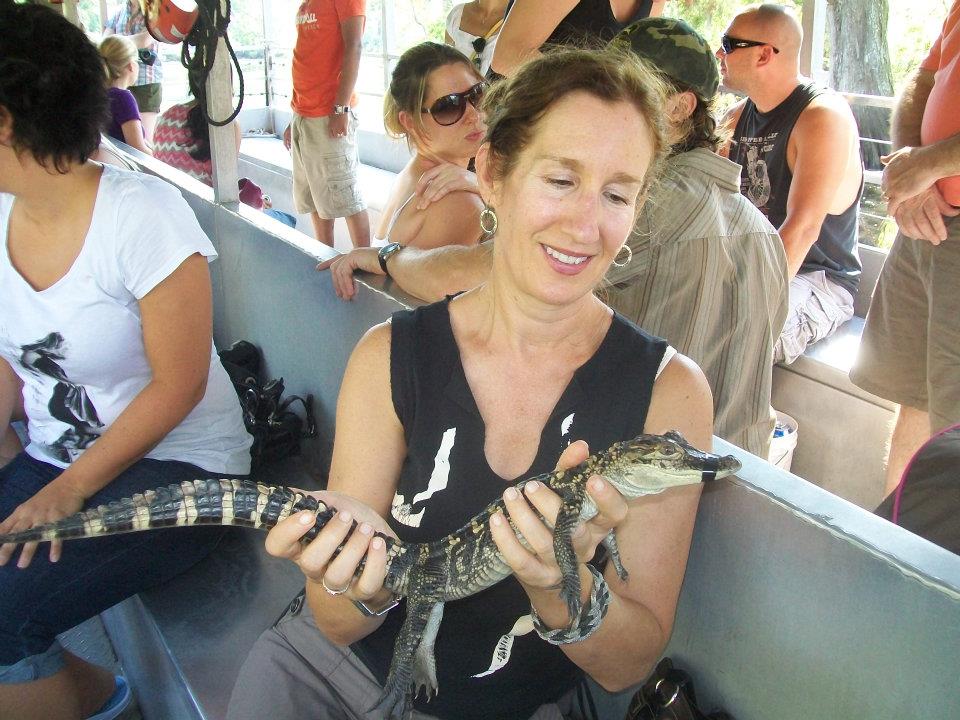
Now, some people would get bored with this but I found plenty to keep me interested. The other tourists, the Spanish moss, a little abandoned cemetery in the middle of nowhere, and what looked like a hunting shack.  The highlight was when we got to pass around a baby alligator.

Ally Gator GuyDesktop

No one wanted to go this time around in New Orleans.  Maybe I shouldn’t have mentioned the part about the boat rocking.

Each morning we would amble over toward the French Quarter via the wonderfully-named streets of the Marigney: Burgundy, Esplanade, Elysian Fields, Spain, Dauphine, Chartes, Mandeville, St. Roch, and of course, Music Street.

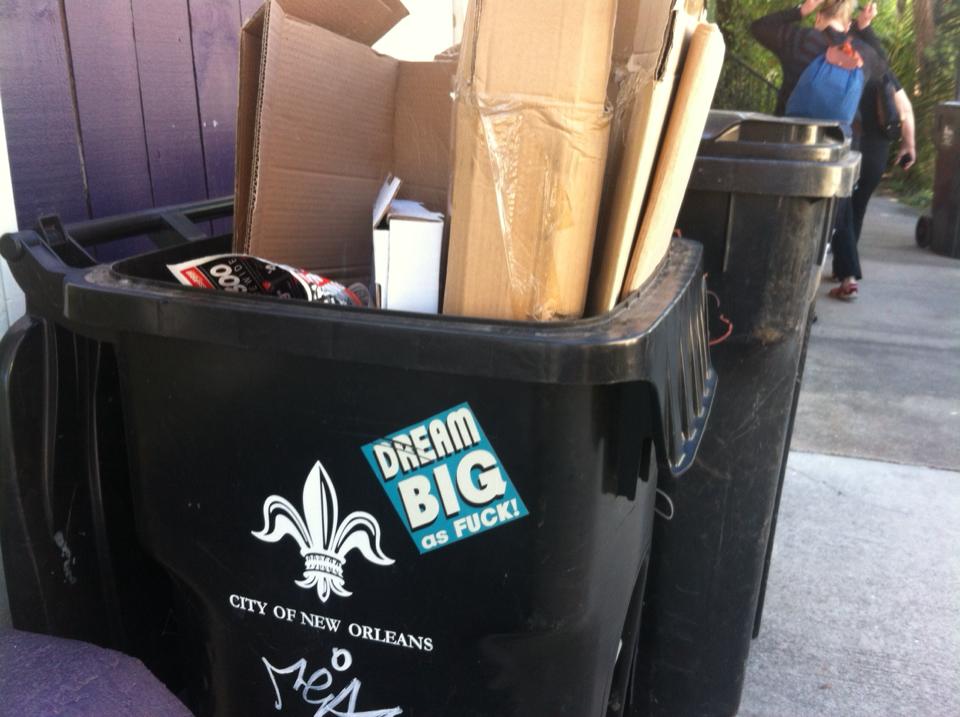
Here’s a suggested philosophy for life.  “Dream Big as Fuck!”–on garbage can?

Dream Big

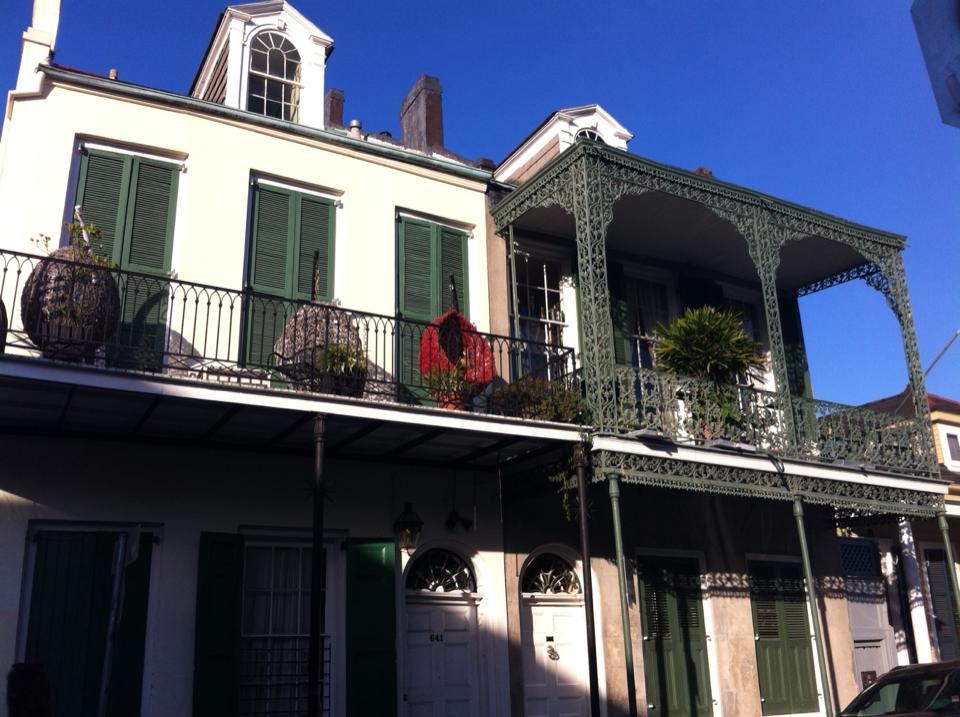
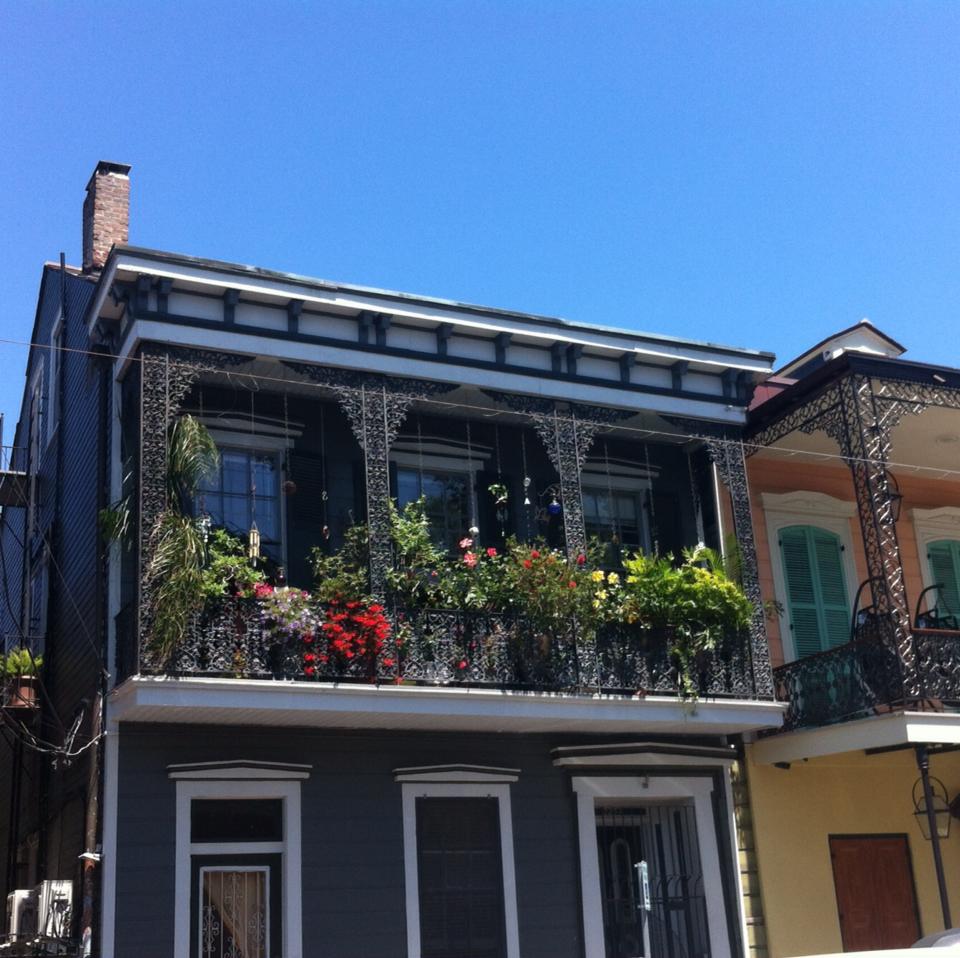
I could walk around New Orleans all day and just look at houses.

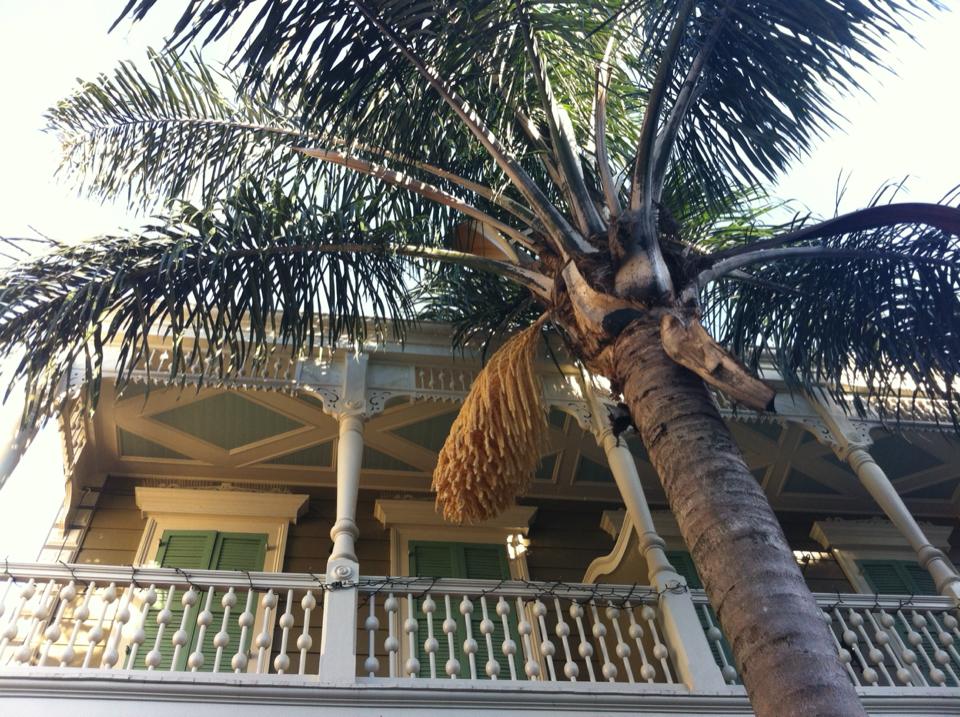
Balcon 1House 1 Balcon 2 Balcon 4 Balcon 5 House 2

Some of the porch ceilings are painted light blue, which I took to represent the sky.  However I later learned from the New Orleans Gambit newspaper that this color is called “haint blue” and it’s meant to keep out “haints,” or evil spirits.

Balcon 3

“It was believed that haints could not cross over water and painting these entrances to resemble water was a way to trick them. This folklore can be attributed to the Gullah, a group of African-Americans, originally from rice-growing regions of West Africa.”

I like to take the Hop On Hop Off Bus in a new city if it’s available.  It’s a good way to get oriented, and especially if the weather is clear and there’s a space on the top deck, it’s a nice respite from walking and crowds. Then, as the name implies, you can hop on and off to see various sights.

We hopped off in the Garden District to take a walking tour.  The bus stopped at a gas station that had The Filthiest Bathroom I’ve ever had the displeasure of using.  Nonetheless, I always feel obliged to buy something when I use a gas station bathroom, so I grabbed a bottle of water and stood in the non-line of people waiting to pay.  An impeccably-dressed man was next to me, and when I said “Have a nice day,” to the cashier he looked at me for the longest time, trying to figure out what I’d said.  Then he said something to me in such a southern drawl that I couldn’t understand him.  We laughed and smiled—the universal language—even when you’re supposedly speaking the same language.

Creole, Cajun, Casserole

This continues a series of posts about a road trip to New Orleans that starts here.

We had the same conversation every morning:

“What do you want to do today?”

“I dunno.  What do you want to do?”

“I don’t care.  I’m up for anything.”

“Okay then, let’s go!”

I had been to the city before.  One of the most memorable things I had done was a tour of a Creole plantation called Laura.  It was about what you’d expect: a wide lawn, big house, antiques, and vignettes of how people lived 150 years ago.  The house was a different style from Tara, the plantation you might recall from Gone with the Wind:

Oak Alley

This is actually a photo of Oak Alley, another plantation near New Orleans on which Tara was based. I think. Don’t quote me on that.  Anyway, it’s built in the English style, symmetrical and staid.  Built to impress.

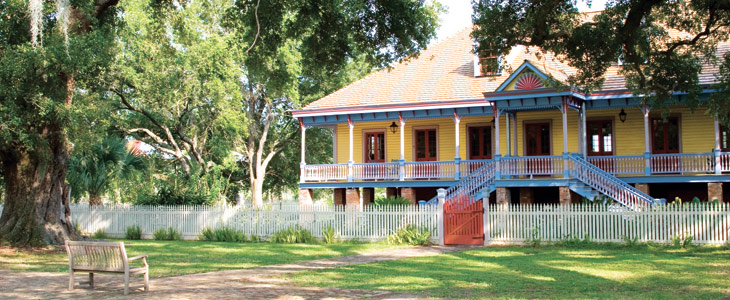
By contrast, here is Laura:

Laura

Very French, don’t you think?  Because that’s partly what Creoles are—a people of French or Spanish descent, sometimes with Afro-Caribbean or Native American mixed in.  They speak Creole, cook Creole, and make Creole music.

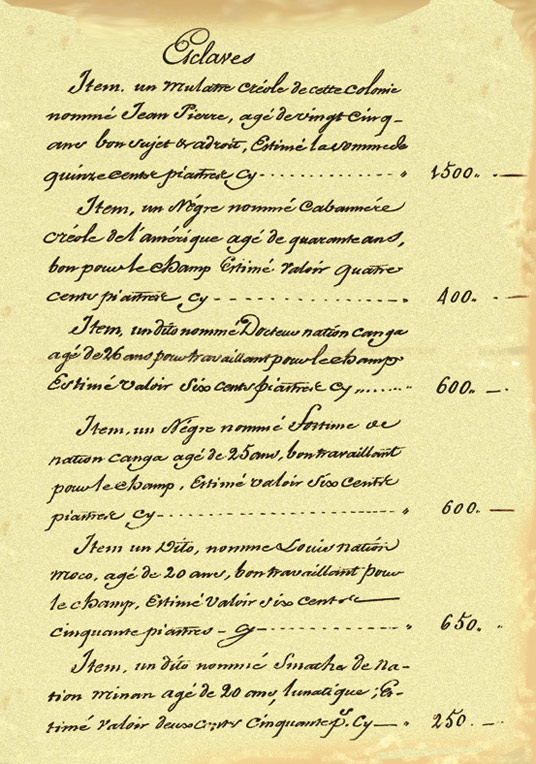
I was enjoying the tour of the plantation.  Then we stepped out back to the slave quarters and it was like everything turned from brilliant color to grey.  We “toured” a restored slave cabin, but only two or three of us could fit inside at a time.  Meant for a family, it was about half the size of a boxcar, made of rough-hewn wood and sparsely furnished.  Next we gathered outside so the guide could talk to us all at once, and that’s when I happened to turn and notice this behind me:

slave_list

You don’t need to read French to know this is a bill of sale for people.  My eyes welled with tears.  I’m teary right now.  The poor woman at the end of the list is a “lunatique.”  What did that mean?  Was she schizophrenic?  Autistic?  Rebelious maybe? Would someone have bought her because she was cheap?  For what purpose?  Ugh.  Double ugh.

I passed around the brochure about the tour and told Lynn, Molly, and Christine about it.  No one wanted to go.  Maybe I should have left out the part about the lunatique.

When I was younger I would have pressed and wheedled until I guilted everyone into going, because I thought it was an important, historically significant tour.

But I got it.  Lynn and I had spent half a day in the civil rights museum learning about slavery and lynchings and Jim Crow.  Molly is a head start teacher whose kids live in trailer parks and whose parents are in jail or on drugs.  Christine works for Oxfam, which aids people in disasters and wars.  I got it.  We didn’t need to be “sensitized.”  And we were on vacation!

You may be wondering, “What’s a Cajun?” since I wrote about Creoles above.  Cajuns are descendants of Acadians, who lived in eastern Canada and the Northeast U.S.  When the British took over this region, the Acadians, who are French and Roman Catholic, refused to sign an oath of loyalty to the crown.  They wound up in Louisiana, either voluntarily or forcefully exiled, and that was a much better fit for them.  As with the Creoles, the Cajuns have their own food, music, and language.

So there’s this theme in Louisiana of cultures coming together—French, English, and Spanish; African, Caribbean, and American Indian.  It seems like they mostly got along, although that may be because they stuck to their own territories.  In New Orleans, for instance, Canal Street marks the boundary between the old English and French parts of town.

Back at the B&B, we had our own little cultural casserole.  The English couple avoided the Germans, who were sour faced but friendly in their serious German way to the Dutch pair. The French couple seemed anxious about everything while the Scotts and Canadians were outgoing.  I had two free bus tour tickets and offered them to the group.  The Germans recoiled as if I were trying to hand them a rotting fish, while the Dutch couple eagerly grabbed them.

Then and Now

This continues a series of posts about a road trip to New Orleans that starts here.

We pulled out of Memphis and began our third 400-mile drive.

This was the most scenic part of the trip.  The rolling hills continued, one long ascent followed by a long descent, followed by another and another and another.  There were woods on both sides punctuated by blooming Magnolias and occasionally something that appeared to be bougainvillea blanketing a full-grown tree.  That was spectacular.  Most of the drive was through Mississippi, which does not have a motto.  It does have a coat of arms which includes the phrase Virtute et Armis (by valor and arms).

And here I must correct what I wrote about Minnesota.  “Land of 10,000 Lakes” is what’s on our license plates, but our official motto is L’étoile du Nord (Star of the North, or in Latin, “I long to see what is beyond.”)

That could explain a lot about me.

Once again, Lynn and I postulated about what could be wrong with the car.

“Maybe it’s overheated,” she said.

“But why?” I asked.  “We’ve only driven 50 miles.”

I had driven many cars that were in much more alarming shape than this one.  When Vince was a baby I had a Buick LeSabre that was so old it didn’t have seat belts.  I would stick Vince in a banana box and put him on the back seat.

Lesabre

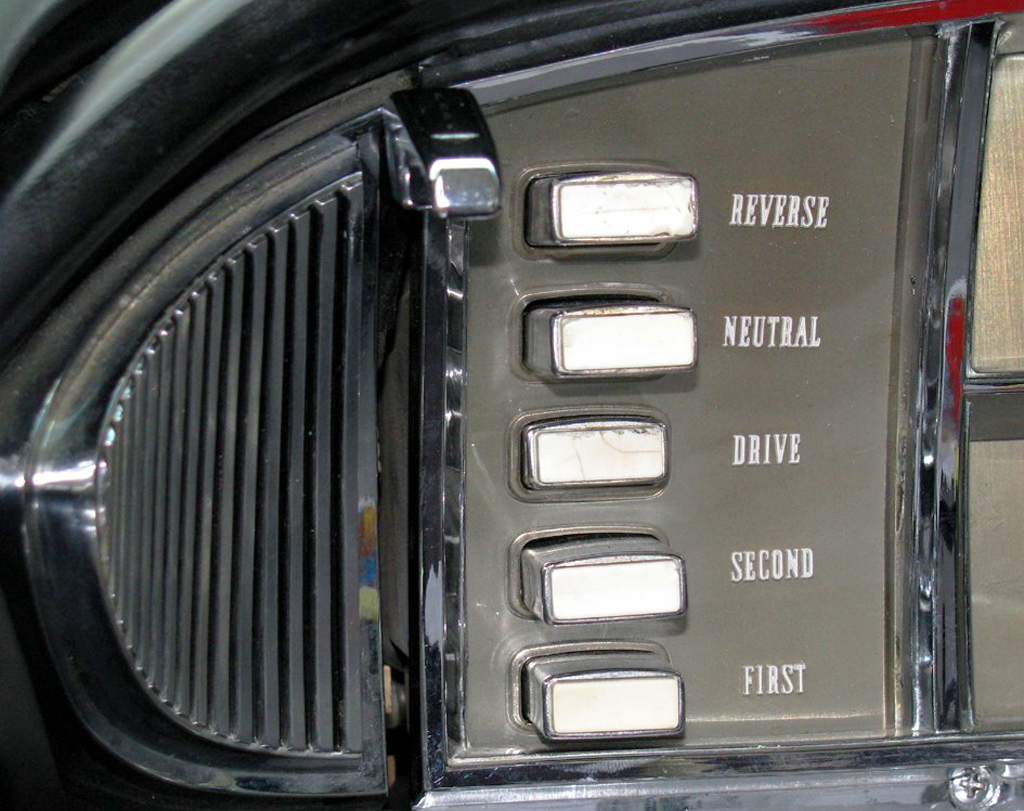
There was the 1964 Chrysler Imperial with push button gears on the dashboard.  Now it’s a very cool collector’s car, but in 1978 it was just a “winter beater,” as we called cars that were expected to just barely get us through the winter.

1950s-gear-shift-g

There was the car whose driver’s side door had to be held shut by…my arm.  There was one that never ran.  Never even started.  I bought it from a neighbor for $125.  He pushed it down the alley into my backyard after assuring me that all it needed was a carburetor.

I went to a junkyard and bought a carburetor out of wrecked car for $50.  My brother and his friend Hans came over to install it.  The result was Hans running down the alley with his hair on fire, waving his arms trying to put it out.  My brother tackled him and rolled him in the dirt before any serious harm was done beyond a temporary bald spot.  I had to pay $75 to have the car towed to the same junkyard where I’d bought the carburetor.

So why was I so worried now?

But then a second, bigger engine light came on with a loud DING DING.  I pulled off in the nearest town, Canton, Mississippi, and parked in front of a liquor store, where I called AAA while Lynn read the manual.  I had forgotten there was a manual.

The AAA representative had such a heavy southern accent I was forced to admit, “I’m sorry, but I can’t understand what you’re saying.”  She repeated herself slowly.  “We can come and tow your car, and you’ll have to find a motel in Canton for the night.”

Just then a monster truck roared into the parking lot. An enormous black man got out and came storming toward us—Lynn literally leaned away from him as he loomed into her window, while I fumbled to lock the doors.

“Ya’ll okay?” he asked.  “Ah didn’t mean ta scare ya!  Ah seen yur car and it don’t look ya’ll from ‘round here and ah thought ya might need help.”

Lynn and I laughed with relief and assured him we were fine.  When he was out of earshot, we analyzed our reaction and agreed we’d been scared because he was a huge, aggressive man and we were in a strange town, not because he was black.

Lynn read from the manual, “If the engine light is red, you should pull over immediately and call for help.  If it’s orange, you may continue driving but have the car looked at your earliest opportunity.”

The lights were orange.  Surely, another 200 miles couldn’t do any harm.  On to New Orleans!

Viva, Viagra!

This is the latest in a series of posts about a road trip from St. Paul to New Orleans that starts here.

After recharging with burritos and bucket-sized ice teas, Lynn and I hit the road for the last leg of the drive from Chicago to Memphis.

We wanted to drive through Paducah, Kentucky.  We liked the name.  It would have been our homage to David, our innkeeper in Chicago, and we could have added a fifth state to our route that day.  But even with a GPS and a map we couldn’t figure out how to get to it.  For what seemed like hours—because it was hours—it looked like we were on the verge of crossing the state line into Tennessee and that Memphis would be right on the other side.

“There’s the sign!” said Lynn.  “Tennessee—The Volunteer State?”  Whatever does that mean?”

“I don’t know.  Something to do with the Civil War?”

I tried to find out later why Tennessee is called the Volunteer State lost interest after 3,000 words about the conflicting stories about which war originated it.  Suffice it to say it was some war with England or Mexico or the northern United States.

All 50 states have mottos.  We had passed through five states so far.  The slogans of Minnesota and Illinois are straightforward: Land of 10,000 Lakes and Land of Lincoln (Abe Lincoln was born in Illinois).  Arkansas’, through which we had passed briefly, was Regnat Populus, which means “The People Rule.”

Missouri’s slogan is the strangest—it’s The Show Me State.  The official explanation is that in 1899 a Missouri Congressman said:

“I come from a state that raises corn and cotton and cockleburs and Democrats, and frothy eloquence neither convinces nor satisfies me. I am from Missouri. You have got to show me.”

I liked it better when I thought it might have something to do with voyeurism.

We checked in to the Holiday Inn in downtown Memphis, which I had chosen because it was two blocks from Beale Street and had $22 overnight parking.  I checked the odometer—we’d driven 995 miles since leaving St. Paul.

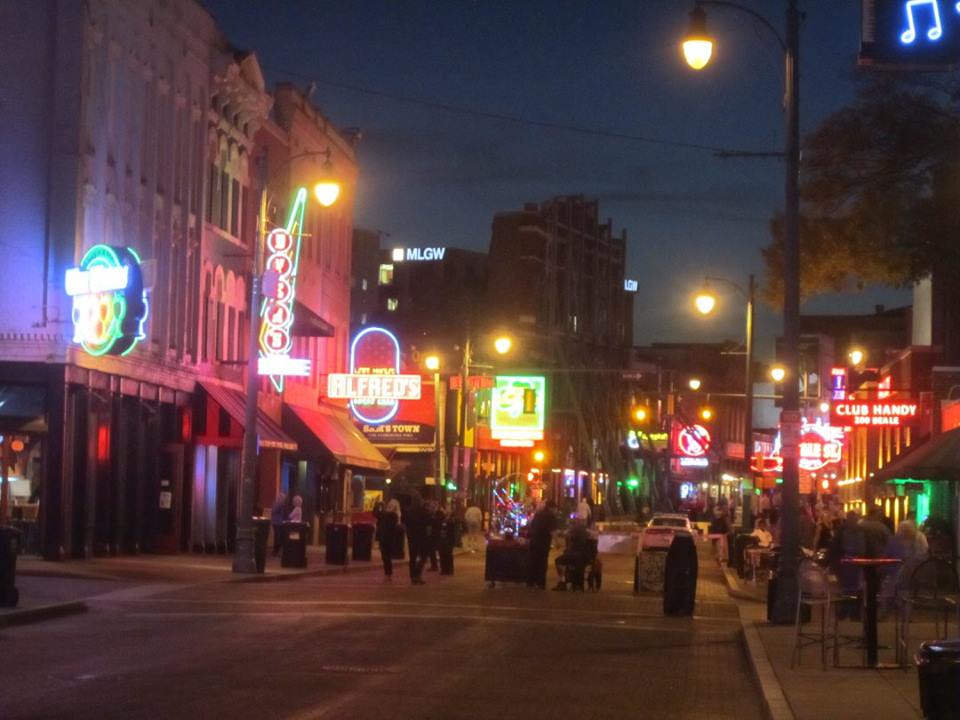
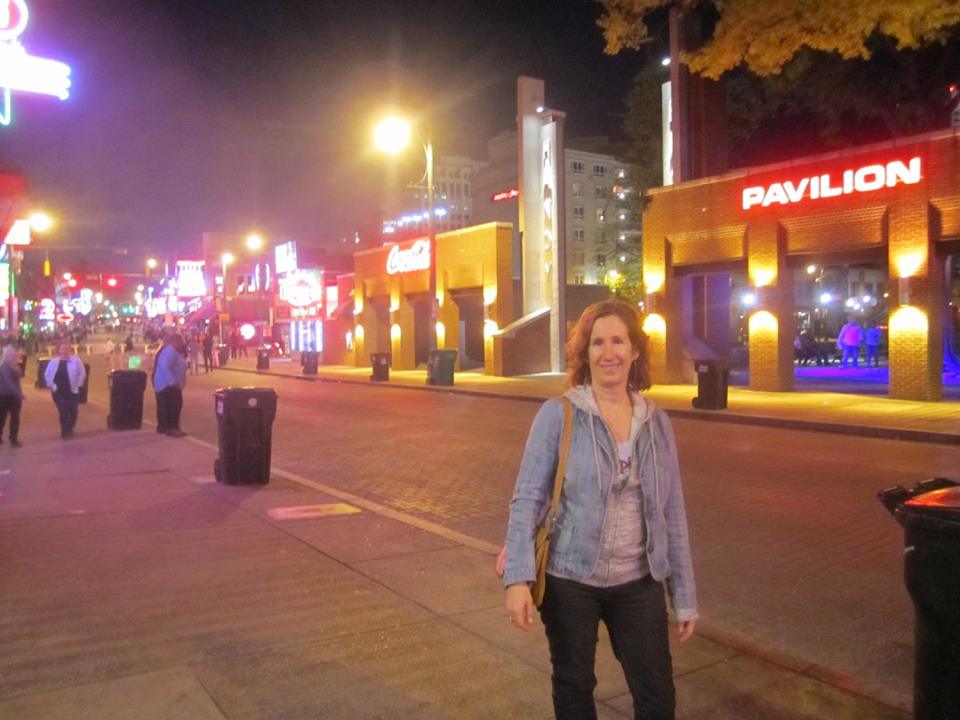
Within 15 minutes we were out on Beale Street, which is supposedly where rock and roll was created.  Or the blues, I can’t remember.  Because Chicago also calls itself the Home of the Blues, and of course New Orleans’ claim to fame is jazz … so it’s hard to keep it all straight.  If you’ve ever been to Hennepin Avenue in Minneapolis or Division Street in Chicago on a Saturday night, that’s what Beale Street is like.  Neon signs.  Bars and more bars, with music pouring out of them and tipsy people wandering from one to the next, laughing.

BealeBeale St Me on Beale

Lynn and I got some drinks and sat on an outdoor patio, listening to the house band.  This was the first of many moments when I would feel like I had been dropped into a giant, never-ending Viagra commercial.  I said this—or shouted it—to Lynn and she gave me the blank look of someone who has never seen a prescription drug commercial.  Because there are no prescription drug commercials in the UK.  So to Lynn, and other readers who have a National Health Service instead of a Medical Industrial Complex, that link’s for you.  Imagine seeing adverts like that 5-6 times during your favorite TV program.

We’re everywhere, we post-WWII western baby boomers.  Now that we’re beginning to retire in mass numbers you will see us at every festival, concert, and tourist attraction.  Boomer men, in particular, have a thing about guitars, and being cool, and fancying themselves as musicians.  Their standard gear is jeans and a white T-shirt with a plaid shirt over it, and either cowboy boots or sneakers.  Fedoras are required at jazz venues.

I don’t mean to be critical.  I’m a boomer myself, although at the tail end, so I’ve seen “my generation” surge along through the pipeline of history all my life.  We get blamed for ruining the economy and we are said to be blazing a trail for “vital aging” for younger generations.  Thank god there was no Viagra in 1946.

The Other Country

I woke at 5am.  My plan was to go to Walgreens—conveniently located at the end of the block—which opened at 7am.  I would buy all the auto fluids they had and pour them into the car in hopes it would make it to New Orleans.

I dressed and slunk out the door to the nearby coffee shop. When I returned, David our innkeeper greeted me and started recounting his early days in Chicago. I had time to kill, so I sat back and enjoyed my coffee and David’s stories.

He had come to Chicago from Kentucky to attend college in 1977.  So David and I were the same age.  He seemed older, like he’d weathered some pretty tough times.

Anyway, his arrival coincided with the Tutankhamen exhibit at the Field Museum of Natural History.  I remembered “Tut Mania” well.  My mother had driven to Chicago with some friends to see the exhibit and came back with T-shirts with images of scarabs and Egyptian cats and—of course—King Tut.

David was taking a class from a professor who was a world expert on Tut, and who was leading the logistics for the exhibit.

“The train from Egypt was escorted by armed guards with shoot-to-kill orders,” he said.  “They packed everything in Styrofoam so if the ship sank, all those priceless antiquities would bob back up to the top.”  He explained that Tut had been a very minor king who was only famous because his tomb “wasn’t very ornate,” and thus hadn’t attract the attention of tomb robbers.

Tutanchamun_Maske Tutanhkamun_innermost_coffin

Talking about King Tut and his college days, David grew animated and could have passed for an archaeology professor himself.

Have you ever heard of magical thinking? That was me as I started the car up after a 36-hour rest.  Somehow, the engine light wouldn’t come on, right?  Wrong.

But there was no going back—we were gonna make New Orleans by Wednesday! Back at the inn Lynn was enjoying breakfast and another of David’s soliloquies.  He was talking about Kentucky again.  “Most people think it’s like Deliverance,” he said.  I gave Lynn a blank look that said, “He’s right.”

Travel does not equal adventure, or vice versa.  Adventures can be delightful but more often, at least for me, they involve dealing with something strange, stressful, or slightly scary.

Once again, the car was fine above 75 miles per hour but shook if I slowed down.

“I wonder if I got a bad tank of gas at the Cranberry Discovery Center.”  This would be the first of many hair-brained theories about the car.

“Maybe it’s the spark plugs,” Lynn suggested.  Then, sheepishly, “Does it have spark plugs?”

“I don’t know!”  The Mini’s engine was sealed inside a sleek black box.  It was just like BMW to make something stylish that prevented access or even viewing.

“Maybe when I get a new tank of gas it’ll fix itself.  I’ll stick to gas stations near the freeway that sell a lot of gas, to make sure I get a fresh tank.”  More magical thinking.

The landscape slowly changed, from flat and sere to lush, green, and hilly.  The car struggled up the hills.  But maybe if I just kept driving… we drove from 9 to 3:30 with two five-minute pit stops.

Finally, starving, we stopped in Charleston, Missouri.  The “downtown” was deadsville.  The only place open was a thrift store.  I asked if there was a place to eat in town.  The response I got from the woman at the register sounded like this:

“Ya’ll gawla rawla dayown aray-owna Mexican raistrawnt gonna donna lowna haw-way.”  Lynn beat it out the door.  I fought the urge to follow her while my brain worked to make sense of what she’d said.

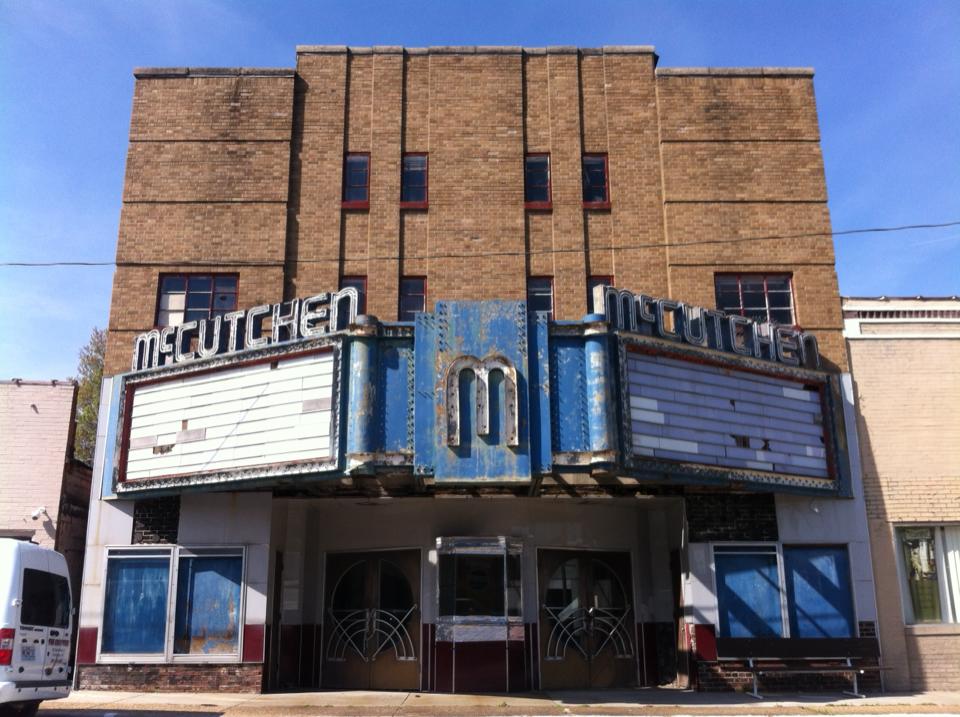
A customer stepped forward and said, slowly, “She said there’s a Mexican place out by the interstate.”  I thanked him and we drove out of town, pausing only to take a photo of this poor old theater.

Old Theatre

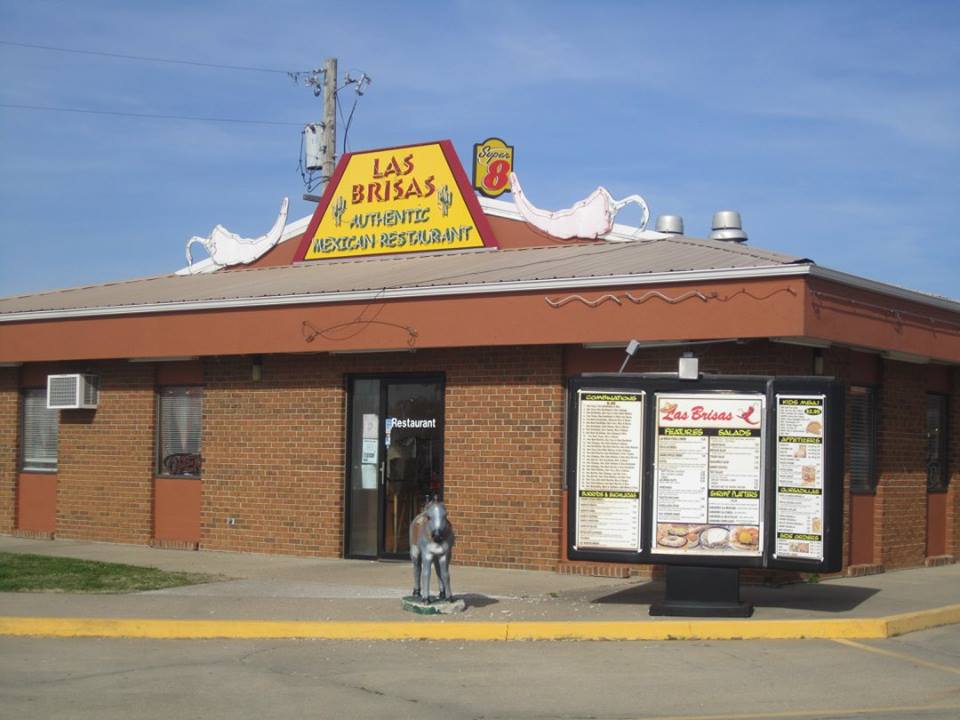
We found Las Brisas and ordered iced teas, which were served in pitcher-sized plastic cups.  Listening to the accents around us, we felt like we were in a foreign country, but it wasn’t Mexico.

Las Brisas

Bobble Heads in Chi Town

This post is part of a series about a road trip to New Orleans that starts here.

I had a surprise up my sleeve for Lynn.  It was a piece of Americana she couldn’t miss, I thought, so after we had our fill of Tiffany at the Cultural Center I led us northwest through the city.  Did I mention it was cold, and how I was dressed for New Orleans?  We stopped in the first of many Walgreens we would see on the trip and bought matching, stupid-looking but warm hats with giant pompoms that bobbed as we walked.

What is it with all the Walgreens? I like Walgreens, but do we really need one every few blocks?

We approached our destination and Lynn was none the wiser until we walked in the door of … a MacDonald’s!  But this was not just any MacDonald’s.  This was the rock ‘n’ roll MacDonald’s. I had visited it every time I’d been to Chicago.  I don’t know why, but it was stuffed full of rock ‘n’ roll memorabilia—or at least it had been the last time I was there.  I was particularly enamored of a hologram—I couldn’t remember who it was—Elvis?  Hendrix?  There was also a life-sized sculpture of the Beatles from the Abbey Road album, and a classic car with characters from the Archie comic books.

mcd's 2 mcd's

These are photos from online, because all of it was gone—gone!

In place of all the fabulous rock ‘n’ roll mementos was an exhibit about … MacDonald’s.    There was no explanation and no indication that there had ever been any rock ‘n’ roll exhibit. I tried to paint a picture of it to Lynn but of course it was impossible.

The building is still cool and there was a lot of mid Century Modern furniture, which I love. So we looked though the exhibit which also included non-MacDonald’s-related stuff from the 50s, 60s, and 70s like hula hoops and manual dial telephones and Twister, plus references to historical events like the Vietnam War and Nixon’s resignation.  We shifted to a different style of tables with each decade, and Lynn nearly fell over trying to get onto a high-concept but wobbly stool.

mcd's 3 mcds

It was okay, but I was really disappointed. We walked across the street to the Hard Rock Café.  Maybe the collection had been acquired by them?  But no, there was no sign of it.

We had a cup of coffee and I asked Miquel, our server, the most scenic route to Rogers Park, where we would meet my niece and her boyfriend for dinner.

Miguel was full of suggestions.  We had plenty of time, so I decided we could take the slow bus that would give us views of the lakefront.  We waited half an hour for the 151 bus in the blistering wind.  It crawled through traffic and just when I thought we were set for a nice scenic ride, the driver shouted, “End of the line!  Everybody off!”

There are two kinds of bus drivers: friendly, helpful ones and crabby, unhelpful ones.  Ours was the second type.

“Will there be another 151 that goes to the end of the route?” I asked.

No,” was all he had to say.

“How far is it to Belmont Station?”  He waved his hand dismissively and said, “Too far to walk.”

“How far is it to Rogers Park?” I asked.

He just laughed derisively, so we hopped off the bus to find ourselves in the middle of nowhere.

It’s times like this that I’m glad to be 56 instead of 26.  Back in the day, this would have been a disaster, and I would have walked all the way to Rogers Park and probably gotten frost bite rather than pay for a cab.  Instead, I hailed a taxi and we were there in five minutes.

Erin and Chris had picked a great Peruvian restaurant and brought a six-pack of local beer to share.  It was nice to catch up with them.  The food was abundant and they took home enough leftovers to last a week.

We took a taxi back to the inn.  I hadn’t thought about my car all day.

Long Talkers, Tiny Rooms, and Tiffany Joy

This post is part of a series about a road trip to New Orleans that starts here.

After what seemed like hours, Lynn and I stumbled out of the van Gogh exhibit.  I blinked like a mole because it had been so dim in there.  I needed to find a bathroom and asked a nearby guard, who launched into the story of her life, which included having diabetes, moving to Chicago from Gary, Indiana, and being a weight lifter.  I made the mistake of saying, “I lift weights too,” and that gave her license to talk some more.  She wasn’t talking with me or even to me; she was just talking.

Lynn had done an about face right away but I would have felt mean walking away. In my imagination I filled in the story of her life—how she must be an impoverished single mother who had to do this excruciatingly boring job, how it must be so hard on her back to stand all day, and so on.  Then I remembered I needed a bathroom, butted in to ask her again, and made my escape after many Minnesota-nice thank yous and repetitions of “Have a nice day!”

This type of talking was a theme on our trip, I realize in retrospect.  People launching into long, one-way recitations about themselves, with no encouragement from us.  There were never any questions about us—none of the give and take that  turns talking into conversation.  It’s like being held prisoner by words.  What is that about?  I’ve experienced it from time to time throughout my life but is it more prevalent now?  Does it have something to do with social media and people wanting to tell their stories?  Is it a symptom of loneliness and isolation in our modern society?

Speaking of long talkers, David our innkeeper had recommended that we see the miniatures at the Art Institute.  “I took mama and Miss Rose to see them, when they visited from Kentucky,” he said. “Mama didn’t say nothin’ the whole time.  I wondered if she didn’t like it. Then I finally said, ‘Mama, don’t you like them?’ and she said, ‘Oh I do!  I do, but I can’t imagine dusting all of them!’”

I laughed and Lynn fake laughed but I could tell she was puzzled.  Once we actually got to the miniature rooms and she saw what they were, she explained why.  “When he said miniatures, I thought of tiny portraits that people used to have done before there was photography.”  Here is an example of an English miniature:

English Miniature

Here is what the miniatures in the Art Institute are:

Miniatures 2 Mini Rooms

Miniature rooms from various periods and countries—hundreds of them.  They are really fun to look at and yes, they must be a pain to dust.

We thought we were done but to reach the exit we had to walk through the Asian section.  So we took another hour or so to admire works from Japan, Indonesia, China, and India. Lynn has been to all these places.  She’s Anglo-Indian and has been to India many times.  She worked for Oxfam in Aceh, Indonesia after the Indian Ocean tsunami.  So she’s learned a thing or two about the vast territory covered by the label “Asia.”

“But I never retain anything I’ve learned,” she explained.  So she knew which god was Ganesh and which was Krishna but I was definitely going to have to Google them later to learn more.

David had also recommended that we visit the Chicago Cultural Center, one block north and across Michigan Avenue from the Art Institute.  “It was a library, but now they hold concerts and have art exhibits there, and it’s fabulous,” he said.

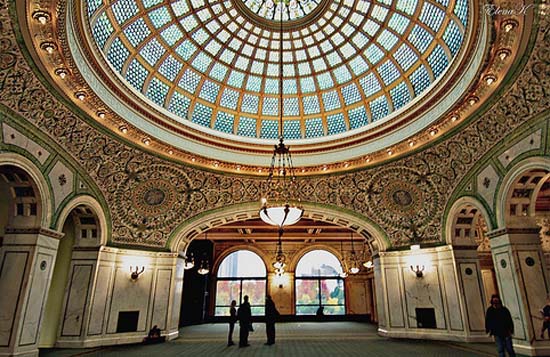
And he was right!  I had never even heard of the place, and it turned out to be the highlight of Chicago for me.  The building was completed in 1897 and features the largest dome of Tiffany glass in the world:

Tiffany Dome

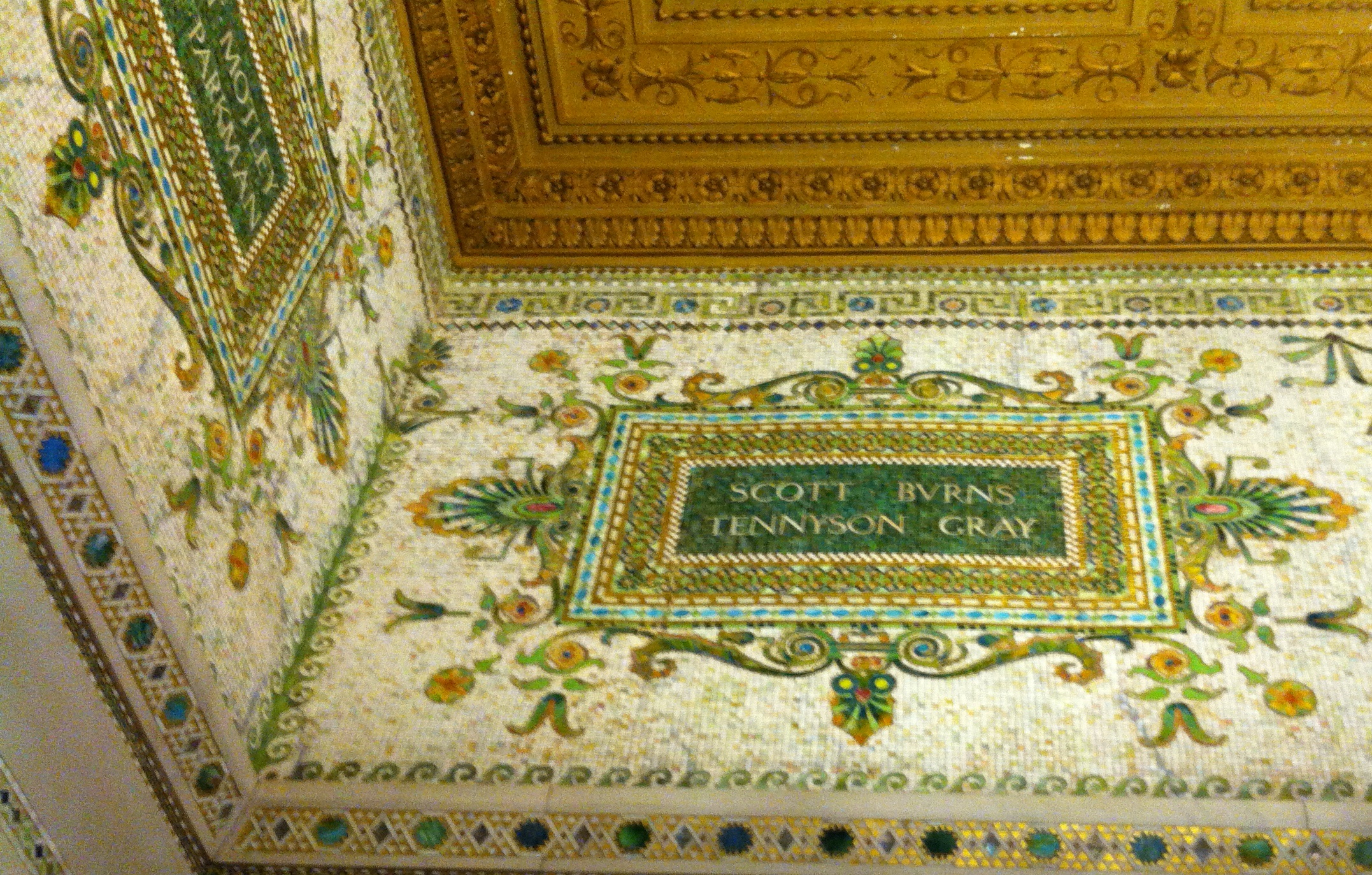
I loved the details.  It wasn’t called The Gilded Age for nothing:

Tiffany Close Up

I was happy to realize that I still had many classic works left to read: Scott, Burns, Tennyson, Gray.  Someday—when I can no longer travel.

Writers

Artisanal Art

This is the fifth post about a road trip to New Orleans that starts here.

Lynn and I spend hours in the Art Institute.  We lingered with the impressionists, then she specifically wanted to see “American Gothic” by Grant Wood.

I found a sweet little website for children, or maybe just simple-minded people, that describes the painting: “After he made sketches of the house, Grant looked for just the right people to go with it.  He thought his family dentist and his own sister, Nan, would be perfect for the farmer and his daughter.  Grant entered American Gothic in a big show at the Art Institute of Chicago, and won the third place prize.  People all over America loved the newspaper pictures they saw of it.  Soon, Grant’s paintings started to become very popular.  One reason for this was that many people felt Grant’s art was easier to understand than a lot of the new modern art being done.”

american_gothic

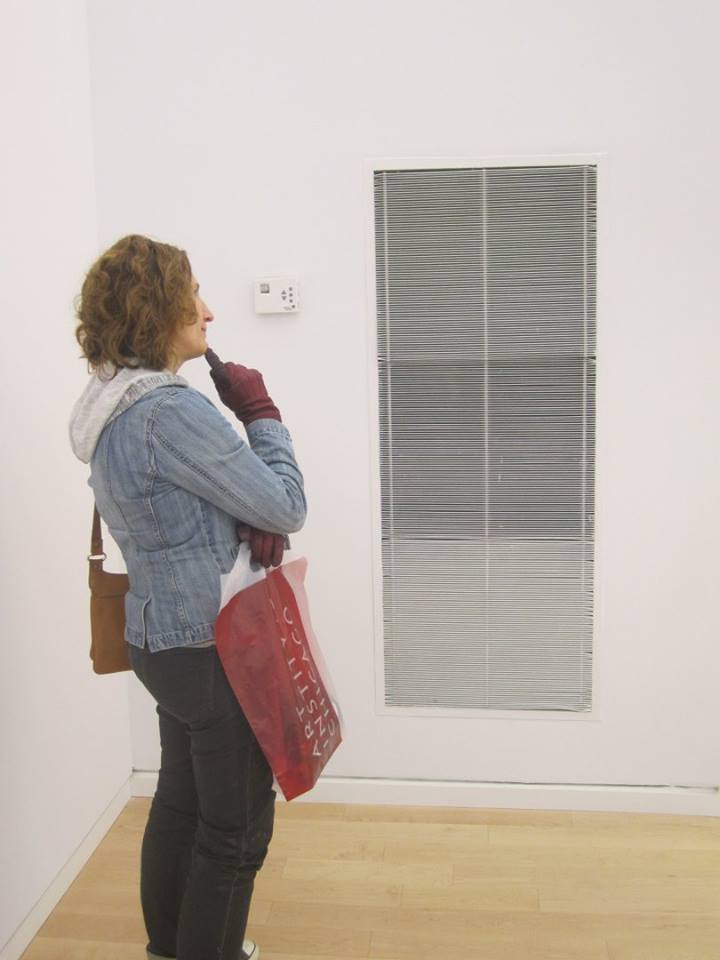
I could relate to that later, when we visited a modern art exhibit:

Art 1 Art 2

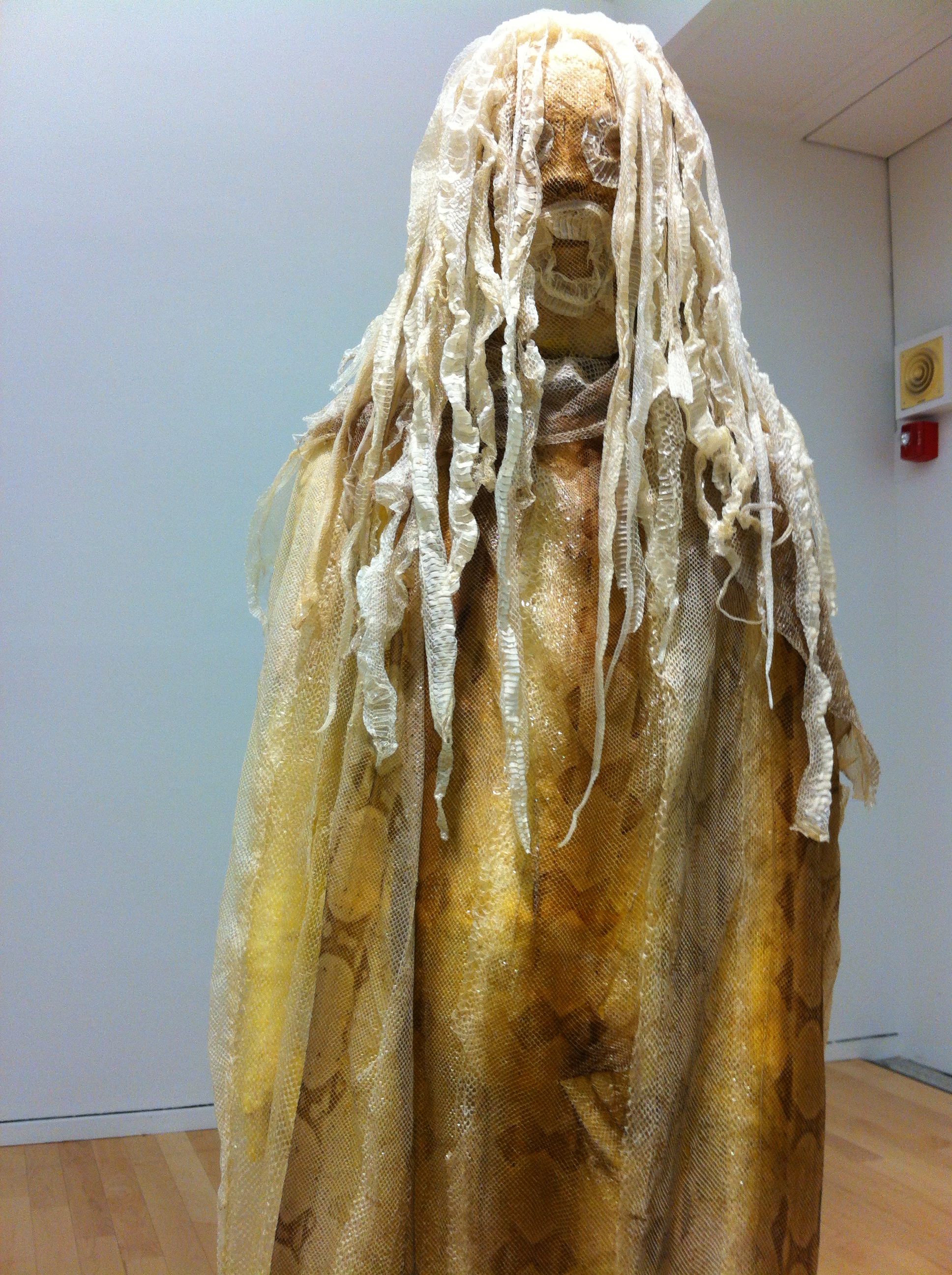
The second photo is actually an air vent, but really, how different is it from the “real art” on the left?  Maybe I’m just a philistine.  But then there was this, made entirely of snake skins:

photo 4

We waited in line for lunch in the shi-shi café at the Institute. The young cook kept up a stream of talk while he worked.  Or, that is, he stopped working every time he started talking. He wasn’t talking to us; it was like a stream of consciousness. After 25 minutes we finally reached a table with our stir fries and some fortifying red wine.

Two couples from St. Louis sat next to us at the picnic-style table and struck up a conversation.  They were all eating giant sausages. Lynn peered at them dubiously.

“This one is a Chicago style brat,” the woman next to me explained.  “And this one is a Polish sausage—there’s a big Polish population in Chicago.”

“And this is a wiener,” said her husband.  Lynn turned to me and gave me her special blank expression that said so much.

After they had wolfed down their sausages, Lynn had her say.  “None of those were proper sausages!  A wee-ner,” she dragged out the name to emphasize its silliness.  “What’s a wiener!?”

“I don’t know, but I’m sure whatever’s inside isn’t good.” I said.  “My mom used to buy them by the dozens and keep them in the freezer.  We would eat them like frozen treats.  A couple years ago there was an outbreak of a mysterious neurological illness at a meat packing plant in Minnesota.  They were using a new technique with high-pressure hoses to blast out every bit of brain matter from pigs’ skulls.”  Lynn recoiled in horror, rightly so.

“I’m so glad I stopped eating pork years ago!  I’ve never paid much attention to British sausages, or to American ones for that matter,” I said.

“British sausages are very different to what those people were eating.  We would never eat anything like a wiener!”  Lynn tried to describe how wonderful and superior British sausages were but it was lost on me.

These are the kinds of conversations you have when you travel with someone from another country.  They’re amusing and confusing, and eventually I find myself Googling “British sausages” late at night.

Back to the impressionists.  There was a special Vincent van Gogh exhibit called Three Bedrooms.  Lynn pronounced his name “van Goff.”  In America we say “van Go.”

There was an interpretive film. They had physically recreated the bedroom.  There were other artists’ paintings of bedrooms or some such.  And on and on.  It really put the “anal” in artisanal.

Then, finally, the three paintings:

Vincent van G

Now, I like Vincent van Gogh as much as the next person.  Again, maybe I’m just an ignoramus.  But I can hear the marketing department at the Institute brainstorming: “I know!  Let’s find three almost-identical paintings by some name-brand artist, make up a story about them, and call it an exhibit!  We can charge extra and sell lots of merchandise!”

The merch part was good, as I was able to buy my Vince a Vincent t-shirt. One souvenir crossed off the list.