Tag Archives: travel

Holywatermeister

Ingrid and I were in the quiet resort town of Fuschlsee in the Austrian Alps.  “Quiet” is an understatement; it was completely dead.  We kept walking along the lakefront, hoping to find one place open where we could get a cappuccino.  We found one resort that was open but wasn’t serving anything.  They graciously let us use the bathroom, and gave us directions to another resort that they thought would be open.

We walked through the resort to get to where they had pointed us.  It was sprawling, with multiple restaurants and bars, a spa, gardens, and a game room for kids.  It reminded me of one of my travel dreams.  One of my favorite writers is Somerset Maugham, and he used to spend weeks at a time in resorts like this in the Swiss Alps.  He would sleep late, eat a big breakfast, take a long walk, read the paper, write for a few hours, take a nap, then proceed to happy hour, dinner with fellow sojourners, maybe a spin at the casino or a show, then early to bed—all done among beautiful lakes and mountains.

We walked up the foot of the mountain to the other resort and it was shut tight, so we gave up and walked back to the bus stop.  This taught me an important lesson: When a Hop On Hop Off ticket seller tells you to only hop off at certain stops, it’s for your own good.

The next stop was a scenic overlook where we could all hop off, take a photo, then hop back on and be whisked away to the next stop.  When I used to live in Oxford, it was common for tour buses to do this in front of some of the most famous sites, and I sneered at the practice.  But hey, in this case there really was nothing to do except take a photo since it was basically a cliff.

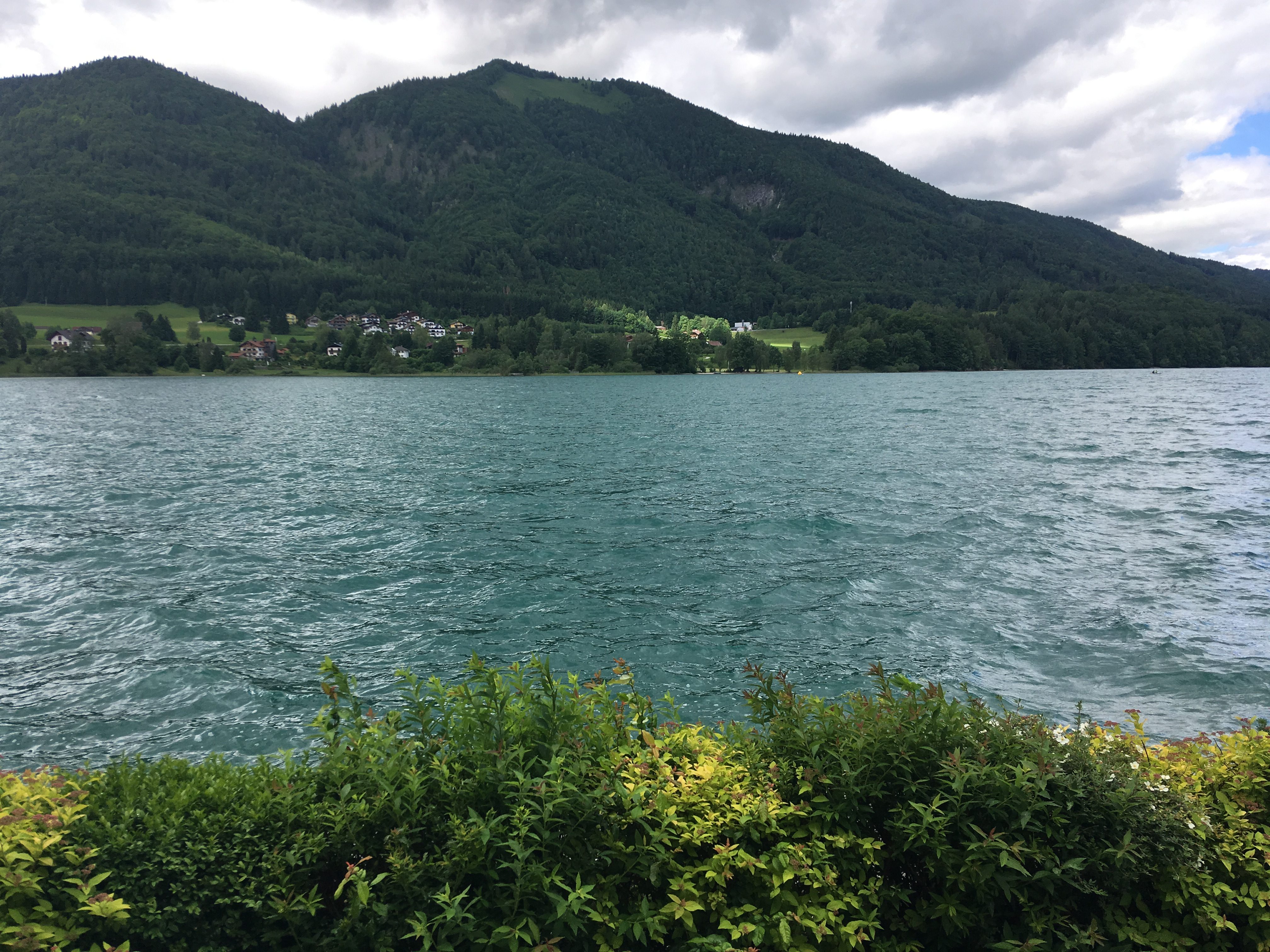
Here I am, overlooking Lake St. Wolfgangsee.
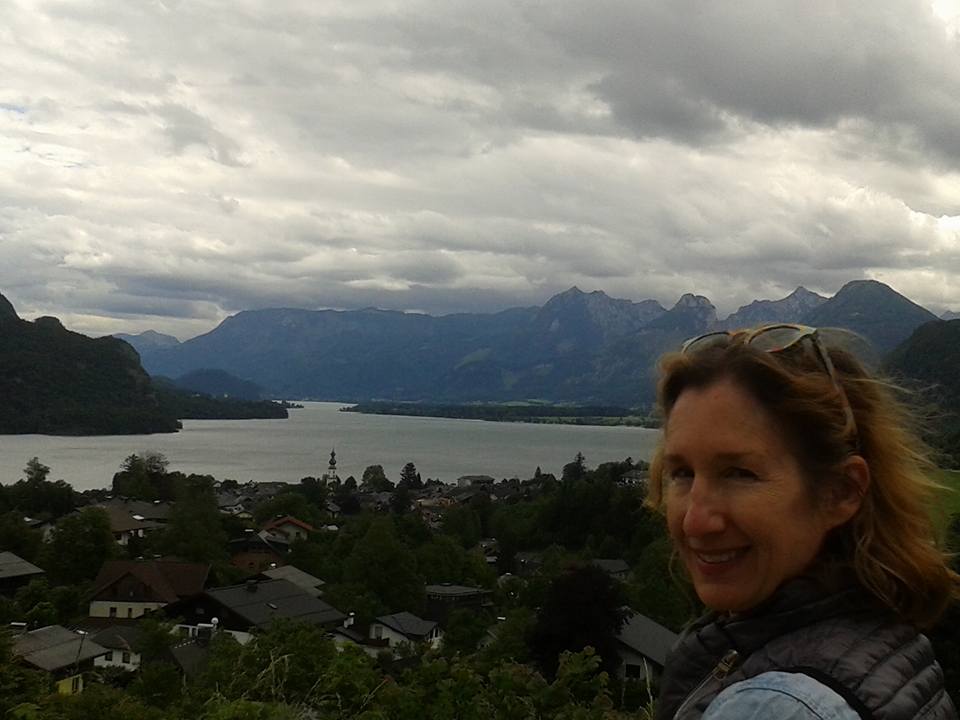
Yes, there was a St. Wolfgang, and yes they named a lake and a town after him.  The bus took us into the town, where the first thing was saw was gondolas.
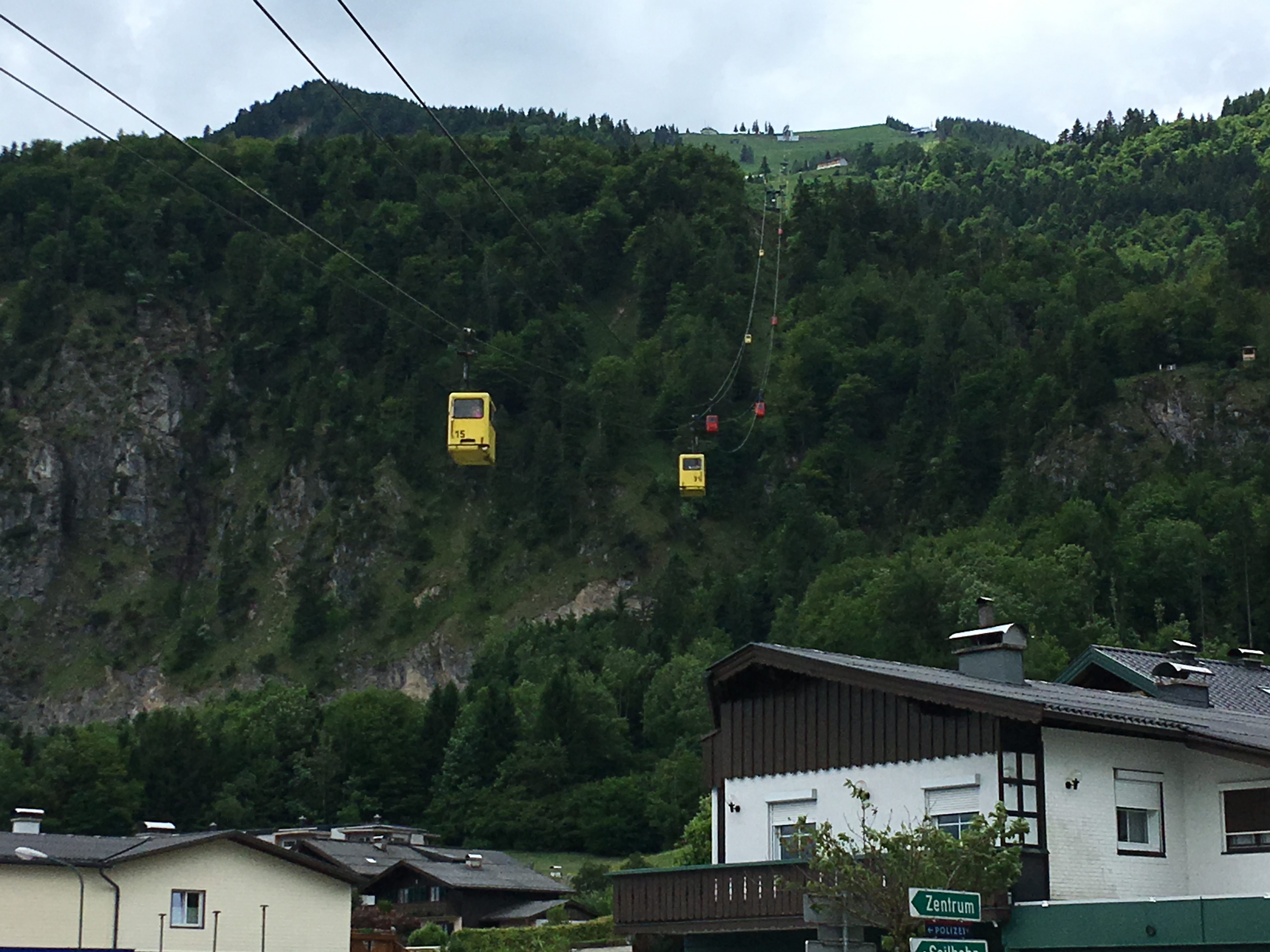
“Do you want to ride one to the top of the mountain?” Ingrid asked.  I really didn’t but if she wanted to, I would.

“Let’s see how much it costs, and what’s up there,” I suggested, stalling.

“Twenty-two euros—that seems like a lot,” Ingrid commented as we looked at the prices.  “But I’ll do it, if you really want to.”

“No, I don’t!”

“Oh, good!” she responded, sounding relieved.  “I’ve done it with Chris and the kids, but I never need to do it again.”

“Me too—I did it in the Canadian Rockies once and that was enough.

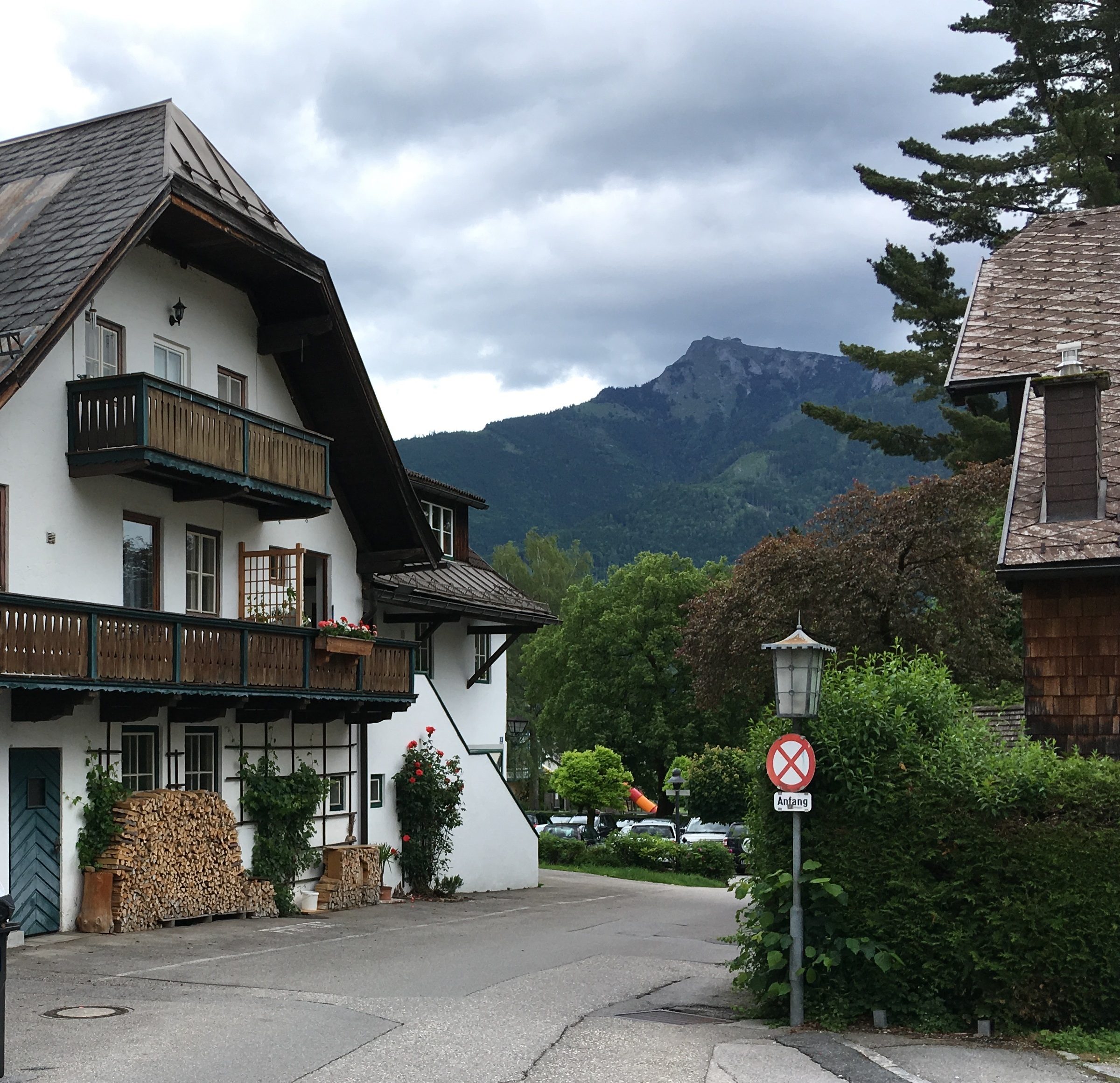
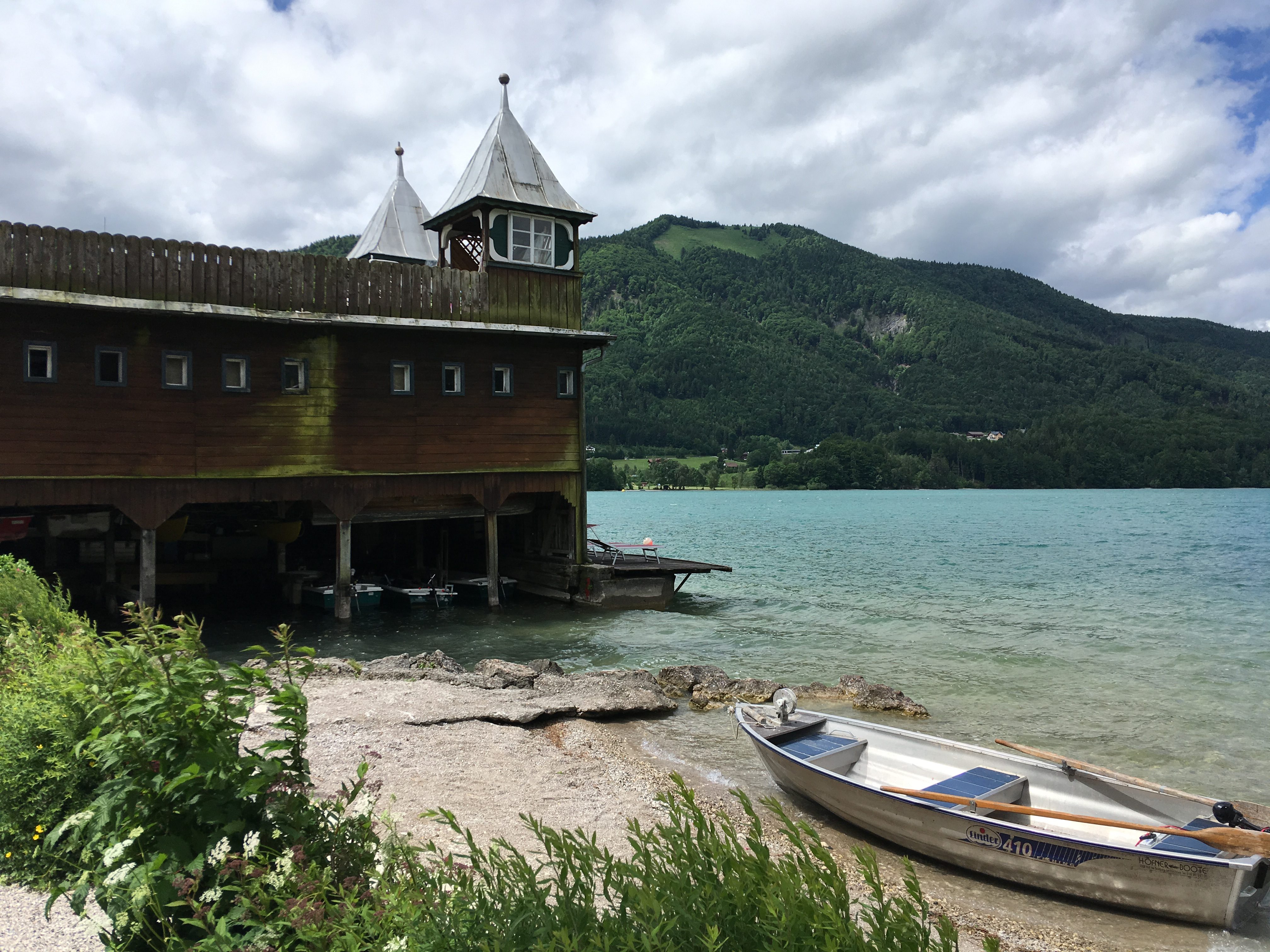
We walked down to the lake.  The town and the lake were very pretty despite the dreary weather.
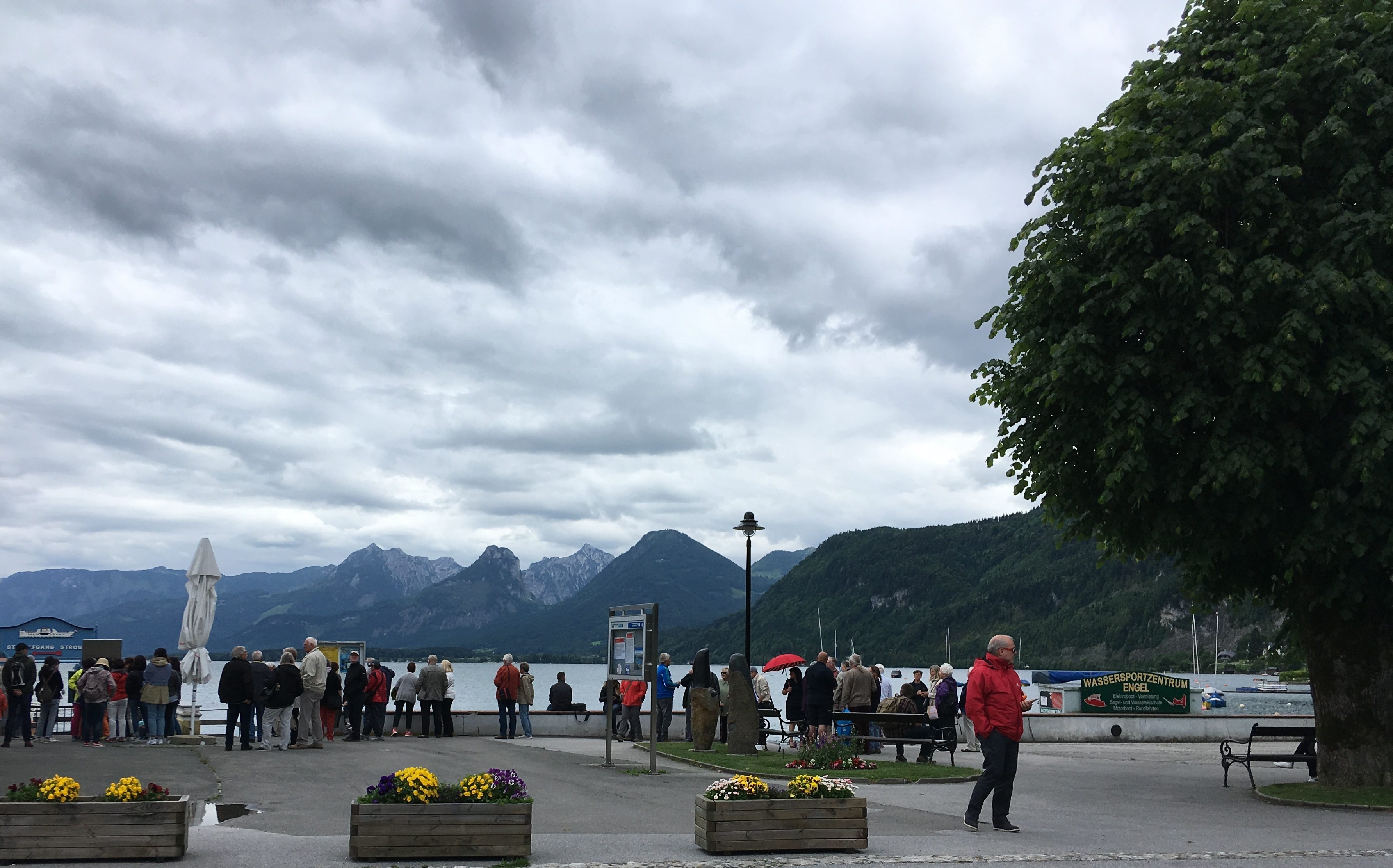
We found a restaurant called Papagano, which is the name of a character in the Magic Flute, which we would see performed by marionettes that evening.  I had ratatouille, and it was the best meal I had in Europe.

On to the next stop—Mondsee, or Moon Lake. This town was not nearly as pretty as the first two, but the wedding scene from The Sound of Music had been filmed in the basilica there.

First, we stopped for “a little cake” and the long-anticipated cappuccino—to give us energy.
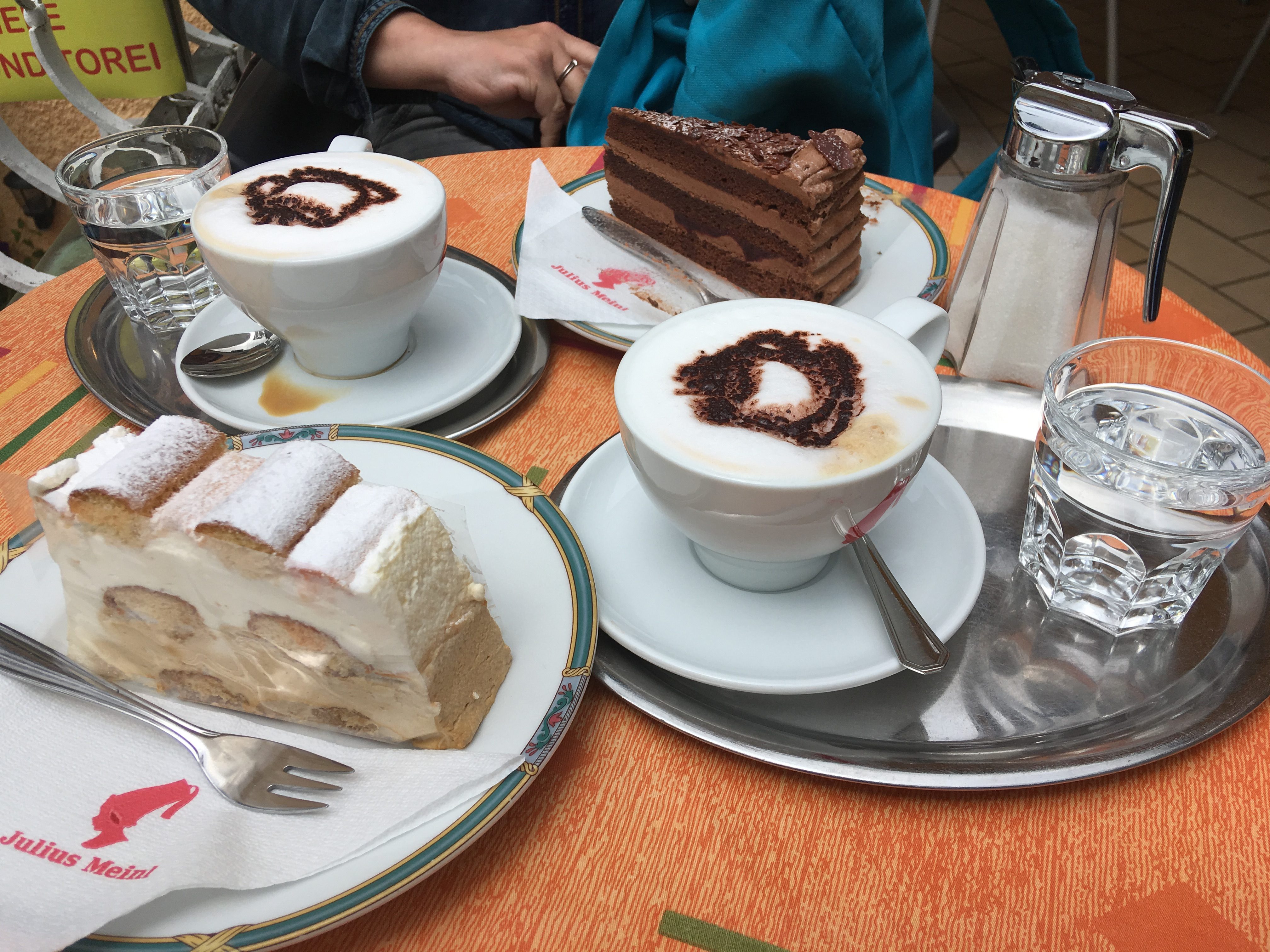
The basilica was beautiful; I could see why they used it for the film.

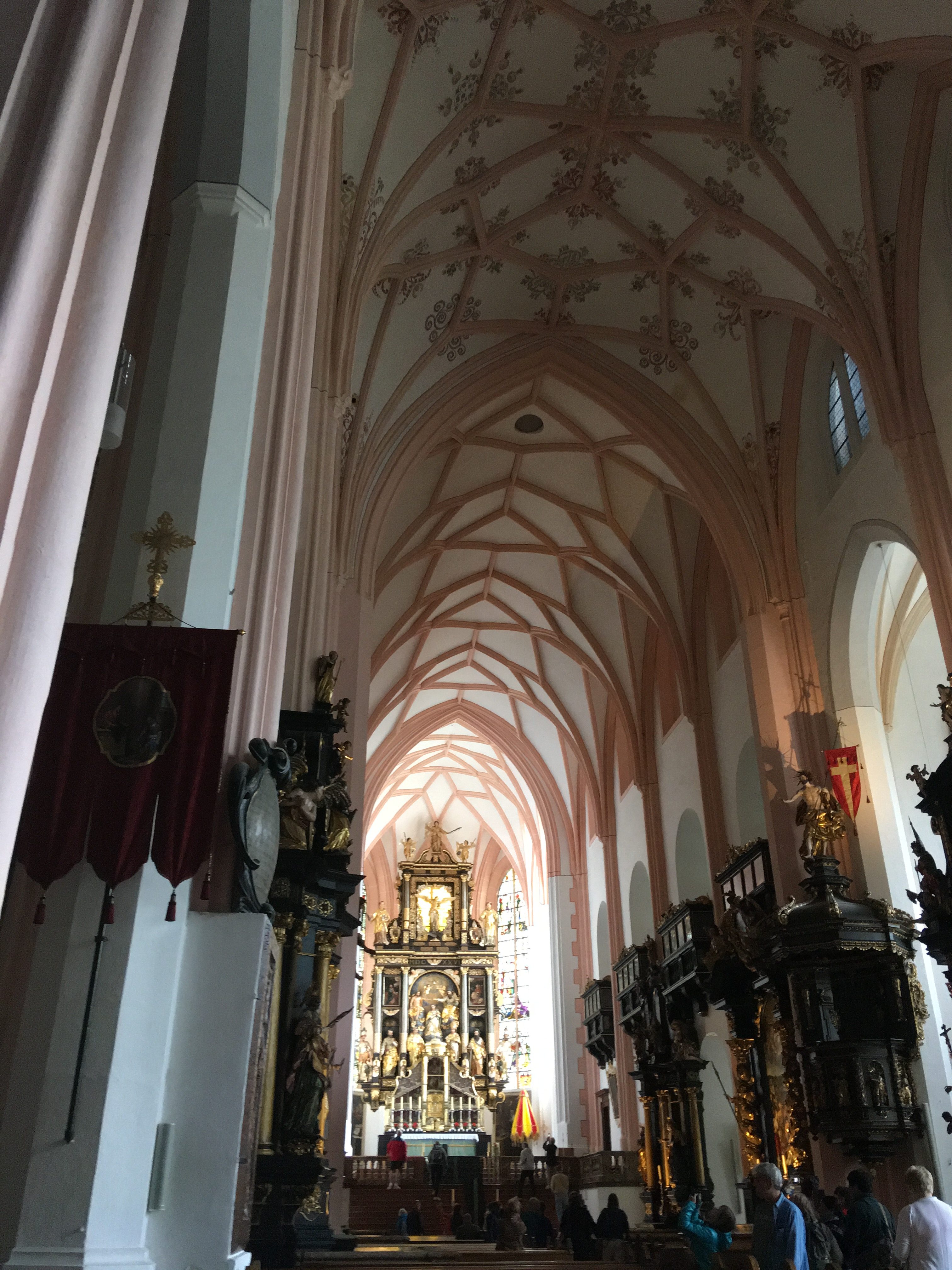
I dropped a coin in the slot and lighted a taper for a friend who had just had surgery.

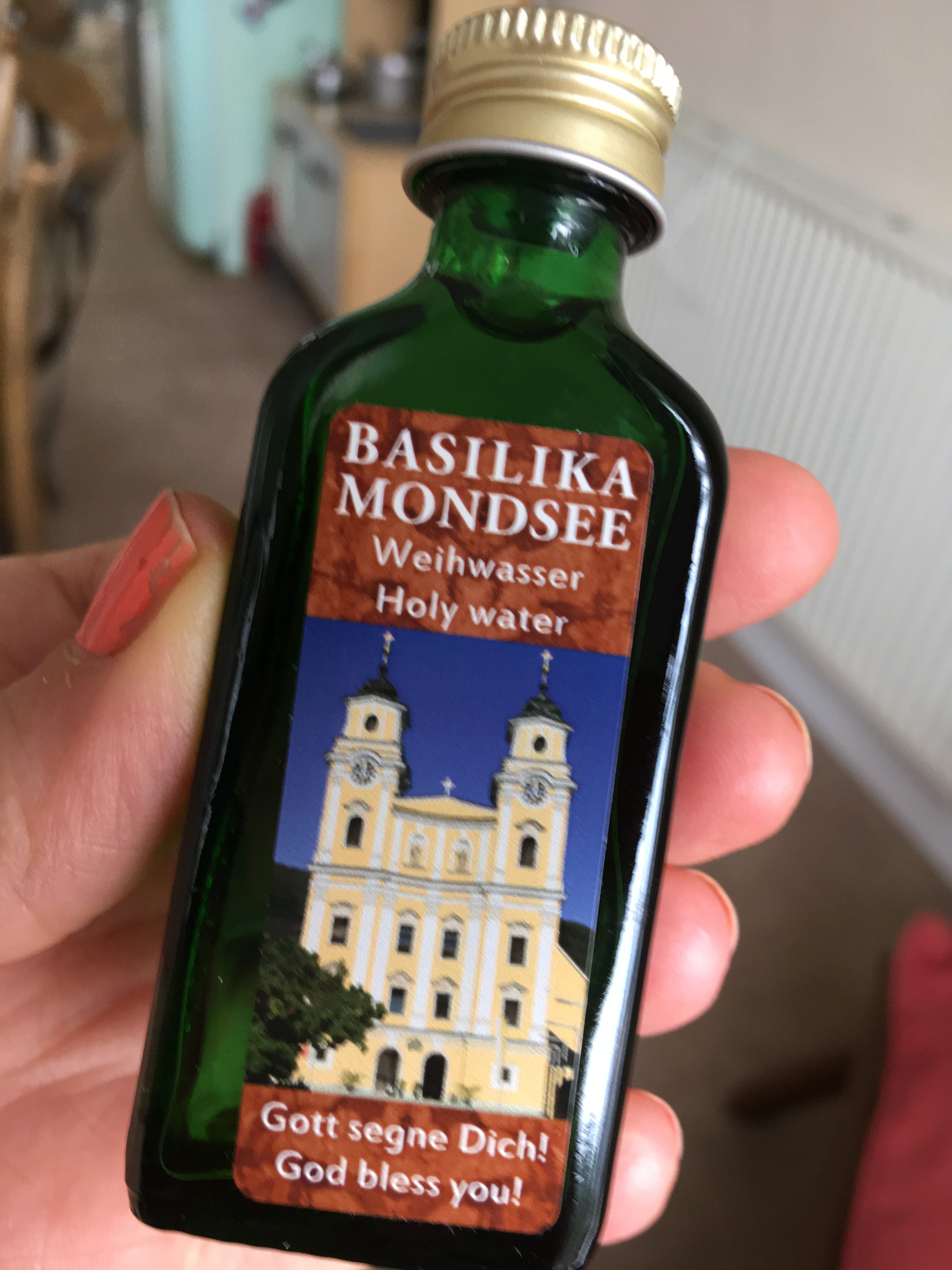
I also loaded up on some free bottles of holy water; these would make great little gifts for Catholic friends and family. But wait!  What did that say on the side?  Jagermeister?

How did that happen?  There were hundreds of these little bottles.  Did Jagermeister donate empty bottles?   Or was itholy water” (wink wink)?  Maybe the church paid the local teenagers to drink all the Jagermeister, then fill the bottles with holy water?  If so, I wondered if the maker of Jagermeister knew that their brand name was being used for purposes not originally intended?
More Sisters, and Sissi

After coming across two references to Mozart marrying the younger sister twice in one day in unrelated sources, Ingrid and I talked about other eerie coincidences and whether they meant anything.  We didn’t think so, but it was hard to accept that they didn’t.

“So if it is some kind of ‘sign’,” I said, “Of what?  You don’t have a sister.  I have a younger sister—does it mean she’s meeting her future husband right now, and he’s someone I wouldn’t be interested in?”

“Yeah,” mused Ingrid.  “What would be the point of that?”

We talked about Hitler and his siblings some more after turning out the lights.

Ingrid’s voice came from the darkness, “Do you think Eva Braun was a younger sister?”

I groaned.  This could be a night of really weird dreams.

The night was uneventful, but when I woke up, got in the shower, and looked down, I gasped.  My left foot looked gangrenous. Or at least, what I imagined a gangrenous foot would look like from old accounts I’d read of civil war injuries.

The top of it was a dark, ominous green from toes to ankle.  Maybe I’d spilled something green on it?  Nope, it didn’t wash off, and it was very tender.

Then I remembered that four days earlier I had dropped my suitcase on it at the Copenhagen airport while desperately trying to get on a plane to Amsterdam.

That first night, when a green egg had emerged from my foot, my mind had galloped ahead to the dramatic hospitalization, circle of concerned doctors and surgeons (all extremely tall and handsome) surrounding my bed, amputation, learning to walk again in a Dutch rehab unit (preferably in the countryside, with a canal nearby with swans), and of course marrying my surgeon, who fell in love with me because of my bravery and perseverance.  I would not invite my sister to the wedding.

I was so distracted by being with Ingrid and sightseeing that I hadn’t given it a thought since it happened.

I showed my foot to Ingrid, who recoiled, then helped me think it through.

“Can you move everything?” she asked.  Yes.

“Do you have numbness or tingling?”  No.

“Can you feel any broken bones sticking out?”  No.

“Can you walk on it?” Yes.

“Then let’s go.  We’ve got to catch the bus at nine.”  Then she added, “I’m sorry.  Do you want me to help you find a doctor?”

“No! It’s just bruised.  I don’t want to sit in the hotel.”  So off we went.

I have written about Hop On Hop Off buses before.  Sometimes they’re not worth it because in some cities, the streets in the most picturesque part of town are too narrow for them.  Or, like in Malta, they have no signage and you can’t find your way back to the bus stops.

But outside of Salzburg, the HOHO—for around $20—was a fantastic value.  We bought tickets for the Lakes and Mountains circuit and had a splendid day … hopping off and on.

“We recommend you get off at stops seven and nine,” said the ticket seller.

Did we take his advice?  Of course not.  We got off at the first scenic spot, a resort town called Fuschl am See, after Lake Fuschl (pronounced foozle).  It was beautiful, but utterly deserted.  We walked down the main drag and there were no cars, no people, and most distressingly, nowhere to get a cappuccino.

As we walked, Ingrid told me the story of Empress Elizabeth of Austria.  There was a movie made about her life called Sissi (her nickname), and Ingrid thought it might have been made in Fuschl.

Suddenly she stopped walking.  “She was the younger sister.  Franz Joseph was supposed to marry her older sister!  It was all arranged, then he met Sissi.”

“Oh my God!” I couldn’t help exclaiming.  “It has to mean something!”

We walked on and Ingrid told the whole story, which was pretty interesting and which I knew nothing about.  It highlighted for me how limited we are by language.  I can list many of the English kings and queens but my knowledge of European royalty is nil.

Younger Sisters and Female Umbels

Ingrid and I spent hours in the two Mozart houses in Salzburg. There was a sound track playing in the background and several of the numbers were straight off of my old meditation CD, minus the crickets.

Why did I quit meditating?  I credit it with helping me get through some really stressful situations.  Gradually, perhaps thanks to meditating, my constant companion of anxiety subsided.  I still feel anxious now and then but nothing like the stabbing, physically painful, constant anxiety I felt for years.  Thanks, meditation, you worked your way out of a job!

I know nothing about music so the personal titbits about Mozart were of most interest to me. “Did you know his wife was the younger sister of the woman he really wanted to marry, but she didn’t love him?” I asked Ingrid.  She nodded disinterestedly.

It was time to move on to an actual concert.  These take place all over Salzburg for tourists.  Ours took place in a thousand-year-old cellar-type place.  A young Russian woman played the harpsichord, which was a forerunner to the piano and has a bit of a canned sound to it.  The acoustics were great.  She played for 45 minutes, got up and bowed, and walked out. Doing it every day must get old.

That was fine; we were hungry.  As we started to walk back to our hotel, the skies opened up again and I was grateful I had carried an umbrella with me all day.  We sloshed along til we were within a block of our hotel and noticed a restaurant our concierge had recommended, the unappealingly named Fuxn.

Fuxn’s deal was genuine Austrian food.  As Ingrid described some of the dishes to me my face may have turned green. Pig knuckles were on the menu.  I had seen a Chinese tourist order pig knuckles in Berlin and they turned my stomach.  Was it the gelatinous goo they sat in? Was it that they were the size of a Volkswagen Beetle?  Was it that the Chinese tourist took one look at them and pushed them away?  All of the above.

I did appreciate the schmalzbrot.  Thanks to my 100-word Yiddish vocabulary, I guessed that it meant bread with chicken fat, and beyond that I didn’t want to know.

About 80% of the menu items involved pork, which made my job easy.  I ordered a salad and Ingrid ordered a dish her mother had made when she was a kid.  As is always the case, it wasn’t as good as her mother’s cooking.

I also ordered a Budweiser, which apparently contained—not just female umbels, but female umbels of the exquisite Saazer hops.

This was the original Bud, not the cheap tasteless beer by the same name that is a frat boy favorite in the US.

“I wonder if Hitler had siblings,” I asked Ingrid in the middle of our meal.  This was not as abrupt a question as it might seem.  We were in Austria, after all, his birthplace.

“I don’t know!” she said, sounding as if she thought she should.

“I bet he was an only child.  No one with siblings could do what he did.”  Apologies to my son, who is an only child, but I do think that being an only can be lonely.  I am biased, since I have three siblings, but how does one learn how to fight fair, share, or empathize without any siblings?

Back at the hotel, Ingrid Googled “Hitler, siblings.”  She had lucked out when she opted for the cot because it was closer to the door so she could just connect to the weak wifi signal.

“Hitler had six siblings!” she read. “Including several step siblings from his father’s first marriage.  He didn’t get along with his father ….”

“Well at least it’s not all the mother’s fault, for once,” I said, turning to my book.

I was reading Little Women and when I opened to where I had left off, it was about how Laurence, who wanted to marry Jo but couldn’t because she didn’t love him, looked up at a painting of Mozart and thought, “He married the younger sister.  I wonder if I could ….”

Thunder and Rain

As you know if you’ve been reading this blog for a while, I am really good at getting lost.  I can study a map for half an hour, even write directions on the palm of my hand so I don’t have to take out the map in public, then I walk out the hotel door and will be deeply, hopelessly lost in five minutes.

Ingrid, thankfully, has a well-honed sense of direction.  We came out of the underground station in Salzburg—the worst for getting lost because you don’t know which direction is north, etc.—and she pointed, “Our hotel is that way.”

“Um…I think it’s the other way,” I suggested tentatively.  Why was I even bothering to trust my “sense of direction?”  Ingrid had us to the hotel in no time, with no detours.

As is unfailingly the case in Europe, the room was on the top floor and there was no elevator so I had to lift and drag my suitcase up six flights of stairs, one step at a time.  The hotel, Pension Elizabeth, was basic and functional.  When I booked it and requested a room with two beds I had received a message, “We will do our best to accommodate your request.”  And they had.  The room had a queen sized bed with a folding cot right next to it, which was quite comfortable, according to Ingrid—who made the sacrifice of sleeping on it.

It was early evening on a public holiday, so the city was quiet.  The holiday is called Whitsun, or Pentecost, which for most Europeans is now just a Day Off.  We ran across the street toward a neon sign that flashed Pizzeria.  The place was run by Bangladeshis, and the only other customers were half a dozen motorcyclists with Bison Thunder emblazoned on the backs of their black leather jackets; they were smoking cigarettes and drinking beers at an outside table.  I thought they might be a gang, although they appeared to have escaped from a geriatric home.  Turns out that Bison Thunder was an Austrian motorcycle made in the1920s, just like the geezers riding them.

Ingrid and I took a table inside and ordered.  I got a panini and she got schnitzel, which is a breaded meat dish.

“The sky is very dark,” announced the owner from the doorway.

Suddenly the heavens opened up and buckets of marble-sized hail thundered down.  The bison thunderers scurried inside as the cafe umbrellas pitched over.  Cars stopped in the middle of the street, then crawled onward slowly.  We all oohed and ahhed and ate and drank from inside the restaurant as we watched the show.  Then Ingrid and I and the bikers retired to Pension Elizabeth for the night.

Salzburg is the city of Mozart.

I never listened to classical music until about five years ago, when I became serious about meditating.  I had a score (ha, ha) of meditation CDs, and my favorite was called Zen Garden.  It was a collection of classical hits overlaid with chirping crickets and birds.  Sounds woo-woo, I know, but it helped me fall asleep many nights.  Eventually, I quit meditating, gave my old school CD player and CDs away, and had music only on my phone.  I did it because I thought everyone was doing it and it would simplify my life, but I regret it.  The quality of music on an iphone is just not good.  If and when I settle down anywhere again, I’m going to go all the way back to my first gen of music and buy a record player.

Anyway, meditation was my gateway to classical music, which I listen to instead of the news, especially since November 2016.

The next day, Ingrid and I walked into the city center and spent hours in the two Mozart museums—one a house where he lived with his family as a youth; the other where he lived as an adult with his wife and children.

Mozart was composing by the age of five and performing for royalty at 17.  There were numerous references to him being “childlike,” and “in his own world.”  Was Mozart special needs?  Was he an 18th Century rain man?

Independence Day

Happy Independence Day, if you are an American.  I’ve spent the last month with friends and colleagues who are Dutch, Japanese, Kenyan, Ethiopian, Eritrean, Australian, and British.  Now I am in England, where for a long time I had daydreams of moving permanently.  Today I read an article in the Sunday Times by Andrew Sullivan, an English-born journalist who became an American citizen after living there for 30 years.

He says a lot of things about why he has chosen to become an American.  He says it suits his temperament—“independent, pushy, outspoken.”  Um, that doesn’t sound like a compliment.  He talks about how England is focused on the past while American relentlessly strides toward the future.  Americans are optimistic; he finds it funny that a common response to every proposal is, “Sure!”  He appreciates that no one categorizes him based on his accent, and no one cares what class he’s from.  He admires how America has accepted and integrated more immigrants than any country in history.  He notes that America is both “deeply conservative and equally radical,” how if you fail in one part of the country you can start over in another, and he marvels that he was made editor of a national magazine at the age of 28.  There’s plenty that horrifies him about the States, like our gun obsession.

I can’t say I disagree with him on any points.  For me, the word that sums us up as a people is Independence, which many translate into “no one can tell me what to do,” as when former National Rifle Association president and B actor Charlton Heston’s famously said, “you’ll have to pry my gun from my cold, dead hands.”  We don’t like signs.  We don’t like rules.  If someone is poor, we expect them to “pull themselves up by their own bootstraps.”  We look down on anyone who accepts government assistance, even though over 50% of us get it in some form.  We like to believe we are pioneers, clearing the land and building our own house with a white picket fence.

I thought about going to an American expat bar in London on the 4th of July, then came to my senses and realized it could be a terrorist target.  That’s a shame.  I’ll go for a long walk along the Thames instead.

If you’ve ever been to the Netherlands, you probably know that the Dutch are the tallest people on earth.  The average Dutch man is six feet (183 centimeters) tall.  When Ingrid and Chris and I went shopping, I lost them in the store and I thought, “I’ll look for the tall guy,” then realized that Chris, at 6’4”, isn’t exceptionally tall.

Ingrid, however, is short, thanks to her Austrian mother, who met her father through a pen pal program.  The fact that Ingrid speaks German would come in handy.

Since I had a big suitcase, Chris drove us to the local train station.  I averted my eyes while they said good-bye.  It was sweet.  They just celebrated their 18th wedding anniversary.

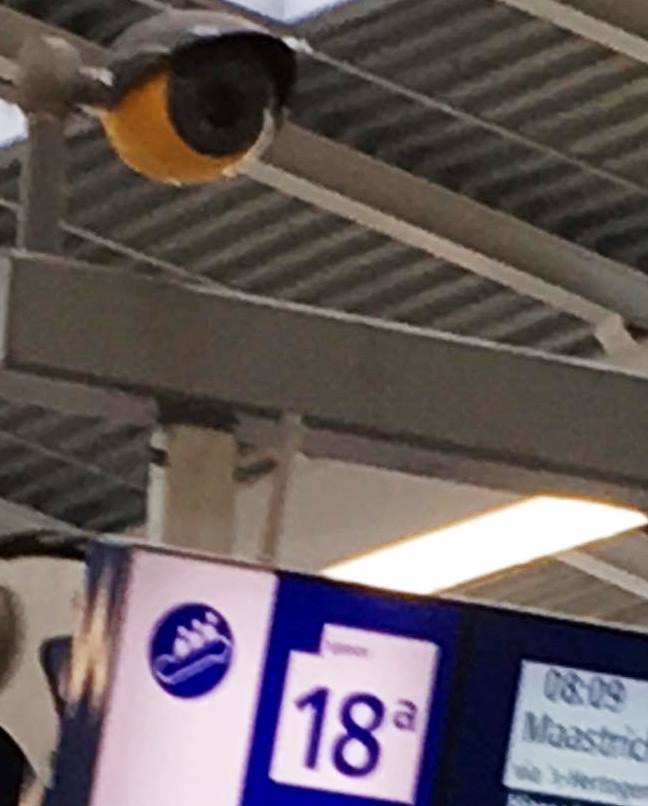
While Ingrid and I waited at Central Station, I noticed these eyeball-like contraptions everywhere.  Were they CCTV?  Ingrid didn’t know.  If they were cameras, they weren’t catching much because it was early morning on a Dutch holiday.  I realize this is not a great photo but I was trying to take it surreptitiously in case security didn’t have a sense of humor.

On the train, which was clean and quiet, we moved east through Arnhem toward the German border.  We would pass through Duisburg, Dusseldorf, Cologne, Frankfurt, Mannheim, and Munich on our way.

We passed the time talking, which always makes time fly.  Unless you’re with someone you can’t stand, in which case it makes you want to hurl yourself off the train.

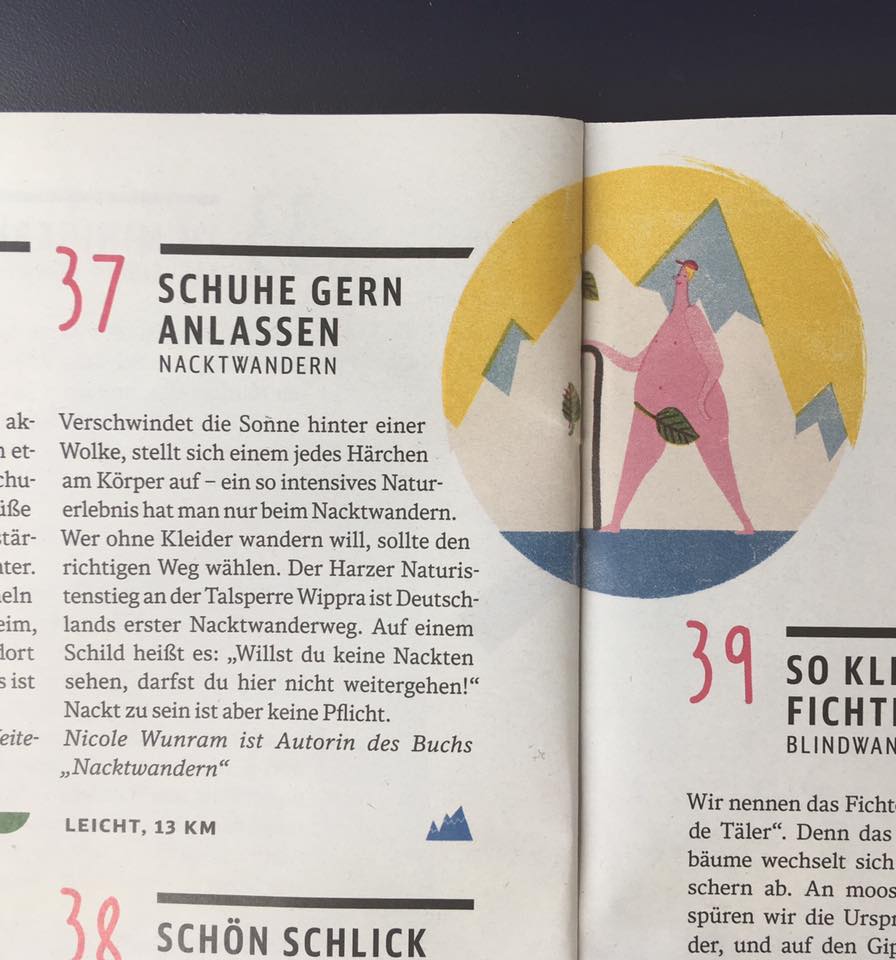
I perused the train magazine, whose cover featured a famous actress I’d never heard of who had great eyebrows.  “The Big Wanderlust” was clear, and something I could relate to.

Ingrid translated an article about naked hiking.

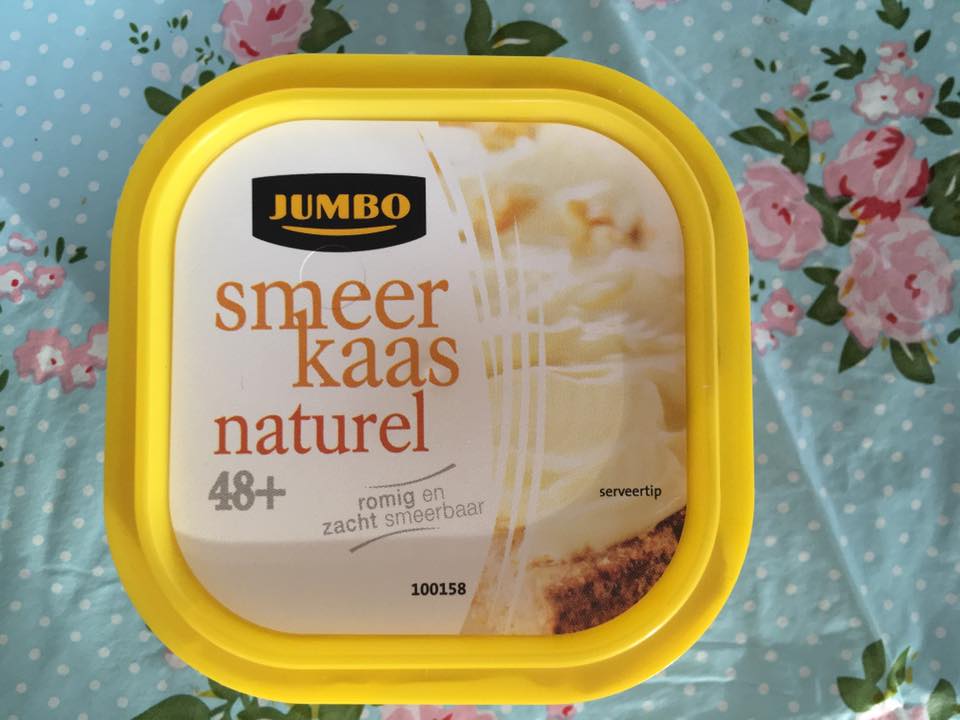
We ate crackers and the funny-sounding (to me) smeer kass.

We passed the enormous Cologne cathedral.

After nine and a half hours, we rolled into Salzburg.

Beaches and Beers, Pancakes and Paying

The day after our biking and museum-going expedition, Ingrid took me to the beach.  The beach, you ask?  I know, it’s something I associate with Florida, not Holland.  Still, I had read in a guide book that the beach is a thing in the Netherlands in the summer, so off we went.  We walked a couple blocks to the bus stop, took a bus into central Utrecht, then took a train to the seaside town of Zandvoort (“zand” meaning “sand”, a Dutch word even I can memorize).  If I were in Minnesota, I would have driven the distance – about 45 minutes – to Zandvoort, but I don’t think it ever occurred to Ingrid not to take public transport.

It was a cloudy, blustery day.  We sat on a restaurant patio that had clear plexiglas walls to break the wind.  We ordered some food; in Minnesota such a restaurant would hardly be worthy of the name restaurant, you would only be able to get a frozen burger and fries and ice cream.  But here, we had smoked salmon and pate and incredibly lightly fried battered cod and good bread, plus my favorite mid-day traveling beverage, cappuccino.

We went down to the beach and strolled.  Like kids everywhere, the Dutch kids were having fun in the waves and sand while their parents watched, bundled up in sweaters and wincing at the wind.  Ingrid and I were deep into some profound subject so we didn’t notice the cold.

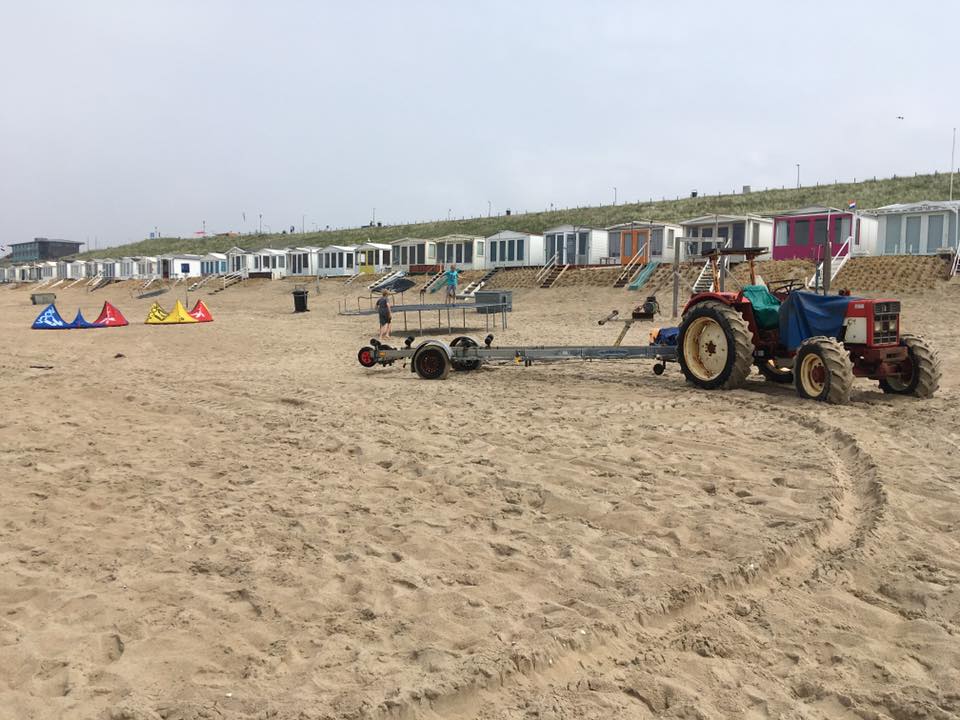
There were cabins aligned along the beach—for rent?  I suppose it would be fun for kids and dads and dogs to have the family vacation at the seaside, but it would be miserable for moms.  The tent-like things in the background are pop-up wind breaks.

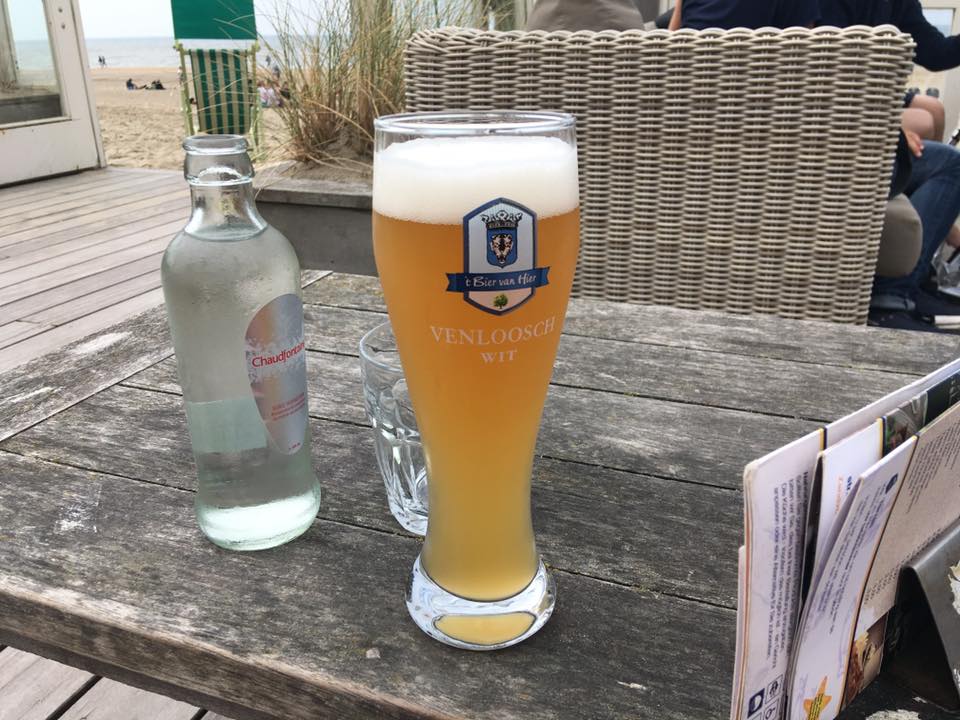
We moseyed back up from the beach and sat at a table on another patio.  I had a beer that was really, really good.  I wonder if I’ll be able to find it again.  I wonder if it just tasted so good because of the atmosphere.

Ingrid went to the toilet and the sun came out for the first time that day.  I leaned my head back against the cushions and half fell asleep.  It was one of those rare moments when I was completely content and at ease and I could have stayed there for hours.

When we got back, we rode our bikes by Ingrid’s son’s baseball game.  Baseball, you ask?  Yes, I was surprised too.  Baseball is catching on in the Netherlands, and Ingrid’s son Simon is an ace pitcher.

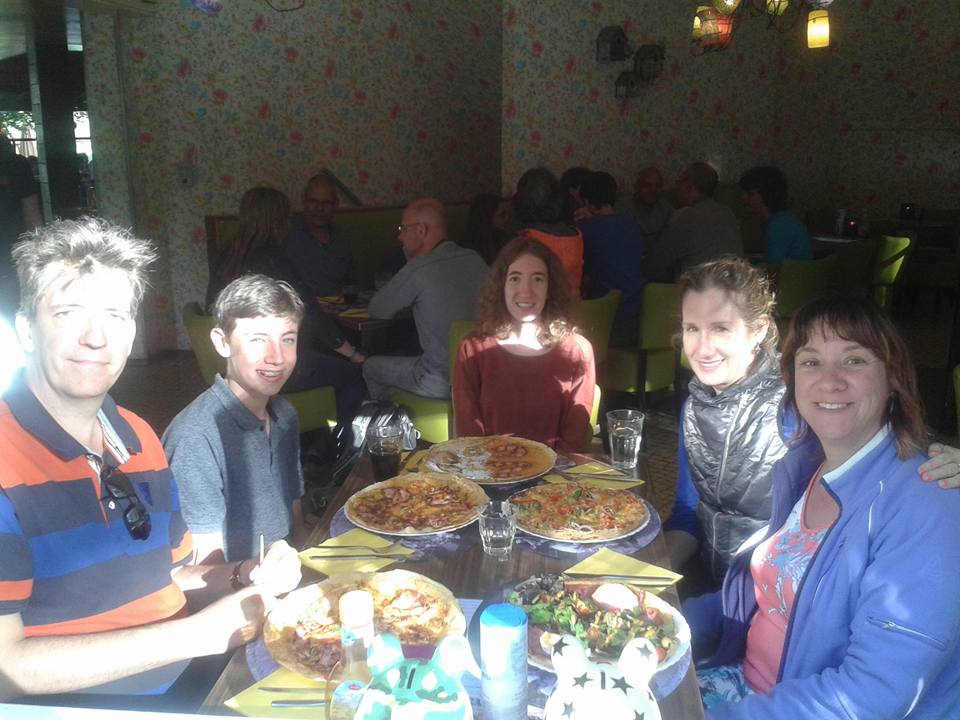
That night we went out for pancakes. Pancakes for dinner, you ask?  Yes.  But not just any pancakes, and not just at any old pancake house.  This place, Theehuis Rhijnauwen, was in the countryside with tables on the lawn leading down to a stream.  We had to move inside because it was chilly, but then the pancakes came.  As you can see, they’re the size of pizzas.  Mine was savory, with red peppers, onions, and cheese.  Here is the menu in English.

Now I faced a dilemma.  Chris and Ingrid had sprung for Indonesian take out the night I arrived.  We had gone to a nice restaurant the second night, and Chris had insisted on paying.  Tonight he did the same.  I didn’t know how hard I should push to pay—at least for my own.  The Dutch have a reputation for being very frugal, and of course there is the phrase “Dutch treat” which means splitting the bill.  I was also drinking their coffee and eating their cheese, their most valuable possession, in the mornings.

I never know if this is all about my insecurities growing up in a hard scrabble household, or if everyone else is thinking, “Wow, what a leech Anne is, not paying for anything.”

The next day Ingrid and I were leaving for Salzburg, so being a little anxious, I awoke even earlier than usual.  The house was silent.  Needing coffee, I crept down to the kitchen and turned on the fancy machine that makes coffee, tea, cappuccino, and espresso.  It went “BRRRRRRRRRR!!!” like an alarm clock and woke up the whole household.  And that was the start of our day.


Dutch Landscapes

I’ve spent the last two weeks traveling around the south coast of England—Cornwall, Devon, and Dorset, and now I am ensconced in Eton, home of the boys’ boarding school of the same name that was founded in the 15th Century by Henry VI.

I’ve visited so many quaint little seaside towns, shopped in so many independent stores, and supped in so many Ye Olde Tyme pubs that I’ve lost track.  But all this is to say that it makes me sad that people come to the UK and never leave London.  They say London is a country all its own, and that’s probably true.  But there’s so much more to Britain than London.

And that’s true of the Netherlands, too.  Most people only ever visit Amsterdam. They wander around the red light district (tee hee), take pictures of the canals and all the bicyclists, smoke some pot in a “coffee shop,” and go see the old masters at the Rijksmuseum.

I feel really fortunate that I had my personal guide and good friend Ingrid to show me around. As I wrote in my last post, she lives in Utrecht, a sizeable university town about 45 minutes from Amsterdam.  Probably everything in the Netherlands is about 45 minutes from Amsterdam.

My first night there, I was awake late because it was light out until 11pm.  Then I woke early because it got light at around 4am. Besides, I was excited about the day ahead, which Ingrid had promised would involve bicycling in a national park.

We drove about 45 minutes to Park De Hoge Veluwe. I am no great judge of space but it had to be larger than Central Park in New York.  We parked the car near the entrance, bought our tickets, and picked out bikes in the bike lot.  The bikes were all white, all had child seats, and they were free.  There were no helmets or locks in sight.

The great thing about biking in the Netherlands is, it’s so flat.  Therefore it was no need for more than one gear, since the biggest hill wouldn’t cause you to break a sweat even if you were totally out of shape.  The weather is also mild, so no sweating.

I loved it, biking along on a beautiful summer day in the wild with a good friend.

We arrived at our first destination, the St.Hubertus Jachthuis, a hunting lodge built by the Dutch architect H. P. Berlage in 1915 for a German couple, the Kröller-Müllers, with money pilfered from her father’s company.

Hmmm … it reminds me of something ….

The lake is artificial; the first iteration drained because they hadn’t realized it was sandy soil underneath.

Inside, Berlage had created a unitary design—from floor to ceiling and everything in between, the furniture, carpets, art, light fixtures, etc. were designed as a single work of art.  It was never meant to be lived in, but to be a monument to his genius.  Frau Müller had other plans, fired him, and lived out her days here.

Ingrid joined a group of Dutch tourists with a Dutch guide, while I listened to an English tour on a handset.  The English version would finish, then the Dutch docent would talk on and on for another 15 minutes before we moved on to the next room.  Was it because Dutch words are so long?  No, I learned afterwards, it was because the Dutch guide was telling the group a lot of bonus tidbits, like that Frau Müller had a young male “companion” on whom she lavished attention.

After the tour, we biked to the Kröller-Müller Museum.  Frau Müller was an art hound, and luckily for us she used a lot of the money embezzled from her family company to buy art.

The museum had an incredible collection of van Goghs, most of which I had never seen.  It held lots of other famous painters too, but annoyingly it closed at 5:00 and its surrounding sculpture garden closed at 4:30.  Why?  It was summer.  It was light out until 11.  We arrived at 4:15, made a beeline for the van Goghs, and only saw the rest in passing.

Boeren Bonenstoofschotel on Schoenlappervinlinder

Greetings from Eton, England.  Tonight I will sleep in my 11th bed in a month.  I’ve spent the last 10 days in the southwest of England—in Cornwall, Devon, and Dorset—where the internet connections were not much better than in Ethiopia.  So I’m going back to write about some of the places I visited almost a month ago, and now that I’ve got a good connection I’ll write forward and eventually join up with the present, in Eton.

After three whirlwind days in Copenhagen and being forced to buy a second plane ticket thanks to Expedia, I arrived in the land of long words, the Netherlands.  I was so happy to see my old friend Ingrid waiting in the arrivals hall.

Ingrid and I met in 1986 at a Volunteers for Peace “work camp” in London.  I’ve written before about how she visited me in the US twice and I visited her in the Netherlands twice, including being a bridesmaid in her wedding.  The last time I saw Ingrid in person was after her son was born, about 11 years ago.  Of course we are friends on Facebook but it’s not the same.

By the time we got out of the airport parking ramp and onto the highway headed to Utrecht, where she lives, we were talking about whether god exists, the meaning of suffering, and how humanists can be as inhumane as anyone. Our conversations continued like this for the next six days.  Don’t get me wrong; we also talked about hairstyles, houses, families, health, and jobs, but I can talk to most people about those things.  It is so good to have a friend you can talk to about the big questions.

Plus, she fed me Boeren Bonenstoofschotel, a Dutch folk food, from what I understand.

The street Ingrid and her family live on is called Schoenlappervinlinder, which is named for a butterfly.  By the time you’ve pronounced the word, the butterfly would be long gone.

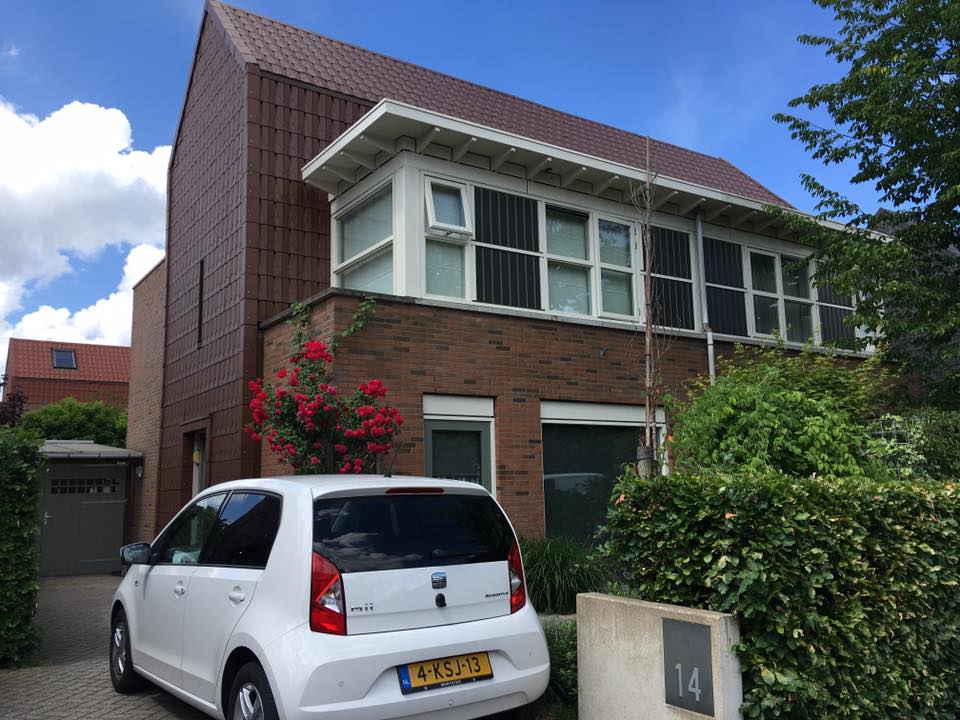
Here are some photos of a typical Dutch side-by-side house in what Ingrid referred to as a “suburb” of Utrecht, which felt pretty urban by American standards.

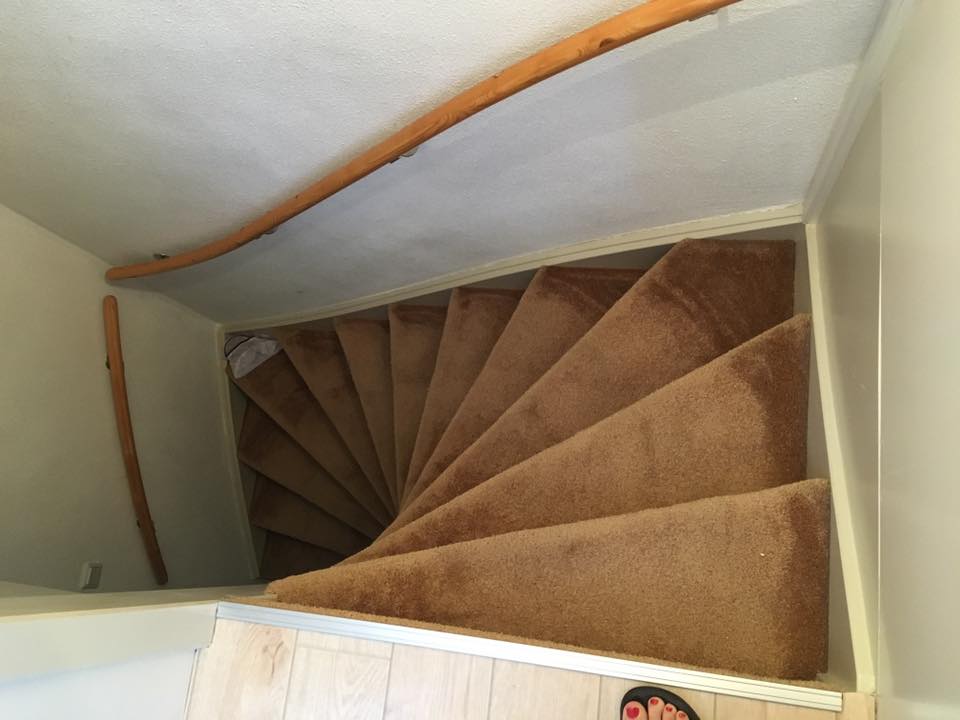
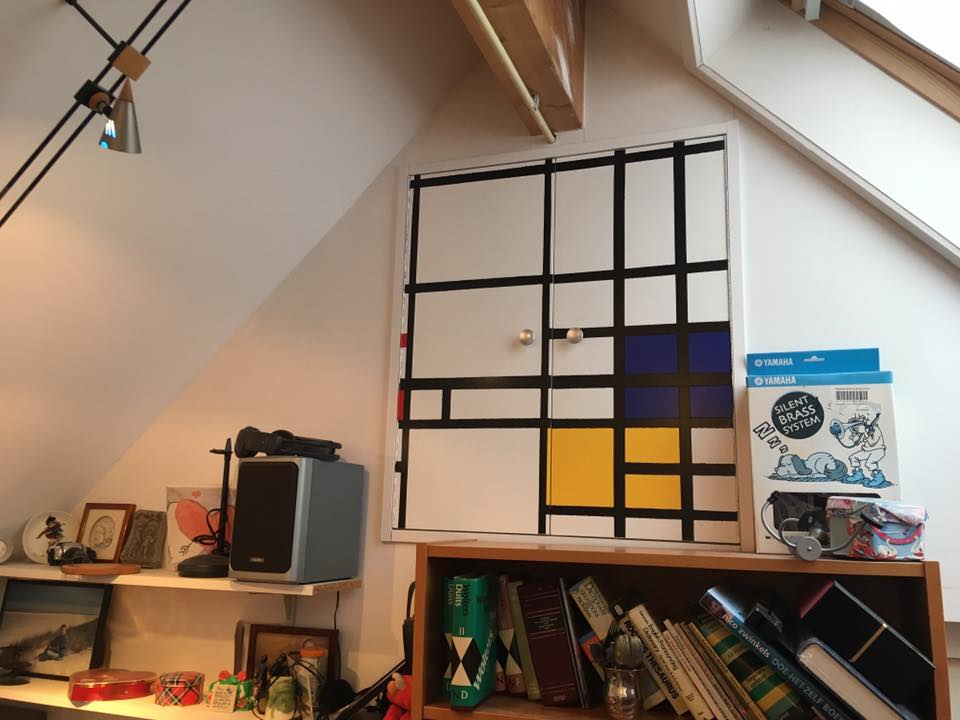
The house was similar to many American homes with the exception of exceptionally steep stairs leading from one floor to another.  They all shrugged when I exclaimed over how steep they were.  There was a bike shed in the back yard to accommodate the four family bikes that they use to go to work, school, and most everywhere else except to the grocery for a big shopping load.  The attic which served as my room had home-painted Mondrian thanks to Ingrid’s husband Chris, and more English language books on the bookshelves than most American homes.

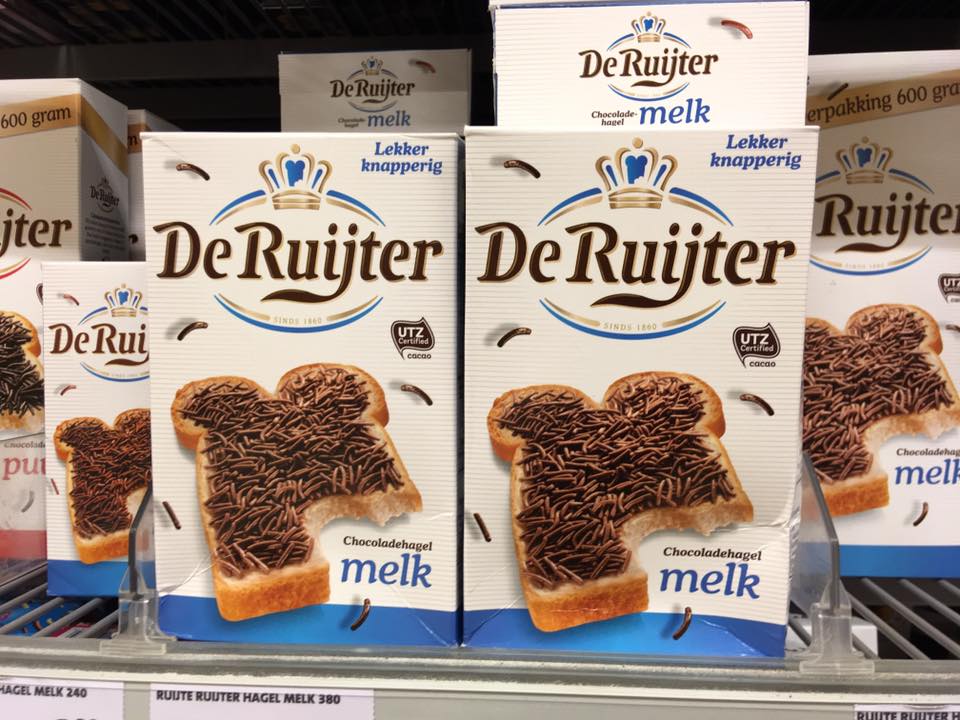
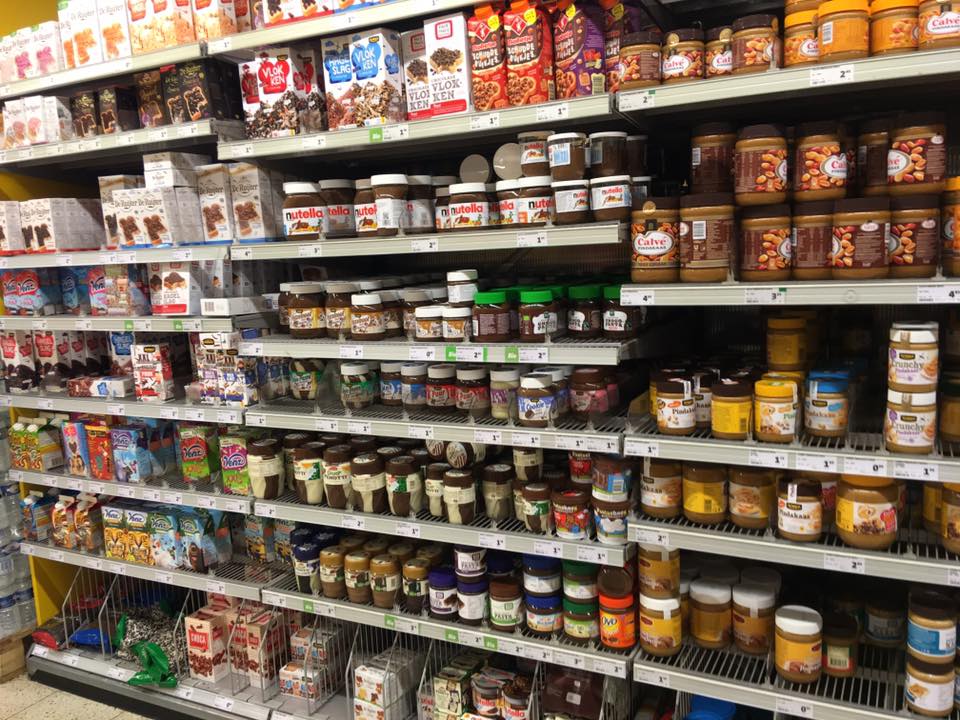
Speaking of grocery shopping, I got to go with Chris and Ingrid to a Jumbo, which is a mid level grocery chain.  The Dutch love sweets.  Stroop koeken/waffle are typically Dutch cookie or waffle “sandwiches” filled with sugar syrup.  There is every other imaginable form of cookie, cake, and candy, plus lots of breakfast sweets stuff, like sprinkles for toast and an entire Nutella section.

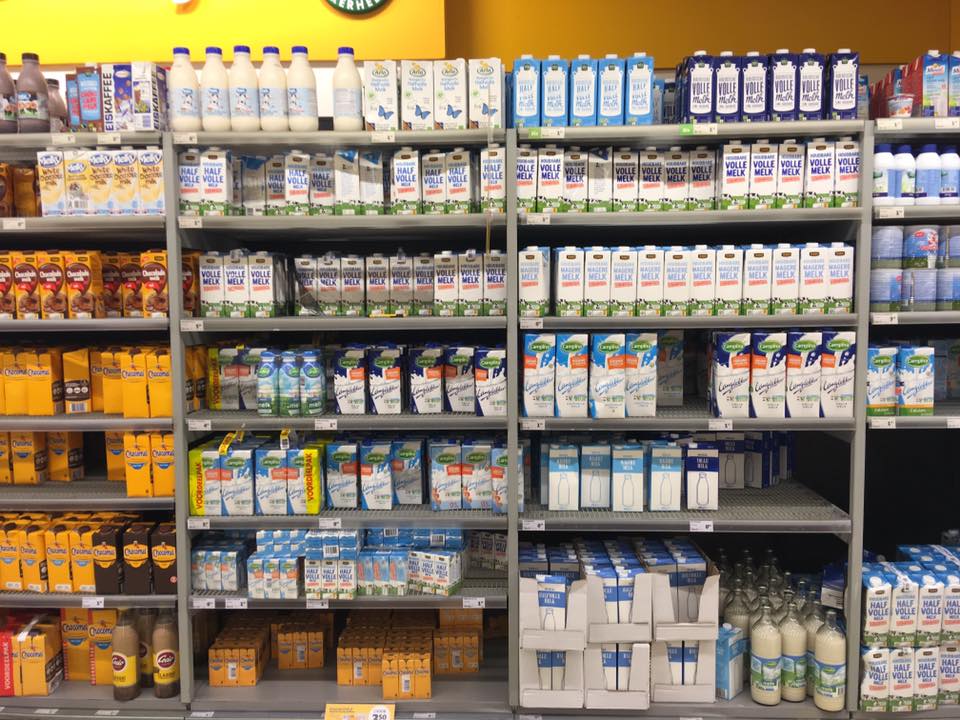
Eggs and milk were not refrigerated.  I guess in the US we refrigerate both because it makes them seem fresher, but it’s not necessary.  If that’s true, what a waste of energy!  If it’s not true, then there should be lot of people retching their guts out every day in the Netherlands.

We have an image in the US of how everyone in Europe eats artisanal, organic, free range food.  There is plenty of it, but they also eat junk, just like us:

This item in the deli case, “FiletAmericain Naturel,” turned out to be Steak Tartare.  Ironically, I believe you can’t buy it in the US.

Then there were the cheeses.  The Dutch love cheese at least as much as sweets, and there must have been 500 different kinds on offer. I could have taken photos of cheese all day.

Finally, this was in the magazine section.  It’s a mag for gay men, and in an American grocery—if it was even allowed—it would have a colored plastic sleeve to hide the content, a la Penthouse and Playboy.

Whirlwind Tour

Five countries in 17 days.  I’ll never get around to writing about it all, but I’ll try to capture some highlights.  Today: Copenhagen.

People: The blondest people I’ve ever seen, and I’m from Minnesota.  People with pointy, turned-up noses whose language sounds like, “Hoon-dah, hoon dah, hoon dah.”  There were also huge groups of Chinese tourists everywhere.

Weather: Cold, grey, rainy.

Quiet: Two reasons: electric vehicles and bicycles.  Throngs of people in suits commuting to work, sitting ram-rod erect as they whiz along with no helmets.

Expensive: A salmon and cream cheese bagel in a nondescript coffee shop cost 55 krone, or about $11.  Two delicious herring appetizers and a small bottle of water at the Design Museum cost $30.

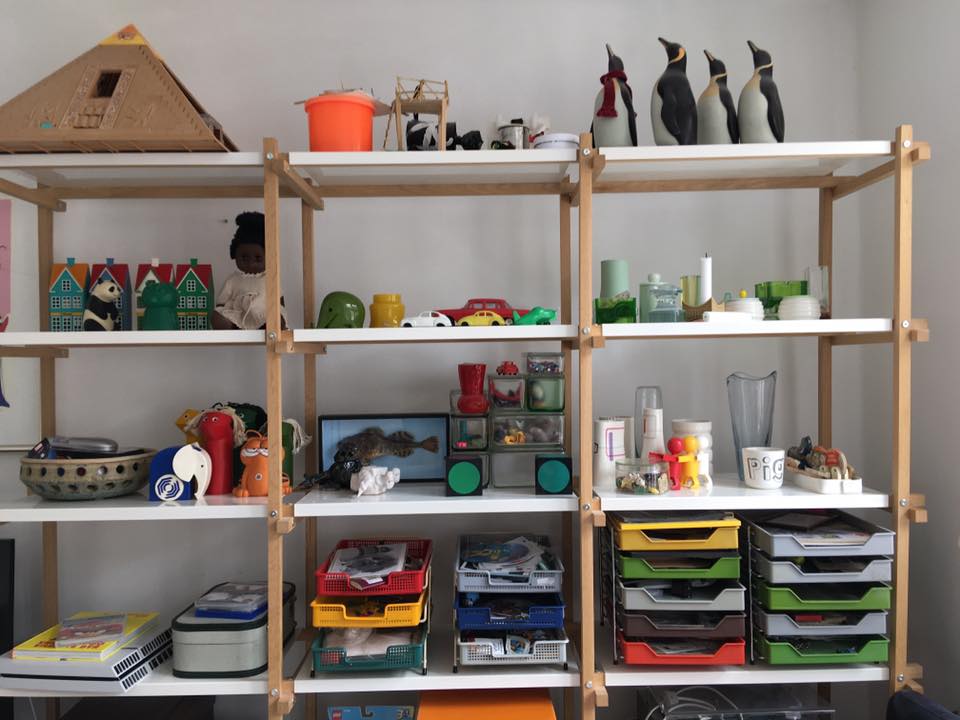
Design: Beautiful wood was used for everything from the airport floor to the bagel counter.  The Air B&B I stayed in was full of Danish Modern furniture and even the most prosaic item was designed, from canisters to ladles to the appliances and bathroom fixtures.

I arrived late at night and splurged to take a taxi from the airport.  That cost about $45, compared with the $4 train ride I would return on, but it also took only 15 minutes, compared with about an hour and 15 minutes on the train, which had multiple delays including all passengers being told to get off and switch to another train.

The accommodation was great for the price, if all you need is a single bed and a good location.  The three-story townhouse was owned by a woman named Mette who was a divorced lawyer with two kids who were at their father’s.  I only saw Mette’s face as I peered down the steps from the second floor late at night, which was when she got home from work. This was fine with me; I was wanting-to-be-alone mode.

The house, as I’ve already written, was a collection of beautifully- and/or sensibly-designed things.  I felt like I was living in an Ikea store.  One surprise was that there was no recycling.  None!  I think it was just Mette’s neighborhood, which had very narrow streets and thus would be difficult to get a recycling truck through.  It felt really weird throwing paper and glass bottles in the trash.

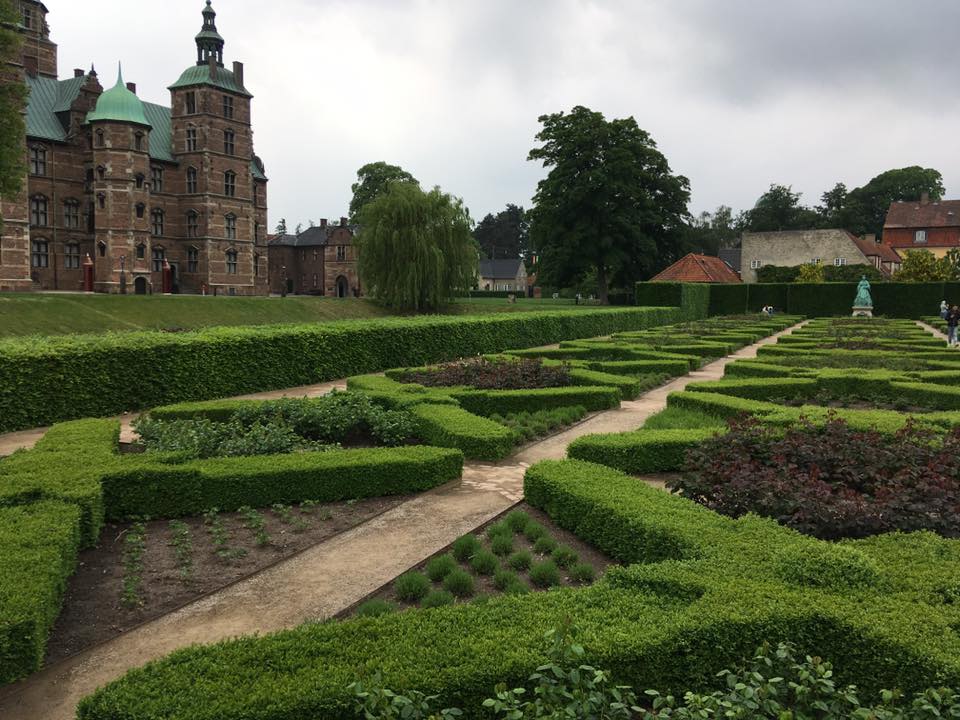
So what is there to do in Copenhagen?  Two things rise to the top—the gardens and the palace.  Maybe because the weather is so crappy, they work to make their gardens in Copenhagen impressive—and they are.  It really would have been spectacular with some sun, but never mind.  There are the botanical gardens, which have enormous greenhouse complexes, and across the street are more gardens surrounding the Rosenborg palace.

Since Copenhagen is so expensive and I was just at the beginning of my journey, when I am always more cautious about spending, I bought a sandwich and some grapes at Aldi and had picnics in the gardens two days.  Interestingly, Aldi is a horrible, dirty, dumpy store in Europe.  This was my impression in Copenhagen, and it was confirmed by my friend in the Netherlands, who said something like, “Eew … you shopped at an Aldi?!”  Still, it was cheap.

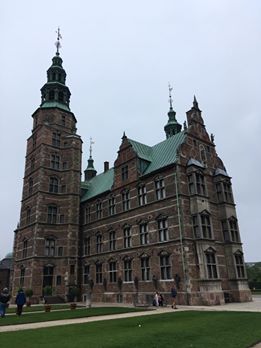
I toured the Rosenborg along with 3,000 Chinese tourists.  I’ve been to a lot of palaces.  Usually they are vast, spreading, and sprawling.  I thought the Rosenborg was modest as palaces go, and it was built more on a vertical plan.  That is, the rooms were small but there were four stories, as opposed to most palaces which have two.  Another thing that was different was the lack of religious imagery.

I knew nothing about the Danish monarchy.  Did you know one of the queens had an affair which resulted in an illegitimate daughter?  Any English king probably would have beheaded her, but in enlightened Denmark I guess it wasn’t an issue.

The Nyhavn area is overhyped.  It epitomizes the term “touristy.”  The fortress, called the Kastellet, was a “meh.”  I never got to Tivoli Gardens.  It would have required a bus ride, and I just wasn’t up to figuring out the public transport system.  If I go again, I would start with a Hop On Hop Off bus tour to get my bearings.

Next up: Utrecht.

Auf Wiedersehen

Greetings from Salzurg, Austria.  I am sitting in the breakfast lounge at Pension Elizabeth, where Abba is playing on a loop, the Internet is super slow, and the hotel staff are having some kind of meeting with a salesperson at the next table.

I’ll leave for the airport in a few hours to fly to Ethiopia, where I’m told I’ll have no Internet.  I would love to say I’m going to write enough posts to take you along with me, but that’s a fairy dream.  Complications are following me, and I can’t say I’ve really had one day off since I left 11 days ago.

I’ve got 200 emails in my work inbox.  The June 1 payment from my renters back home hasn’t shown up in my checking account.  I am getting texts and phone calls from someone who needs to know something about the sale of my condo and I have no idea who they’re from or what they’re about.

The most “exciting” complication happened when I flew from Copenhagen to Amsterdam.  I received a reminder from Expedia the night before to check in.  Norwegian Air’s website didn’t recognize the routing number but I got a message that said, “Don’t Worry! We’re still working on our website.”  Really?  Did Norway just get the Internet?

The train to the airport the next day left late and stopped twice to let other trains go by in the other direction.  In general, I think this is good, but not when it keeps you standing still for 20 minutes at a time. Finally, we were told to get off and take another train.  I had, as they always advise you, allowed plenty of time to get to the airport early but got there about an hour before my flight was to leave.

And Norwegian Air had no record of the flight.

It’s a long story, but I ran from one terminal to another, then back again, then back in the other direction, and was quoted up to $800 for a new ticket.  I did all this with my big bag full of books, since I hadn’t been able to check it.

In the end, I was lucky to get the last seat on a Scandinavian Airlines flight for $406.  Expedia says their records show I took the Norwegian flight.  They are telling me to call Norwegian Air id I still think there is a problem.  Call?—as in make an international call that will cost me $1 a minute to sit on hold?  I protested, but Expedia hasn’t responded.  If anyone has advice to doing battle with Expedia, please let me know.

Four hundred bucks is a lot of money to lose, but also in the mad rushing around in the airport, I must have dropped my bag on my foot.  Once I arrived in the Netherlands and took my socks off at my friend’s house, I saw an alarming gold-ball sized green swelling on the top of my left foot.  I immediately thought of the American journalist Miles O’Brien, who had a freak accident where something fell on his arm.  The incident seemed mild, but it caused something called Acute Compartment Syndrome.  He had to have his arm amputated.  Boy, is he good looking—you really should check out that article.

My foot swelling went down that night, but my whole foot has been black and blue for a week.  I showed it to my friend and we went down a check list: it’s not numb.  I can bend my toes.  It’s tender to the touch but not painful to walk.  The swelling is gone.

Good to go to Ethiopia, right!?
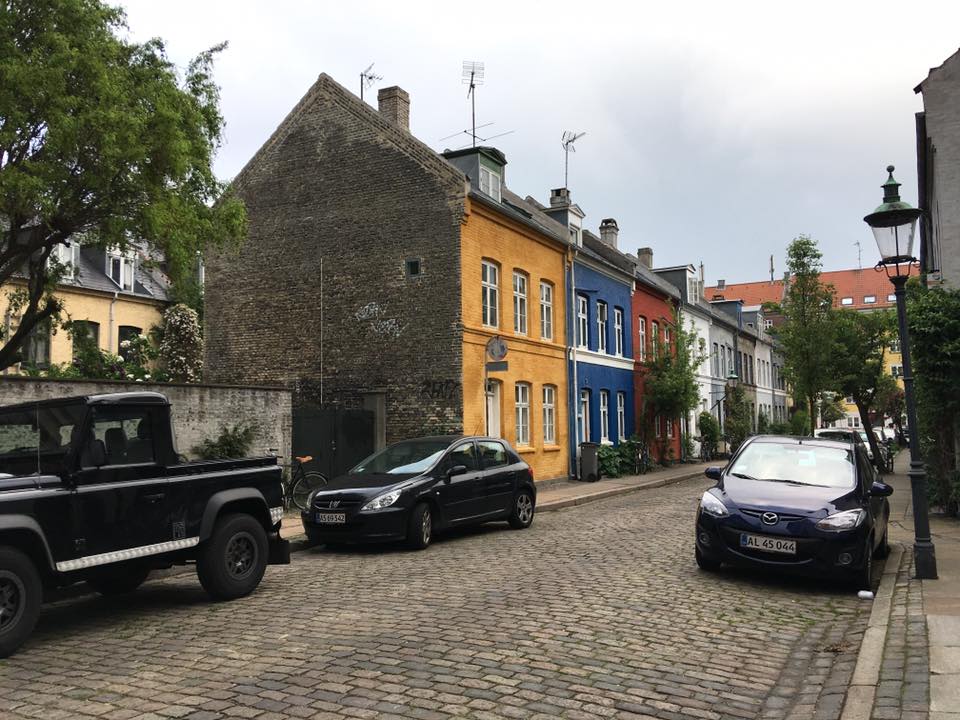
Other than the potentially fatal foot injury, $406 loss, and the nonstop rain that follows me everywhere, I’ve had a great time so far.

Okay, I’m off to bring the rain to Ethiopia.

I’ll write more when I get to Cornwall, England in a week or so.